
2026 Best High Pressure Compressor Systems for Global Buyers

Time:2026-09-17 Author:Isabella
0%

Global buyers face a demanding choice when evaluating the 2026 Best High Pressure Compressor Systems. Pressure ratings alone cannot define the best solution. A reliable purchase must match gas composition, flow demand, discharge pressure, ambient conditions, maintenance skills, and local service access. A unit operating beside a dusty desert pipeline needs different protection from one installed inside a humid coastal plant.

Dr. Heinz P. Bloch, a respected machinery reliability authority, stated, “Reliability is a design issue.” That principle remains practical. A well-designed High Pressure Compressor System should include suitable cooling, vibration monitoring, pressure relief protection, efficient lubrication, and accessible inspection points. Buyers should also examine documented test results, operating references, warranty terms, spare-parts availability, and technician training. Small details matter. A clogged cooler can raise discharge temperature quickly. Poor alignment can create costly vibration.

This guide compares major system features, application suitability, energy performance, safety controls, and long-term ownership considerations. It does not assume that one compressor fits every market. That would be misleading. Manufacturer claims still require careful verification against site data and independent engineering advice. Some systems may offer excellent efficiency but demand advanced maintenance skills. Others may cost more initially yet reduce downtime over years. The final decision should balance measurable performance with practical experience, credible documentation, and realistic operating conditions. Mistakes are possible, especially when buyers compare brochures instead of complete lifecycle evidence.
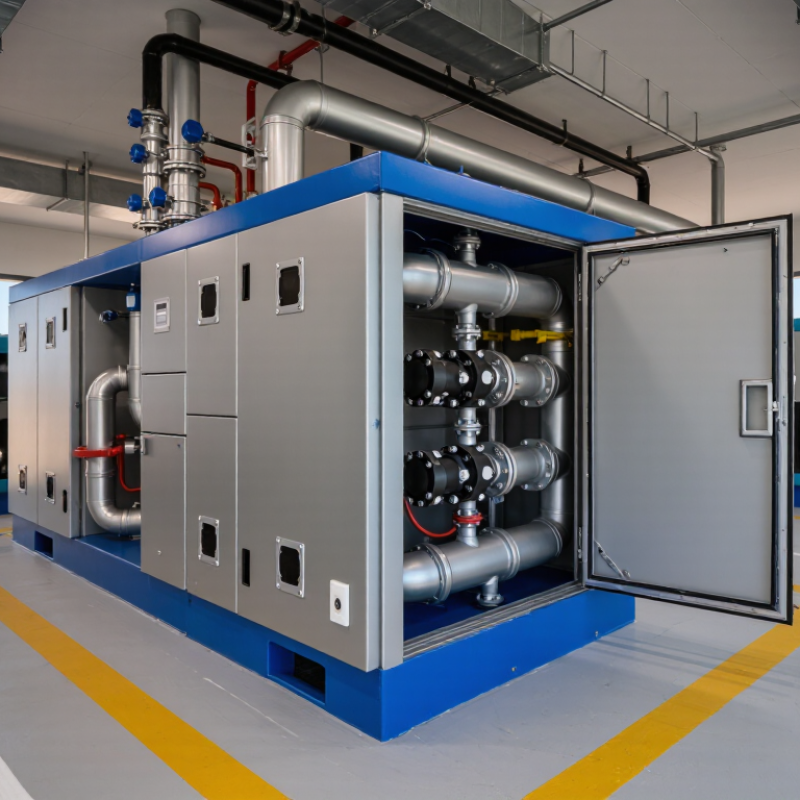
2026 Best High Pressure Compressor Systems for Global Buyers

High-Pressure Compressor Systems: Definition, Purpose, and Core Functions

High-Pressure Compressor Systems: Definition, Purpose, and Core Functions

A high-pressure compressor system raises gas pressure far above normal plant supply levels. It uses mechanical power to reduce gas volume and increase pressure. Unlike a simple compressor, it often includes several compression stages. Each stage adds pressure under controlled conditions. Interstage coolers remove heat before the gas enters the next stage. This design improves efficiency and protects internal components. The final pressure depends on the application, gas type, flow rate, and operating temperature.

Its purpose is practical. These systems support gas storage, process equipment, pressure testing, instrumentation, and controlled industrial operations. A complete system may include inlet filters, moisture separators, dryers, check valves, pressure vessels, sensors, and safety relief devices. Every component has a role. Filtration protects valves and cylinders. Drying reduces corrosion and freezing risks. Monitoring helps operators identify overheating, vibration, pressure loss, or unusual oil carryover.

Safety remains central. Reliable systems use automatic shutdowns, pressure alarms, guarded moving parts, and documented inspection routines. In practical field checks, small leaks often reveal larger maintenance weaknesses. No system is perfect. Buyers should review duty cycles, service access, spare parts, noise levels, and energy use before selection. A technically powerful unit may still perform poorly when cooling is inadequate or maintenance is neglected. Clear records, trained operators, and verified test data support dependable long-term operation for global buyers.

Key Technologies Used in Modern High-Pressure Compressor Systems

Modern high-pressure compressor systems rely on several linked technologies, not one oversized machine. Multi-stage compression reduces discharge temperature and improves pressure stability. Intercoolers remove heat between stages, while high-strength alloy components tolerate repeated pressure cycles. For sensitive gases, dry-running seals reduce contamination risks. ISO 1217 performance testing helps buyers compare capacity, power consumption, and efficiency under defined conditions.

Variable-speed drives adjust output when demand changes. This matters because the U.S. Department of Energy reports that compressed-air leaks can waste 20–30% of system output. Pressure sensors, flow meters, and vibration monitoring can identify these losses earlier. Digital controls also support predictive maintenance, but poor sensor calibration can create false warnings. Small details matter. A dirty inlet filter may increase energy use before operators notice any pressure loss.

Energy recovery is another practical technology. Intercooler and aftercooler heat can support process water or building heating. The IEA estimates that motor-driven systems consume about 46% of global electricity, making compressor efficiency commercially significant. Buyers should review full-load and part-load data, not only the headline efficiency figure. A system that performs well in a laboratory may behave differently in a dusty plant, a hot climate, or a facility with unstable power. That gap deserves honest evaluation.

How to Compare Compressor Capacity, Pressure, Efficiency, and Reliability

For global buyers, compressor capacity should match real demand, not an optimistic production forecast. Check flow at the required pressure and temperature. A system rated for 1,000 cubic meters per hour may deliver less in hot conditions. Field assessments often reveal this gap. That matters. Review peak demand, average demand, and future expansion separately.

Pressure ratings also need careful comparison. Confirm working pressure, maximum pressure, and pressure stability during sudden load changes. Higher pressure is not automatically better. It may increase energy use, heat, and maintenance needs. Efficiency should be measured with specific energy consumption, such as kilowatt-hours per cubic meter. Request test data under operating conditions similar to your site. Catalog figures can look impressive. They can also mislead.

Reliability depends on more than a strong frame. Examine service intervals, cooling design, control-system protection, spare-part access, and documented endurance testing. Ask for maintenance records and failure data when available. Consider dust, humidity, altitude, and unstable power supplies. These details change performance. A pressure relief system and verified safety controls are essential. One imperfect purchasing habit is comparing purchase price alone. A cheaper compressor can create higher downtime costs later. Still, even reliability estimates contain uncertainty, so allow inspection time and challenge unsupported claims.

Global Standards, Safety Requirements, and Maintenance Considerations

High-pressure compressor systems for global buyers must be evaluated beyond output, price, and delivery time. Compliance begins with recognized standards such as ISO safety practices, pressure-vessel requirements, and applicable electrical codes. Requirements vary by destination, so buyers should verify local certification with qualified inspectors before purchase.

Safety features need practical testing. Pressure relief devices, emergency stops, guards, temperature sensors, and automatic shutdown controls should be clearly documented. Operators need training for startup, isolation, and abnormal noise. Small leaks matter. In real installations, poor ventilation can raise oil mist and heat levels, even when the compressor appears correctly installed. A neat specification sheet cannot replace a site risk assessment.

Maintenance planning should include oil analysis, filter replacement, belt or coupling checks, vibration monitoring, and calibrated pressure gauges. Service intervals must reflect dust, humidity, duty cycles, and spare-parts access. Keep digital records with dates, readings, repairs, and technician names.

Records protect decisions. However, maintenance schedules are not perfect; an overlooked valve or unusual vibration may reveal a weakness earlier than planned. Buyers should request inspection access, clear warranty terms, and support procedures before signing a contract. Reliability depends on disciplined operation, not equipment alone.

Selecting the Best High-Pressure Compressor System for Different Industries

Selecting a high-pressure compressor system begins with the industry’s real operating demands, not the advertised maximum pressure. Oil and gas facilities may require continuous duty, stable flow, and corrosion-resistant materials. Manufacturing plants often prioritize fast response, low vibration, and simple maintenance access.

Medical gas systems need exceptional cleanliness, monitoring, and documented quality controls. Food packaging applications may require oil-free compression to protect product safety. Laboratory users usually need precise pressure regulation, quiet operation, and dependable performance during long testing cycles. Small details matter.

Match the compressor to the gas type, required pressure, flow rate, duty cycle, and installation environment. A unit designed for intermittent workshop use may fail under continuous industrial demand. Heat removal also deserves attention. A hot compressor room can reduce efficiency and shorten seal life.

Check filtration, moisture control, pressure relief devices, control systems, and spare-part availability before purchase. Review recognized safety standards and require clear test records from the supplier. Total cost includes electricity, servicing, downtime, and operator training.

A pressure rating alone is not enough. It can mislead.

Engineers should also challenge the initial specification. Real demand may vary by season, shift, or production stage. Oversizing seems safe, but it can increase energy waste and unstable cycling. Undersizing creates pressure drops when production peaks. The best choice is often a carefully monitored compromise, with room for future expansion but no unnecessary capacity.

2026 Best High-Pressure Compressor Systems for Global Buyers

Selecting the Best High-Pressure Compressor System for Different Industries

The chart shows representative pressure levels commonly considered during high-pressure compressor system sizing. Hydrogen refueling and diving-air applications require the highest pressure classes, while PET manufacturing and laser cutting typically operate at lower pressures. Final selection should also consider gas type, required flow rate, duty cycle, cooling method, energy efficiency, safety regulations, and local certification requirements.

FAQS

Why do modern high-pressure compressor systems use multiple compression stages?

Multiple stages improve pressure stability and reduce discharge temperature. Intercoolers remove heat between stages. This can protect seals and improve efficiency. One large stage is not always better.

How should compressor capacity be matched to actual demand?

Compare peak demand, average demand, and planned expansion separately. Check flow at the required pressure and temperature. Hot conditions may reduce actual output. A unit rated at 1,000 cubic meters per hour may deliver less onsite.

What efficiency information should buyers request?

Request specific energy consumption, such as kilowatt-hours per cubic meter. Review both full-load and part-load performance. Test conditions should resemble the real facility. Catalog figures can mislead.

How can variable-speed drives reduce wasted energy?

Variable-speed drives adjust output when demand changes. They can reduce unnecessary operation during low-demand periods. Leak detection is also important because leaks may waste 20–30% of output. Small leaks still matter.

Which monitoring tools support compressor reliability?

Pressure sensors, flow meters, and vibration monitoring reveal performance changes. Digital controls can support predictive maintenance. Poor calibration may create false warnings. A dirty inlet filter can increase energy use quietly.

What environmental conditions should influence compressor selection?

Consider dust, humidity, altitude, temperature, and unstable power supplies. A hot compressor room may reduce efficiency and shorten seal life. Cooling design deserves close inspection. Real sites are rarely perfect.

How do different industries require different compressor features?

Continuous industrial operations may need stable flow and corrosion-resistant materials. Medical applications require cleanliness, monitoring, and documented quality controls. Food packaging may require oil-free compression. Laboratories often need quiet, precise pressure control.

How should buyers evaluate compressor reliability and total cost?

Review service intervals, maintenance access, spare-part availability, and endurance records. Include electricity, servicing, downtime, and operator training in the calculation. A cheaper unit may create higher downtime costs later. Still, reliability estimates contain uncertainty. Allow time for inspection.

Conclusion

A High Pressure Compressor System is engineered to compress and deliver gases at elevated pressures for demanding industrial applications. Its core functions include stable gas flow, pressure control, energy conversion, cooling, filtration, and protection against overload or abnormal operating conditions. Modern systems may combine advanced compression stages, variable-speed drives, intelligent monitoring, improved sealing, efficient cooling, and automated control technology to achieve dependable performance while reducing energy consumption.

When comparing systems, global buyers should assess capacity, maximum working pressure, efficiency, noise, durability, serviceability, and lifecycle cost rather than focusing on one specification alone. Compliance with applicable international safety and quality standards, pressure-vessel requirements, electrical regulations, and workplace procedures is essential. Regular inspection, lubrication, filter replacement, leak testing, vibration monitoring, and scheduled maintenance help preserve reliability. The best solution depends on the industry, gas characteristics, operating environment, duty cycle, installation space, and required output, making a careful technical and total-cost evaluation important for long-term value.

Isabella

Isabella

Isabella is a dedicated marketing professional with a sharp focus on driving brand growth and engagement through strategic content creation. With an extensive background in digital marketing, she combines her passion for storytelling with her keen understanding of industry trends to deliver......