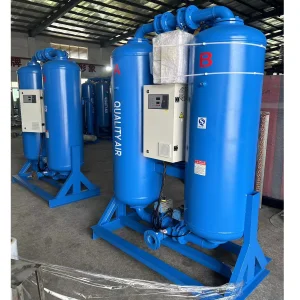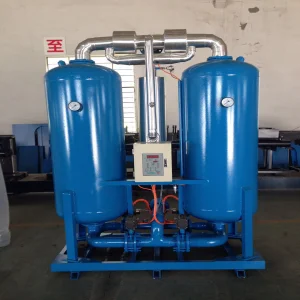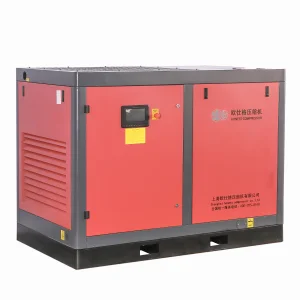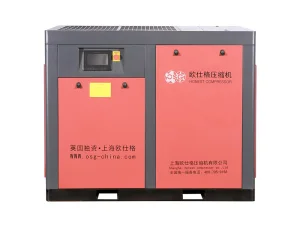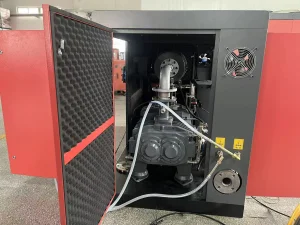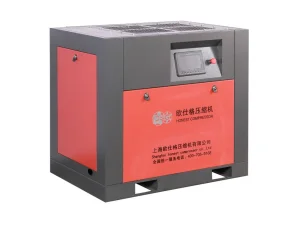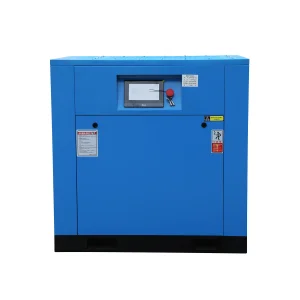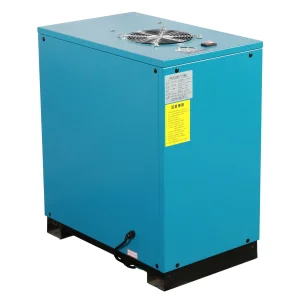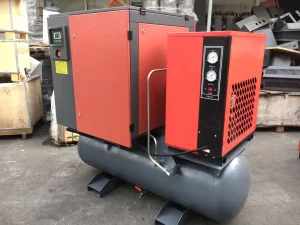
In modern industrial processing, the removal of water vapor from compressed air systems is not merely a preference; it is a critical operational mandate. At the center of high-purity air production is the adsorption air dryer, a device designed to achieve pressure dew points (PDP) down to -40°C or even -70°C. Compared to standard refrigerated air dryers, which are bounded by the freezing point of water (typically delivering a +3°C PDP), adsorption systems use desiccant media to extract trace vapor molecules from the air stream.
Utilizing activated alumina, molecular sieves, and silica gels to maximize surface area contact and selectively capture moisture molecules without degrading the flow volume.
Leveraging heatless pressure swing adsorption (PSA) or heat-regenerated processes to purge moisture and prepare desiccant beds for continuous, round-the-clock operation.
Maintaining rock-solid -40°C to -70°C dew points to satisfy ISO 8573-1 Class 1 and Class 2 air purity standards, protecting downstream valves, robotics, and end products.
Industrial desiccant dryers utilize two primary thermodynamic mechanisms to regenerate the desiccant beds once they become saturated with moisture: Pressure Swing Adsorption (PSA) and Temperature Swing Adsorption (TSA).
Pressure Swing Adsorption (Heatless Dryers): In a PSA configuration, regeneration occurs under ambient temperature by dropping the operating pressure of the saturated chamber to atmospheric levels. A portion of the dried process air (typically 12% to 15% purge air) is expanded and passed counter-currently through the wet desiccant bed, stripping the moisture away. This method is highly reliable due to its mechanical simplicity and absence of heating elements, making it ideal for compact installations like the 0.6m³-60m³ range.
Temperature Swing Adsorption (Heated / Micro-heat Dryers): TSA systems, such as micro-heat regeneration dryers, utilize external or internal heaters to warm up the purge air before it sweeps the desiccant bed. Because warm air has a significantly higher moisture-carrying capacity, TSA systems dramatically reduce the volume of compressed purge air required (often down to 3% to 5%). While the initial capital expenditure is higher due to heating components and insulated vessels, the long-term energy savings in large-scale factories make it the preferred configuration for high-volume operations.
| Adsorption Dryer Type | Regeneration Purge Loss | Typical Dew Point Performance | Optimal Applications | Relative Operational Cost |
|---|---|---|---|---|
| Heatless Regenerative (PSA) | 12% - 15% of Inlet Flow | -40°C to -70°C | Small-to-medium systems, explosion-proof zones | Low CapEx / High Purge Cost |
| Micro-Heat Regenerative (TSA) | 3% - 6% of Inlet Flow | -40°C | Medium-to-large industrial manufacturing | Medium CapEx / Moderate Energy Cost |
| Blower Purge (Heated External) | 0% - 3% of Inlet Flow | -40°C | Heavy manufacturing, large factories | High CapEx / Low Air Consumption |
| Heat of Compression (HOC) | 0% Purge Loss | -20°C to -40°C | Large oil-free screw compressor installations | High CapEx / Lowest Operating Cost |
Procuring adsorption air dryers from overseas manufacturers requires a holistic evaluation framework. Beyond unit pricing, operations directors and procurement specialists must systematically audit factories against critical performance, safety, and regulatory benchmarks.
Because desiccant dryers function under high internal pressures, the manufacturing process must align with local regional certifications. Top-tier manufacturers design and construct vessels compliant with the ASME Section VIII Boiler and Pressure Vessel Code in North America, the Pressure Equipment Directive (PED) 2014/68/EU in Europe, and national standard certifications such as SQL in China. Sourcing from a factory that holds ISO 9001 and CE certifications ensures the structural integrity of the steel vessels and minimizes risk at the import boundary.
The single largest cost of ownership for a desiccant air dryer is the energy consumed by purge air loss or heating elements. Procurement specialists should prioritize manufacturers offering Dew Point Dependent Switching (DDS) controllers. Standard timers switch chambers at fixed intervals, regardless of actual humidity loads, wasting energy. DDS uses integrated hygrometers to monitor the outlet dew point and only switches the beds when desiccant saturation occurs, reducing purge air losses by up to 50% under partial-load conditions.
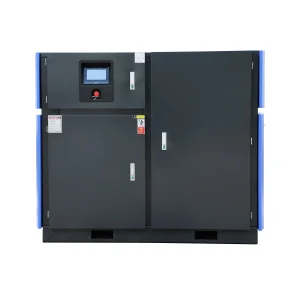
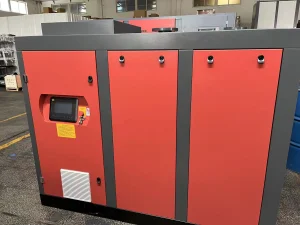
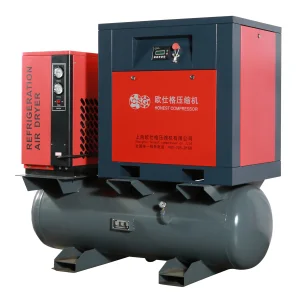
In many modern factory setups, sourcing a standalone dryer leads to alignment difficulties during field installation. Integrated solutions (such as "Four in One" and "All in One" rotary screw compressors with built-in tanks, filters, and desiccant dryers) eliminate compatibility issues. Sourcing matching pre-filters (to remove bulk liquid water and oil aerosols that can contaminate desiccant beds) and post-filters (to capture desiccant dust) directly from the manufacturer guarantees that the system is optimized from day one.
Clean, dry compressed air is a foundational utility across countless high-tech industries. The degree of dryness required varies significantly depending on the susceptibility of the process to moisture contamination.
In silicon wafer manufacturing, any presence of water vapor or trace hydrocarbons can result in catastrophic chip defects. Adsorption air dryers providing a steady -70°C dew point are critical here. These dryers prevent the oxidation of micro-circuits and ensure the proper functioning of high-precision pneumatic handling tools within cleanrooms.
Moisture in compressed air lines used for mixing ingredients, conveying powders, or packaging medications can foster microbial growth and ruin batch purity. Dryers built for the pharmaceutical industry are designed to exceed ISO 8573-1 Class 1 specifications, removing water vapor to levels where bacteria and molds cannot survive, guaranteeing aseptic processing conditions.
In high-end spray painting, moisture or oil in the air line causes paint defects such as blistering, fisheyes, and poor adhesion. Integrating a desiccant air dryer with oil-cooled permanent magnet variable frequency screw compressors ensures dry, oil-free air delivery, yielding flawless finishes and reducing paint shop rework costs.
When compressed air cools inside a distribution network, water vapor condenses into liquid water. This liquid strips away lubricants from pneumatic tools, corrodes internal steel piping, and fouls precision pneumatic instrumentation. Our desiccant dryers strip this vapor out before it ever enters your piping network.
Oil aerosol carryover from lubricated compressors acts as a barrier on desiccant beads, blocking the pores and permanently degrading adsorption capacity. We highly recommend utilizing oil-free screw compressors or high-efficiency coalescing pre-filters upstream of our adsorption dryers to guarantee longevity.
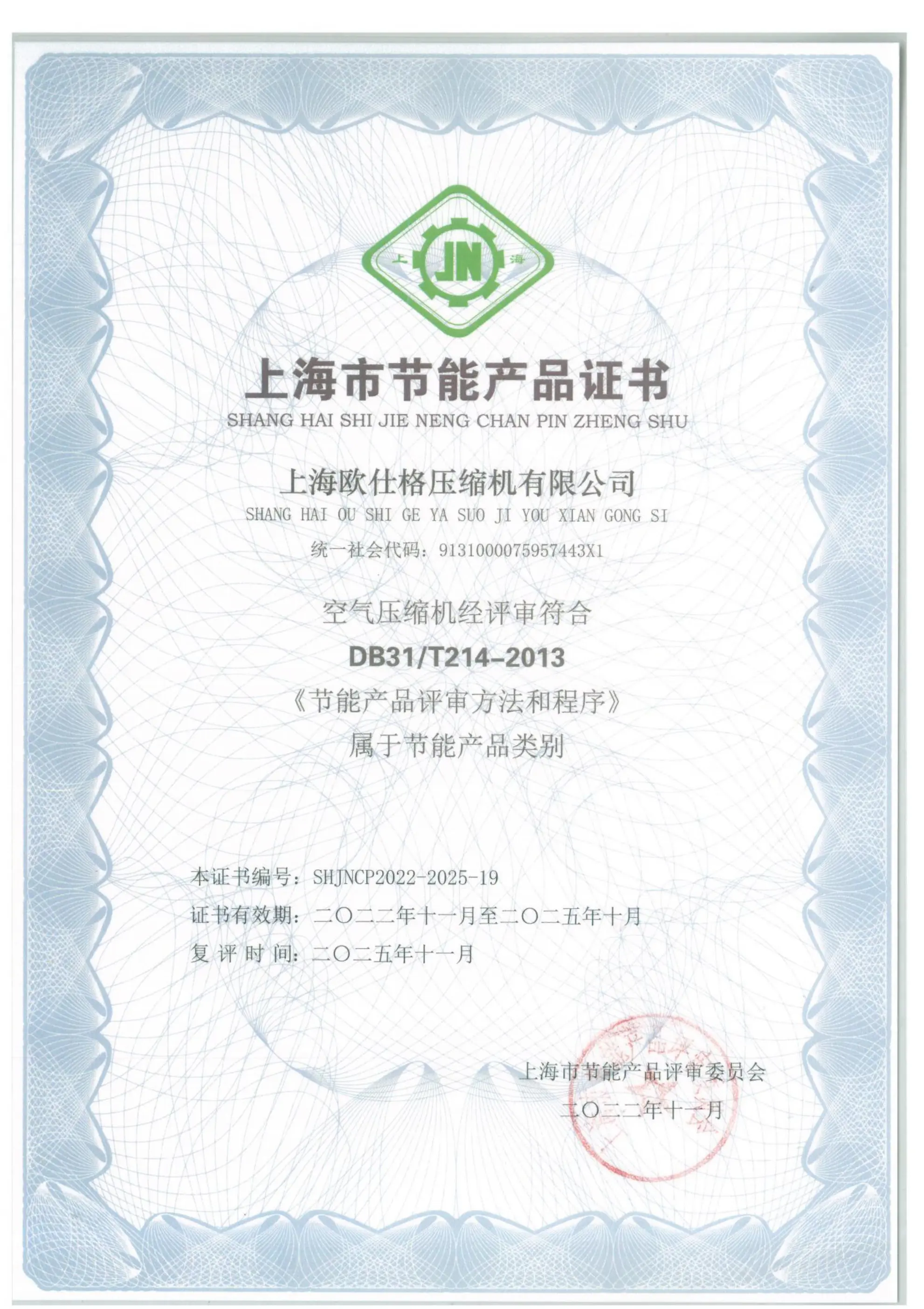
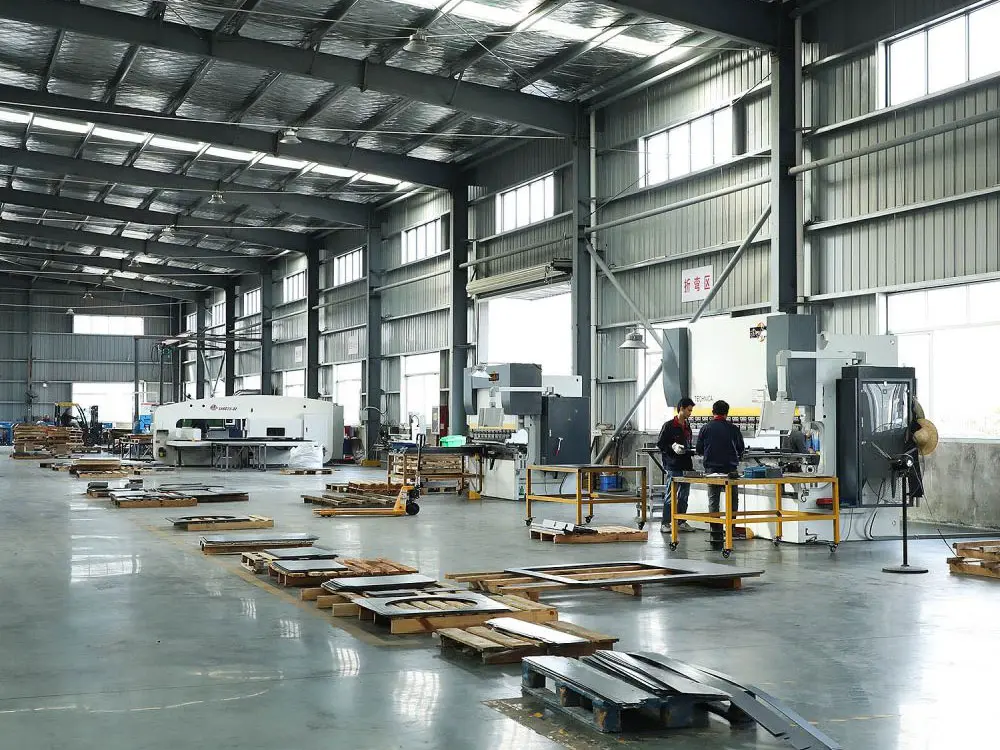
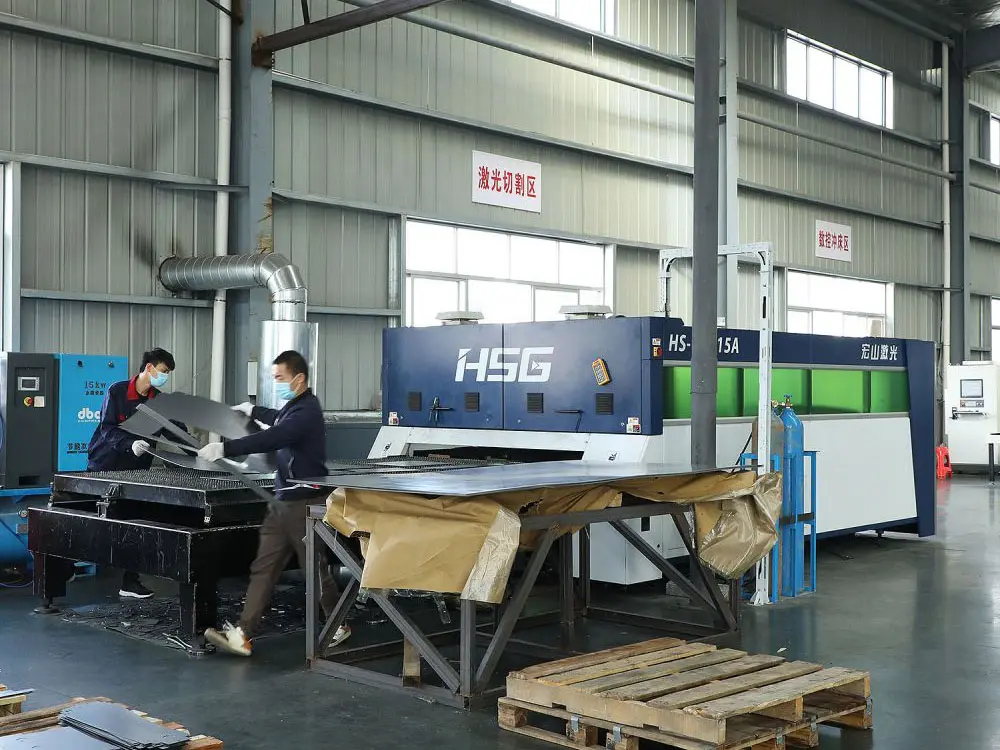
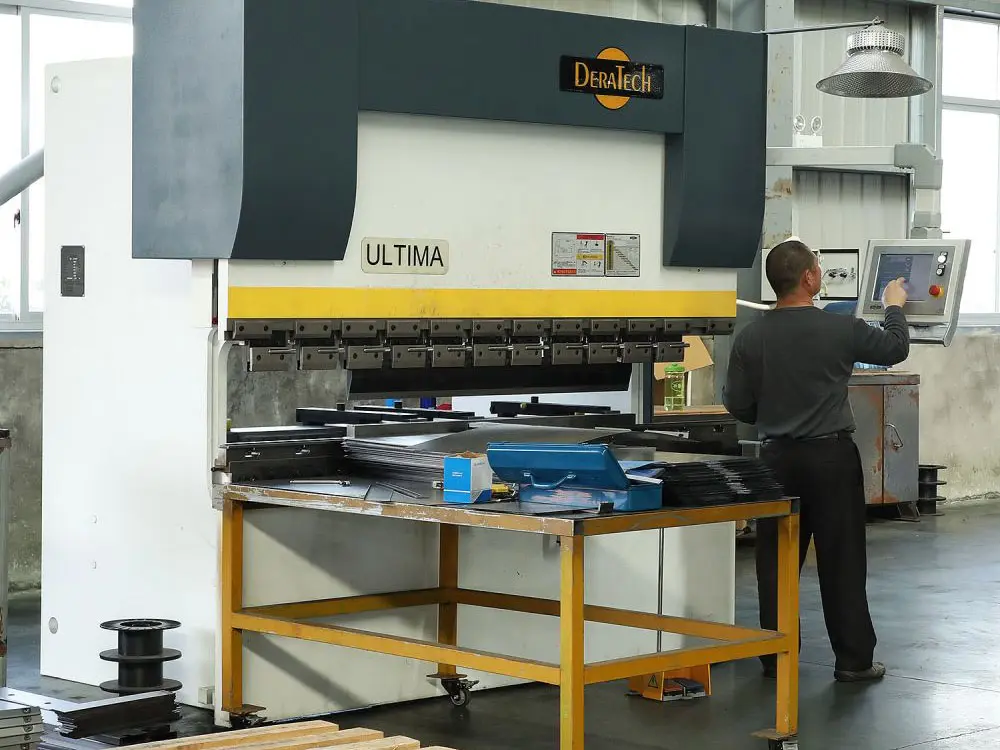
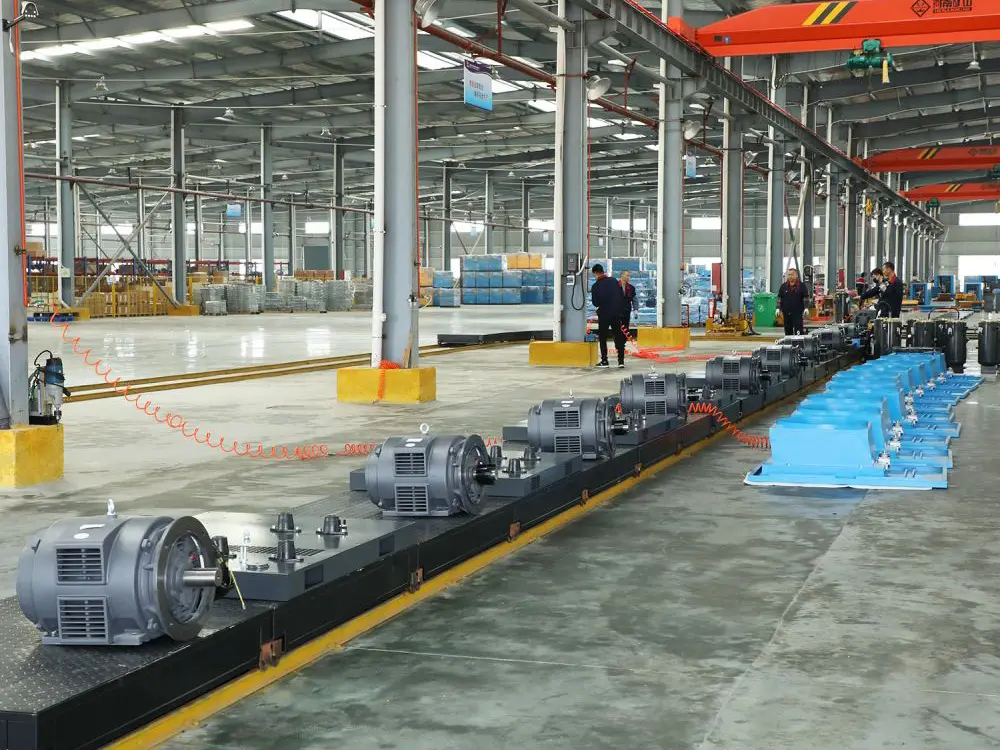
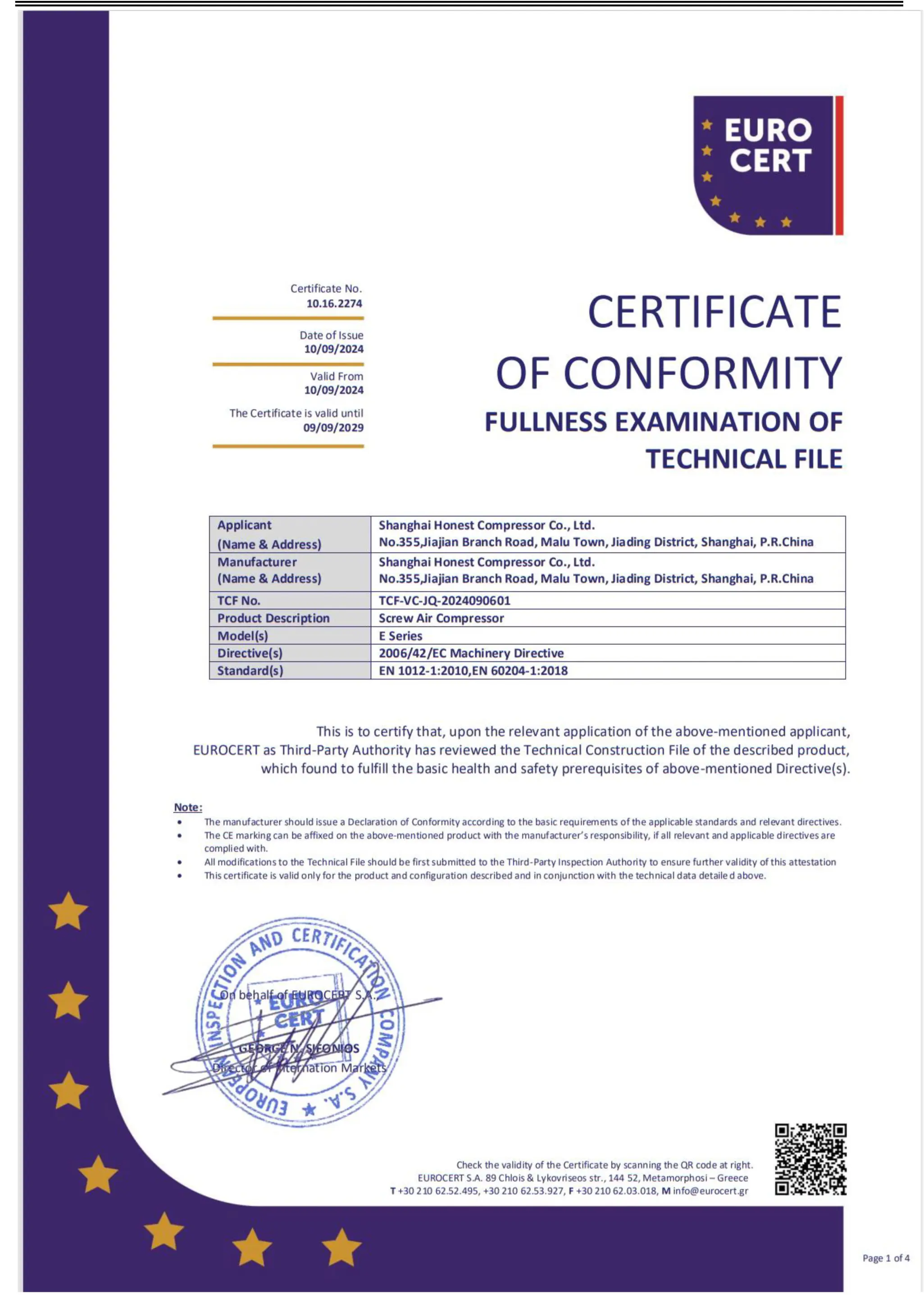
Shanghai Honest Compressor Co., Ltd. is a British-owned enterprise, founded in early 2004. Our primary manufacturing facility is located at NO. 355 Jiajian Branch Road, Malu Town, Jiading District, Shanghai, China. Over the last two decades, we have developed into a leading industrial manufacturer specializing in the production of twin-screw air compressors and comprehensive air treatment system solutions in China.
Our expansive product catalog spans various categories, ensuring we can supply a fully optimized, end-to-end air generation package. Our capabilities include:
We pride ourselves on offering complete engineering support, free on-site design consultancy, energy-saving calculations, and global localized support to optimize your operational expenses.
The industrial gas and dry vacuum machinery market is undergoing a structural transition driven by the necessity for automation, intelligence, and carbon neutrality. According to recent market analysis, sectors like the Dry Vacuum Pump Market are expected to reach US$ 8.28 billion by 2034, registering substantial compound annual growth from its current base in 2024/2025. This growth directly correlates with the rising demand for clean, oil-free environments in pharmaceutical, chemical, and electronic production.
In response to these trends, we are investing heavily in integrating IoT nodes and AI-driven control models into our compressor and adsorption dryer systems. Future air stations will not run on isolated loops. Instead, the compressor’s variable frequency drive and the adsorption dryer's regeneration cycle will communicate dynamically. By sharing load forecasts, flow rate surges, and real-time dew point changes, the system can self-optimize to eliminate purge loss during idle hours.
We are actively researching environmentally safe, low-activation-energy desiccant materials. Traditionally, regenerating desiccant beads requires high thermal energy. Next-generation molecular sieves will release water molecules at lower temperatures, saving up to 20% more electrical power during heating cycles, contributing directly to your factory’s carbon reduction goals.
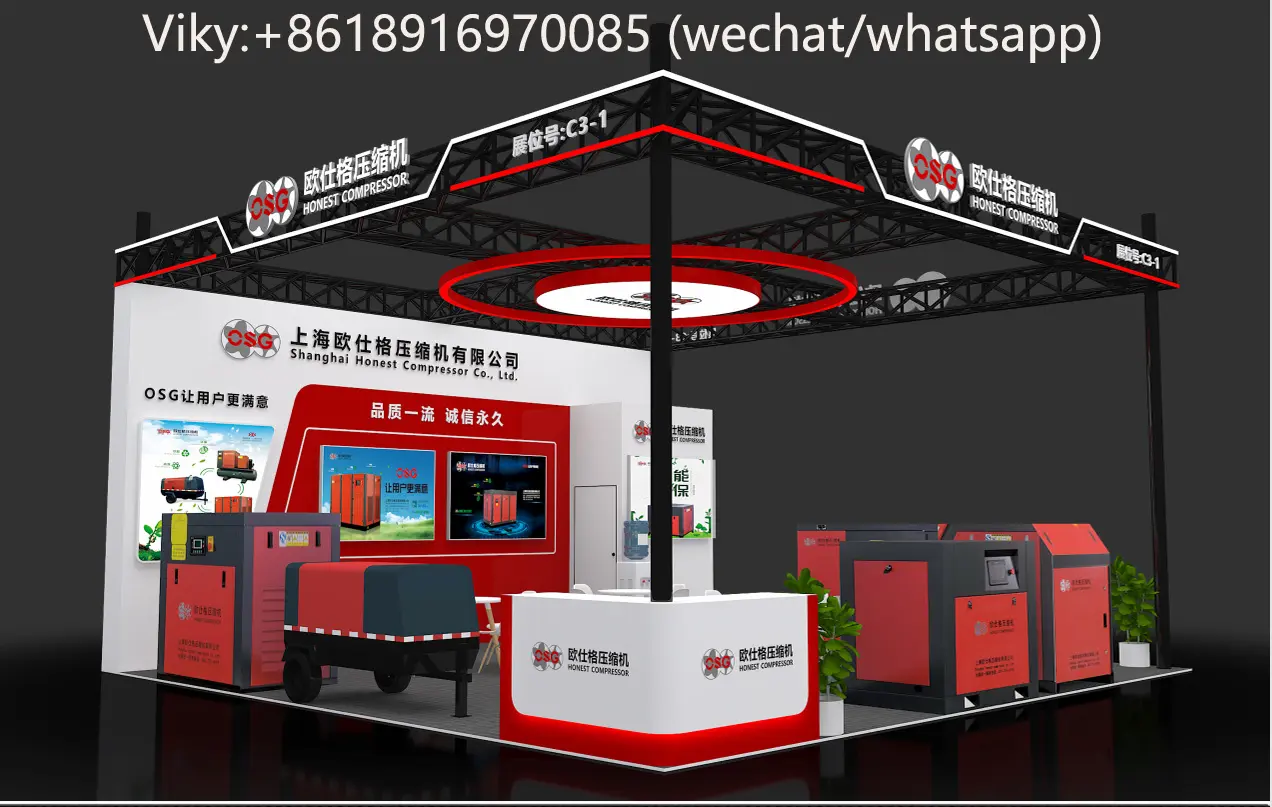
According to MRFR analysis, the dry vacuum pump market size is valued at US$ 5.97 billion in 2024. The dry vacuum pump market is expected to grow from US$ 6.17 billion in 2025 to US$ 8.28 billion in 2034. Our engineering teams participate in global energy exhibitions yearly to demonstrate the synergy between dry vacuum systems, screw air compressors, and our heatless and heated desiccant air dryers.