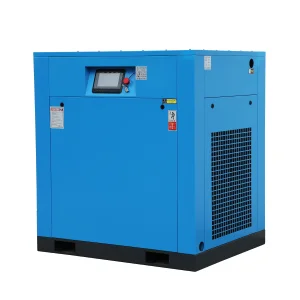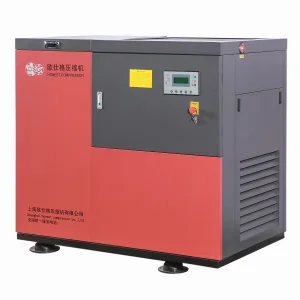
Explore our premium-engineered air dryers and compressed air systems designed to yield maximum energy efficiency and eliminate moisture completely.
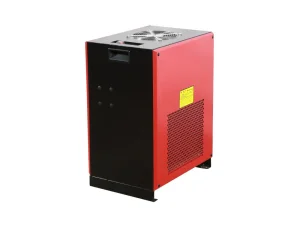
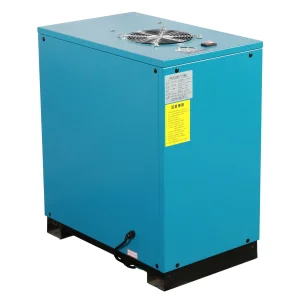
Why moisture control is a critical component of high-efficiency compressor operations.
In modern manufacturing environments, compressed air is often referred to as the fourth utility. However, ambient air entering an air compressor contains significant amounts of moisture, dust particles, and vaporized oil. When this air undergoes compression, the partial pressure of water vapor increases proportionally, raising the dew point. If left untreated, this vapor condenses into liquid water inside distribution pipelines, causing rust, mechanical wear of pneumatic tools, valve clogging, and product contamination. Working alongside an experienced air dryer supplier ensures that industrial operations can maintain the strict quality thresholds demanded by today's automated machinery.
According to the International Organization for Standardization's guidelines (ISO 8573-1:2010), compressed air quality classes are defined by specific particulate sizes, residual oil contents, and pressure dew points (PDP). To meet the stringent requirements of class 1, 2, or 3, manufacturers must incorporate refrigeration or desiccant-based air dryers into their design schemes. A refrigerated dryer typically cools the compressed air down to approximately +3°C to +10°C, causing vapor to condense into liquid, which is then expelled via automatic drain valves. For ultra-dry environments requiring a dew point of -40°C or even -70°C, adsorption-based desiccant dryers are deployed to strip away moisture molecules at a molecular level.
A technological analysis to align equipment procurement with dynamic operational demands.
Utilizing eco-friendly refrigerants like R134a, R407c, and R410A, refrigerated systems cool air to trigger condensation. Non-cycling dryers run the refrigeration compressor continuously, maintaining a steady dew point. Cycling variants dynamically regulate refrigeration output according to load changes, offering significant electricity savings for plants with fluctuating demand profiles.
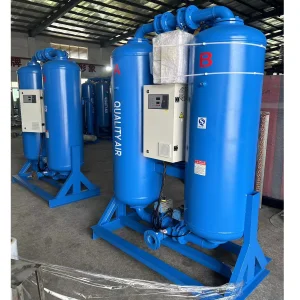
These systems rely on dual pressure vessels filled with activated alumina or molecular sieve beads. As wet air flows through the online chamber, the desiccant adsorbs water molecules. Simultaneously, a portion of dry air is expanded and routed through the offline tower to strip away captured moisture, achieving dew points as low as -40°C to -70°C without heat.
To reduce purge air waste (typically 15% in heatless models), heated purge dryers heat the regeneration air stream. Blower purge dryers draw atmospheric air, heat it, and blow it through the regenerating bed. This technology minimizes compressed air loss to less than 3%, optimizing the total operational efficiency of large-scale plants.
The rated capacity of any air dryer drops significantly as the compressor's discharge air temperature rises. For instance, if the inlet temperature rises from 35°C to 45°C, the moisture load on the dryer doubles. Selecting a heavy-duty factory system with an integrated pre-cooler or sizing the dryer to handle worst-case summer ambient conditions is crucial for preventing condensation downstream.
Uncovering the supply chain efficiencies, design capabilities, and high-performance component integration.
Purchasing directly from established air dryer factories in China provides global enterprises with access to world-class engineering, custom design capabilities, and unparalleled cost structures. China's industrial manufacturing clusters, particularly in regions like Jiangsu, Zhejiang, and Shanghai, are home to highly specialized supply chains. This localized network ensures that high-quality components—such as Danfoss expansion valves, Panasonic hermetic scroll compressors, and advanced microcontroller boards—are integrated with low lead times and under strict quality controls.
Chinese OEM/ODM manufacturing facilities have matured significantly, adopting digital testing benches, robotic welding stations, and strict testing protocols. Furthermore, companies like Shanghai Honest Compressor Co., Ltd. leverage global expertise (including British-backed structural concepts) to engineer multi-stage purification equipment. These factories offer tailored custom services: they can adapt units for hazardous zone configurations, explosion-proof environments, extreme hot and humid climates, or ocean-side operations with saline-resistant coatings.
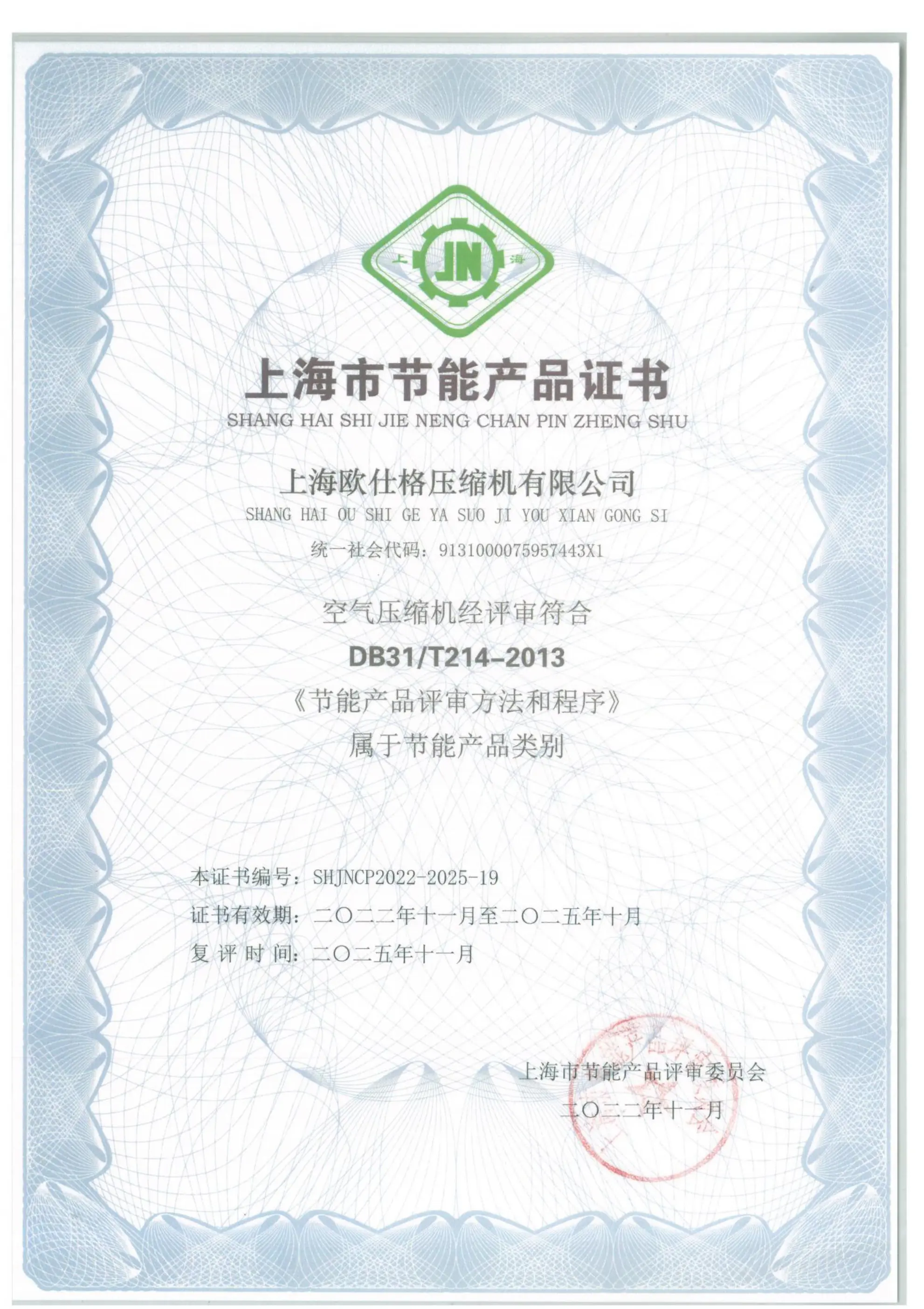
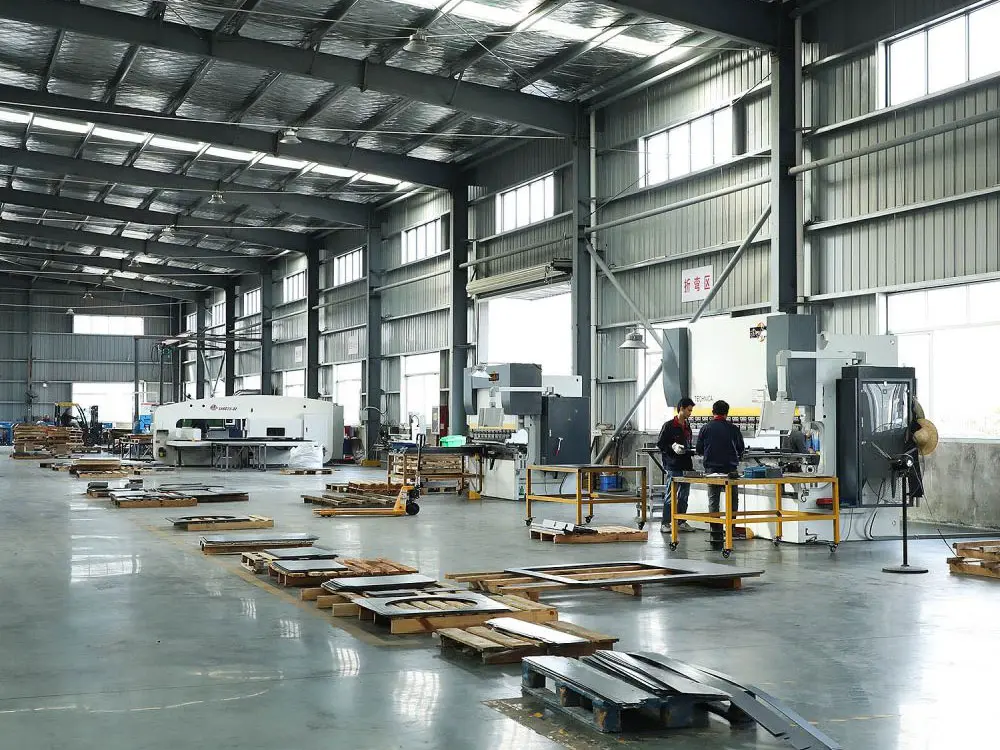
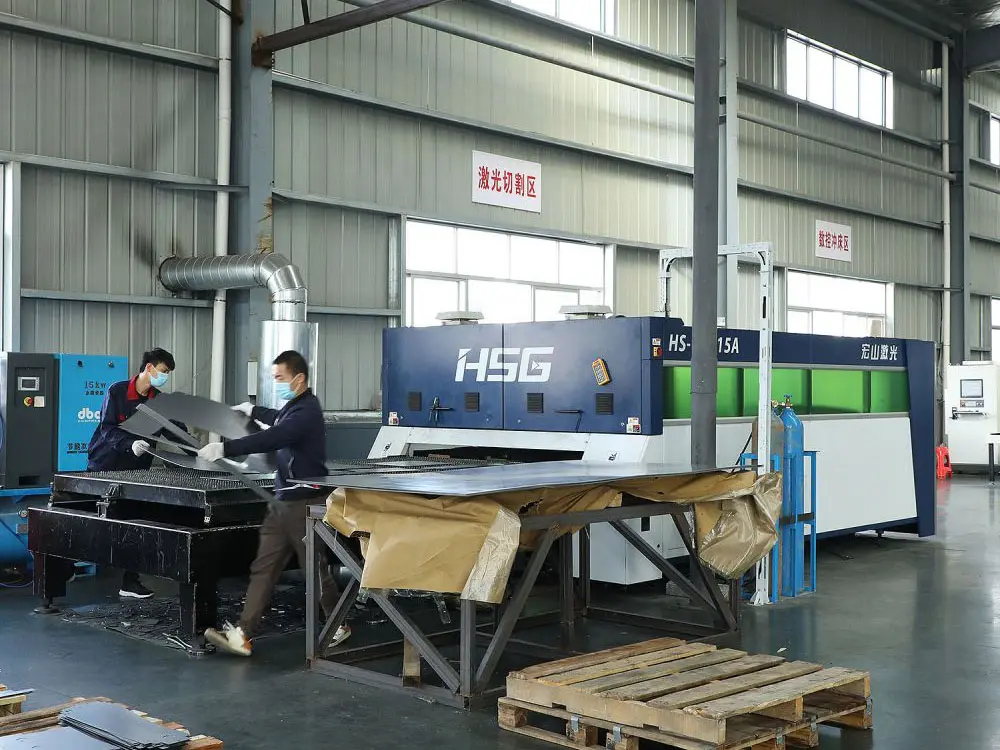
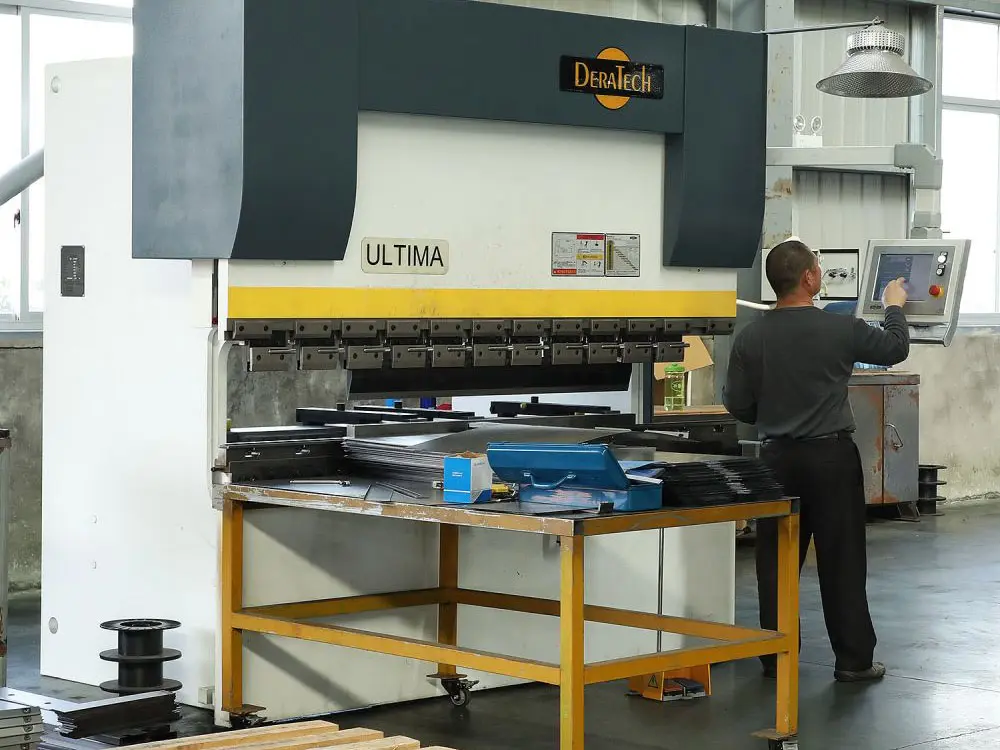
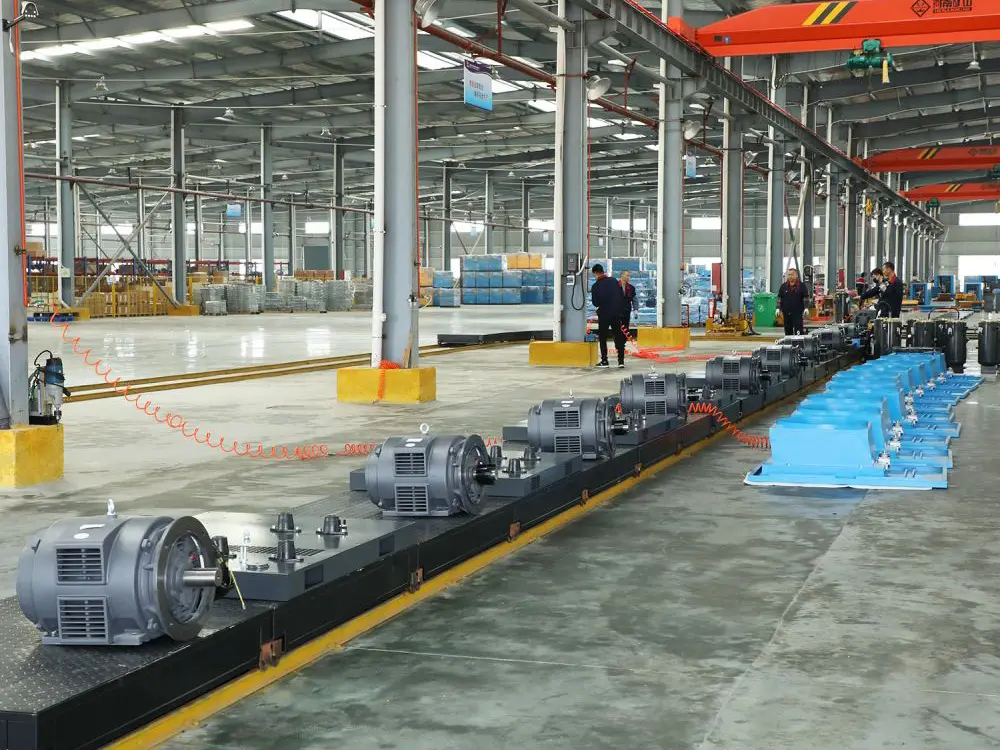
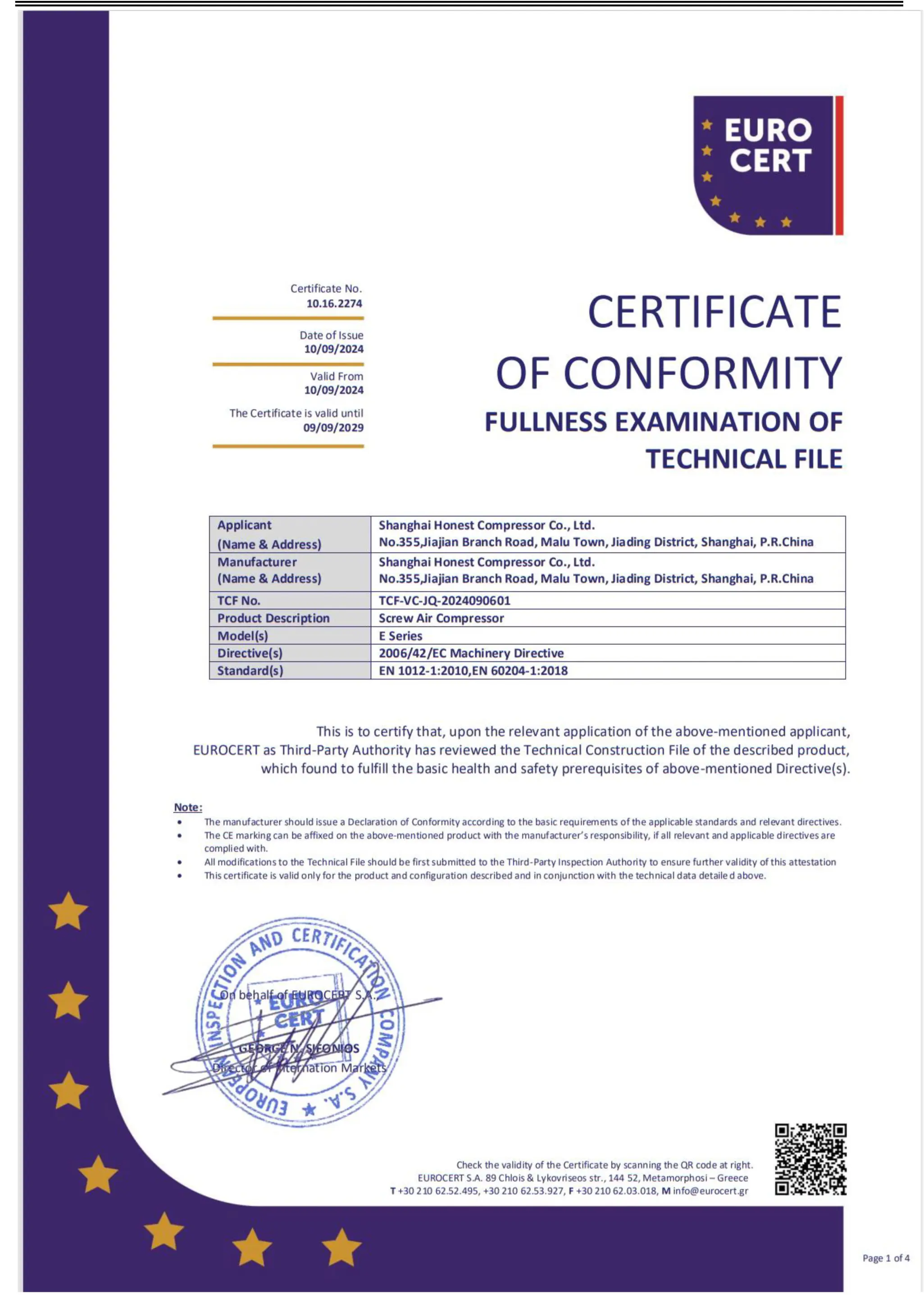
Shanghai Honest Compressor Co., Ltd. is a British-owned enterprise. It was founded in early 2004. The production address is located at NO. 355 Jiajian Branch Road, Malu Town, Jiading District, Shanghai, China. It is a large-scale manufacturing enterprise specializing in the production of twin-screw air compressors in China. At the same time, it is also an important supplier of air system solutions.
We provide various types of piston air compressors (low pressure, medium pressure, high pressure, oil-free air compressors), screw air compressor systems (3KW-480KW various screw air compressors, gas separation equipment, refrigerant compressors, cold dryers, filters, ceramic membrane filtration systems) and various equipment accessories and consumables.
Ensuring operational continuity and product purity across diverse market verticals.
Compressed air is used for pneumatic transport of raw ingredients, bottle blowing, and product packaging. Moisture content must comply with ISO 8573-1 Class 1-2-1. Using an oil-free screw compressor paired with a desiccant air dryer prevents bacterial growth and chemical contamination, keeping consumer safety at the highest level.
Fiber laser machines utilize high-pressure nitrogen or dry compressed air as an assist gas to blow away melted metal during cuts. Moisture or oil trace in the air system can instantly cloud focus lenses, resulting in expensive repair downtime and rough cutting edges. A specialized 20-bar air compressor and dryer setup guarantees immaculate cuts and lens safety.
In cleanroom operations, dry nitrogen and compressed air are essential for microchip lithography and pick-and-place robots. Atmospheric water droplets would instantly destroy microcircuits via oxidation. Adsorption drying units ensuring a pressure dew point of -70°C are required to keep scrap rates low and yield rates high.
Explore the complete industrial-grade product line from Shanghai Honest Compressor Co., Ltd.
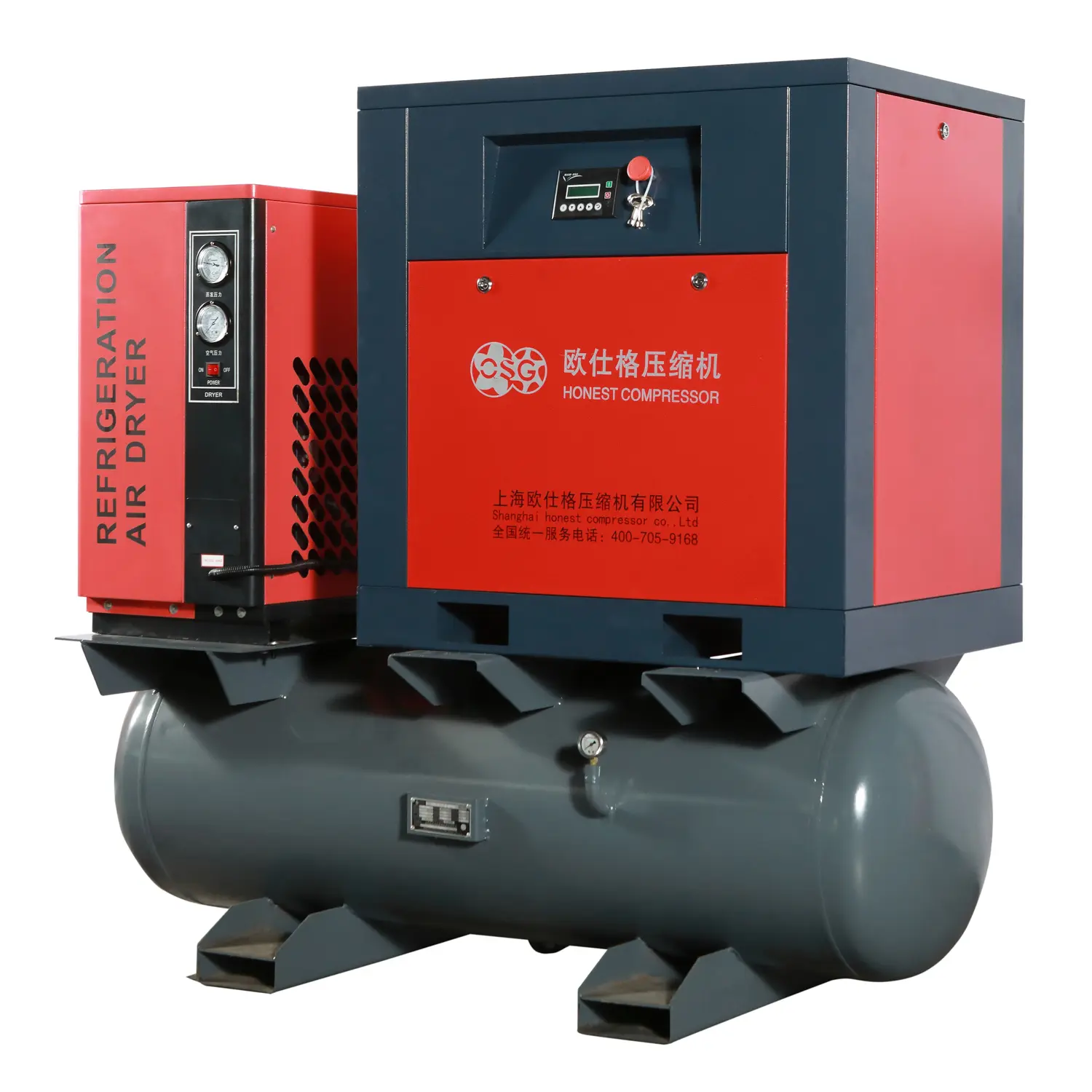
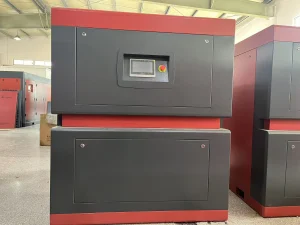
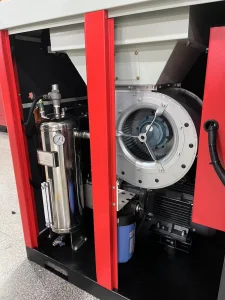
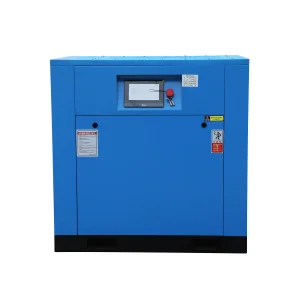
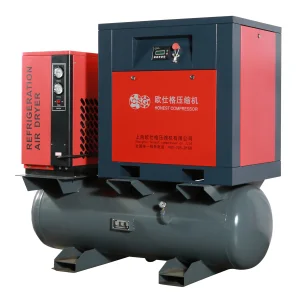
Integrated compact air station incorporating rotary screw air compressor, high-efficiency refrigerated air dryer, clean particulate filters, and structural air receiver tank.
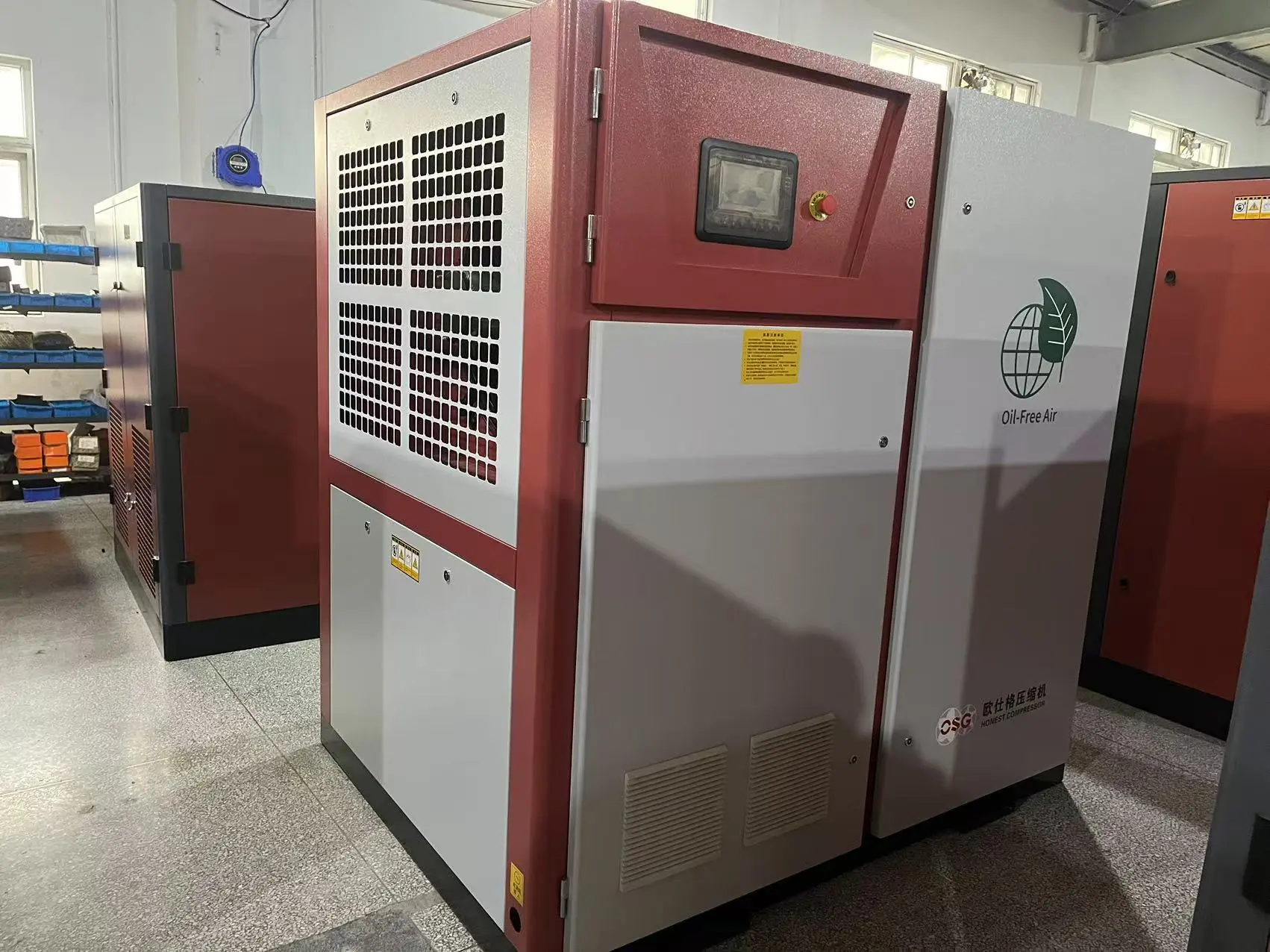
Specifically engineered for pharmaceutical and dental clinics where oil-contamination is strictly forbidden. Features dynamic acoustic soundproofing cabinets.
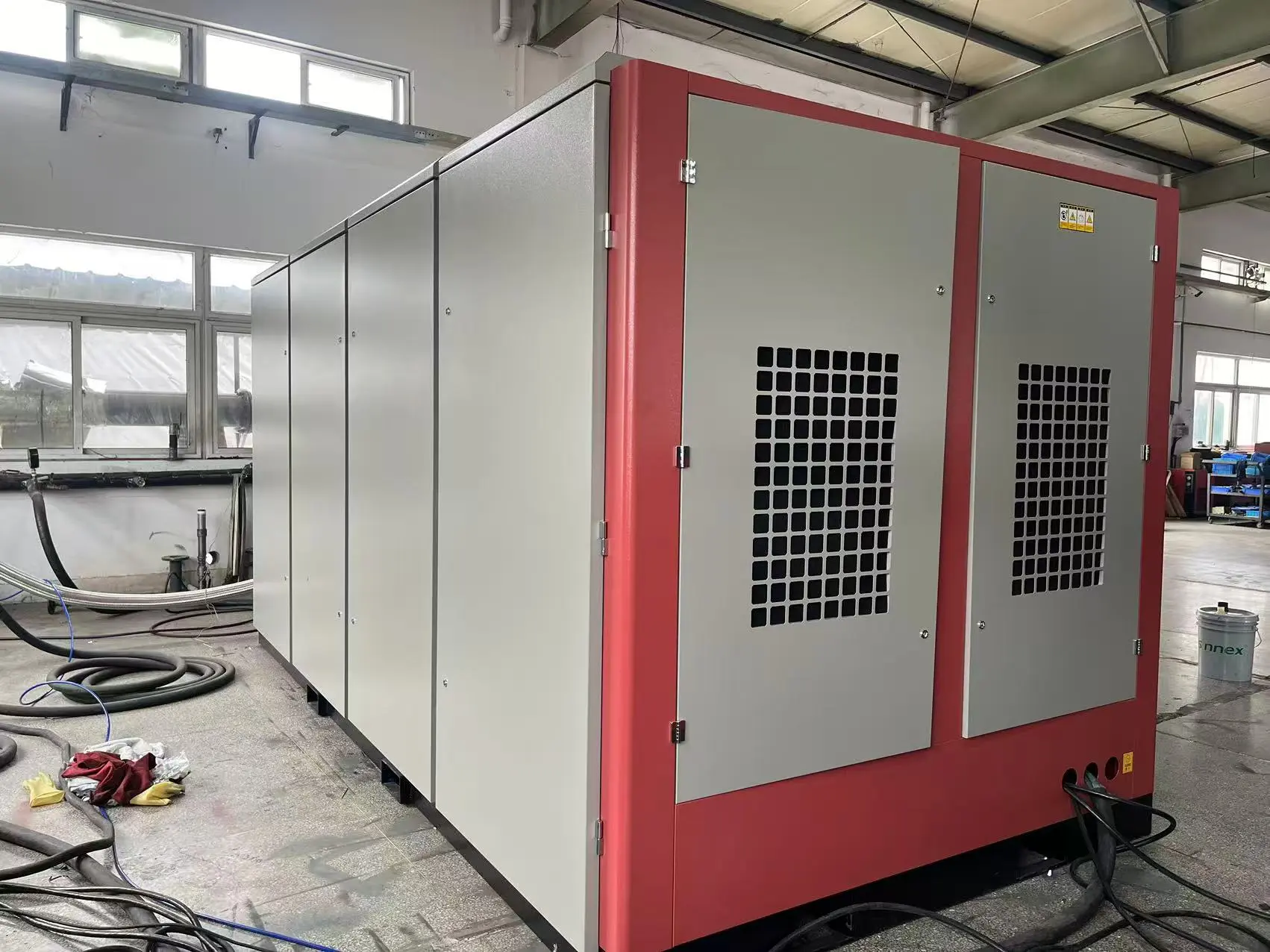
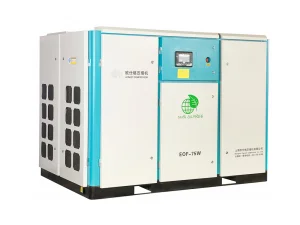
High-volume industrial dry screw air compressor for chemical refining, electronics manufacturing, and heavy-duty textile plants.
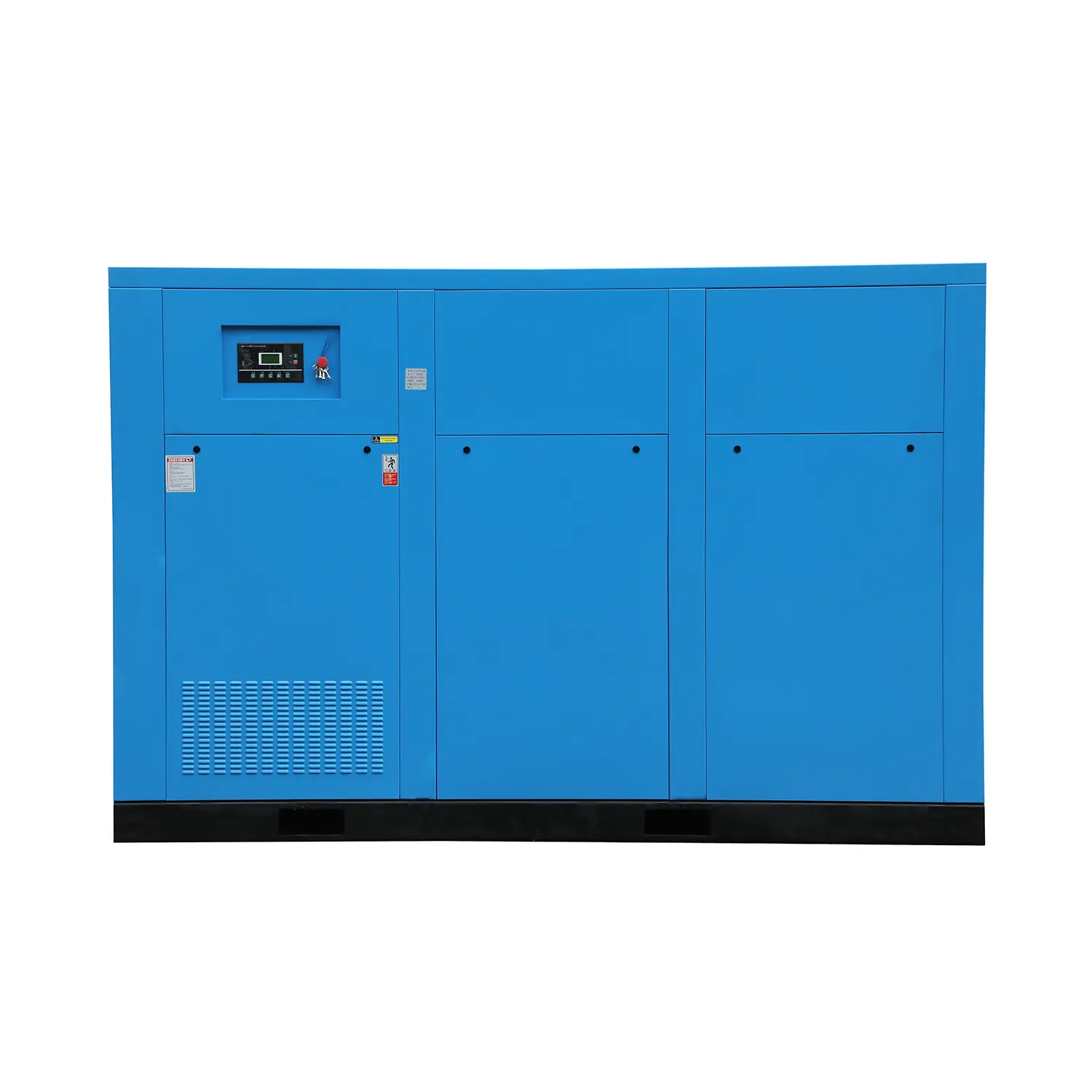
Featuring two stage rotary compression rotors. Minimizes bypass leaks and internal pressure differentials, optimizing energy consumption curves.
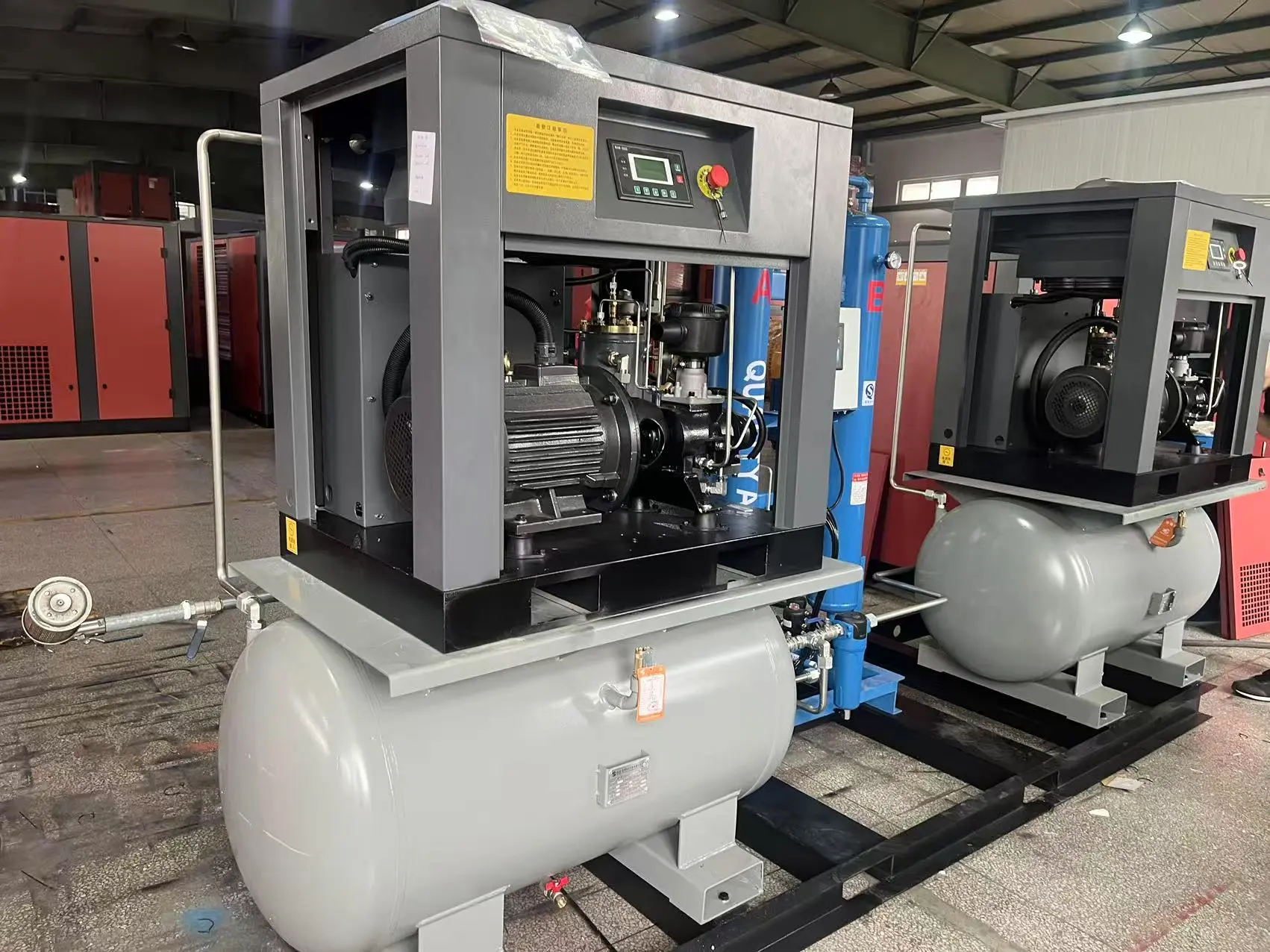
Compact industrial design featuring a dual drive motor system. Maximizes uptime and offers cost-effective footprint space scaling.
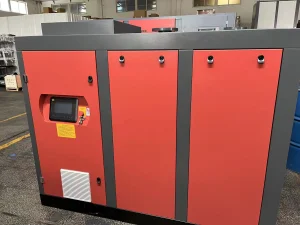
Highly functional continuous-run cabinet system containing built-in refrigerant drying module, filtration units, and large volume air tank receiver.
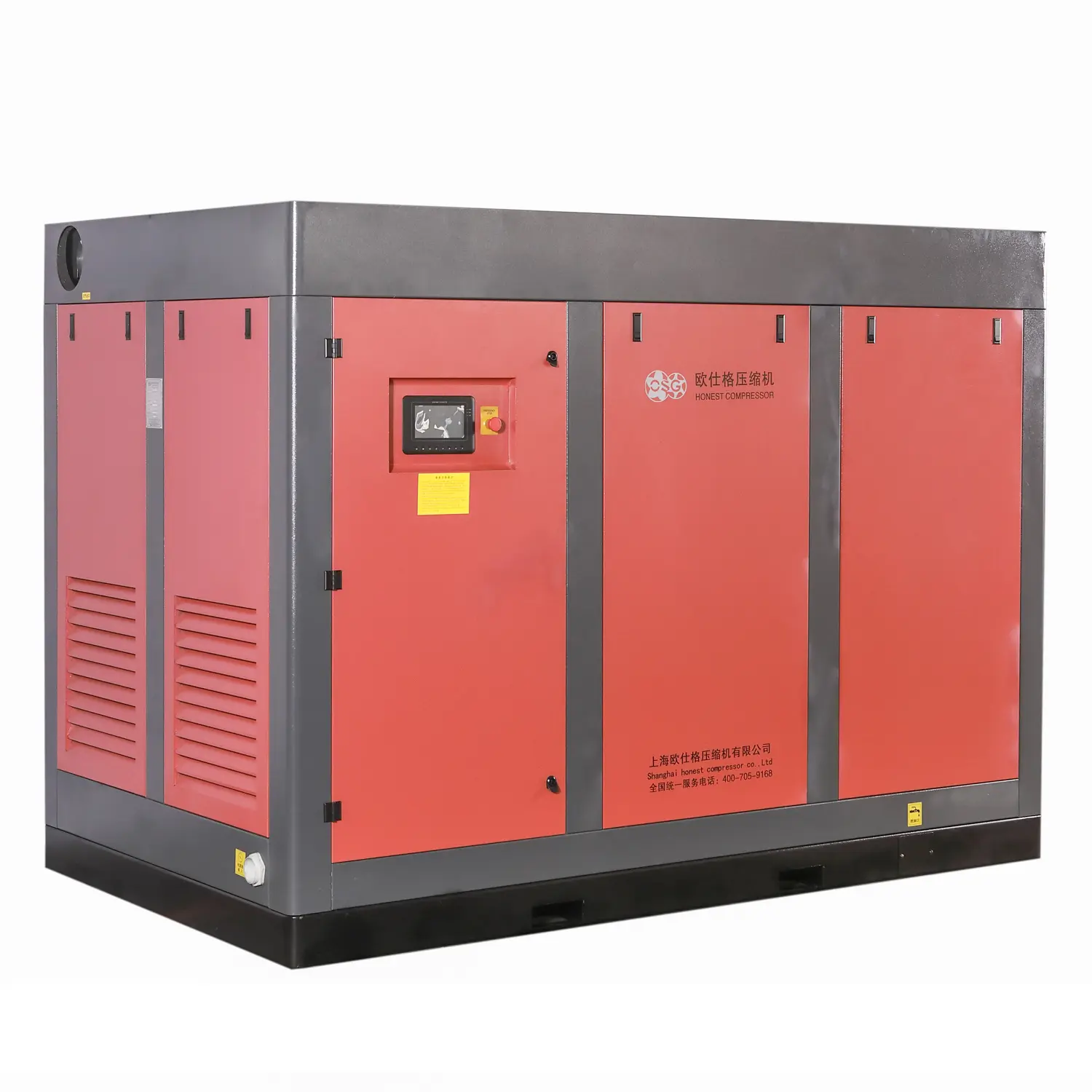
Pioneering double stage compression profile designed for heavy manufacturing facilities requiring continuous 24/7 dry air delivery.
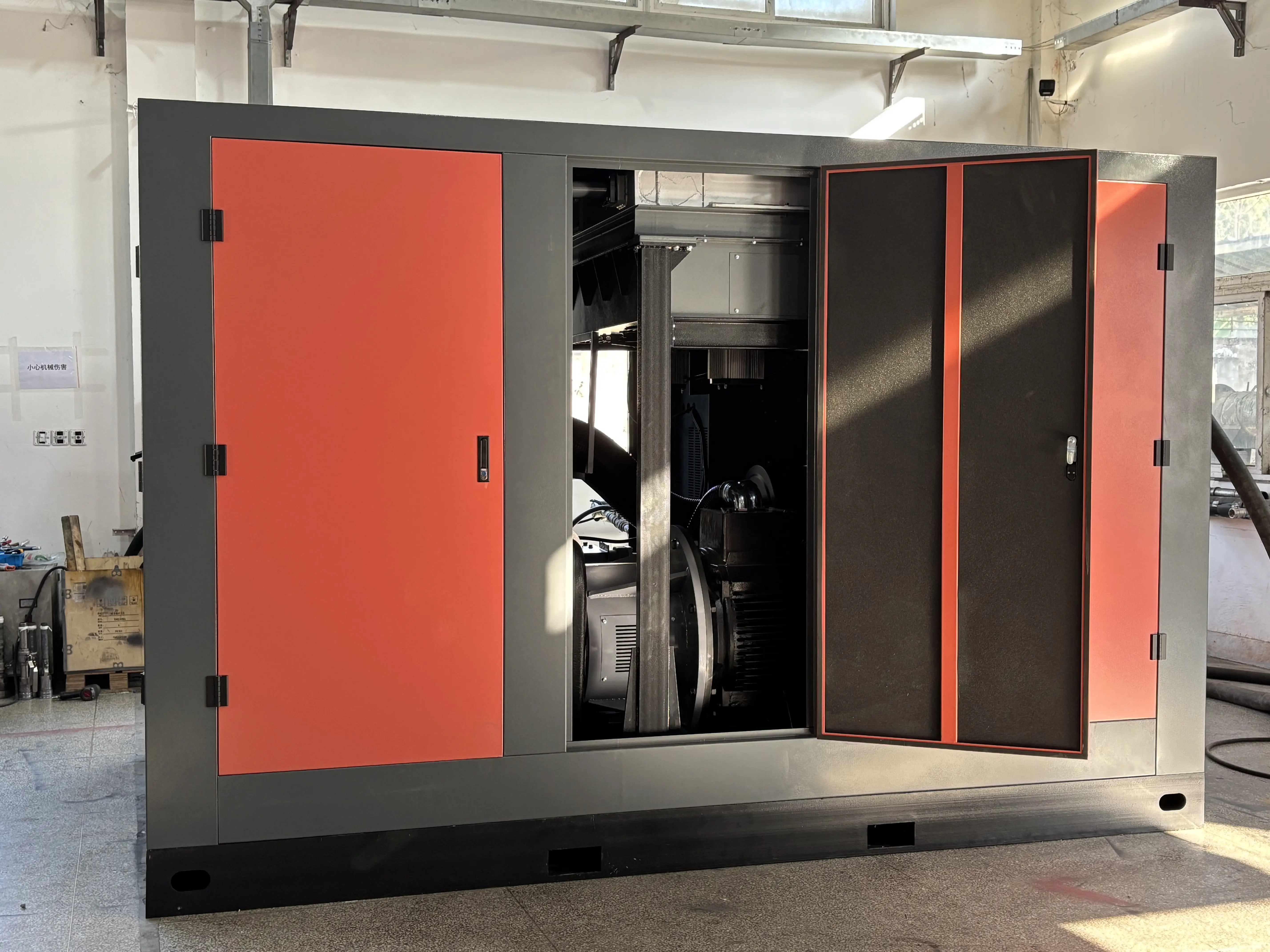
Variable Frequency Drive coupled with Permanent Magnet technology. Ensures unmatched efficiency curves at partial load cycles.
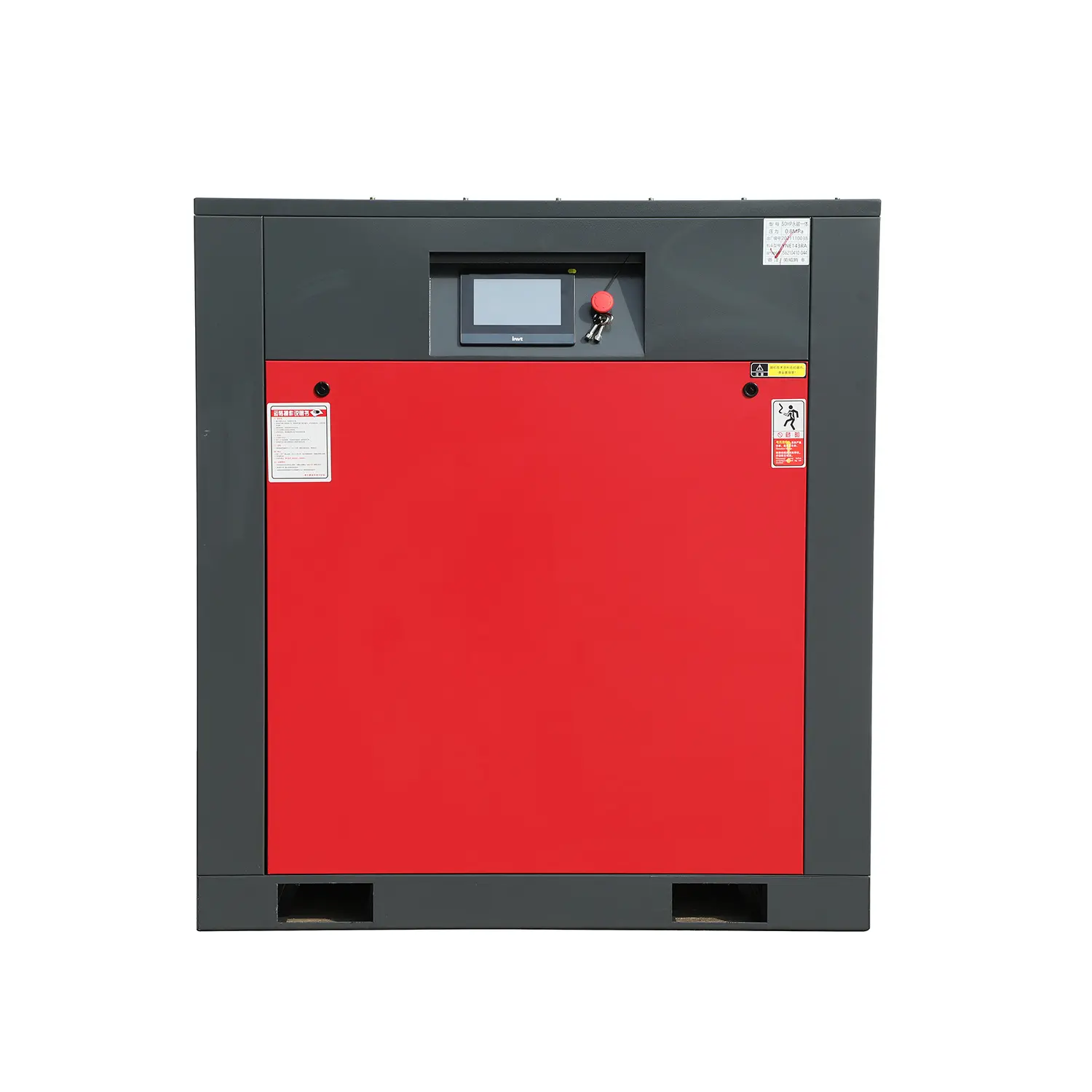
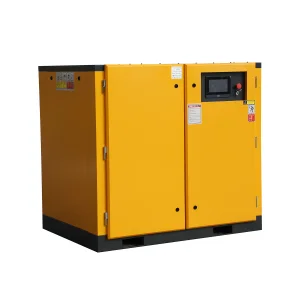
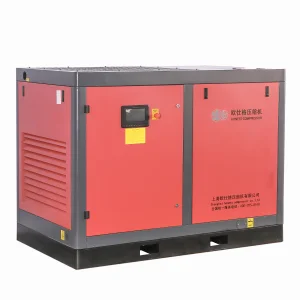
Robust and straightforward, this constant-speed compressor offers highly reliable operations for standard industrial tasks.
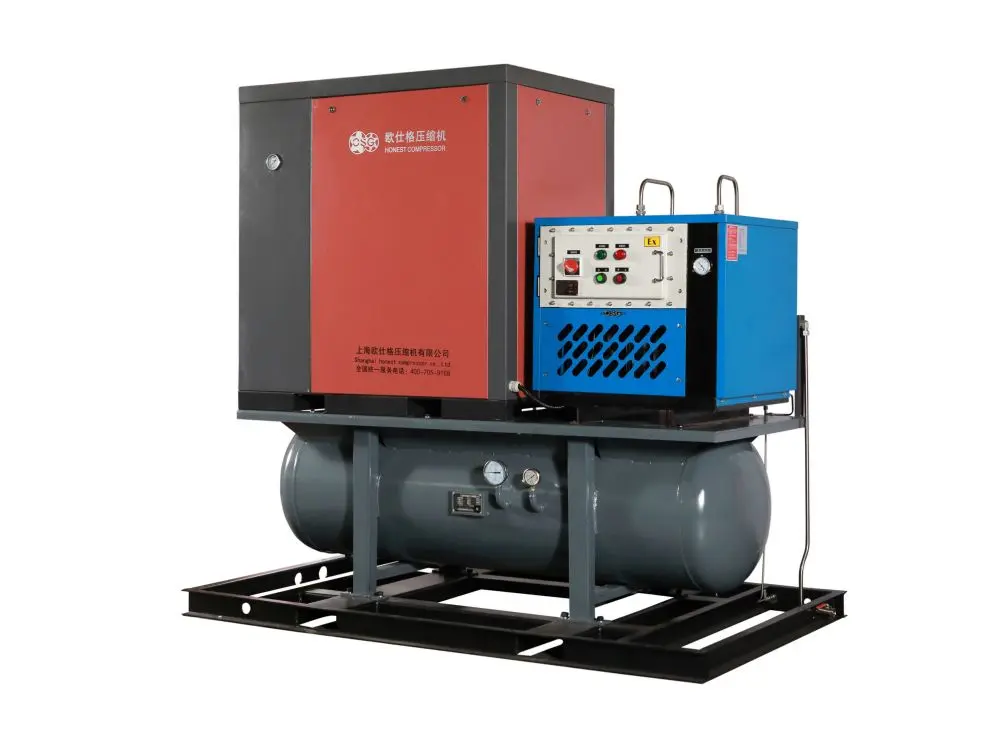
Integrated screw air compressor, explosion-proof capabilities, factory wholesale pricing, low noise emissions, ISO & CE certification, and complimentary site design consultation.
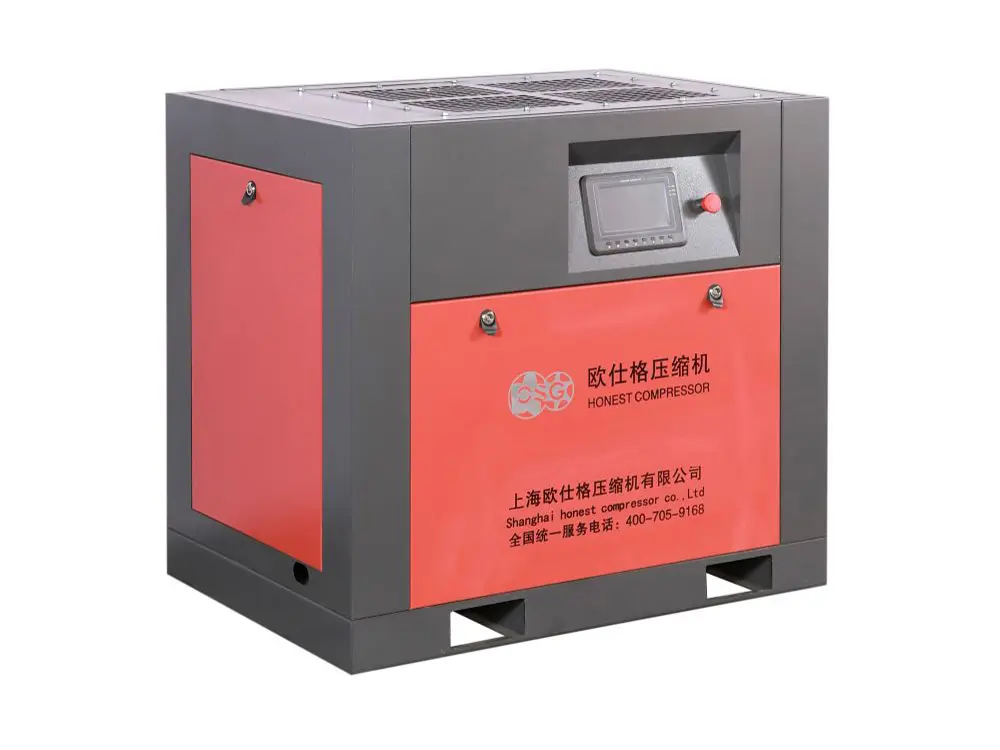
Model XD-8A, working pressure 7-12 bar, direct driven system with automatic PLC controller. Star triangle start sequence, low noise (less than 63dB).
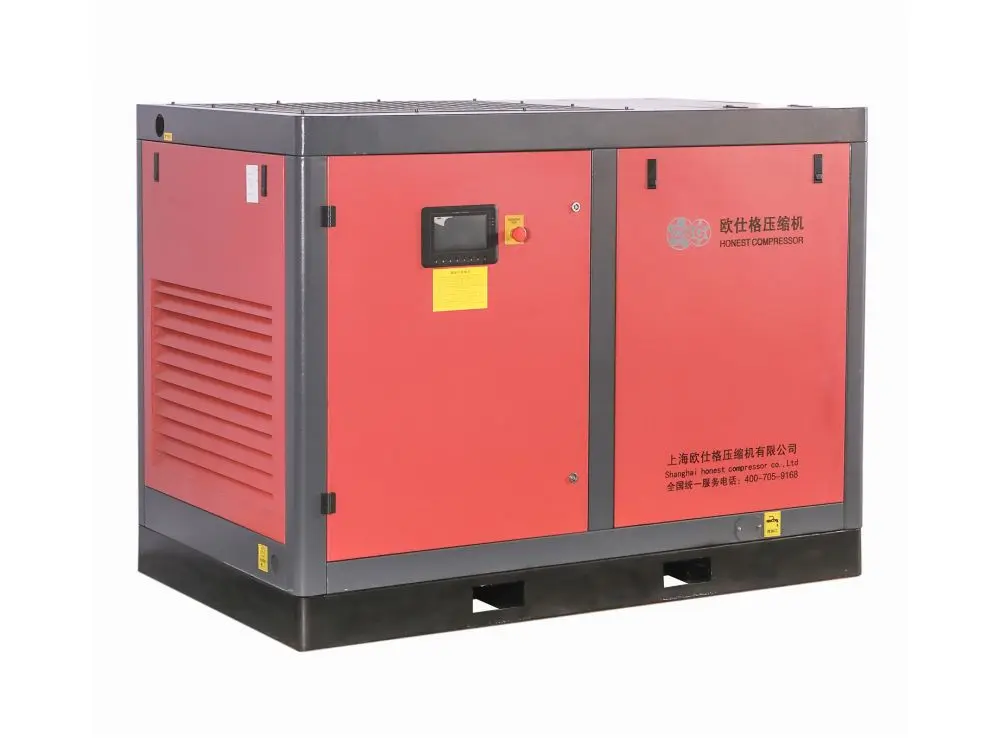
Two-stage oil-injection compressor with equal pressure ratios, low noise leakage, and optimal rotor line speeds for energy conservation.
The transformation of air purification systems towards climate neutrality and automation.
As the international manufacturing landscape shifts towards strict carbon reporting regulations, the energy signature of auxiliary equipment faces severe scrutiny. Traditional desiccant air dryers that dump 15% of high-pressure air back to the atmosphere represent a massive waste vector. To combat this, next-generation smart air dryers integrate dew point dependent switching systems (DDS). By monitoring humidity levels at the chamber exhaust with advanced sensors, the controller extends the drying cycle and only switches chambers when the desiccant is truly saturated, reducing purge loss by up to 60%.
Simultaneously, the transition away from high-GWP (Global Warming Potential) fluorinated refrigerants has led factories to design custom units incorporating natural refrigerants like CO₂ (R744) or hydrocarbons (R290). Moreover, digital transformation enables predictive maintenance platforms. Real-time data from particulate density, differential pressure drop sensors across filters, and thermodynamic variables inside condenser exchangers are uploaded to cloud servers, helping engineering teams execute maintenance routines before operational breakdowns occur.
Tracking the rapid progress and international demands of industrial compression technology.
According to MRFR analysis, the dry vacuum pump market size is valued at US$ 5.97 billion in 2024. The dry vacuum pump market is expected to grow from US$ 6.17 billion in 2025 to US$ 8.28 billion in 2034, registering a high compound annual growth rate. This development correlates directly with the increasing global demand for clean, oil-free vacuum environments in electronics assembly, pharmaceutical packaging, and progressive chemical processing plants.
Premium solutions crafted for rigorous continuous performance and minimal maintenance footprints.

Answering high-intent questions from lead engineers, operational managers, and global procurement departments.
Refrigerated air dryers cool the incoming compressed air down to a set dew point of approximately +3°C to +10°C, condensing vapor into liquid water, which is then expelled. This configuration is highly efficient and economical for standard workshop air tools. Desiccant dryers pass the air through an adsorbent chemical bed (activated alumina or molecular sieves) to achieve a dew point of -40°C or -70°C. Desiccant setups are required for packaging lines, electronics fabrication, paint spraying, and sub-zero climates where condensation must be avoided at all costs.
Air dryer capacities are rated at standard nominal conditions (usually 35°C inlet temperature, 7 bar pressure, and 35°C ambient temperature). If the compressor's air discharge temperature is higher (which is common in summer or if the compressor room is poorly ventilated), the hot air carries significantly more water vapor. The drying capacity drops, necessitating a larger dryer model or the installation of an aftercooler to cool the inlet air below 40°C before it reaches the dryer.
Modern Chinese manufacturing facilities comply with global environmental standards. Standard models utilize R134a, R407c, and R410A refrigerants to minimize greenhouse gas potential. These gases comply with European F-Gas regulations and EPA SNAP rules, enabling seamless importation and operational compliance in strict regulatory markets.
A "Four-in-One" integrated compressor station combines the screw compressor unit, the air receiver tank, a high-efficiency refrigerated air dryer, and multi-stage particulate filters into a single compact structure. This design significantly reduces installation space, simplifies electrical and piping connections, and eliminates pressure drops between separate components. It is the ideal solution for factories seeking plug-and-play operation with minimal onsite setup costs.
Conventional fixed-speed compressors run at constant RPM, venting excess air or going into unloaded states when air demand decreases. VFD PM compressors use variable frequency controllers to match the rotation speed of the permanent magnet motor exactly to the plant's real-time air consumption. When demand is low, the motor slows down, reducing electrical power draw. This technology cuts energy costs by up to 35% to 50%, providing a return on investment within 12 to 18 months.
Every filter and air dryer introduces flow resistance, causing a pressure drop between the compressor and the point of use. A well-engineered refrigerated air dryer keeps this pressure drop below 0.2 bar (3 psi). If filters become clogged or the dryer is undersized, the pressure drop increases. Every 1 bar (14.5 psi) of pressure drop forces the compressor to consume roughly 7% more energy to maintain working pressures. Regular filter cartridge replacement and choosing high-flow dryers are essential steps to keep operational costs low.