Examine our high-performance two-stage rotary screw compressors engineered for modern smart factories and process-critical industrial deployment.
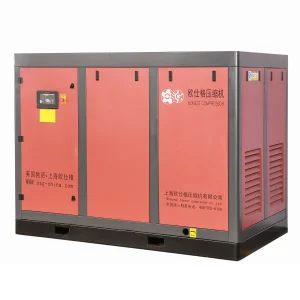
Advanced IP55/IP54 heavy-duty dual-stage screw compressor. Delivers high volumetric flow with maximized resistance to dust and moisture ingress.
See Details →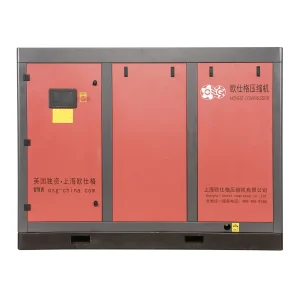
Variable speed drive coupled with a state-of-the-art permanent magnet motor. Perfectly tracks demand profiles to slash electricity consumption.
See Details →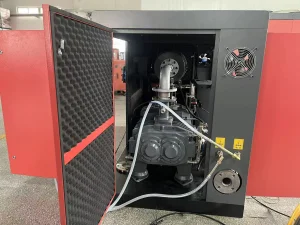
High-precision micro-oil screw technology optimizing deep vacuum stability and operational reliability across automated pick-and-place lines.
See Details →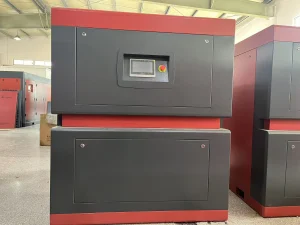
Features precision liquid-jacketed oil cooling. Keeps critical mechanical assemblies at thermal equilibrium for uninterrupted 24/7 cycling.
See Details →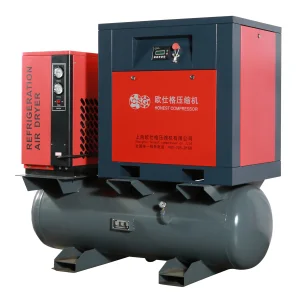
Integrated modular workstation comprising compressor, refrigerated air dryer, precision filters, and pressure vessel on a compact chassis.
See Details →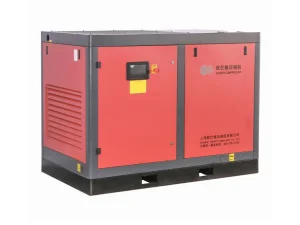
Direct drive linkage eliminates transmission losses. Leverages dual rotors to decrease interstage power losses and enhance longevity.
See Details →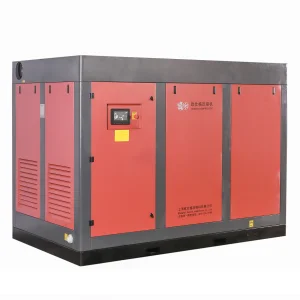
High-power flagship 132kW air system designed for massive heavy industry demand. Maximized energy savings through permanent magnet frequency control.
See Details →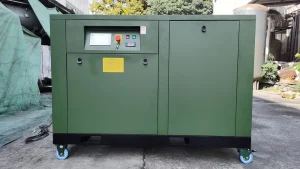
Compact footprint configuration pairing high-efficiency permanent magnet VSD control with onboard air drying to provide immediate clean dry air.
See Details →Within compressed air engineering, the primary objective is to approach isothermal compression, a state where temperature remains constant throughout the compression cycle. While single-stage compressors generate significant heat spikes that degrade volumetric efficiency and drive up Specific Energy Requirements (SER), two-stage rotary screw compressors solve this thermal bottleneck by dividing the pressure ratio.
By dividing the work into a low-pressure (LP) stage and a high-pressure (HP) stage, the pressure ratio per stage drops considerably (e.g., instead of an 8:1 ratio in a single stage, each stage in a two-stage machine handles approximately a 2.8:1 ratio). As a result, the internal air slippage past the rotor clearances decreases dramatically, yielding a direct boost in volumetric output.
Crucially, an interstage cooling chamber is injected with cooling oil between the two stages. This process drops the air temperature entering the second stage close to the inlet temperature. Reducing the temperature decreases the air volume, meaning the second stage requires significantly less work to compress the cooled, denser air. Engineers calculate that this thermodynamic configuration yields an immediate 10% to 15% reduction in specific energy compared to equivalent single-stage systems.
A deep breakdown of the mechanical and electrical sub-systems integrated into our two-stage screw air compressors.
Our asymmetric rotor designs feature a 5:6 lobe combination. This geometry minimizes fluid bypass and maximizes compression area. The low friction surface treatment extends active rotor life and guarantees tight tolerances.
Utilizing IE4/IE5 PM motors that eliminate rotor copper loss. PM motors offer high torque density, maintain elevated efficiency even at low operational speeds, and boast a slip-free rotor construction.
Independent control of the first-stage and second-stage rotors using advanced variable speed drive inverters. This design matches rotational speed to real-time flow demand and eliminates startup current spikes.
For procurement directors managing plant assets, assessing two-stage screw compressors involves looking beyond initial capital expenditure (CAPEX) to evaluate total lifecycle operating costs (OPEX). Over a standard 10-year operating life, energy consumption accounts for roughly 75% of a compressor's Total Cost of Ownership (TCO).
Consider a typical industrial facility running a 75HP (55kW) compressor for 8,000 hours per year, with average energy costs calculated at $0.12 per kWh. A standard single-stage 55kW unit running at full load consumes 440,000 kWh annually, costing roughly $52,800. Transitioning to a high-efficiency two-stage unit saves approximately 15% in power usage (or 66,000 kWh), resulting in an annual savings of $7,920 per compressor.
Additionally, because two-stage compression reduces the load on bearings and seals by lowering the pressure differentials across each rotor stage, the physical wear on the air-end is halved. This engineering detail extends the operational lifetime of the air-end, delaying expensive bearing overhauls by up to 30,000 hours.
Note: Opting for two-stage units optimizes the largest cost factor (OPEX) by up to 15%, providing a typical ROI payback period of 12 to 18 months.
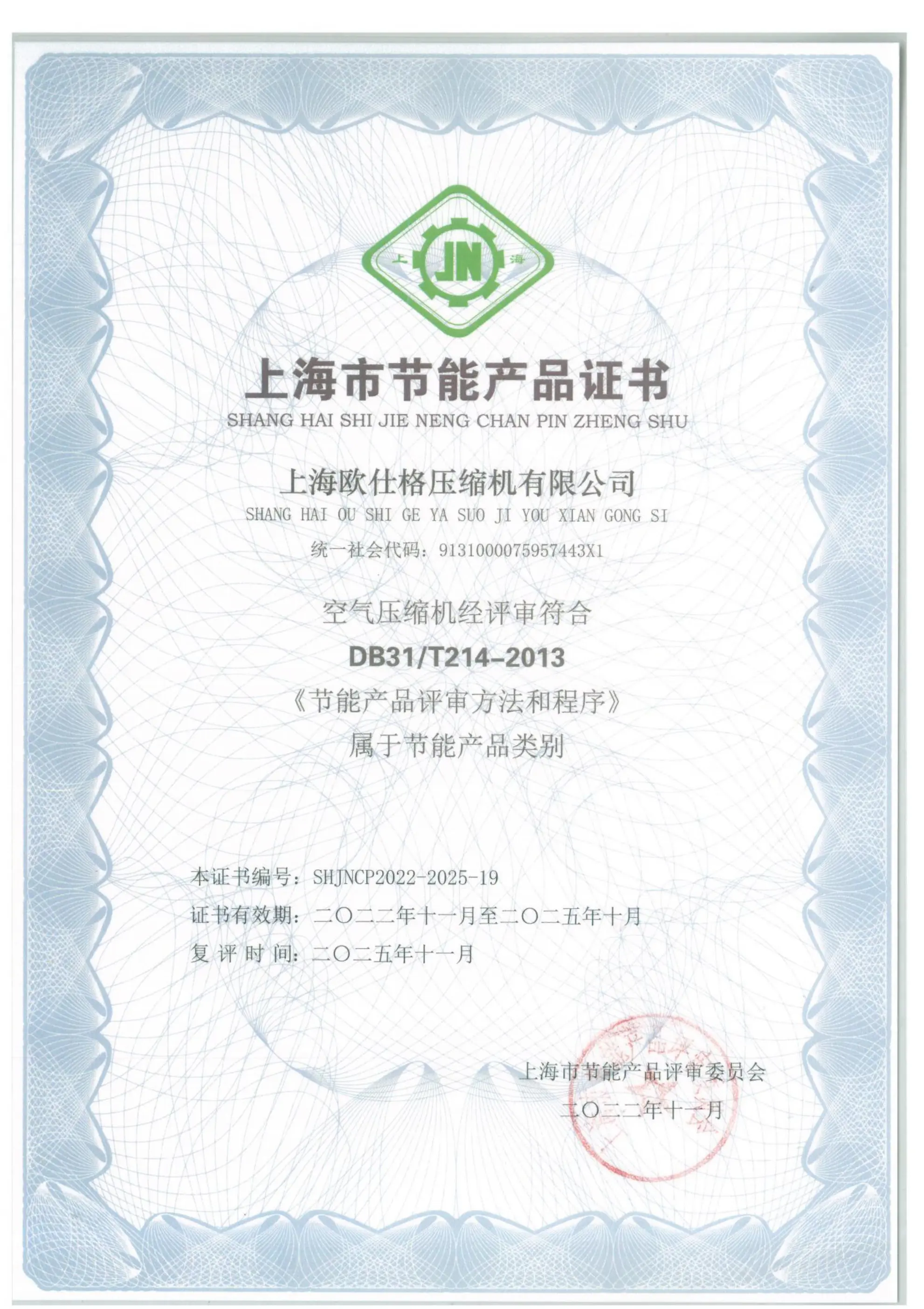
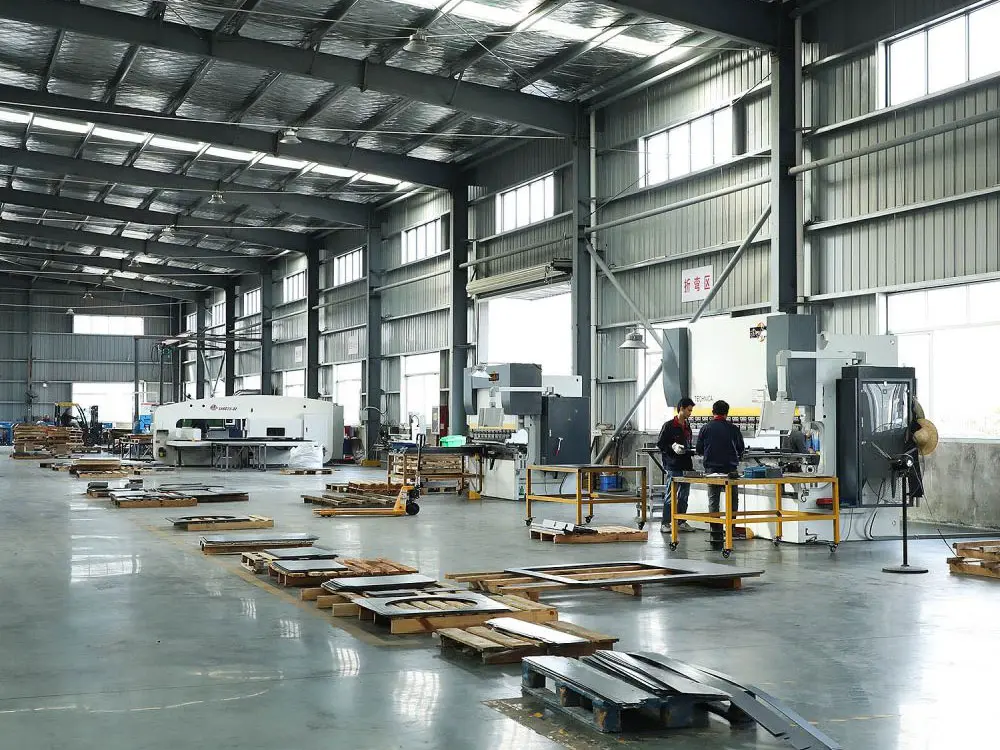
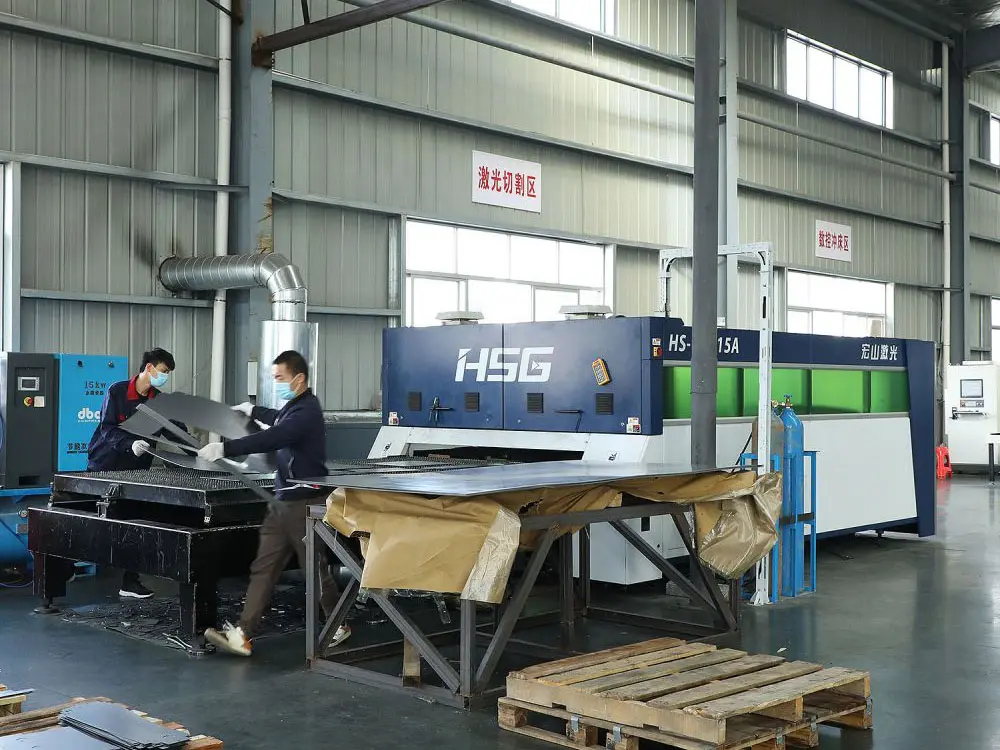
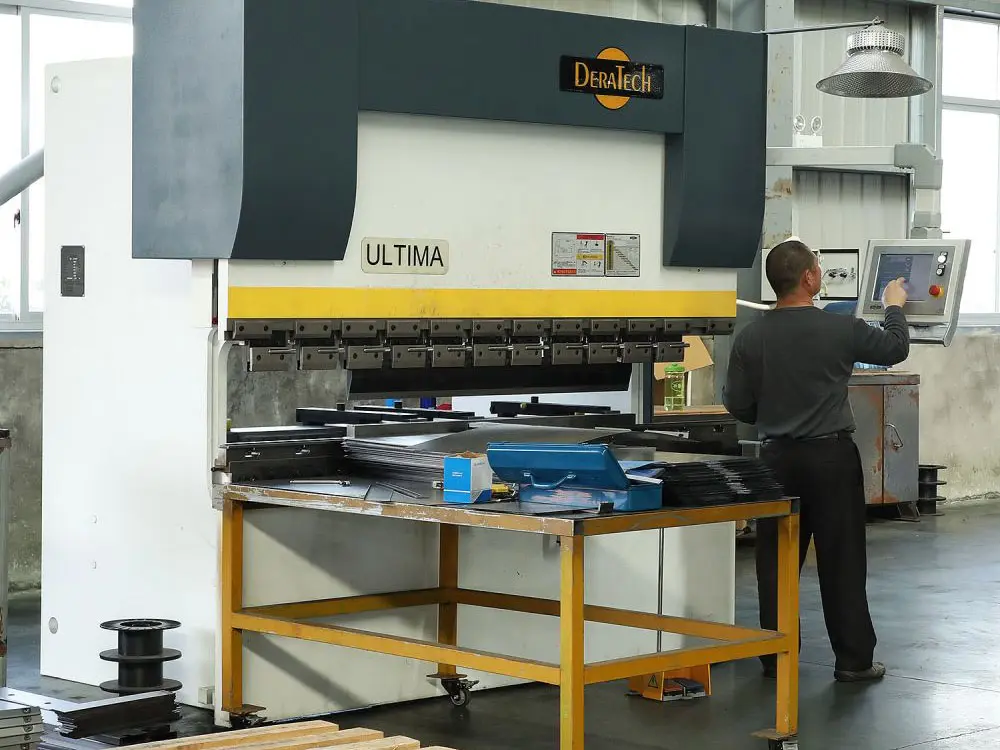
A British-owned enterprise founded in early 2004, specializing in large-scale twin-screw air compressor manufacturing and air system engineering.
Headquartered at NO. 355 Jiajian Branch Road, Malu Town, Jiading District, Shanghai, China, Shanghai Honest Compressor Co., Ltd. serves as an important global supplier of compressed air solutions. We design, engineer, and manufacture a wide range of compressed air systems, including low, medium, and high-pressure oil-free units, as well as integrated screw compressors from 3kW to 480kW.
Our product portfolio also features gas separation equipment, refrigerant compressors, cold dryers, precision inline filters, and ceramic membrane filtration systems. Partnering with global distributors, we provide OEM and ODM manufacturing services to several internationally recognized compressor brands.
Read about our international industry activities and access key highlights from our market research studies.
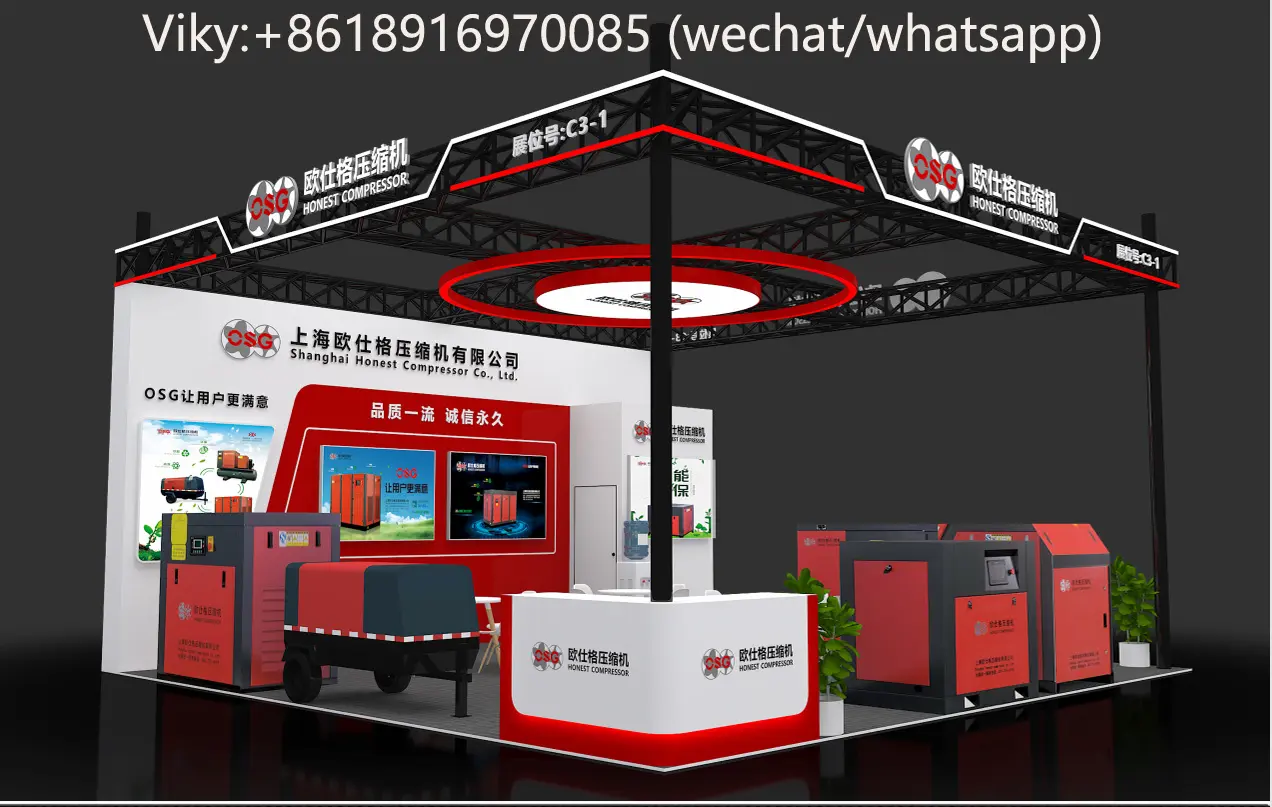
Shanghai Honest Compressor exhibiting at Hannover Messe.
According to recent industry analysis, the dry vacuum pump market size is valued at US$ 5.97 billion in 2024. The dry vacuum pump market is expected to grow from US$ 6.17 billion in 2025 to US$ 8.28 billion by 2034, registering a steady compound annual growth rate. This development highlights the shift from oil-sealed rotary pumps to clean, oil-free dry vacuum screw systems across the electronics, chemical processing, and pharmaceutical sectors.
Access Full Research Insights >Engineering developments that are shaping the future of compressed air generation.
Improving efficiency through precise liquid injection and intercooling. By using thermal sensors, we can regulate coolant injection to match atmospheric changes, keeping the thermodynamic path near-isothermal.
Integrating IoT-enabled PLC controllers that monitor parameters such as vibration, discharge temperature, dew point, and pressure drops. Algorithms analyze this data to predict maintenance needs before issues occur.
Developing bio-synthetic lubricants that offer high thermal stability. These fluids resist oxidative breakdowns, maintain optimal viscosity across temperatures, and improve air-oil separation efficiency.
Examine our complete selection of air treatment equipment, dry vacuum screw pumps, and permanent magnet compressors.
Direct drive, dual-rotor design engineered with a high-torque permanent magnet motor. Designed for reliable performance in fluctuating operating environments.
See Details →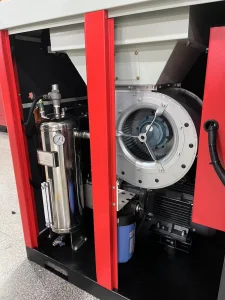
Uses water as a natural sealing and cooling agent to guarantee 100% oil-free compression. Ideal for food, pharmaceutical, and cleanroom applications.
See Details →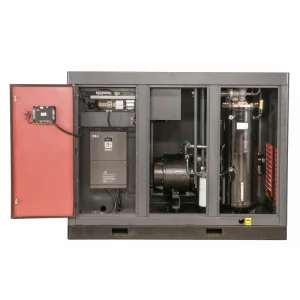
Features liquid-jacketed oil cooling for stable thermal management. Maximizes rotor life and delivers high volumetric efficiency under continuous load.
See Details →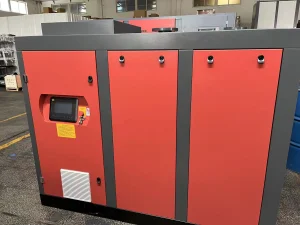
Advanced progressive screw vacuum pump utilizing permanent magnet frequency conversion. Ideal for deep vacuum processing and thermoforming.
See Details →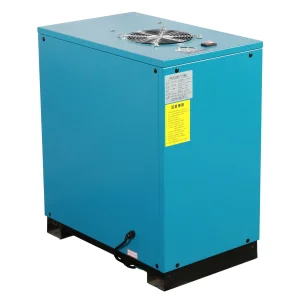
High-capacity refrigerated air dryer designed to remove water vapor from compressed air systems. Minimizes pipe corrosion and downstream equipment failure.
See Details →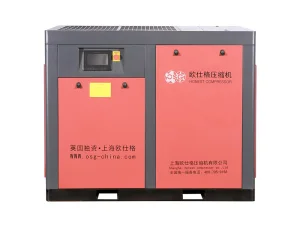
Double-screw configuration featuring integrated VSDPM motor controls. Adapts rotational speed to match air consumption patterns and save energy.
See Details →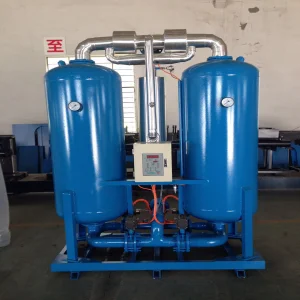
Uses micro-heat regeneration technology to dry desiccant beds efficiently. Delivers consistent pressure dew points down to -40°C.
See Details →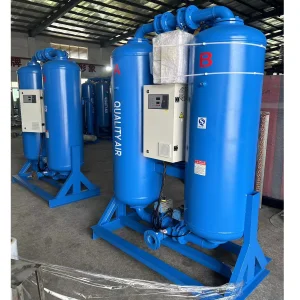
Features a robust dual-tower design for heatless adsorption drying. Ensures continuous air delivery for moisture-sensitive pneumatic processes.
See Details →Get detailed answers to common technical and engineering questions about two-stage rotary screw compressor systems.