
What is an Air Industrial Compressor and How Does It Work?

Time:2026-09-02 Author:Oliver
0%

Air Industrial Compressors play a crucial role in various industries. They are essential in manufacturing, construction, and energy sectors. Understanding how these machines function can greatly enhance operational efficiency.

An Air Industrial Compressor works by increasing the pressure of air. It draws in ambient air and compresses it, which can be used for various applications. This process is vital for powering tools and equipment across different settings. However, the technology can be complex.

While these compressors offer significant benefits, they also come with challenges. Maintenance is key to ensuring reliability. Issues can arise if not properly managed, affecting productivity and safety. Thus, understanding both their functionality and limitations is essential for any business relying on air compression.
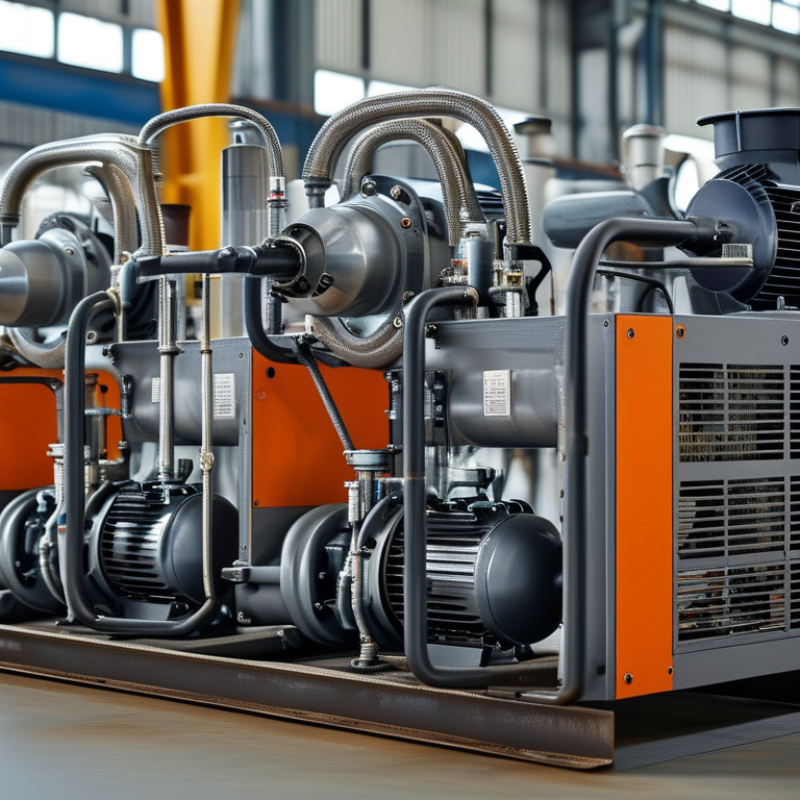
What is an Air Industrial Compressor and How Does It Work?

What is an Air Industrial Compressor?

An air industrial compressor is a vital machine used in various sectors. It transforms power into potential energy stored as pressurized air. This process helps in powering tools, operating equipment, and even running production lines. By compressing atmospheric air, the compressor creates a high-pressure environment that is essential for many industrial applications.

These compressors can vary in size and design. Some are small, portable units suitable for light tasks. Others are large and complex, designed to sustain heavy-duty applications. Regardless of size, they all share the basic function of compressing air. Key components include a motor, compressor unit, and storage tank. The motor drives the compressor, which compresses air into the tank.

However, air compressors can sometimes have inefficiencies. For instance, energy loss during the compression process can occur. Regular maintenance is crucial to ensure optimal performance. Without proper upkeep, the risk of breakdown increases. Therefore, operators need to regularly check the compressor's parts. They should be aware of any unusual sounds or performance changes, indicating a need for repair. Understanding these nuances helps improve reliability and prolong the compressor's lifespan.

Types of Air Industrial Compressors

Air industrial compressors play a crucial role in various sectors, including manufacturing and construction. There are several types of air compressors, each tailored to specific needs. The most common types include reciprocating, rotary screw, and centrifugal compressors. Reciprocating compressors are versatile and often used for small-scale applications. They offer high pressure but can be less efficient for larger tasks. In contrast, rotary screw compressors are widely chosen for their efficiency and continuous operation, making them ideal for industrial applications.

Centrifugal compressors, while less common, excel in large systems requiring high volumes of air. According to a report from the International Compressor Association, the rotary screw compressor market is expected to grow by 5.3% annually through 2025. This growth reflects the increasing demand for energy-efficient solutions in industries worldwide.

Working with air compressors comes with its challenges. Noise levels can be a concern, especially with reciprocating models. Regular maintenance is crucial to ensure optimal performance. For better efficiency, consider installing soundproofing materials around the compressor area. Additionally, keep an eye on the air quality; contaminants can damage the system and affect operations. Monitoring and filtering the intake air can prolong the compressor's lifespan and reduce downtime.

Air Industrial Compressors Types and Their Power Output

This chart illustrates the power output of various types of air industrial compressors, showcasing how each type serves different industrial needs.

Key Components of an Air Compressor

An air industrial compressor is a vital machine used in various industries. Understanding its key components can help you grasp its function better. The primary parts include the motor, intake filter, compression chamber, and storage tank. The motor is essential; without it, the compressor wouldn’t operate. It powers the compressor and drives the mechanical parts efficiently.

The intake filter allows clean air to enter the system. Any contaminants can damage the internal components. This is a common oversight, yet crucial for longevity. The compression chamber is where the air pressure builds. Various designs exist, each with unique mechanics. Finally, the storage tank holds compressed air for future use. This tank must maintain pressure effectively.

Regular maintenance checks are vital. Neglecting small issues can lead to larger failures. It's easy to overlook signs of wear, but they can cause inefficiency. Understanding these components will allow for better care and performance. A knowledgeable operator can enhance the lifespan of the compressor significantly.

What is an Air Industrial Compressor and How Does It Work? - Key Components of an Air Compressor

Component Function Material Used Typical Dimensions
Compressor Pump Compresses the air by reducing its volume Cast Iron, Aluminum Varies by model
Motor Drives the compressor pump Aluminum, Copper 1 hp to 10 hp
Air Tank Stores compressed air Steel 5 to 200 gallons
Pressure Switch Controls the motor and regulates pressure Plastic, Metal Standard housing formation
Aftercooler Cools the compressed air to remove moisture Aluminum, Copper Varies; typically compact

How Air Compressors Function: A Step-by-Step Process

Air compressors are essential tools in various industries. They convert power into potential energy. This energy is stored as compressed air. The process begins with the air intake. Ambient air enters through an intake valve. A filter often cleans this air before compression. This step is critical to ensure that dust and debris do not harm the compressor.

Once the air is filtered, it is compressed. This typically happens in one or two stages. In a single-stage compressor, air is compressed once. In a two-stage compressor, it is compressed twice, increasing its pressure efficiently. The compression raises the temperature of the air. This is where cooling comes into play. Heat exchangers or coolers are used here. They help to lower the air temperature before it is stored.

Finally, compressed air is stored in a tank. This tank provides a steady supply of air for tools and machinery. The process may seem straightforward. However, optimizing efficiency can be challenging. Regular maintenance is essential to avoid breakdowns. It’s worth reflecting on the importance of checking pressure gauges and filters to ensure reliable performance. Proper training for operators helps in recognizing when issues arise.

Applications of Air Industrial Compressors in Various Industries

Air industrial compressors play a crucial role in various industries, facilitating efficient operations. These compressors are widely used in manufacturing, automotive, and construction sectors. For instance, in manufacturing, they power pneumatic tools and equipment. According to the US Department of Energy, compressed air accounts for nearly 10% of total industrial energy costs. This highlights the importance of optimizing air compressor systems.

In the automotive industry, air compressors are essential for spray painting, assembly, and air suspension systems. A report from a leading automotive association notes that efficient air compressor systems can reduce energy costs by up to 30%. However, many companies overlook regular maintenance, leading to energy waste and reduced effectiveness.

In construction, air compressors power tools like nail guns and jackhammers. The compressed air allows for greater mobility on-site. Nonetheless, improper usage can result in air leaks. An industry study found that leaks can waste 20-30% of compressor output.

Maintaining air compressor systems is vital. Regular checks on seals and fittings can prevent inefficiencies. It's also crucial to train staff on optimal operating procedures. Awareness of these factors can significantly enhance productivity and reduce costs.

FAQS

: What are the key components of an air compressor?

: The main components are the motor, intake filter, compression chamber, and storage tank.

Why is the motor important?

The motor powers the compressor and drives all mechanical parts. Without it, the compressor won’t work.

What does the intake filter do?

It allows clean air into the system. Contaminants can cause significant damage if not filtered properly.

Why is regular maintenance necessary?

Neglecting maintenance can lead to small issues becoming larger failures. It's essential for efficiency and longevity.

How do air compressors benefit the manufacturing industry?

They power pneumatic tools and equipment, significantly impacting production efficiency and energy costs.

What role do air compressors play in the automotive sector?

They are crucial for spray painting and assembly processes, helping reduce energy costs when maintained properly.

How do compressors contribute to construction projects?

They power tools like nail guns, enabling better mobility on-site, but leaks can waste a significant portion of output.

What are common maintenance oversights?

Many overlook checking seals and fittings, leading to inefficiencies and higher energy costs.

How can training improve air compressor usage?

Training staff on optimal procedures can enhance productivity and reduce unnecessary energy wastage.

What happens if air compressor issues are ignored?

Ignoring signs of wear can result in inefficiency and higher operational costs over time.

Conclusion

Air Industrial Compressors are vital machines designed to increase the pressure of air for a wide range of industrial applications. These compressors come in various types, including reciprocating, rotary screw, and centrifugal, each suited for specific needs. The key components of an air compressor typically include the motor, compressor block, and storage tank, which work together to ensure efficient operation.

Understanding how air compressors function is essential for their optimal use. The process generally involves the intake of ambient air, which is then compressed, and subsequently stored or delivered for use. These machines find applications across multiple industries, helping power tools, operate machinery, and maintain critical processes in manufacturing, construction, and beyond. Overall, Air Industrial Compressors play a crucial role in enhancing productivity and efficiency in various sectors.

Oliver

Oliver

Oliver is a seasoned marketing professional with a wealth of expertise in driving brand awareness and engagement. With a deep understanding of our company's product offerings, he consistently delivers high-quality content that enriches our professional blog. His insights not only shed light on......