
How to Choose Industrial Oil Free Air Compressors in 2026?

Time:2026-09-07 Author:Ethan
0%

Choosing an Industrial Oil Free Air Compressor in 2026 requires more than comparing horsepower, price, or brand reputation. The right decision begins with the production process. Food packaging, pharmaceutical filling, electronics assembly, and laboratory applications may demand different pressure stability, flow capacity, and air-quality controls.

Compressed-air specialist Ron Marshall offers a practical warning: “A compressor should be selected for the system, not for the nameplate.” This principle remains highly relevant. Buyers should examine peak demand, operating hours, inlet conditions, installation space, and future production changes. A unit delivering 100% oil-free air may still perform poorly if its controls, dryers, or filtration system are incorrectly matched.

Small details matter. A factory floor at 35°C can challenge cooling performance. A long pipe run can create unexpected pressure loss. Frequent unloading may increase energy waste and shorten component life. Check the actual ISO 8573-1 air-quality requirement, not merely the marketing label. Confirm test methods, service intervals, warranty coverage, and available technical support.

The cheapest option may become expensive.

Experience also teaches caution. Energy consumption often exceeds the initial purchase cost across the compressor’s working life. However, energy estimates are not always precise. Demand profiles change, leaks appear, and operators adjust pressure settings. Therefore, this guide evaluates lifecycle cost, verified oil-free performance, reliability, maintenance access, and application suitability. It also questions common assumptions, because a technically impressive compressor can still be the wrong choice for a specific plant.
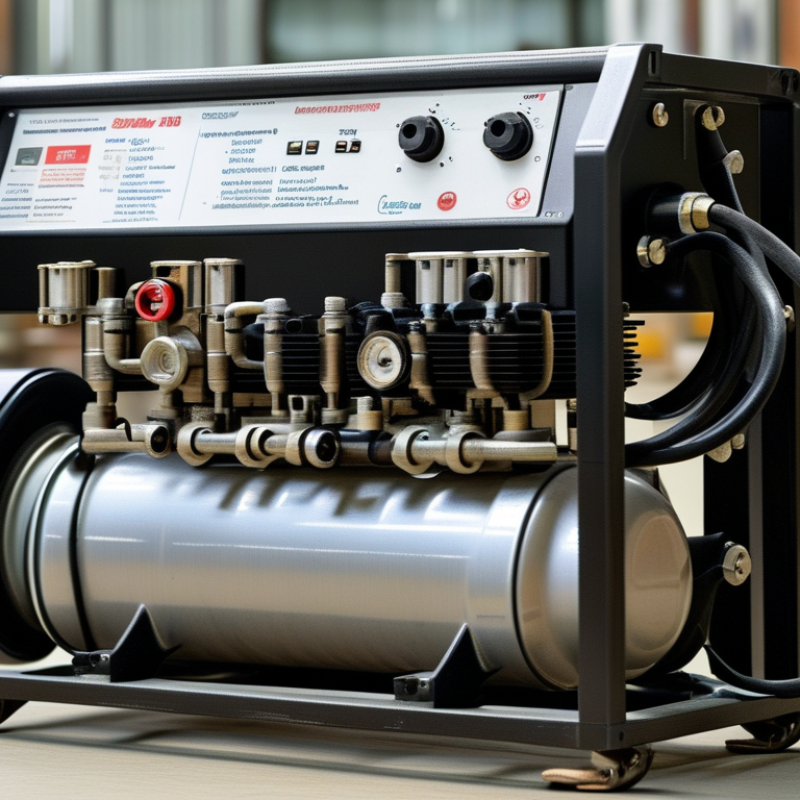
How to Choose Industrial Oil Free Air Compressors in 2026?

What Are Industrial Oil-Free Air Compressors?

Industrial oil-free air compressors produce compressed air without lubricant inside the compression chamber. In oil-injected machines, oil cools, seals, and protects internal parts. Oil-free designs use water, air, coatings, or dry-running components instead. Their purpose is cleaner air, not automatically perfect air. This difference matters in electronics, food processing, pharmaceuticals, and laboratory production. A small oil trace can damage a coating, spoil a batch, or affect a sensitive instrument. Clean air matters.

Common designs include oil-free screw, scroll, reciprocating, and centrifugal compressors. Each uses a different compression method and suits different flow demands. Scroll compressors often serve quieter, lower-flow applications. Screw and centrifugal units can support larger industrial systems. However, “oil-free” does not mean maintenance-free. Intake air may carry dust, vapors, or moisture into the system. Filters, dryers, drains, and regular inspections remain essential.

When choosing equipment in 2026, engineers should check the required pressure, flow, duty cycle, noise level, and energy use. Confirm air purity against ISO 8573-1 requirements, especially at the point of use. Factory test data is useful, but operating conditions can change performance. In plant audits, technicians often discover contamination after the compressor, not inside it. That is an easy detail to miss. A practical selection also considers heat recovery, variable-speed control, service access, and backup capacity. The most expensive mistake is choosing clean air without verifying the complete air treatment system.

How to Define Your Compressed Air Requirements

Before selecting an industrial oil-free air compressor, define how compressed air is actually used. List every application, including instruments, packaging, cleaning, and pneumatic tools. Record operating pressure at each point of use, not only at the compressor outlet. A machine may require 7 bar, but a long pipe run can reduce pressure significantly. Measure flow during normal production and during peak demand. Average consumption alone can be misleading.

Create a 24-hour demand profile. Note start-up loads, shift changes, idle periods, and seasonal variation. Check whether several machines operate simultaneously. Include future production plans, because a system sized too tightly may run continuously. Allowance is useful, but excessive capacity increases energy waste. I have seen factories add compressors before checking leaks. A small leak can sound harmless and still consume substantial air.

Air quality must match the process. Oil-free air may be essential near food, medicine, electronics, or sensitive surfaces. Define the required purity class with recognized compressed-air quality standards, including particles, water, and total oil. Specify the required pressure dew point, especially in cold rooms or outdoor lines. Consider intake temperature, altitude, ventilation, and available electrical capacity. These details are easy to overlook. They can affect real output, maintenance intervals, and reliability. Keep measured data, assumptions, and unresolved questions in the specification. Some estimates will be imperfect, and that is better than hiding uncertainty.

Which Oil-Free Compressor Technologies Fit Your Facility?

Selecting an oil-free compressor begins with the facility, not the catalog. The word oil-free is not enough. ISO 8573-1 Class 0 specifies the strictest oil-contamination category, but it does not mean zero operational risk. Air quality also depends on intake conditions, filters, dryers, piping, and maintenance discipline.

Dry-screw compressors suit plants needing continuous flow and stable pressure. They work well in process lines, electronics production, and general manufacturing. Oil-free scroll compressors fit smaller demand profiles, especially laboratories and clinics. They are quiet. Centrifugal compressors can serve large, steady loads, but they dislike frequent cycling and low demand. Water-injected screw units may reduce heat and simplify cooling, yet water quality and corrosion control require close attention. The best technology is rarely the most impressive one.

Measure the load. The U.S. Department of Energy reports that compressed-air leaks can waste 20–30% of compressor output. The Compressed Air Challenge also identifies compressed air as a significant industrial electricity expense, often reaching 10–15% of plant power use. A small pressure drop can trigger unnecessary compressor staging. A polished specification can still miss this.

Check peak flow, minimum turndown, pressure dew point, ambient temperature, and redundancy. Food, pharmaceutical, and electronics facilities should verify the required ISO class with independent testing. Oversizing remains common. It feels safe, but it may create short cycling, poor efficiency, and avoidable maintenance.

How to Compare Efficiency, Capacity, and Air Quality

When comparing industrial oil-free air compressors in 2026, do not judge efficiency from motor size alone. Measure specific power in kW per cubic metre per minute at the required pressure. A smaller unit may consume more electricity when forced near its limit. Check full-load, part-load, and unloaded readings during a normal production shift. Variable-speed control can help, but it is not automatically efficient. I have seen energy estimates fail because weekend demand was ignored. Real operating data matters.

Capacity should mean delivered free air, not a catalogue headline. Compare FAD at your actual working pressure, inlet temperature, and altitude. Map demand from cutting tools, packaging lines, and cleaning stations. Short peaks may need a receiver rather than a larger compressor. Keep reserve for leaks, ageing, and maintenance. Too much reserve can also waste energy. A pressure log often reveals the truth.

Oil-free compression reduces oil risks, but it does not guarantee clean air. Intake conditions, seals, dryers, filters, and pipework still affect quality. Use ISO 8573-1 as a reference for particles, water, and oil, then match the required class to your process. Ask for independent test reports and clear certification limits. Check pressure dew point after the dryer, not only at the compressor outlet. This detail is easy to miss. It can create expensive contamination problems. Some specifications still look impressive but lack site-specific testing. That deserves careful review.

How to Evaluate Maintenance, Safety, and Total Ownership Cost

Choosing an industrial oil-free air compressor in 2026 requires more than comparing purchase prices. Maintenance access, safety controls, and lifetime energy use matter more. The U.S. Department of Energy reports that compressed air can consume 10%–15% of industrial electricity. Leaks may waste 20%–30% of compressor output. That makes monitoring and leak testing essential.

Maintenance should begin with the service schedule, not the first breakdown. Check filter replacement intervals, cooling requirements, drain design, and technician access. Oil-free systems reduce contamination risks, but they are not maintenance-free. ISO 8573-1 helps define air purity classes for particles, water, and oil. Safety evaluation should include pressure relief devices, noise exposure, hot-surface protection, and emergency shutdown testing. Documentation matters. A missing manual is a small warning.

Tips: Request five-year service records. Measure actual airflow at peak demand. Price electricity, filters, labor, spare parts, and disposal. Compare the total cost of ownership, not the quotation alone.

A useful calculation includes purchase cost, installation, annual maintenance, energy, downtime, and expected replacement parts. The U.S. DOE also advises reducing artificial demand and correcting inappropriate uses of compressed air. These actions can lower operating costs before installing a larger unit. Still, projections can be too optimistic. Plant conditions change. Seasonal temperatures, dust, and unstable demand should be tested with logged operating data. A pilot measurement period may reveal that the “right size” was wrong.

FAQS

: How should a factory define its compressed air requirements?

: List every application, including instruments, packaging, cleaning, and pneumatic tools. Measure pressure at each use point, not only at the compressor outlet. Measure real demand.

Why is a 24-hour demand profile important?

Record start-up loads, shift changes, idle periods, and seasonal changes. Check whether several machines run simultaneously. Peak demand matters.

How can pipework affect compressor selection?

Long or narrow pipes can cause significant pressure loss. A machine needing 7 bar may receive less at its connection point. Pressure logs reveal actual conditions.

Should average air consumption determine compressor size?

No. Average use can hide short peaks and simultaneous demand. A receiver may handle brief peaks more efficiently than a larger compressor. The assumption may be wrong.

What does delivered capacity mean?

Compare free air delivery at the actual pressure, inlet temperature, and altitude. Do not rely only on a catalogue capacity figure. Site conditions change output.

How should compressor efficiency be compared?

Compare specific power in kW per cubic metre per minute. Check full-load, part-load, and unloaded readings during normal production. Motor size alone proves little.

Does oil-free compression guarantee clean air?

No. Intake conditions, seals, dryers, filters, and pipework still affect air quality. Check particles, water, and total oil against the process requirement. Oil-free is not the whole answer.

What should be checked after the dryer?

Measure the pressure dew point after the dryer, not only at the compressor outlet. This is especially important for cold rooms and outdoor air lines. Moisture can create costly problems.

How much reserve capacity is appropriate?

Keep reasonable reserve for leaks, ageing, maintenance, and future production. Excess capacity may increase energy waste. More capacity is not always better.

What information should remain in the specification?

Record measured data, assumptions, unresolved questions, and test conditions. Request independent test reports with clear certification limits. Some estimates will be imperfect.

Conclusion

Choosing an Industrial Oil Free Air Compressor in 2026 requires more than comparing purchase prices. These systems produce compressed air without oil entering the compression chamber, making them suitable for applications where air purity is critical. Start by defining your requirements, including pressure, flow rate, operating hours, duty cycle, installation environment, and required air quality. Accurate demand data helps prevent oversizing, energy waste, and unstable performance.

Next, compare suitable oil-free technologies according to your facility’s workload, noise limits, space, and cooling conditions. Evaluate efficiency across actual operating ranges rather than relying only on rated figures, and confirm that capacity can support both normal and peak demand. Maintenance intervals, safety features, moisture control, service accessibility, and replacement-part availability should also be reviewed. Finally, calculate total ownership cost, including energy, maintenance, monitoring, downtime risk, and expected service life. A well-selected compressor should deliver clean, reliable air while supporting predictable operating costs and long-term production efficiency.

Ethan

Ethan

Ethan is a seasoned marketing professional with a deep expertise in our company's innovative product line. With a passion for sharing knowledge and insights, he takes the lead in regularly updating our corporate blog, where he explores industry trends, product features, and effective marketing......