
Choosing the right Pontoon Air Compressor is crucial for effective performance and reliability. The global air compressor market is projected to reach USD 44.98 billion by 2025, growing at a CAGR of 4.5%. With such demand, understanding the specifics of pontoon air compressors is essential for optimal choices.
A quality pontoon air compressor caters to various needs, from air inflation to powering pneumatic tools. It is important to consider the compressor's size, pressure capacity, and duty cycle. Industry standards recommend compressors that can deliver at least 90 PSI for most recreational uses.
Every user has unique requirements, and not all products meet those needs perfectly. Some might prioritize portability, while others may focus on power output. Balancing these factors can be challenging. Users often find themselves needing to assess long-term reliability alongside initial costs. Thorough research and expert reviews can aid in making informed decisions for effective usage.
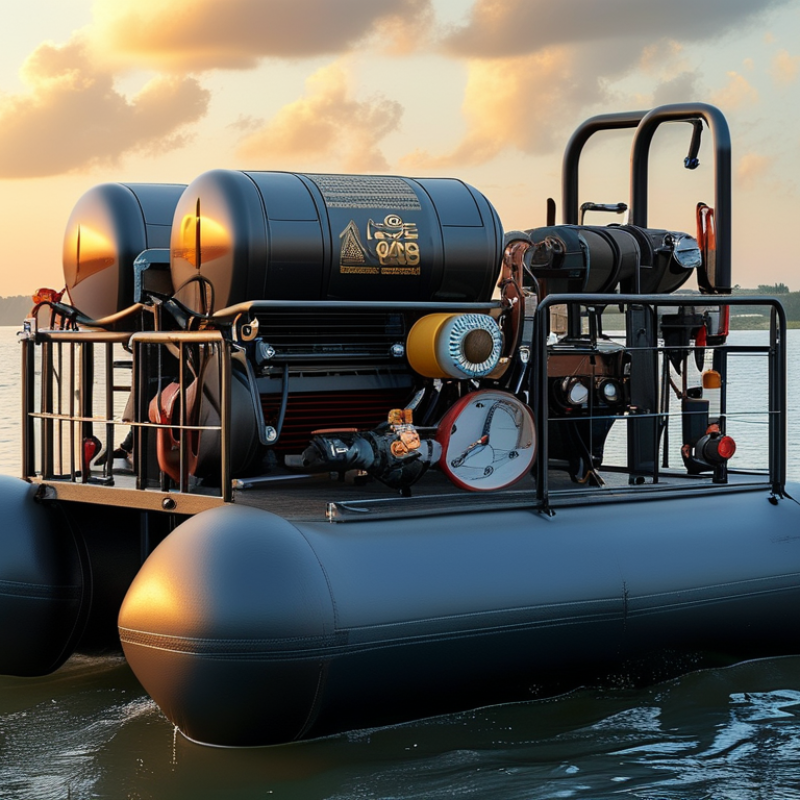
Pontoon air compressors are essential tools for maintaining your watercraft. They provide air to inflatable parts, ensuring safety and proper buoyancy. Understanding their basic functions is crucial. Most pontoon air compressors operate on electric power and can inflate multiple pontoons quickly. According to a recent industry report, efficient models can inflate a standard pontoon in under 10 minutes.
Capacity and pressure rating are important considerations. Many compressors offer a capacity of 12V, enabling easy use with a car battery. However, users should be cautious; not all models maintain consistent airflow. Some may struggle with high pressure, leading to inefficient inflation. It's essential to select a compressor that meets the specific air requirements of your pontoons.
Investing in the right compressor means balancing between power and portability. Lightweight models are easier to transport but may lack robust features. Users often find that heavier, more powerful units can be cumbersome. Exploring various options will help in identifying a compressor that aligns with your needs. Always review user feedback and expert recommendations before making a decision.
Selecting the right pontoon air compressor requires careful consideration of several key features. The air pump’s PSI is crucial. Most pontoons need an air compressor that can deliver at least 8 PSI. This ensures efficient inflation of the pontoons without damaging the material. A report from the Marine Industry Association indicates that under-inflation can lead to compromised safety and performance.
Portability is another vital aspect. Many users prefer lightweight models. Weighing less than 20 pounds allows for easier transportation. Additionally, creating a compact design helps with storage on boats. A study found that over 70% of boat owners value space-saving features when choosing equipment.
Durability is essential, particularly in marine environments. Look for compressors with rust-resistant finishes. Components should withstand exposure to moisture and salt. These factors impact the longevity of the device significantly. Convenient features like automatic shut-off prevent overinflation, reducing the risk of damage. However, some compressors may not include this safety feature. Consider how often you’ll use the compressor and choose accordingly.
Assessing your air supply needs is crucial when selecting a pontoon air compressor. Start by determining how much air you need. This measurement depends largely on your pontoon's size and the number of inflatables you'll use. For example, larger pontoons require compressors with higher air volume outputs. If you frequently use multiple inflatables, opt for a compressor that can keep up.
Each air compressor has different pressure ratings. You want one that matches your specific inflatables. Check the inflation pressure recommended by the manufacturer of your inflatables. Using a compressor that doesn't meet this pressure can lead to underinflation or damage. It's essential to consider portability as well. A heavier compressor may be less convenient for on-the-water use, while a smaller model may struggle to deliver the air volume you need.
Moreover, think about noise levels. Some compressors operate quietly, while others can be quite loud. If you're inflating near others, a quieter model will be appreciated. Efficiency matters too. An efficient compressor will save you time and energy, making your outings more enjoyable. Choosing the right compressor requires careful thought and, sometimes, testing. You'll gain experience with each decision you make, refining your choices for future outings.
When evaluating air compressors for pontoon applications,
two critical factors are portability and power.
A lightweight model enhances portability, allowing easy transport on and off the water.
According to a 2022 industry report,
65% of users prefer compressors weighing under
50 pounds. This preference stems from the need to
move equipment frequently without assistance. Smaller models often feature a
convenient carry handle or a compact design,
which supports hassle-free portability.
On the power front, look for compressors with adequate
PSI ratings for your specific tasks.
A study by the Air Compressor Association indicates that models with
at least 100 PSI are necessary for most recreational uses.
Balancing power and portability can be challenging. A more powerful compressor may
sacrifice weight, making it cumbersome. Conversely, lightweight options may not
deliver the performance needed for certain inflation tasks. Users should analyze
their typical use cases, prioritizing either power or portability based on their
unique requirements.
Considerations also include the type of power source.
Battery-powered models offer unmatched
portability but may lack the sustained performance of electric units.
Decisions on these features often reflect the user's specific boating lifestyle.
Reassessing priorities before purchase can
prevent regrets later. The journey to select the best pontoon air compressor
requires careful thought and reflection on personal needs and habits.
Choosing the right pontoon air compressor is essential for effective operation. When considering your options, price range plays a crucial role. Compressors vary widely. Some budget models might lack durability, while higher-priced units often offer better reliability. Balancing cost with quality is important for long-term satisfaction.
Warranty options are equally significant. A longer warranty can indicate manufacturer confidence in their product. For instance, warranties that last several years may provide peace of mind. However, short warranty periods could suggest potential future issues. Scrutinizing the fine print of warranty terms is vital. Sometimes, exclusions can limit coverage severely.
When evaluating compressors, detail is key. Look for customer reviews that highlight real experiences. These insights can reveal hidden flaws or benefits. Keep in mind that the most expensive option isn’t always the best. Reflecting on both price and warranty can lead to a more informed decision.
| Compressor Type | Price Range | Max Pressure (PSI) | Cubic Feet per Minute (CFM) | Warranty Period |
|---|---|---|---|---|
| Standard Electric Compressor | $200 - $400 | 120 PSI | 3.0 CFM | 2 Years |
| Portable Gas Compressor | $300 - $600 | 150 PSI | 4.5 CFM | 1 Year |
| Heavy-Duty Electric Compressor | $500 - $800 | 175 PSI | 5.0 CFM | 3 Years |
| Compact Battery Compressor | $150 - $250 | 100 PSI | 2.0 CFM | 1 Year |
| Industrial Air Compressor | $700 - $1200 | 200 PSI | 6.0 CFM | 5 Years |
: Portability and power are critical factors. A lightweight model eases transport on the water.
About 65% of users prefer compressors weighing under 50 pounds for easy movement.
Adequate PSI ratings are necessary. Models with at least 100 PSI are typically required for recreational use.
It is challenging. A powerful compressor may be heavier, making transport difficult.
Battery-powered models are portable but may not perform as well as electric units.
Reassess your priorities before buying. Understand your specific needs and use cases.
Price affects durability and reliability. Budget models may not last as long as higher-priced options.
A longer warranty often shows manufacturer confidence. Short warranties might indicate potential issues.
Reviews provide real experiences, revealing flaws or benefits that might not be obvious.
No, the most expensive option isn’t always the best. Reflecting on price and warranty helps make informed decisions.
Choosing the best pontoon air compressor requires a fundamental understanding of how these tools operate. It’s essential to consider key features such as airflow capacity, pressure ratings, and build quality to ensure the compressor meets your specific pontoon needs. Assessing your air supply requirements is crucial, as different activities may demand varying levels of air output.
Additionally, portability and power options are vital aspects to evaluate when selecting a pontoon air compressor. A lightweight model with sufficient power can greatly enhance convenience during outings. Finally, comparing price ranges alongside warranty options can help you find a reliable compressor that fits your budget and offers peace of mind. By weighing these factors, you can make an informed decision and choose the pontoon air compressor that best suits your requirements.
