In the realm of industrial machinery, the Oil Flood Air Compressor stands out for its unique operations and efficiency. Renowned expert Dr. Michael Turner states, "Oil Flood Air Compressors optimize performance while reducing wear and tear on components." This insight underscores the relevance of this technology in various sectors.
Oil Flood Air Compressors utilize oil to cool and lubricate the internal mechanisms. This innovative approach significantly enhances durability and reliability. The oil mist lubricates moving parts, decreasing friction and extending the life of the compressor. However, what often goes unnoticed is the balance between efficiency and maintenance. Regular upkeep is crucial, as neglect can lead to issues that undermine performance.
Despite their many advantages, Oil Flood Air Compressors are not without challenges. Understanding the proper application and the potential for oil carryover could pose concerns for some users. A keen awareness of these intricacies can improve operational outcomes. Overall, these compressors present a blend of reliability and versatility, essential in modern industrial processes.
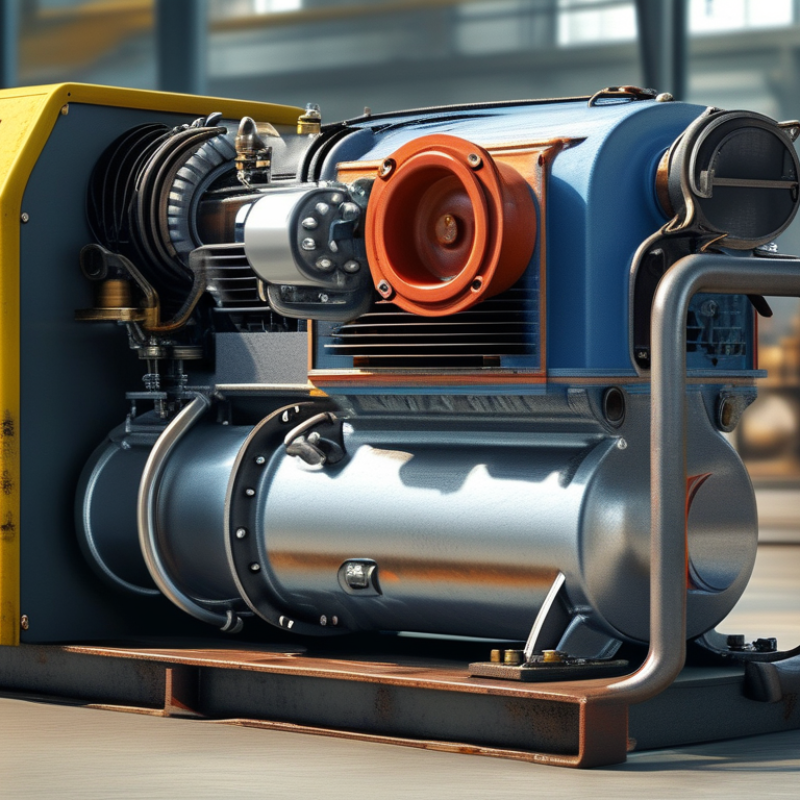
What is an Oil Flood Air Compressor and Its Primary Function?
An oil flood air compressor is quite unique in its design. It operates by utilizing oil as both a lubricant and a sealant. This method enhances efficiency and reduces wear. The primary function of this type of compressor is to compress air for various applications. The oil provides a better sealing capability, leading to more compressed air being generated per cycle.
One notable benefit is the reduced operational noise. These compressors often run quieter than their dry counterparts. This makes them ideal for environments where noise reduction is critical. However, it's essential to monitor oil levels regularly. An insufficient oil supply can damage the internal components.
Tips: Regular maintenance is crucial for optimal performance. Make sure to check for any oil leaks. Additionally, always use the recommended oil type for your compressor. This will enhance its lifespan and efficiency. Another point to consider is the oil quality. Dirty oil can lead to premature wear and tear. Keeping everything clean ensures better results.
Key Components of an Oil Flood Air Compressor System
An oil flood air compressor operates primarily through a few essential components.
The core of the system is the compressor itself, often a rotary screw type.
This design compresses air through rotating elements, providing a smooth and continuous flow.
The oil is mixed with air during compression, acting as both a lubricant and a coolant.
This integration significantly enhances the compressor's efficiency, allowing for longer operational periods without overheating.
Another key component is the oil separator.
After compression, the air-oil mixture enters this device. Its role is crucial, as it extracts oil from the compressed air before it reaches the end application.
Effective oil separation safeguards the air quality, ensuring minimal contamination.
This can sometimes be challenging: achieving optimal oil separation without impacting airflow can be a fine balance.
The system's cooling mechanisms are also vital.
Ambient air coolers or integrated oil coolers maintain an ideal operating temperature.
Failure in cooling can lead to increased wear on components.
Regular maintenance of these parts is crucial. Without proper care, the entire system can suffer, leading to efficiency losses.
Evaluating and addressing these challenges consistently contributes to better compressor performance in demanding environments.
How Oil Flooding Enhances Compressor Efficiency and Reliability
Oil flooding in air compressors is a fascinating subject. It significantly enhances efficiency and reliability. In oil-flooded compressors, oil doesn't just lubricate components; it also helps improve the cooling capacity. A study by the Compressors Industry Association shows that oil-flooded compressors achieve up to 25% higher efficiency than dry compressors. This is largely due to the oil’s ability to absorb heat and reduce friction.
Moreover, oil flooding minimizes wear and tear on compressor parts. The constant lubrication prevents metal-on-metal contact, extending the lifespan of the equipment. According to industry reports, compressors with oil flooding can experience a 30% reduction in maintenance costs. However, the challenge lies in ensuring the proper oil balance.
Too much oil can lead to increased carbon build-up, impacting performance negatively.
It's important for operators to regularly monitor oil levels and quality. Failure to do so can lead to decreased efficiency over time. There's always a delicate balance to maintain between lubrication and functionality. Industries using these compressors often need to invest in routine checks to sustain optimal performance. This ongoing attention can result in significant cost savings, but it requires commitment and diligence.
Applications of Oil Flood Air Compressors in Various Industries
Oil flood air compressors are widely used across various industries due to their efficiency and reliability. In manufacturing, these compressors provide a constant air supply for pneumatic tools. They help operate machinery, conveyors, and paint sprayers. By ensuring consistent pressure, they enhance productivity and quality in production lines.
In the automotive industry, oil flood air compressors are essential. They assist in tire inflation, tool operation, and spray painting. The compressed air helps achieve high finishes, which is critical for aesthetics. However, the challenge lies in maintaining oil cleanliness to avoid contamination in sensitive operations. This requires regular monitoring and maintenance.
In the food and beverage sector, these compressors play a dual role. They aid in packaging processes and ensure air quality standards. Oil fouling can pose risks, making adherence to strict hygiene practices necessary. Companies must reflect on the balance between efficiency and safety. Regular evaluations help prevent issues and improve overall performance.
Maintenance Best Practices for Oil Flood Air Compressors
Oil flood air compressors are known for their efficiency in generating compressed air. However, proper maintenance is crucial to ensure their longevity and performance. Regular checks can prevent costly downtimes. According to a report by the Association of Equipment Manufacturers, essential maintenance can improve the operational lifetime of air compressors by 30% or more.
Routine oil inspections are vital. The oil lubricates the internal components while also helping in cooling. Contaminated oil can lead to increased wear and tear. It's essential to perform oil changes based on the manufacturer's recommendations. Monitor oil levels regularly, especially during peak usage times.
Air filters also need attention. Clogged filters reduce air quality and compressor efficiency. Replacing or cleaning filters can lead to significant energy savings, with studies indicating up to 20% reduced operational costs. Ensure the compressor is clean from debris and dust. A clean environment improves product reliability and, ultimately, your output. Regular maintenance is not only about following guidelines; it's about creating a culture of reliability in your operations.
FAQS
: It is a type of compressor using oil as a lubricant and sealant. This enhances efficiency and minimizes wear.
It compresses air by creating better seals through oil. This results in more air produced per cycle.
These compressors typically operate quieter than dry models. This is beneficial in noise-sensitive environments.
Proper maintenance can increase the lifespan and efficiency of the compressor by up to 30%. It prevents costly downtimes.
Monitor oil levels and look for oil leaks. Also, inspect the air filters for clogs.
Dirty oil can cause increased wear and tear. Keeping oil clean is essential for better performance.
Insufficient oil can damage internal components. Always keep an eye on oil supply levels during use.
Perform oil changes based on recommendations and clean or replace air filters to maintain efficiency.
Clogged filters can reduce efficiency. They may lead to increased operational costs if not regularly maintained.
A clean compressor environment enhances reliability and improves overall output performance. Keeping it tidy matters.
Conclusion
An Oil Flood Air Compressor is a specialized type of air compressor that utilizes an oil-contaminated air stream to enhance its performance and longevity. This system primarily functions by integrating oil into the compression process, which reduces wear on components and improves the overall efficiency of the compressor. Key components include the oil separator, compressor elements, and lubrication systems that work together to ensure smooth operation.
The efficiency and reliability of Oil Flood Air Compressors are significantly enhanced through this oil flooding process, which minimizes friction and dissipates heat. These compressors find extensive applications across various industries, including manufacturing, automotive, and construction, where consistent and high-quality compressed air is essential. To maintain optimal performance, adherence to best maintenance practices is crucial, including regular checks of oil levels and component functionality, ensuring the compressor operates effectively throughout its lifespan.