
What is a Single Stage Screw Air Compressor and Its Benefits?

Time:2026-08-08 Author:Oliver
0%

The Single Stage Screw Air Compressor is a vital component in various industrial applications. It efficiently compresses air through a single rotation, simplifying operation and maintenance. This technology is known for its reliability and energy efficiency. Operators appreciate its ability to produce a steady air supply with minimal power consumption.

In environments where compressed air is essential, such as manufacturing and construction, the Single Stage Screw Air Compressor stands out. Its design reduces the risk of mechanical failure, making it a safer choice for teams. Many users report significant savings on energy costs over time, as the compressor operates smoothly.

Despite its advantages, some may wonder about the initial investment. It can be higher than other compressor types. However, long-term benefits often outweigh these costs. This balance of upfront expense and operational efficiency reflects a common challenge in industrial equipment decisions. Exploring the strengths and weaknesses of a Single Stage Screw Air Compressor is crucial for informed choices.
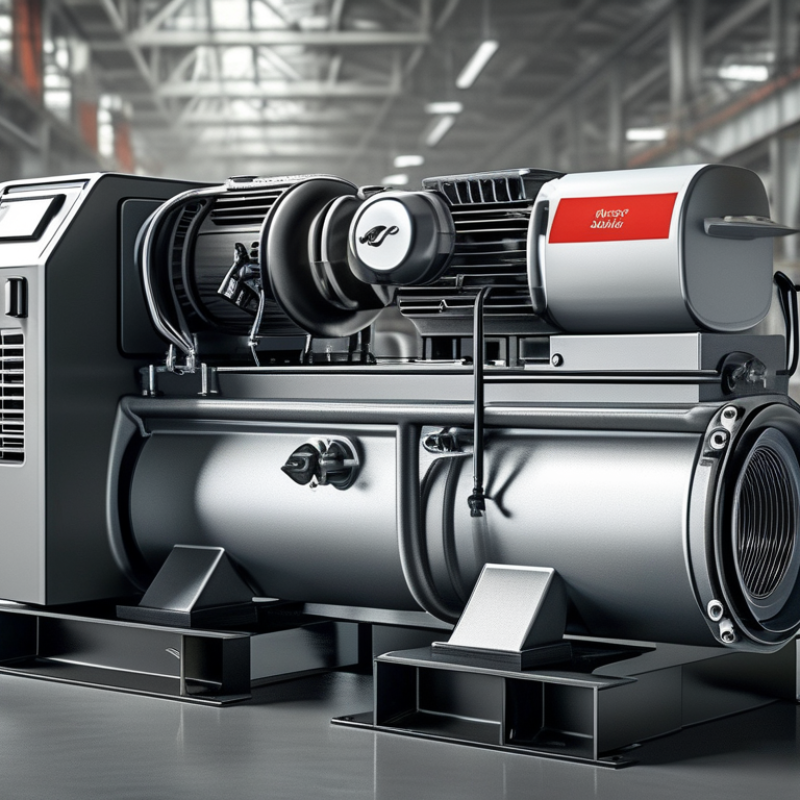
What is a Single Stage Screw Air Compressor and Its Benefits?

What is a Single Stage Screw Air Compressor?

A single stage screw air compressor is designed to generate compressed air efficiently. It features two meshing screws that compress air in a single step. This design allows for a smooth airflow and high reliability. These compressors are popular in various industries due to their simple construction and effective performance. They are commonly used in manufacturing, automotive, and HVAC applications.

The operation of these compressors is straightforward. As the screws rotate, air is drawn in and compressed. This process creates a consistent and reliable air supply. Users often appreciate the lower energy consumption compared to other compressor types. However, the initial investment can be a point of concern for some businesses. It’s essential to weigh the long-term savings against upfront costs.

One must consider the maintenance needs of a single stage screw air compressor. While generally low, regular checks and servicing are necessary. Some users might struggle with selecting the right size for their operations. An oversized or undersized unit can lead to inefficiencies. Being informed about these aspects can lead to better decision-making.

Single Stage Screw Air Compressor Efficiency Comparison

The bar chart above displays the efficiency percentages of Single Stage Screw Air Compressors across different capacity levels. As the capacity increases, the efficiency also improves, showcasing the advantages of using single stage screw air compressors in various applications.

Key Components and Mechanism of Operation

A single stage screw air compressor is a compact, efficient unit designed for various industrial applications. Its key components include rotors, housing, and a drive system. The two rotors are the core of the compressor. They work in tandem, turning to compress air. This design allows for continuous airflow and reduces energy consumption.

The mechanism operates on the principle of screw compression. As the rotors turn, they draw in air and compress it within the housing. This process creates a stable pressure output. A cooling system is often integrated to manage heat generated during operation. The overall design minimizes moving parts, reducing maintenance needs and enhancing reliability.

However, operators must consider factors like load variations and temperature changes. These can affect efficiency and performance. Regular maintenance checks are essential to ensure optimal functioning. It's important to analyze the operating conditions and adjust settings accordingly. This attention to detail can help avoid costly downtime and enhance productivity.

What is a Single Stage Screw Air Compressor and Its Benefits? - Key Components and Mechanism of Operation

Component Function Benefits
Air Intake Filter Removes impurities from the air before compression. Improves air quality and extends compressor life.
Screw Element Main component that compresses air using rotating screws. High efficiency and continuous operation.
Motor Drives the screw element for compression. Reliable and efficient power source.
Cooling System Removes heat generated during compression. Prevents overheating and ensures optimal performance.
Control Panel Monitors and controls compressor operation. Enhances usability and operational flexibility.
Oil Separator Removes oil from the compressed air. Ensures clean air delivery to end-use applications.

Advantages of Single Stage Screw Air Compressors

Single stage screw air compressors are known for their efficiency and reliability in various industrial applications. These devices compress air in a single stage, which means they are simpler and have fewer moving parts than their multi-stage counterparts. This design results in lower maintenance costs and longer service life. Industry reports note that single stage compressors can operate with energy efficiency levels exceeding 90%. This is particularly beneficial in settings where energy consumption is a significant concern.

One of the key advantages of single stage screw air compressors is their compact design, which saves valuable floor space in factories. Additionally, they generally operate quietly, making them suitable for environments needing lower noise levels. Many users have reported reduced operational costs due to improved energy management, as these compressors often consume less power compared to traditional models. According to research from the Compressed Air and Gas Institute, companies can save up to 30% on energy expenses by switching to modern compressor technologies.

Tips: Regular maintenance is crucial. Clean air filters and check for leaks regularly. Consider investing in quality components to enhance performance. Remember, even minor issues can lead to significant inefficiencies. Always reflect on your processes to identify improvement areas.

Efficiency Metrics and Energy Consumption Statistics

A single stage screw air compressor operates efficiently for various applications. Its design focuses on high performance with low energy consumption. According to industry data from the Compressed Air and Gas Institute, these compressors can achieve energy efficiency ratings exceeding 90%. This efficiency significantly reduces operational costs and environmental impact.

Consider energy consumption statistics. A single stage compressor typically utilizes around 0.17 to 0.25 kWh per cubic meter of compressed air produced. This means that companies can save substantial energy costs over time. Those switching to these systems report energy savings of around 20-30% compared to traditional piston compressors.

Tips: Regular maintenance can improve performance. Keep an eye on any air leaks. Even small leaks can lead to wasted energy and increased costs. Make sure to review your compressor's efficiency regularly. Track energy consumption patterns to identify areas for improvement.

Applications in Industrial Settings and Their Impact

Single stage screw air compressors play a crucial role in various industrial applications. Their design allows for efficient air compression, which is essential in environments where high volume and constant airflow are required. Common applications include manufacturing plants, automotive workshops, and construction sites. These compressors enhance productivity by providing a reliable source of compressed air.

Operators must regularly maintain their compressors to ensure efficiency. Neglect can lead to performance issues and increased energy consumption. Regular checks on filters and oil levels are essential. A small investment in preventive maintenance can save significant costs in the long run.

In industries like food processing, the use of air compressors must meet stringent hygiene standards. Compressed air must be clean and free of oil contamination. Failing to follow these guidelines can lead to product spoilage. Hence, regular testing of the air quality is vital.

Understanding the specific needs of your industry can optimize the benefits of a single stage screw air compressor. Each application may require different pressure levels and airflow rates. Tailoring the compressor settings to match these requirements can significantly improve efficiency.

FAQS

: What are the main advantages of single stage screw air compressors?

: They are efficient, reliable, and have fewer moving parts than multi-stage compressors. This reduces maintenance costs.

How efficient are single stage screw air compressors?

They can operate with energy efficiency levels exceeding 90%, lowering operational costs significantly.

Why is the compact design important for these compressors?

It saves valuable floor space in factories, allowing more flexibility in layout.

How does noise level compare to traditional compressors?

Single stage compressors generally operate quietly, making them ideal for noise-sensitive environments.

What can companies save in energy costs by using these compressors?

Switching to modern technology can save companies up to 30% on energy expenses.

How much energy do these compressors typically use?

They consume around 0.17 to 0.25 kWh per cubic meter of compressed air produced.

What maintenance tips are important for single stage compressors?

Regularly clean air filters, check for leaks, and invest in quality components.

Can small issues impact compressor efficiency?

Yes, even minor problems can lead to significant inefficiencies and increased costs.

How often should performance and efficiency be reviewed?

Regular reviews help track energy consumption patterns and identify improvement areas.

What is a key consideration for improving these compressors’ performance?

Reflect on processes and consider regular maintenance to enhance overall efficiency.

Conclusion

A Single Stage Screw Air Compressor is a highly efficient device that utilizes a pair of helical screws to compress air in a single stage, offering a reliable source of compressed air for various applications. Key components, such as the rotors and housing, work together in a continuous process to intake, compress, and discharge air, making this technology both effective and consistent.

The advantages of Single Stage Screw Air Compressors include their durability, lower maintenance requirements, and superior energy efficiency compared to traditional compressors. They are particularly beneficial in industrial settings, where energy consumption metrics demonstrate significant savings over time. The widespread application of these compressors enhances productivity while minimizing operational costs, thereby solidifying their importance in modern manufacturing and production environments.

Oliver

Oliver

Oliver is a seasoned marketing professional with a wealth of expertise in driving brand awareness and engagement. With a deep understanding of our company's product offerings, he consistently delivers high-quality content that enriches our professional blog. His insights not only shed light on......