
Top Small Air Compressors in 2026 for Global Buyers?

Time:2026-07-07 Author:Sienna
0%

As the demand for versatile tools rises, the small air compressor industry is booming. By 2026, global buyers will have many options. According to Dr. Emily Carter, a leading expert in pneumatic technology, “The small air compressor is a powerhouse for DIY projects and industrial tasks alike.” This statement highlights its multifunctionality.

Small air compressors play a crucial role across various applications. They serve not just hobbyists but also small business owners. Their portability and efficiency make them attractive to numerous users. However, selecting the right model can be daunting. The market is flooded with choices, each promising unique benefits.

Amidst this growth, challenges remain. Some users report issues with durability and power output. Others may overlook necessary features in favor of a lower price. Quality and reliability are critical factors for effective use. Buyers must weigh their options carefully and invest wisely. While the future looks bright for small air compressors, it’s vital to reflect on the nuances of each model.
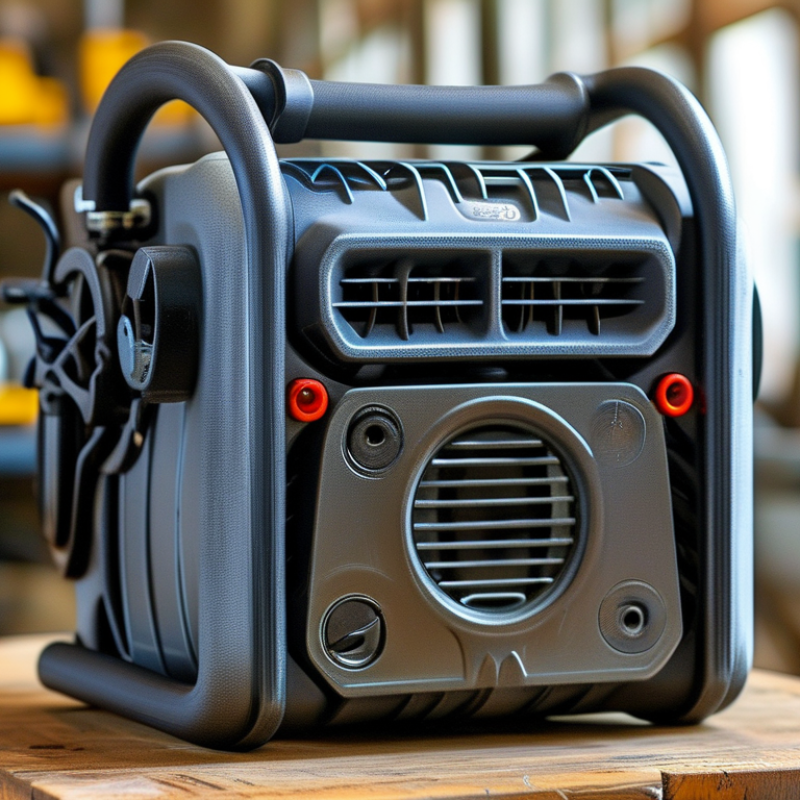
Top Small Air Compressors in 2026 for Global Buyers?

Market Trends for Small Air Compressors in 2026: A Comprehensive Analysis

The small air compressor market is evolving. In 2026, the demand for these devices is projected to increase by 12% annually. Buyers are particularly interested in lightweight models that boast portability and energy efficiency. This trend reflects a growing preference for compact solutions in both personal and professional settings.

According to industry reports, mobile applications are key drivers. Small air compressors are used in various fields, from automotive to home improvement. Their ability to inflate tires and power tools makes them indispensable. However, quality issues remain a challenge. Many users report dissatisfaction due to subpar performance in continuous use.

Environmental concerns also shape market dynamics. Sustainable production methods are gaining traction. Buyers are increasingly looking for energy-efficient models that minimize carbon footprints. The focus on eco-friendly solutions presents a complex issue. Manufacturers must balance efficiency with affordability. As competition intensifies, continuous innovation will be crucial to meet changing consumer needs.

Key Features and Specifications of Leading Small Air Compressors

As the demand for small air compressors continues to rise, understanding their key features is essential. Industry reports show that the global air compressor market is projected to reach $41.2 billion by 2026. This growth underscores the importance of compact, efficient models tailored for varying needs.

Leading small air compressors typically feature lightweight designs for portability. Most units operate between 60 and 70 decibels, making them suitable for both indoor and outdoor use. A pivotal specification is their CFM (cubic feet per minute) rating. Many newer models deliver up to 5 CFM at 90 PSI, ensuring sufficient power for tasks such as inflating tires or powering pneumatic tools.

The tank capacity varies significantly among models. Smaller tanks, around 1-3 gallons, are common for casual users, while high-demand scenarios benefit from tanks up to 6 gallons. However, users often overlook the impact of recovery time. Faster recovery can enhance efficiency, especially in professional settings. Despite their advantages, some models may struggle with consistent pressure under heavy use, prompting buyers to consider their specific application needs. Analyzing user reviews and expert ratings can provide further insights into performance and reliability.

Environmental Impact and Energy Efficiency in Small Air Compressors

As global awareness of environmental issues grows, small air compressors are evolving to meet energy efficiency standards. These machines now offer advanced technology to reduce power consumption. By optimizing motor designs, they decrease energy waste, making them more sustainable for daily use.

Energy-efficient small air compressors also aim to minimize noise pollution. Traditional compressors can be loud and disruptive. New models incorporate soundproofing materials, ensuring quieter operation. This is a significant step in addressing workplace comfort, especially in residential areas. Investments in better insulation can lead to quieter and more environmentally friendly designs.

Despite these advancements, some challenges remain. Many consumers still overlook these energy-efficient models. The initial higher cost can be a deterrent. Additionally, the market lacks standardized testing for efficiency claims, leading to confusion. As buyers become more aware, the industry must address these issues to build trust and credibility in its commitment to sustainability.

Top Small Air Compressors in 2026: Environmental Impact and Energy Efficiency

Comparative Pricing Analysis of Small Air Compressors Globally

As small air compressors gain popularity in various industries, understanding their pricing is essential for buyers worldwide. In 2026, these devices showcase a broad price range influenced by factors such as power, portability, and feature sets. On average, consumers can expect to pay anywhere from $100 to $500, depending on specific needs and functionalities. Most entry-level models come with basic features, while more sophisticated ones offer advanced technology and greater efficiency.

Buyers should also consider the long-term costs associated with maintenance and energy consumption. Often, cheaper models may lead to higher operating costs due to inefficiency. Additionally, the price can reflect the quality of materials and build. Investing in a higher-priced unit may yield better durability and performance, which is crucial for frequent users. However, for occasional use, a budget-friendly option could suffice.

Navigating the global market is not without its challenges. Variability in tariffs, shipping costs, and exchange rates significantly impacts final pricing. These fluctuations can mislead prospective buyers. Moreover, it's important to reflect on the features you actually need. Many options come packed with unnecessary functions, driving up prices. Finding a balance between cost and usability is key for making a well-informed decision.

Buyer Considerations: Selecting the Right Small Air Compressor in 2026

When selecting a small air compressor in 2026, buyers must consider several key factors. Efficiency is crucial; an efficient compressor can save significant energy costs. Reports indicate that energy-efficient models can reduce electricity consumption by up to 25% compared to older versions. This is essential for both industrial and home use.

Portability is another important aspect. Smaller, lightweight models are ideal for those needing mobility. Many top options weigh less than 30 pounds, making them easy to transport. Noise level also should be examined. A quieter compressor, typically operating below 70 dB, can make a big difference in work environments.

Buyers should also evaluate maintenance needs. Some models require more frequent maintenance, which can lead to higher costs over time. In fact, consumers reported that overlooked maintenance led to a 30% decrease in performance for many compressors. An informed choice will focus on durability and long-term performance, even if that means sacrificing some initial savings. Ultimately, understanding these factors will ensure a better purchasing decision in the dynamic market of small air compressors.

Top Small Air Compressors in 2026 for Global Buyers

Model Max Pressure (PSI) Tank Size (Gallon) Power (HP) Weight (lbs) Noise Level (dB) Price ($)
Model A 150 6 1.5 30 68 199
Model B 120 8 2.0 40 70 249
Model C 100 4 1.0 25 65 149
Model D 130 6 1.5 35 72 199
Model E 140 5 2.0 45 67 229

FAQS

: What are the key features of small air compressors?

: Key features include lightweight designs, noise levels around 60-70 decibels, and CFM ratings up to 5 at 90 PSI.

How important is tank capacity in air compressors?

Tank capacity impacts performance. Smaller tanks (1-3 gallons) are for casual users, while bigger tanks (up to 6 gallons) suit high-demand needs.

Why is recovery time significant in air compressors?

Faster recovery enhances efficiency, especially in professional settings, where consistent airflow is crucial for productivity.

What should buyers look for regarding energy efficiency?

Look for advanced technologies that decrease power consumption and noise pollution, contributing to a more sustainable product.

Are energy-efficient models more expensive?

Yes, energy-efficient models typically have a higher initial cost, which can deter some consumers despite long-term savings.

What factors influence the price of small air compressors?

Price varies based on power, portability, and features, typically ranging from $100 to $500 for different needs and functionalities.

How do maintenance and energy costs affect overall value?

Cheaper models may incur higher long-term costs due to inefficiency. Durable, expensive units can save money over time.

What challenges exist when buying air compressors globally?

Fluctuations in tariffs, shipping costs, and exchange rates can mislead buyers, complicating pricing comparisons across regions.

Should buyers consider unnecessary features in air compressors?

Yes, many models have features that may not be needed, which can inflate prices. Focus on what truly meets your needs.

How can consumer awareness affect the market for air compressors?

As buyers become mindful of energy efficiency, the industry must improve standardization and transparency to build trust.

Conclusion

The article titled "Top Small Air Compressors in 2026 for Global Buyers" explores the evolving market trends and critical features of small air compressors, emphasizing their growing popularity among consumers. A comprehensive analysis reveals that advancements in technology have significantly improved the energy efficiency and environmental impact of these devices, making them more appealing for a variety of applications. Buyers are presented with detailed specifications of leading models, enabling informed decisions based on performance and efficiency.

Additionally, the article includes a comparative pricing analysis for small air compressors on a global scale, highlighting the diverse options available to consumers. Essential buyer considerations are discussed, guiding readers in selecting the right small air compressor to meet their specific needs in 2026. Overall, the piece serves as an informative resource for potential buyers looking to invest in effective and sustainable air compressor solutions.

Sienna

Sienna

Sienna is a skilled marketing professional with a deep expertise in our company’s core products and services. With a passion for innovation and detail, she plays a pivotal role in crafting insightful blog posts that not only highlight the unique features of our offerings but also provide valuable......