
Top Tips for Choosing a Compressor Desiccant Dryer?

Time:2026-07-07 Author:Henry
0%

When selecting a Compressor Desiccant Dryer, industry expert John Smith emphasizes, “The right dryer can prevent costly downtime.” His extensive experience highlights the importance of choosing the right equipment. Each Compressor Desiccant Dryer offers unique features and specifications. Understanding these can make all the difference in ensuring optimal performance.

Choosing a Compressor Desiccant Dryer is not just about price. It involves considering efficiency and capacity. Factors like energy consumption, drying capacity, and operating environment should influence your decision. A poorly chosen dryer can lead to inefficiencies. This could increase costs and compromise your system's reliability.

Research is key in this selection process. Compare various models and inquire about warranty and service plans. It's essential to consult experts and gather detailed insights. Making an informed choice now can save you from future headaches. A little reflection on these factors can lead to a more reliable and efficient operation.
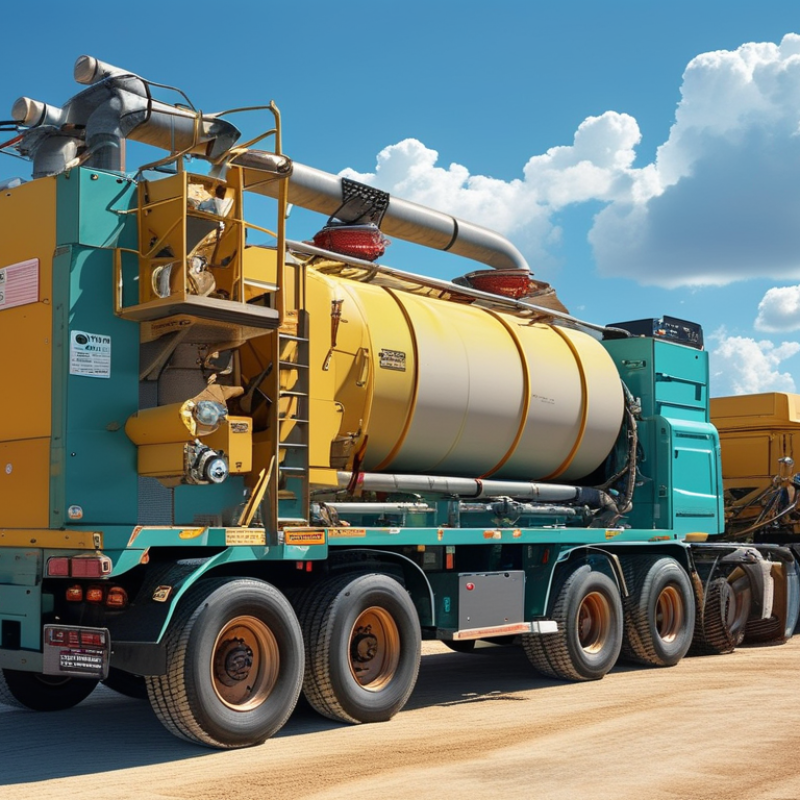
Top Tips for Choosing a Compressor Desiccant Dryer?

Understanding the Functionality of Compressor Desiccant Dryers

Compressor desiccant dryers play a crucial role in maintaining the quality of compressed air systems. They effectively remove moisture, which can cause numerous issues, including corrosion and equipment malfunction. According to a recent industry report, moisture in compressed air accounts for over 70% of system failures. Understanding how these dryers function is essential for efficient operation.

These dryers utilize desiccant materials that absorb moisture from the air. They operate in cycles, where one chamber dries air while the other regenerates. This process can achieve dew points as low as -40°F. However, the selection of the right desiccant is critical. Different materials, like silica gel or activated alumina, offer varying efficiency levels. Industry data suggests that choosing the right type can increase energy efficiency by up to 30%.

Regular maintenance of desiccant dryers is vital. Users often overlook this aspect. Not maintaining the system can lead to a decline in performance. Inefficiency can counteract the advantages of having a dryer. Data indicates that poorly maintained systems can lead to increased operational costs by up to 25%. Remember, the choice of dryer directly influences overall system health.

Top Tips for Choosing a Compressor Desiccant Dryer

This chart illustrates the key factors to consider when selecting a compressor desiccant dryer, rated on a scale from 1 to 10 in terms of their importance. Energy efficiency and drying capacity are the most critical factors to ensure optimal performance.

Key Considerations When Selecting a Desiccant Material

When selecting a desiccant material for a compressor desiccant dryer, various factors must be considered. The drying efficiency, temperature, and humidity levels in your application are crucial. Each desiccant type has unique properties. Some may excel in moisture absorption, while others perform better at higher temperatures.

Consider looking into silica gel. It is popular for its moisture absorption capacity. Alternatively, activated alumina is effective for higher-temperature applications. Evaluate how often you need to regenerate the desiccant. Frequent regeneration can lead to higher operational costs and downtime.

Choose the right desiccant for your needs. Assess your specific applications. User feedback often highlights that the wrong choice can lead to inefficient drying. Conduct tests if possible. The performance can vary based on environmental conditions. Keep in mind that not all desiccants are created equal. Test different materials to find the best fit.

Evaluating the Size and Capacity Requirements for Your Application

Selecting the right size and capacity for a compressor desiccant dryer is critical for optimal performance. The choice should be based on application requirements, which can vary greatly. According to industry data, a miscalculation in sizing can lead to 20-30% energy wastage. It highlights the importance of accurately assessing your drying needs.

When evaluating capacity, consider the air flow rate and the moisture load. A dryer should be able to handle 20% more than your peak demand, ensuring efficiency during high usage periods. A dryer that is too small may struggle, leading to inadequate drying and potentially damaging equipment. Professional reports suggest that proper sizing can extend the life of the dryer by up to 50%.

Monitoring ambient conditions is also crucial. Humidity levels fluctuate, impacting the dryer’s workload. If left unaccounted for, these variations can lead to system inefficiencies. Regular performance assessments can help identify if adjustments are needed. An undersized unit may lead to frequent downtime and maintenance issues, reflecting the need for ongoing evaluation.

Assessing Energy Efficiency and Operational Costs

When selecting a compressor desiccant dryer, energy efficiency and operational costs should be central to your decision. The U.S. Department of Energy reports that compressed air systems can consume around 10% of a facility's total energy. Understanding the energy consumption of different dryer models is crucial. Look for dryers with high energy recovery rates, as this can significantly reduce operational costs. A well-designed desiccant dryer might reduce energy costs by up to 30% compared to traditional models.

In terms of maintenance costs, a dryer with a longer service life can enhance reliability. Research shows that frequent maintenance and replacement of parts can surge costs by up to 20% annually. Therefore, assessing the recommended service intervals is vital. Models that need less frequent servicing not only save money but also minimize downtime. Take into account the potential impact of system failure on production. Investing in a high-quality dryer may pose a greater upfront cost, yet it can lead to lower long-term expenses.

It’s also important to analyze the total cost of ownership. This includes initial purchase price, energy usage, and maintenance over time. Some reports indicate that the average lifespan of desiccant dryers is about 10 to 15 years, depending on usage and maintenance practices. Balancing initial costs with these factors often proves challenging. Not every model will suit every application perfectly. Evaluating your specific needs will lead to better long-term performance and savings.

Choosing Between Regeneration Methods for Optimal Performance

When selecting a compressor desiccant dryer, regeneration methods play a crucial role in performance. Two common methods are heatless and heated regeneration. Heatless dryers use compressed air to remove moisture, making them energy-efficient. However, they may not achieve the same level of dryness as heated systems. The choice often depends on the specific application demands.

According to industry studies, heated regeneration can reduce energy consumption by up to 50%. This process uses external heat to regenerate the desiccant. While effective, it requires careful monitoring of temperature and flow rates. In contrast, heatless systems are simpler but can lead to increased operational costs over time. In fact, many facilities see energy consumption rise by 20% when opting for heatless methods.

Moreover, the choice of regeneration method can influence the dryer’s lifespan. Heated dryers require more maintenance and regular checks. On the other hand, heatless systems are generally more robust but may underperform in high humidity conditions. Each method has trade-offs that must be considered based on the specific environmental conditions and operational needs of the facility.

FAQS

: What is the main purpose of compressor desiccant dryers?

: They remove moisture from compressed air systems to prevent corrosion and equipment issues.

How do desiccant dryers function?

They use cycles where one chamber dries air while the other regenerates. This process achieves low dew points.

Why is selecting the right desiccant material important?

Different desiccants have varied efficiencies. The right choice can boost energy efficiency by up to 30%.

What happens if desiccant dryers are not regularly maintained?

Poor maintenance can cause a decline in performance and increase operational costs by up to 25%.

What should be considered when choosing a desiccant?

Assess drying efficiency, temperature, and humidity levels. Different materials perform uniquely under these conditions.

What are the two main regeneration methods for desiccant dryers?

The two methods are heatless and heated regeneration. Each has specific advantages and disadvantages.

How does heated regeneration affect energy consumption?

Heated regeneration can reduce energy usage by up to 50%, but requires careful monitoring.

Are heatless dryers effective in all conditions?

Heatless dryers are simple and energy-efficient but may underperform in high humidity situations.

How often should desiccants be regenerated?

The frequency impacts operational costs and downtime. Frequent regeneration can lead to higher costs.

What is a common issue with desiccant selection?

Users often choose the wrong type, leading to inefficient drying and potential system failures.

Conclusion

When selecting a Compressor Desiccant Dryer, it’s essential to understand its functionality, which plays a crucial role in moisture control in compressed air systems. Key considerations include choosing the right desiccant material that fits your specific application needs, as this will impact efficiency and effectiveness.

Additionally, evaluating the size and capacity requirements is vital to ensure the dryer can handle the anticipated moisture load without overloading. Assessing energy efficiency and operational costs helps in identifying long-term savings, making the system more economically viable. Finally, choosing the appropriate regeneration method can enhance performance and reduce downtime, ensuring optimal results in your operations.

Henry

Henry

Henry is a dedicated marketing professional with a profound expertise in the company's offerings. With years of experience in the industry, he possesses an impressive understanding of the market dynamics and consumer behaviors that drive success. Henry is committed to sharing his insights through......