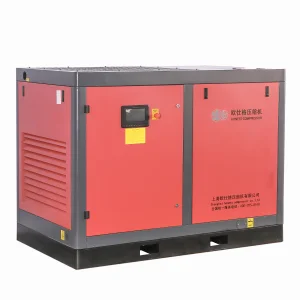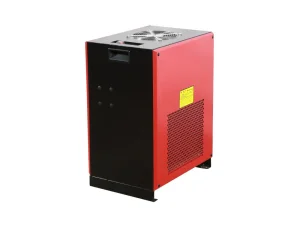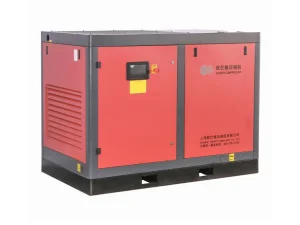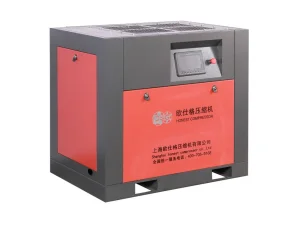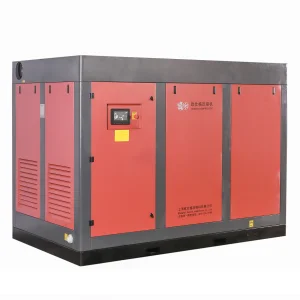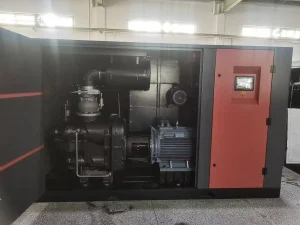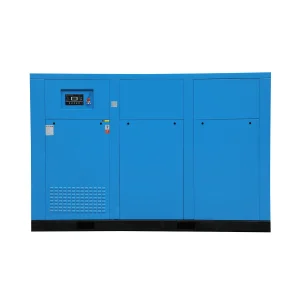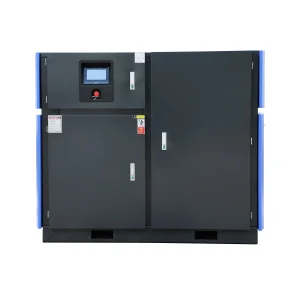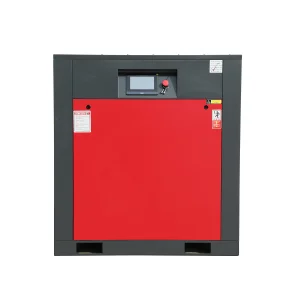
High-reliability permanent magnet frequency conversion pumps, dry screw systems, and high-precision compression hardware directly from our state-of-the-art export facility.
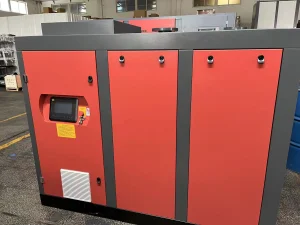
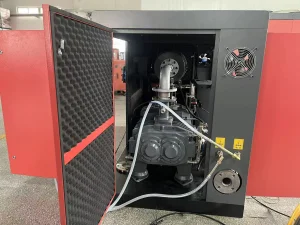
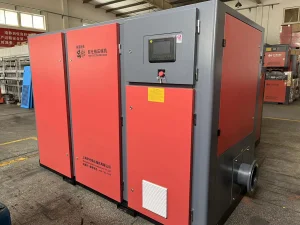
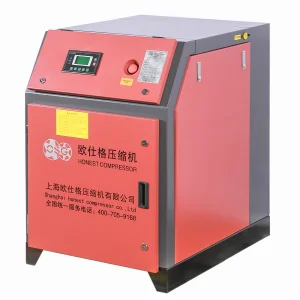
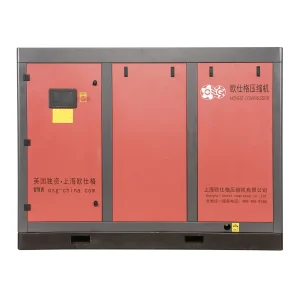
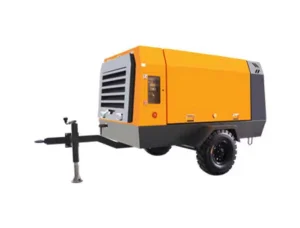
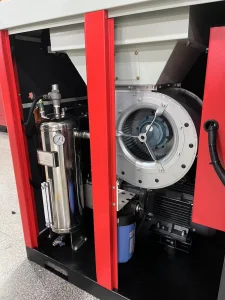
Modern industrial manufacturing relies heavily on the generation of stable, reliable, and energy-efficient vacuum environments. Across industries ranging from semiconductor fabrication and pharmaceutical formulation to food packaging and petrochemical refining, vacuum technology dictates the limits of throughput, product purity, and environmental compliance. This whitepaper analyzes the engineering design metrics of modern dry screw vacuum systems, contrasts permanent magnet variable frequency innovations, details the cost and optimization profiles of Chinese manufacturing hubs, and charts the technological development toward Industry 4.0 automation.
Executive Abstract: Industrial processes require continuous uptime, minimum maintenance overhead, and tight control over operational energy parameters. The shift from classic liquid ring or lubricated rotary vane pumps to dry, oil-free screw systems driven by Permanent Magnet Variable Speed Drives (PM VSD) has emerged as the definitive path toward operational optimization. This document serves as an exhaustive reference for procurement leads and process engineering directors evaluating next-generation vacuum and compression units.
Screw vacuum pumps utilize two parallel, intermeshing screw-shaped rotors rotating in opposite directions. The precision tolerances between these rotors trap gas volume at the intake and progressively reduce its space, conveying it toward the exhaust port. Because there is no internal contact between the moving rotors, nor between the rotors and the compression chamber wall, there is no need for oil lubrication inside the compression space. This simple mechanical setup forms the foundation of modern oil-free dry vacuum technology.
The mechanical efficiency of these systems is drastically improved through the deployment of Variable Speed Drive (VSD) technology powered by Permanent Magnet (PM) motors. Standard induction motors struggle to maintain high efficiency when running outside of their nominal speeds. PM motors, conversely, exhibit flat efficiency curves across a broad RPM range. This allows the system controller to optimize vacuum pressure in real-time, responding dynamically to shifts in process volume requirements without burning excess power or generating excessive heat.
In addition, advanced PLC integrations allow for constant monitoring of vital stats like rotor temperature, inlet temperature, and motor current. Any deviations from normal limits trigger automatic warnings or speed changes, safeguarding critical machinery against thermal overload or liquid intrusion.
| Technology Parameter | Standard Liquid Ring Pump | Micro-Oil Rotary Vane | Advanced Dry Screw (VSD PM) |
|---|---|---|---|
| Oil/Water Intrusions | High risk of liquid degradation | Potential oil mist in exhaust | 100% Zero contamination |
| Energy Consumption | Fixed high load (unregulated) | Moderate load (mechanical clutch) | Dynamic load (up to 45% savings) |
| Ultimate Vacuum Limit | Around 33 mbar | Down to 0.1 mbar | Down to 0.01 mbar (highly stable) |
| Maintenance Cycles | High (corrosion, water supply check) | Frequent oil/filter replacement | Extended (low mechanical wear) |
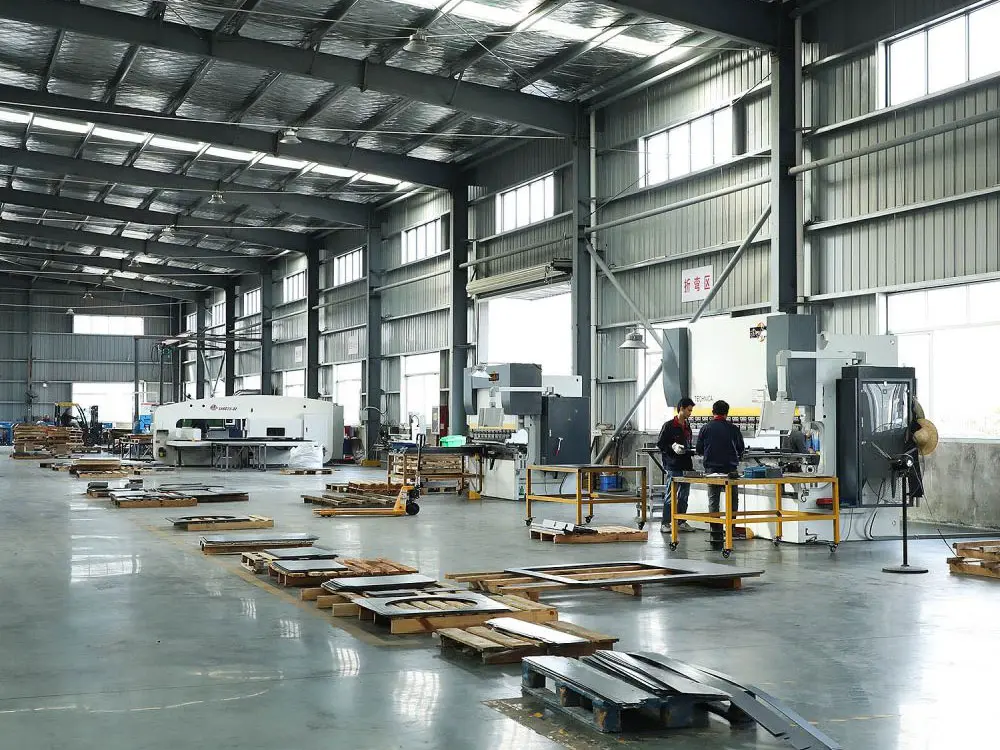
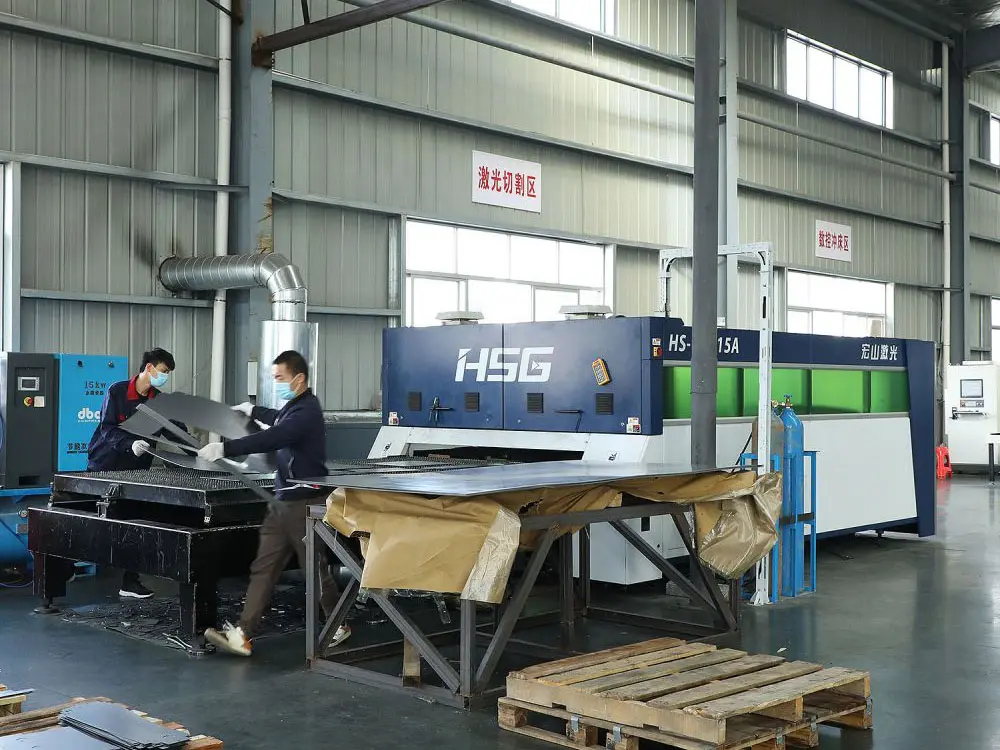
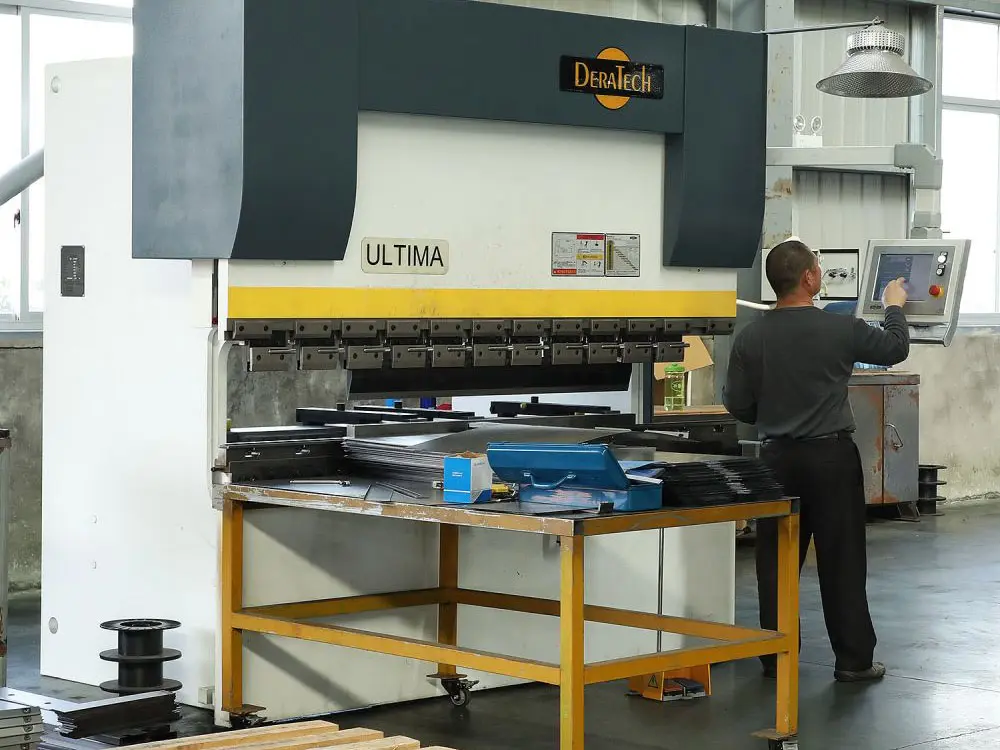
Evaluating manufacturing locations is a critical component of global procurement. Chinese industrial manufacturing centers, especially those centered in industrial zones like Jiading District, Shanghai, have moved beyond basic manufacturing to become centers of precision engineering. The concentration of component suppliers, automated foundry services, and high-performance CNC rotor milling installations forms a highly efficient regional network.
This ecosystem allows specialized factories to provide extensive ODM (Original Design Manufacturer) services. Local suppliers can source specialized raw materials, custom electronic control boards, and specialized sealing components at very competitive rates. In addition, these facilities can quickly prototype and adapt systems for specific mechanical needs, ensuring that global clients receive highly specialized vacuum equipment tailored to their exact parameters.
Key quality advantages of this concentrated supply hub include:
Rotor housings and dynamic components are cast using specialized materials that minimize thermal expansion, maintaining tight clearances even during continuous operation.
State-of-the-art testing stations evaluate vibration levels, thermal distribution, and ultimate sealing limits under simulated load conditions before packing.
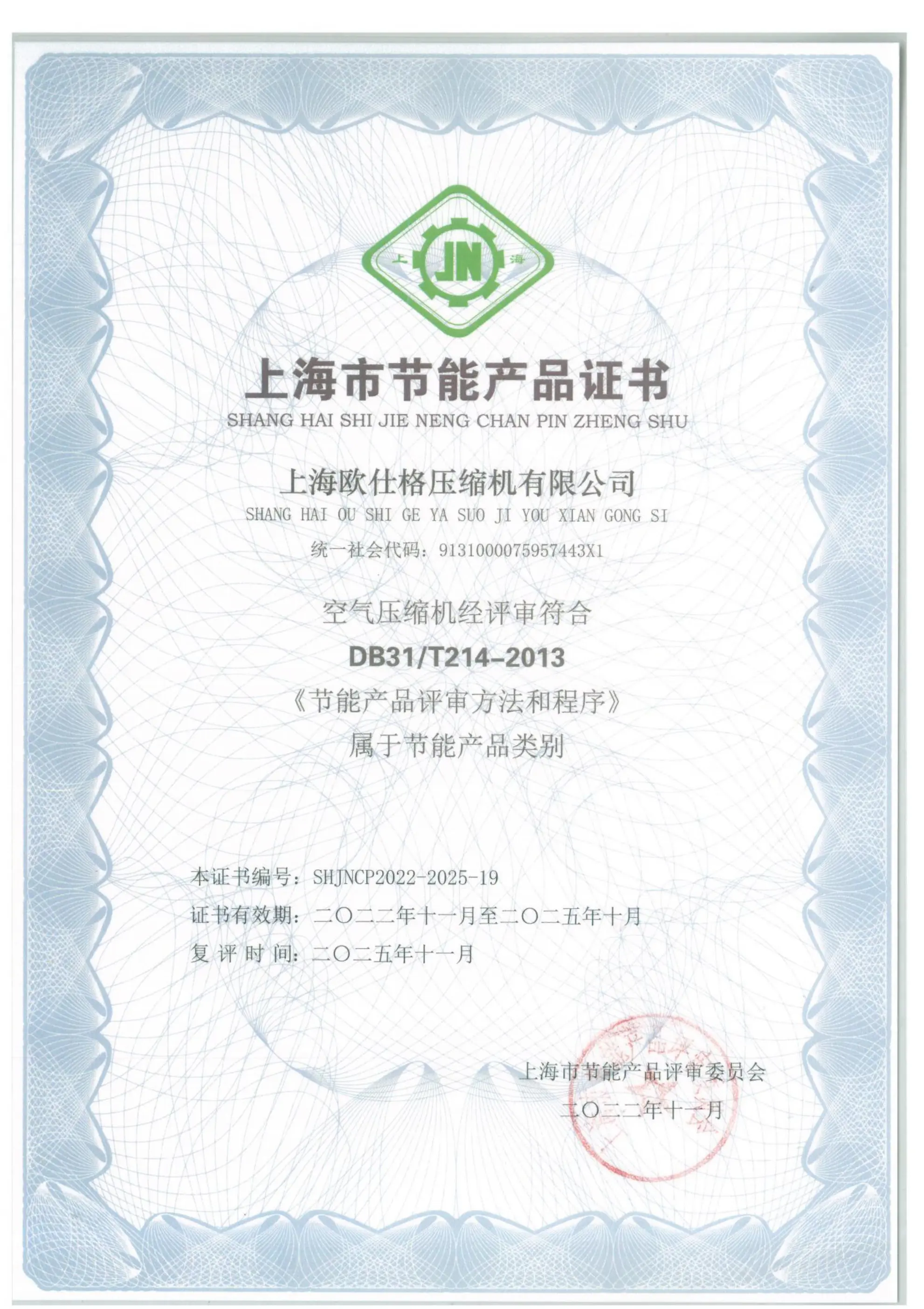
Production systems are aligned with CE, ISO9001, and UL guidelines, ensuring easy regulatory compliance and import procedures for clients worldwide.
Industrial vacuum requirements differ significantly depending on the chemical characteristics of the gas, environmental humidity, and processing pressures. Selecting a system requires assessing whether the operation involves chemical vapors, volatile organic compounds, or fine particulates. Our ODM engineering services adapt basic vacuum equipment layouts to match these distinct process requirements.
Modern micro-chip manufacturing requires very clean environments free of dust and vapor contaminants. Dry screw vacuum pumps provide a completely clean process chamber during delicate chemical vapor deposition (CVD) and physical vapor deposition (PVD) steps. By avoiding oil inside the pump unit, back-streaming is eliminated, protecting expensive silicon wafers from contamination.
Processing chemicals often releases volatile solvents that would degrade the lubricating fluid of standard oil-filled pumps. Utilizing dry screw systems allows these active vapors to pass safely through the pump chamber without mixing with lubricants. This setup simplifies down-stream condensation systems, enabling easy recovery of valuable compounds and protecting the surrounding environment.
For large-scale industrial and mining operations, vacuum equipment must handle dusty and harsh gases. Two-stage compression systems and rugged screw configurations are utilized to handle these particulates. They provide stable vacuum levels for oxygen degassing in steel manufacturing and vacuum refining processes, showing excellent durability under high-stress conditions.
When purchasing complex systems like industrial air compressors and vacuum equipment, procurement managers must look beyond the initial purchase price. The Total Cost of Ownership (TCO) is comprised of three key variables: initial price, utility consumption (power and water), and long-term maintenance costs. Over an average ten-year lifecycle, energy consumption accounts for nearly 75% of the total system cost.
Our VSD PM (Variable Speed Drive Permanent Magnet) systems are engineered to target this lifecycle cost. By matching speed directly to process demand, they prevent the common waste associated with fixed-speed motors venting pressure during idling periods. Furthermore, dry screw pumps do not require oil filtration components, simplifying maintenance procedures and reducing downtime costs.
According to MRFR analysis, the dry vacuum pump market size is valued at US$ 5.97 billion in 2024. The dry vacuum pump market is expected to grow from US$ 6.17 billion in 2025 to US$ 8.28 billion in 2034. This growth is driven by increasing environmental regulations, transition to clean energy manufacturing, and the need for energy-efficient machinery.
Key technical trends shaping the industry include:
Shanghai Honest Compressor Co., Ltd. is a British-owned enterprise founded in early 2004. Our primary manufacturing facility is located at NO. 355 Jiajian Branch Road, Malu Town, Jiading District, Shanghai, China. We are a large-scale manufacturing enterprise specializing in twin-screw air compressors and advanced industrial vacuum systems.
As a leading supplier of air and vacuum solutions, we provide a comprehensive range of equipment, including piston air compressors (low, medium, and high pressure; oil-free designs), screw air compressor systems (3KW-480KW configurations), gas separation equipment, refrigerant compressors, refrigerated air dryers, inline filters, and specialized consumables. We work closely with international clients to deliver tailored OEM and ODM solutions.
Explore our full line of industrial compressors, VFD PM machines, two-stage screw air systems, and associated air treatment accessories.