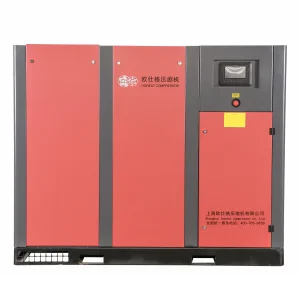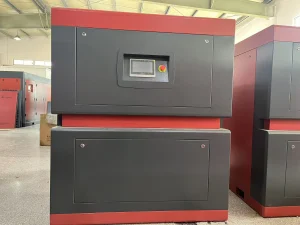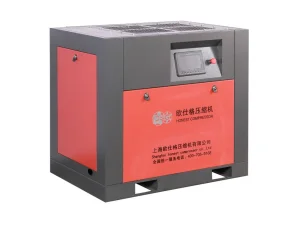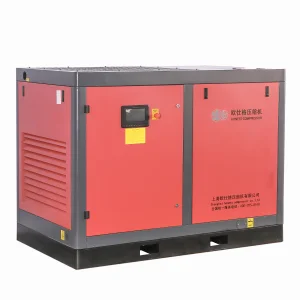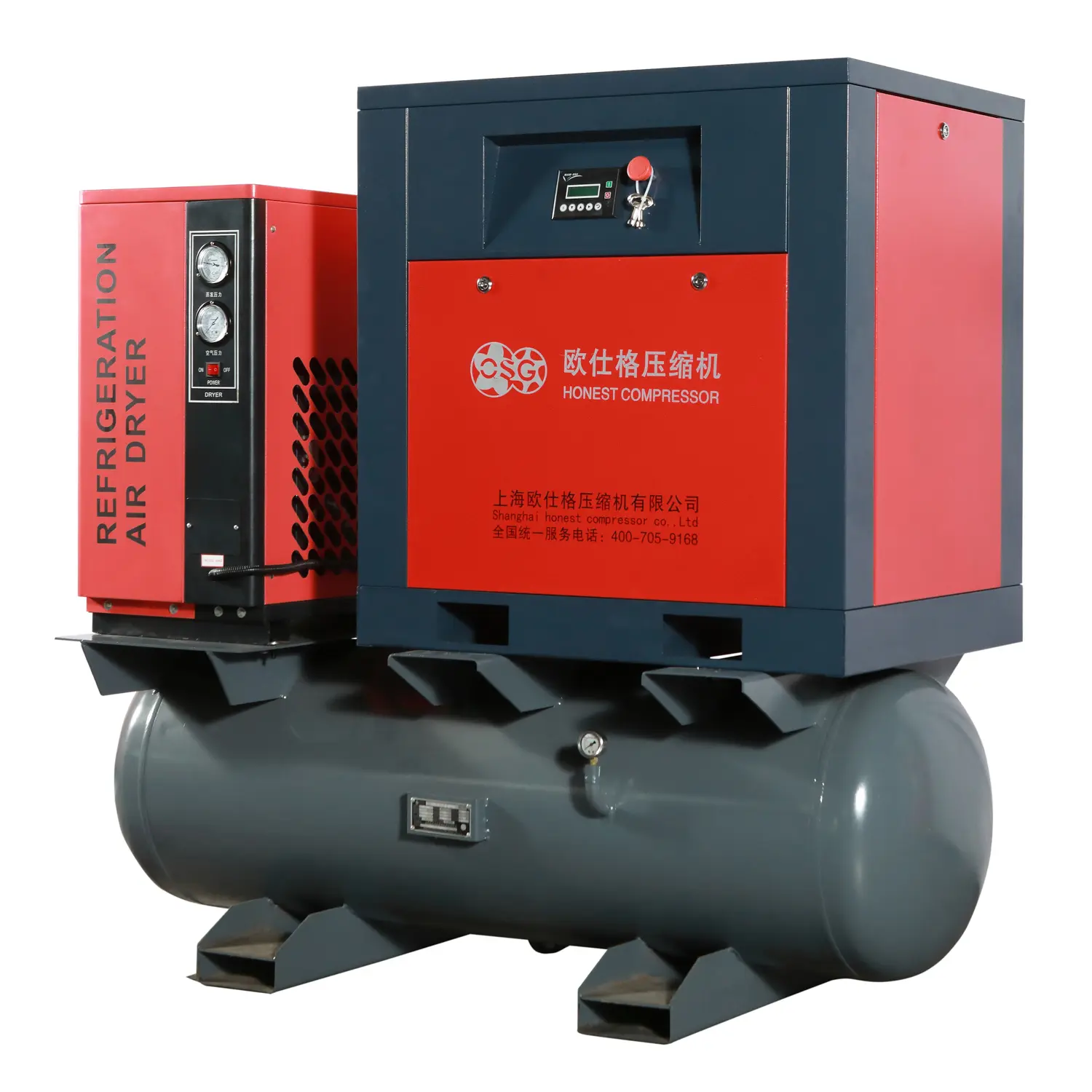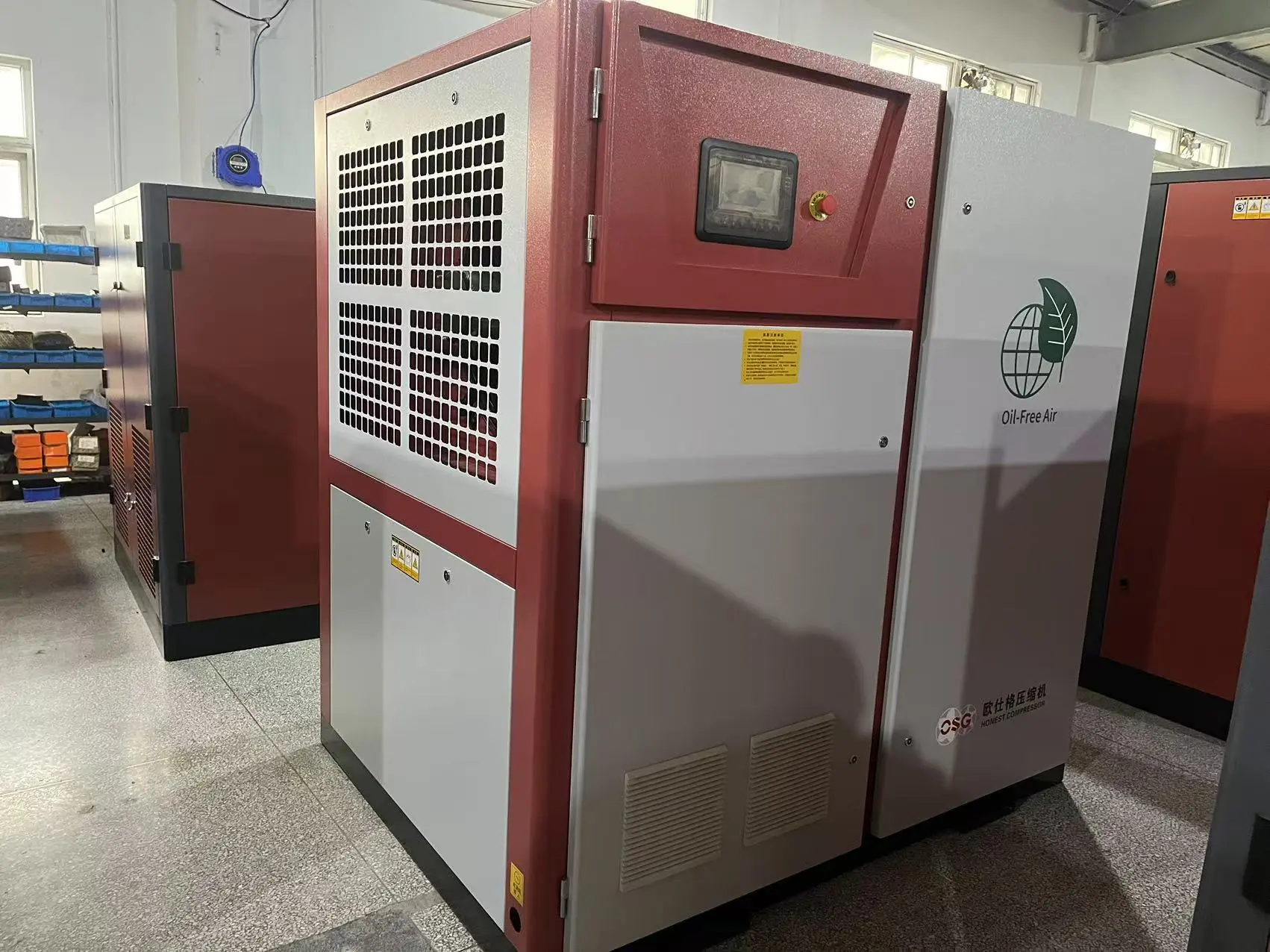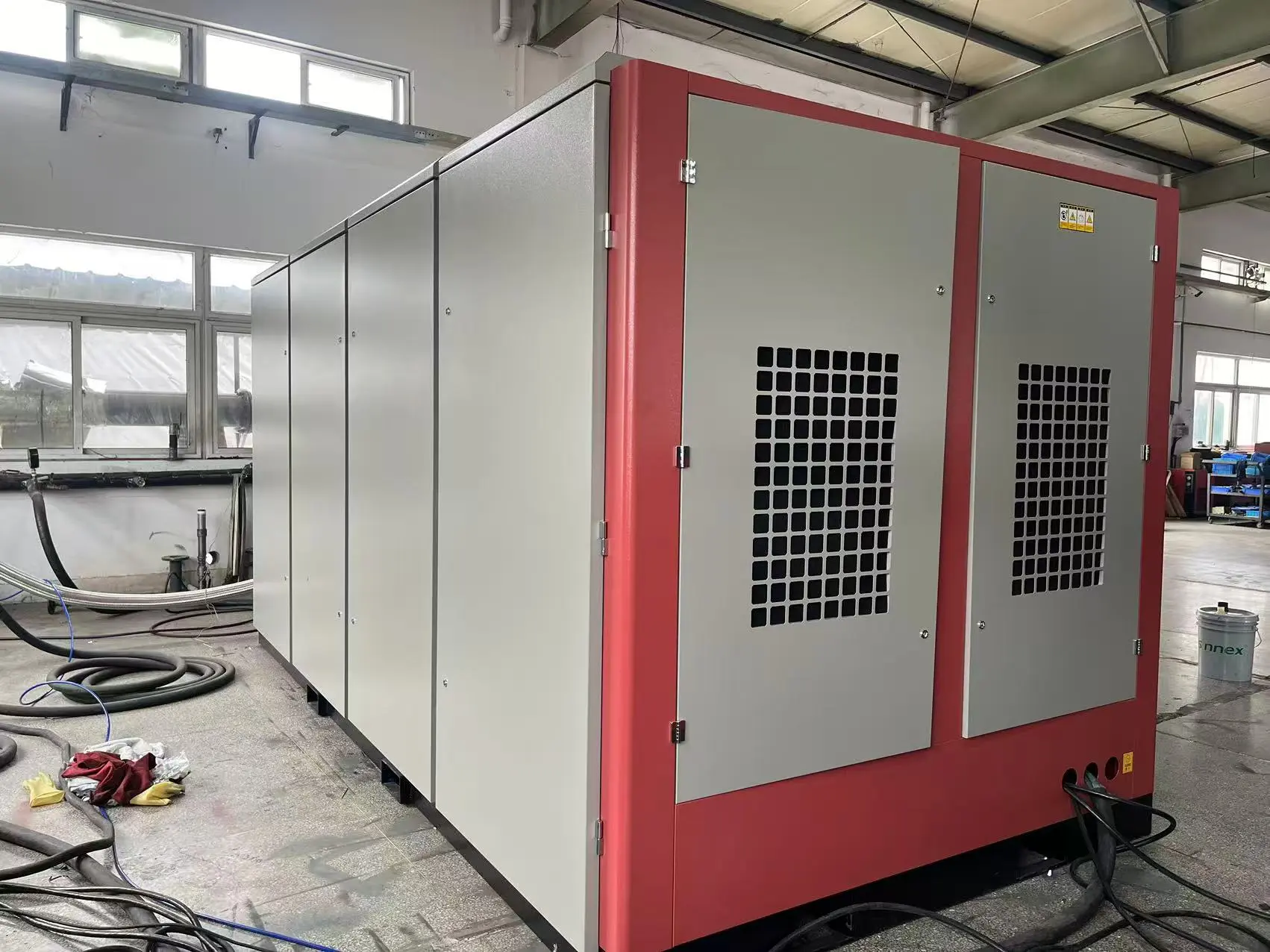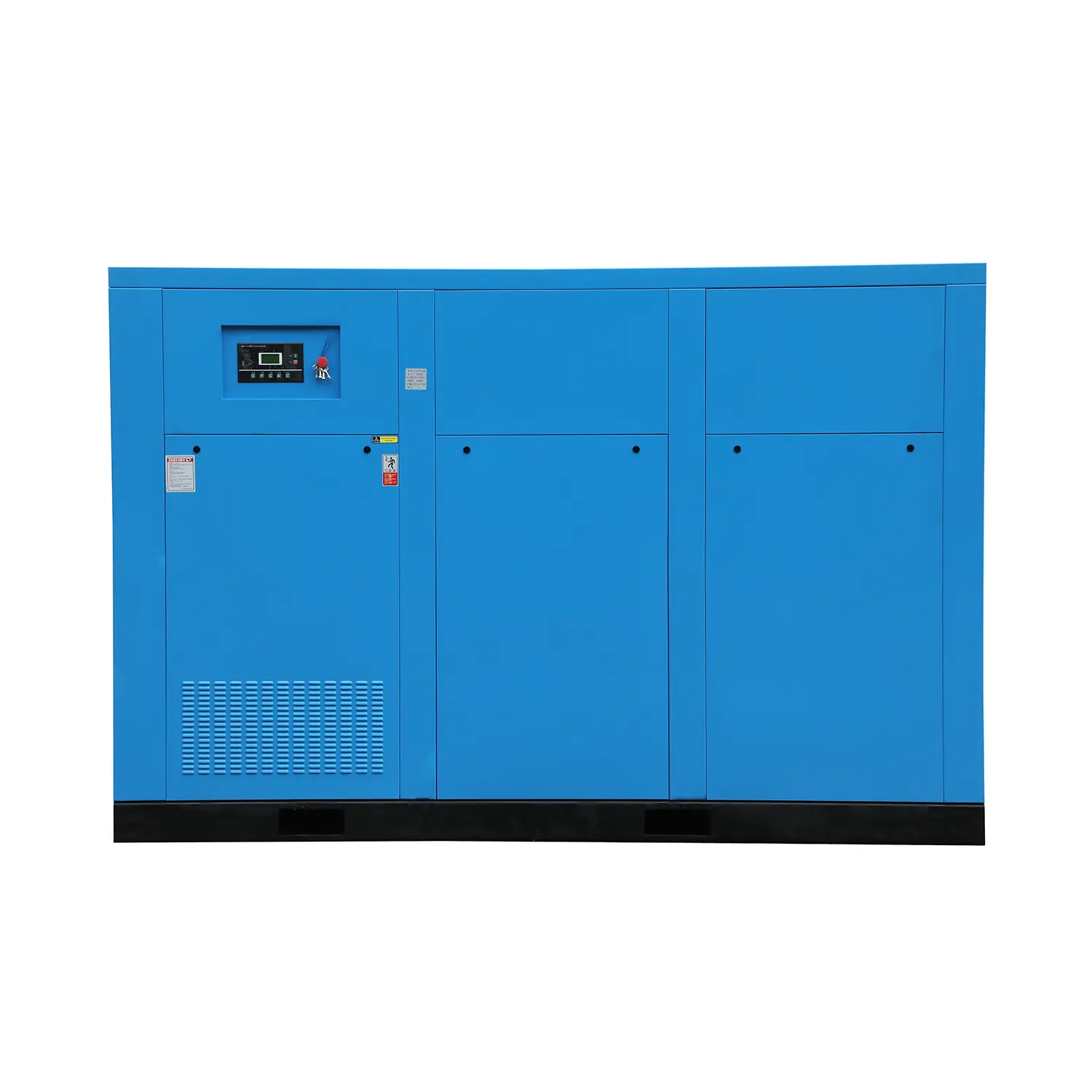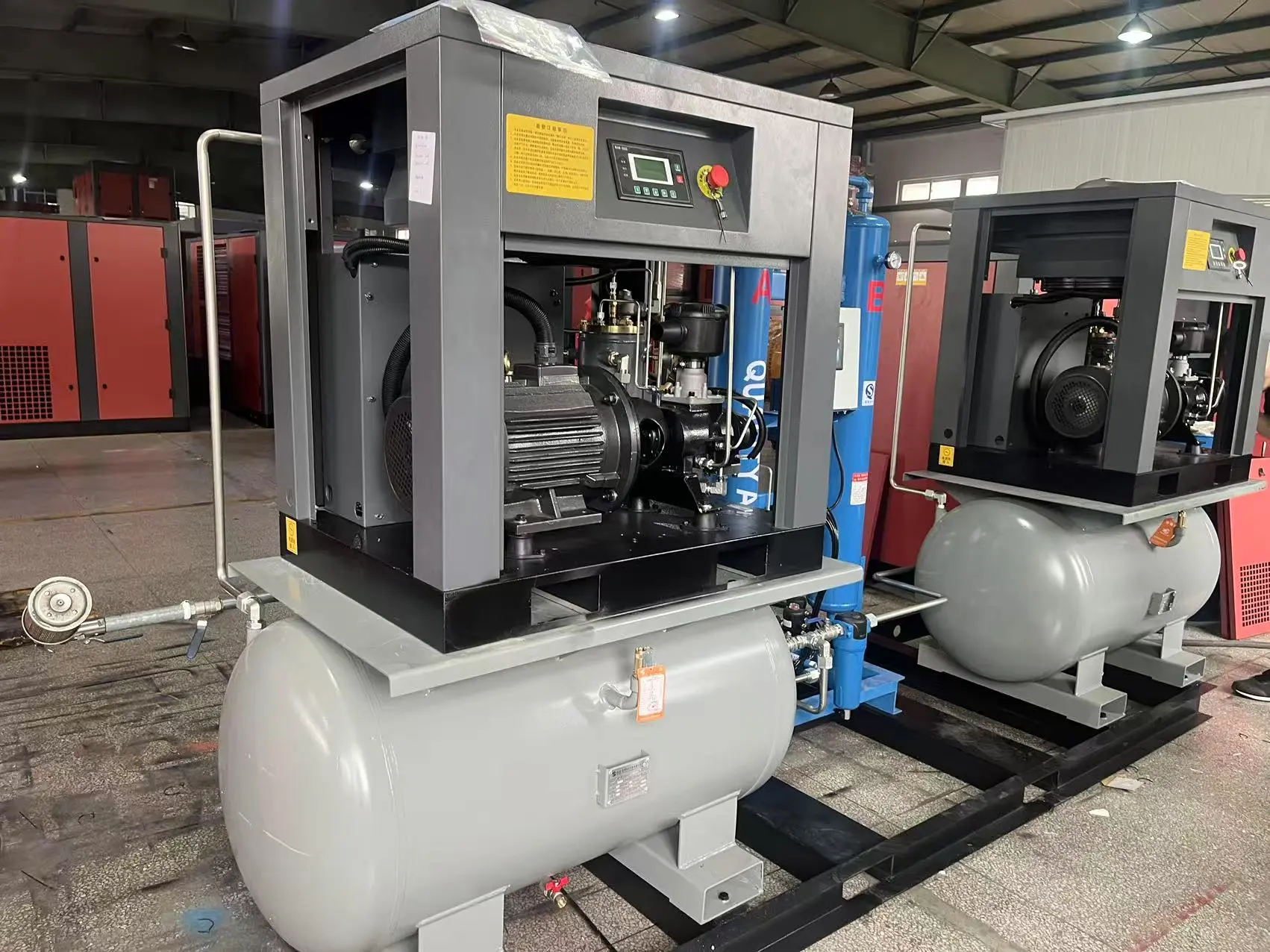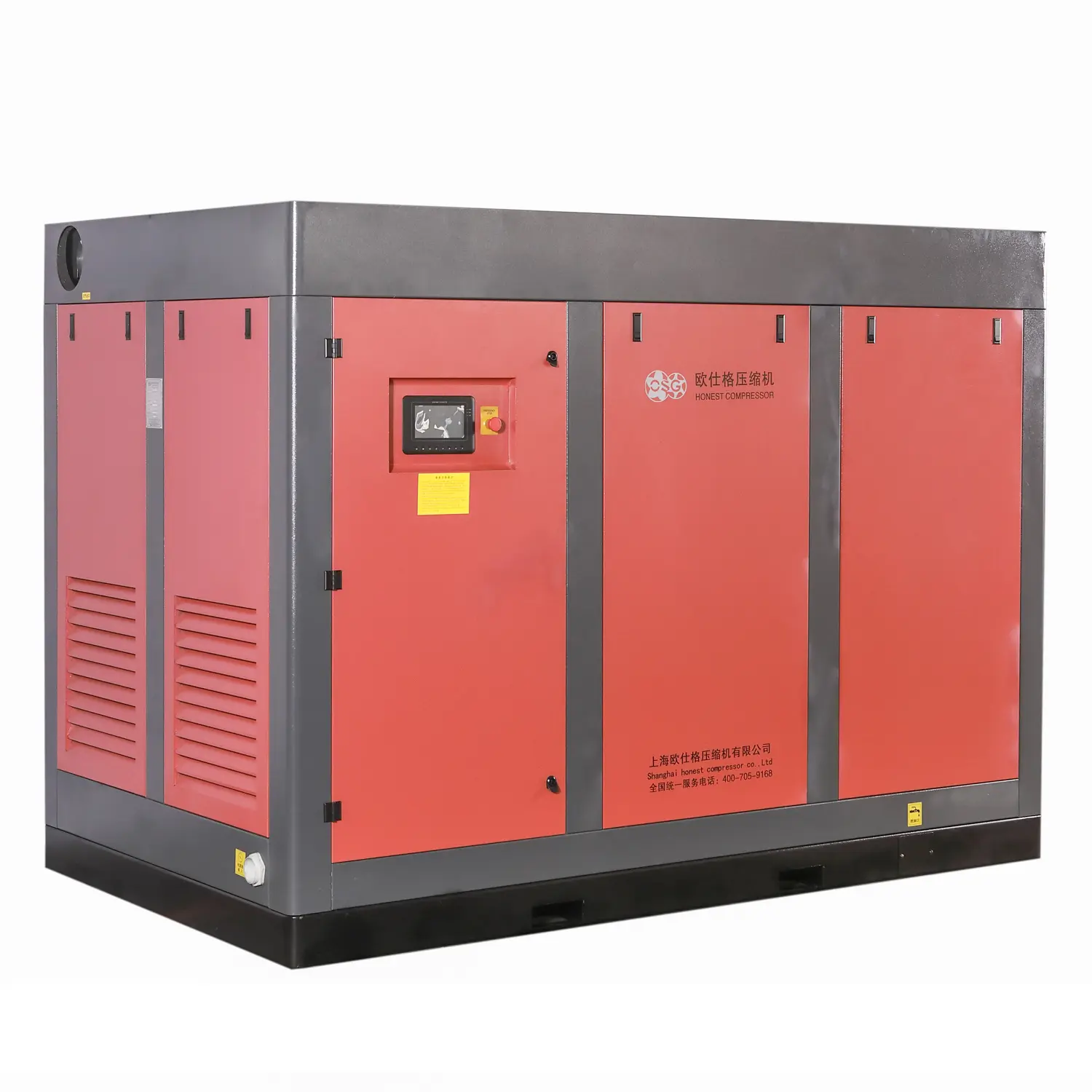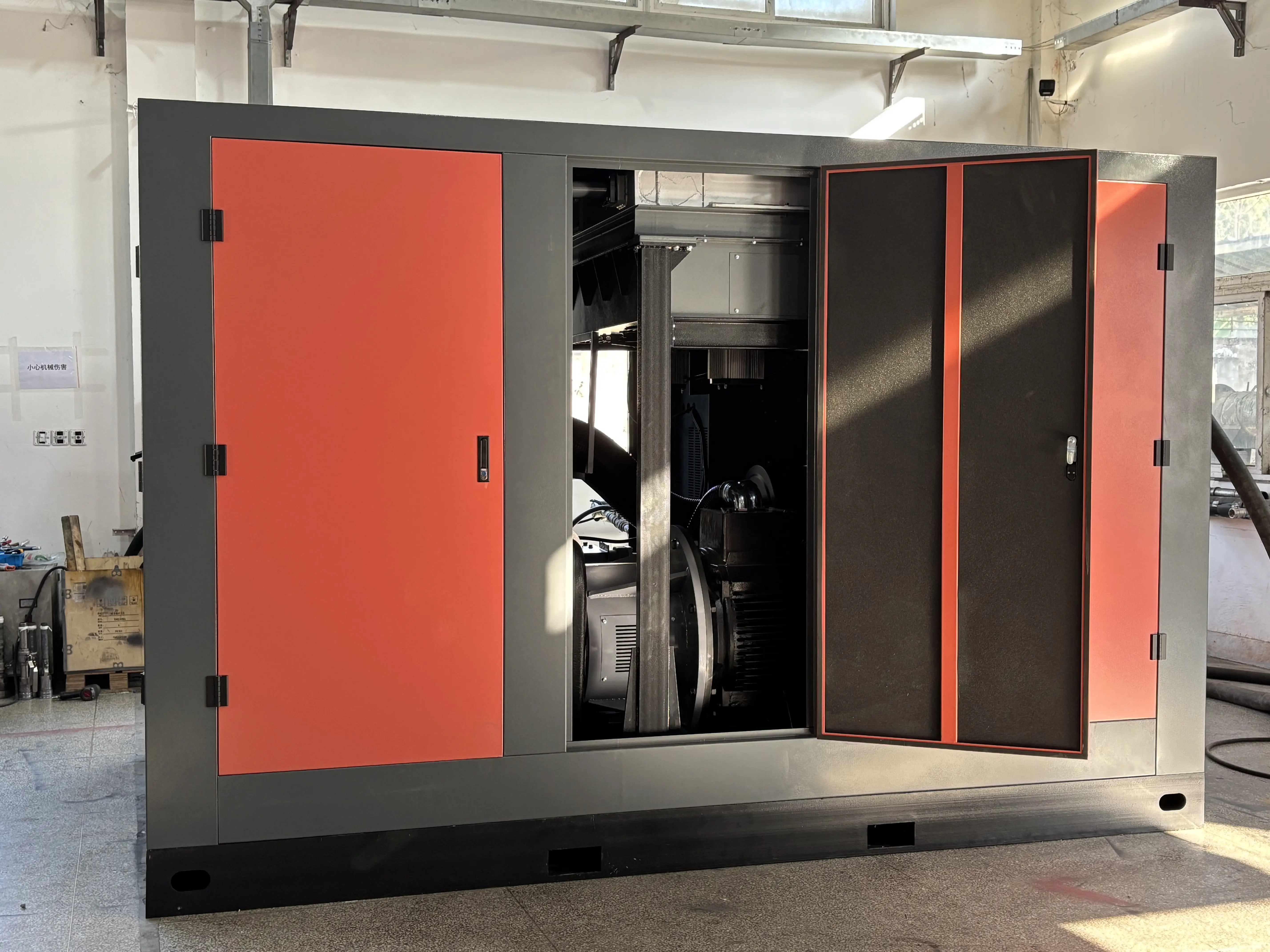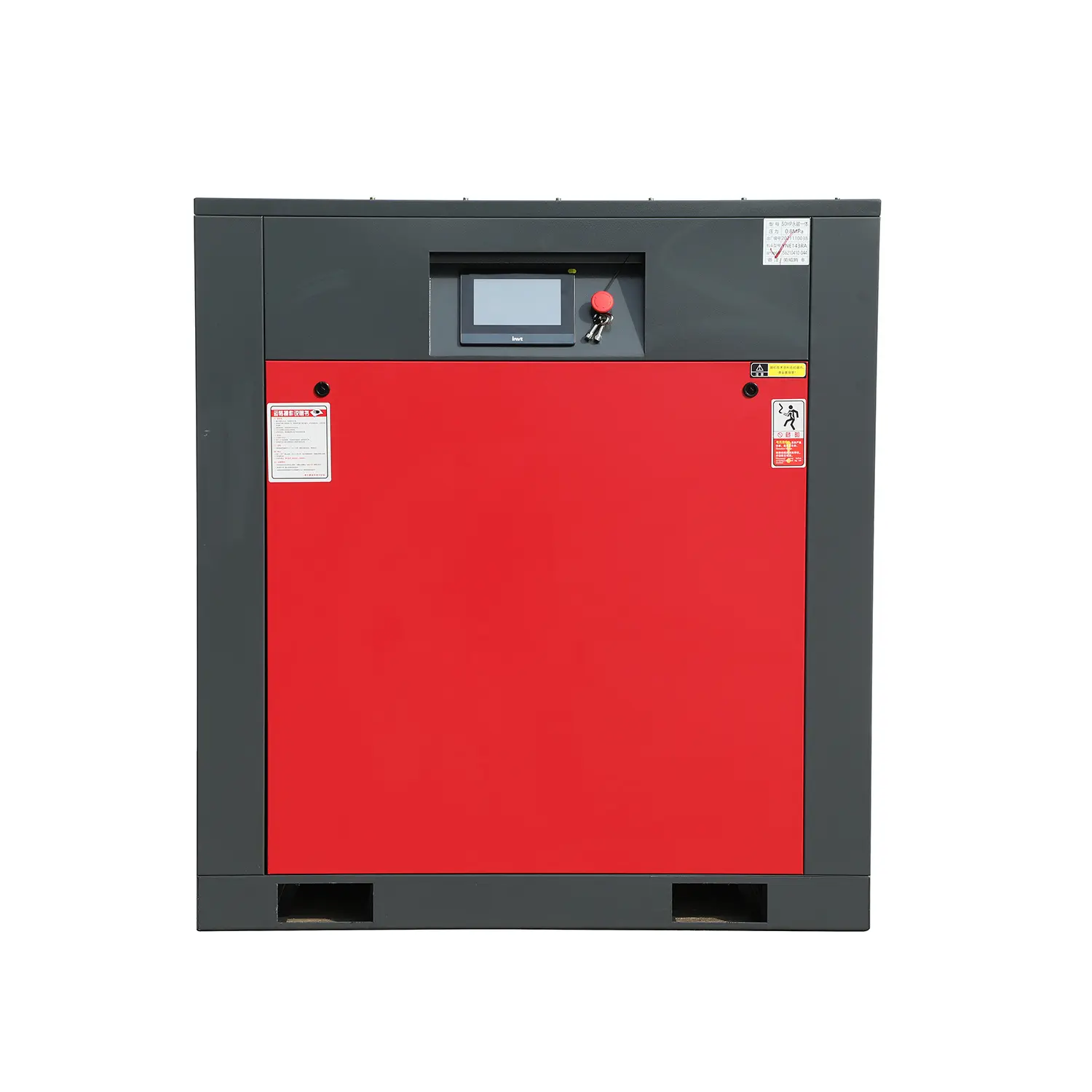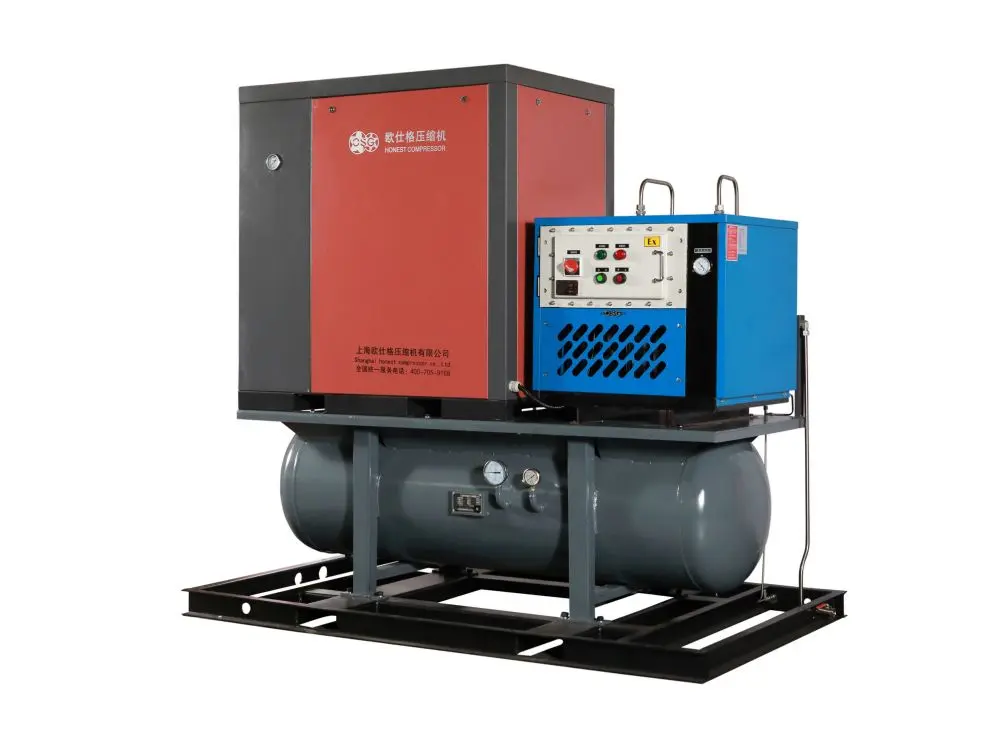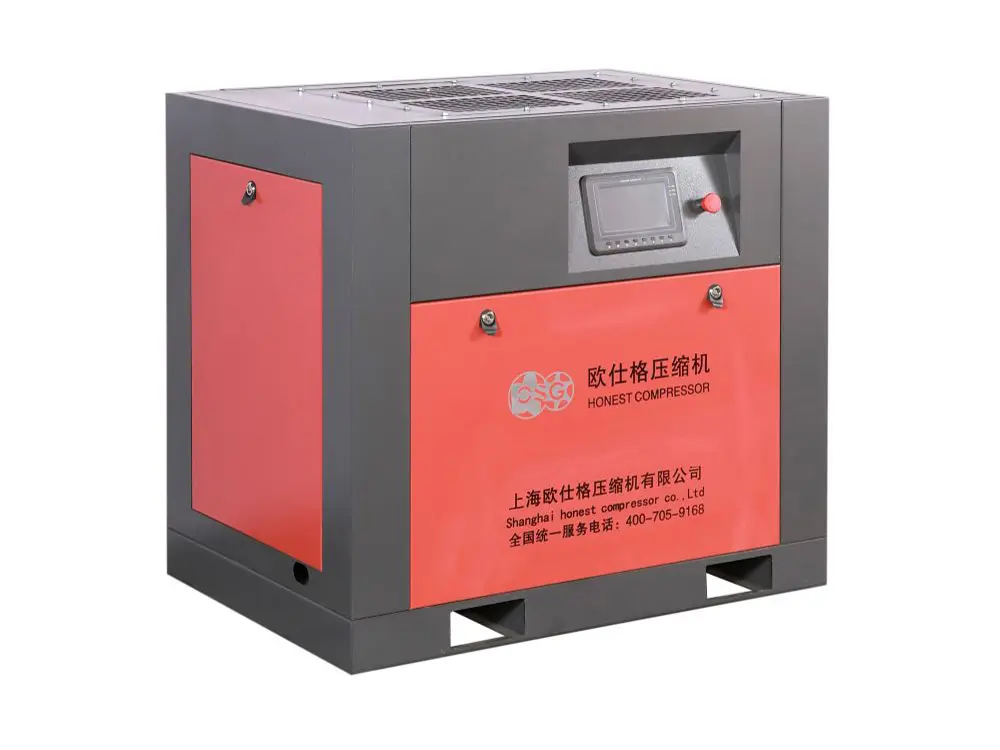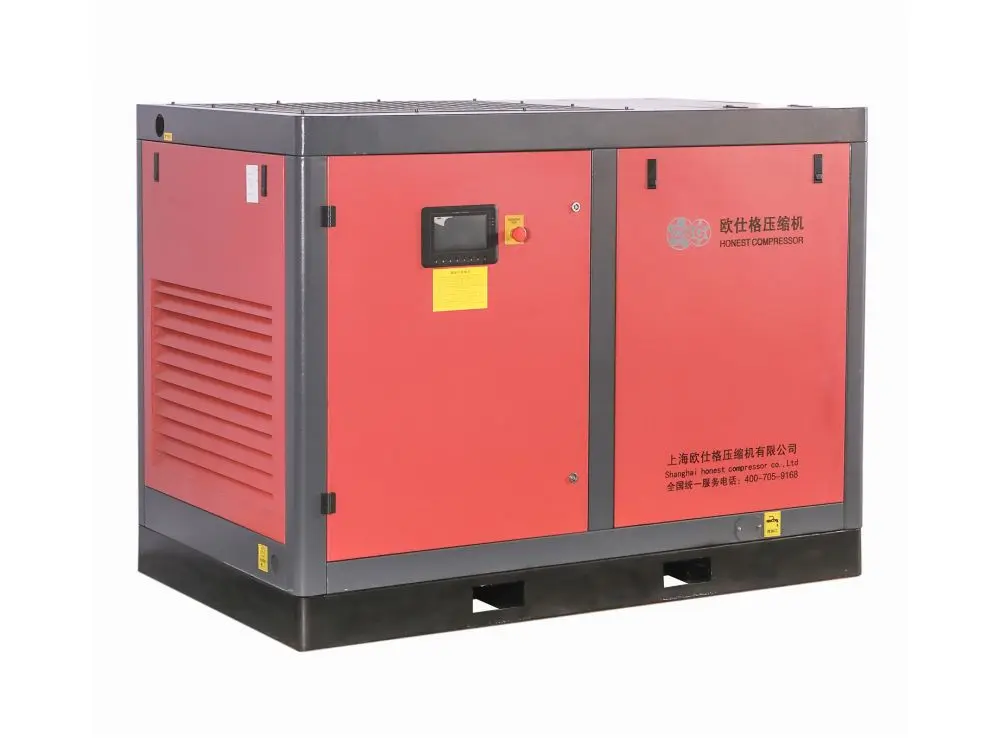
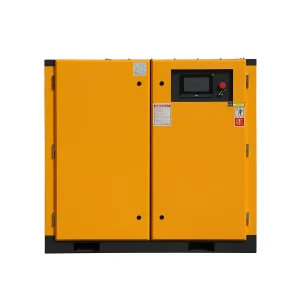
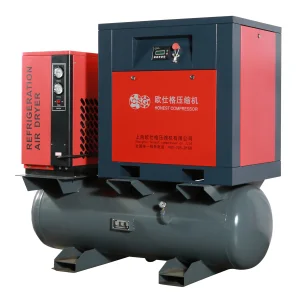
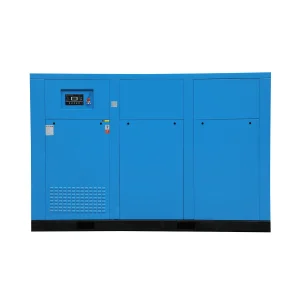
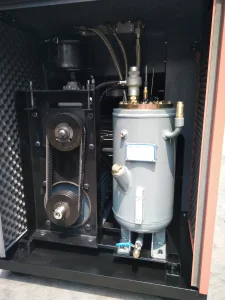
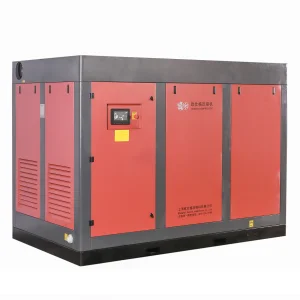
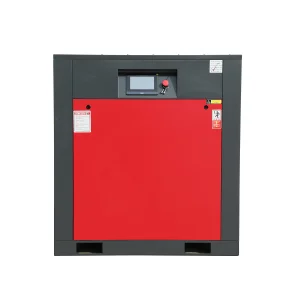
In modern manufacturing, industrial facilities rely on compressed air as a crucial utility, often referred to as the "fourth utility" alongside water, electricity, and gas. A 100 Horsepower (equivalent to 75 Kilowatts) rotary screw air compressor occupies a strategic position in heavy industry. This capacity class is ideal for applications demanding high volumetric flow (typically between 350 to 500 CFM or 10 to 14 m³/min) combined with continuous 24/7 runtimes. Navigating the selection of an ideal 100 HP compressor supplier requires an understanding of thermodynamic efficiencies, structural designs, and total operational cost models.
Historically, industrial plants relied on single-stage, fixed-speed compressors. While functional, these legacy systems suffer from high energy losses, thermal degradation, and frequent maintenance intervals. Today, the convergence of Permanent Magnet Variable Frequency Drive (PM VFD) motors and two-stage air-ends has redefined efficiency standards. China has emerged as the global powerhouse for these advanced compressor configurations, combining comprehensive supply chain integration, material sourcing advantages, and rapid prototyping capabilities.
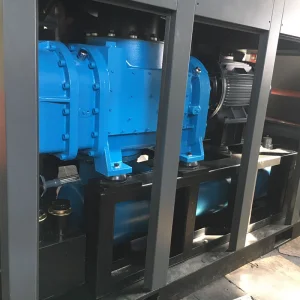
The thermodynamic challenge in compressing air lies in managing the heat generated during the process. In a single-stage screw compressor, the pressure is elevated from atmospheric conditions to the target pressure (e.g., 8 to 13 bar) in a single compression cycle. This results in high discharge temperatures, reduced air density, and volumetric losses. Two-stage compression resolves this issue by dividing the pressure rise between two distinct screw rotor pairs. The air is compressed to an intermediate pressure, cooled via oil-injection inter-cooling, and then compressed to the final working pressure. This reduces the work required in the second stage, bringing the process closer to the ideal isothermal compression curve.
| Performance Parameter | Typical Single-Stage 100 HP System | Advanced Two-Stage 100 HP System |
|---|---|---|
| Free Air Delivery (FAD) at 8 Bar | ~12.2 m³/min | ~13.9 m³/min |
| Specific Energy Consumption (SER) | ~6.8 kW/(m³/min) | ~5.8 kW/(m³/min) |
| Compression Ratio Per Stage | High (approx. 9:1) | Optimized (approx. 3:1 per stage) |
| Internal Leakage Rate | Higher due to high pressure delta | Extremely low due to reduced stage differential |
| Rotor Lifespan (Bearing Load) | Standard (~30,000 hrs) | Extended (~60,000+ hrs) |
Traditional induction motors lose efficiency rapidly when operating outside their nominal load speed. In typical industrial environments, compressed air demand fluctuates. A fixed-speed compressor accommodates this by unloading—running the motor without compressing air—which wastes significant power. Under a Permanent Magnet (PM) VFD configuration, the motor speed synchronizes with system demand. Permanent Magnet motors maintain high efficiency (IE4 or IE5 standards) even at partial loads (e.g., 30% to 50% capacity). The VSD system prevents start-up current spikes, reducing stress on the facility's electrical grid and extending the compressor's operational life.
Precision-ground 5:6 rotor profiles minimize internal recirculation losses, maximizing air delivery per kilowatt of input energy.
Integrated microcomputer controllers provide real-time pressure monitoring, automatic alerts, temperature tracking, and network connectivity.
Equipped with thermal overload protection, pressure relief valves, oil filtration monitors, and automatic emergency shutdowns.
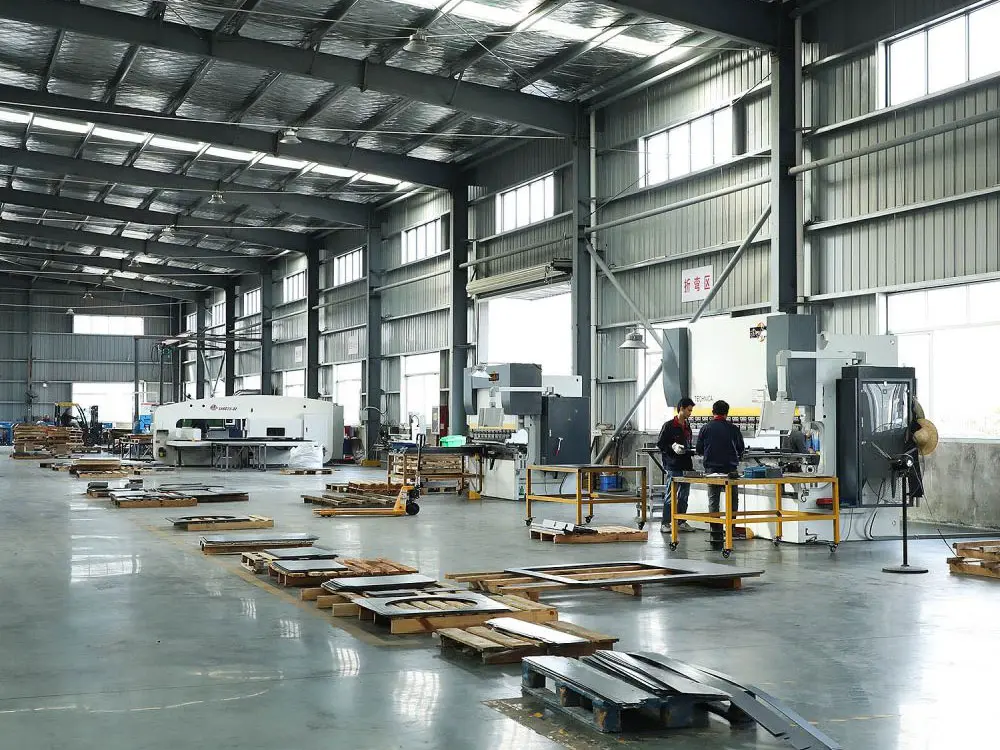
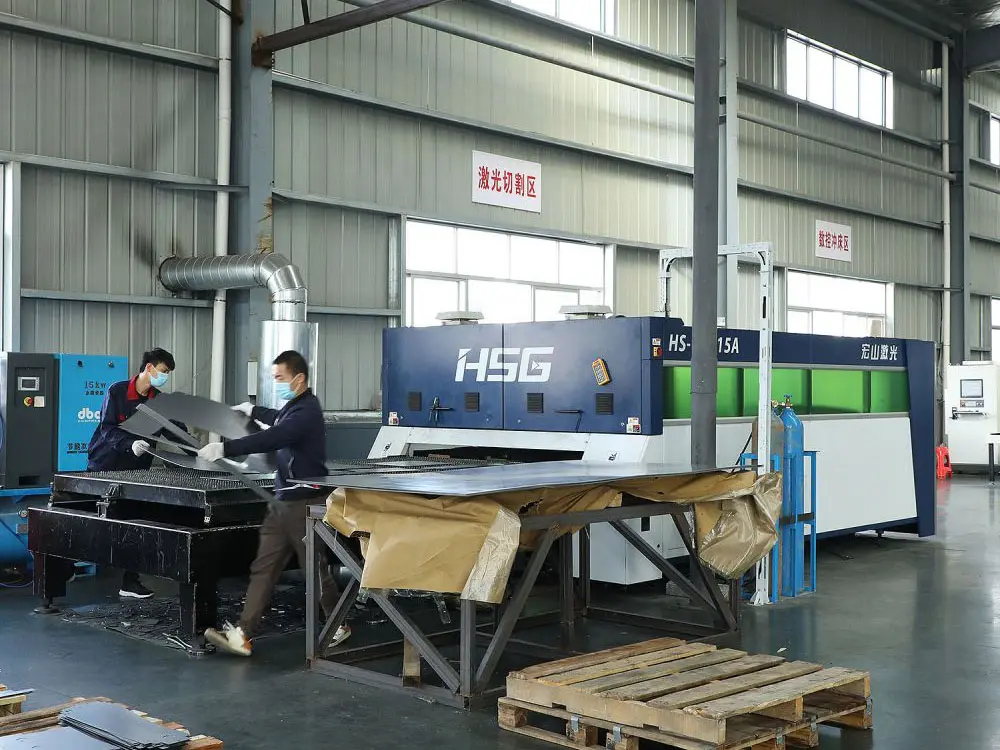
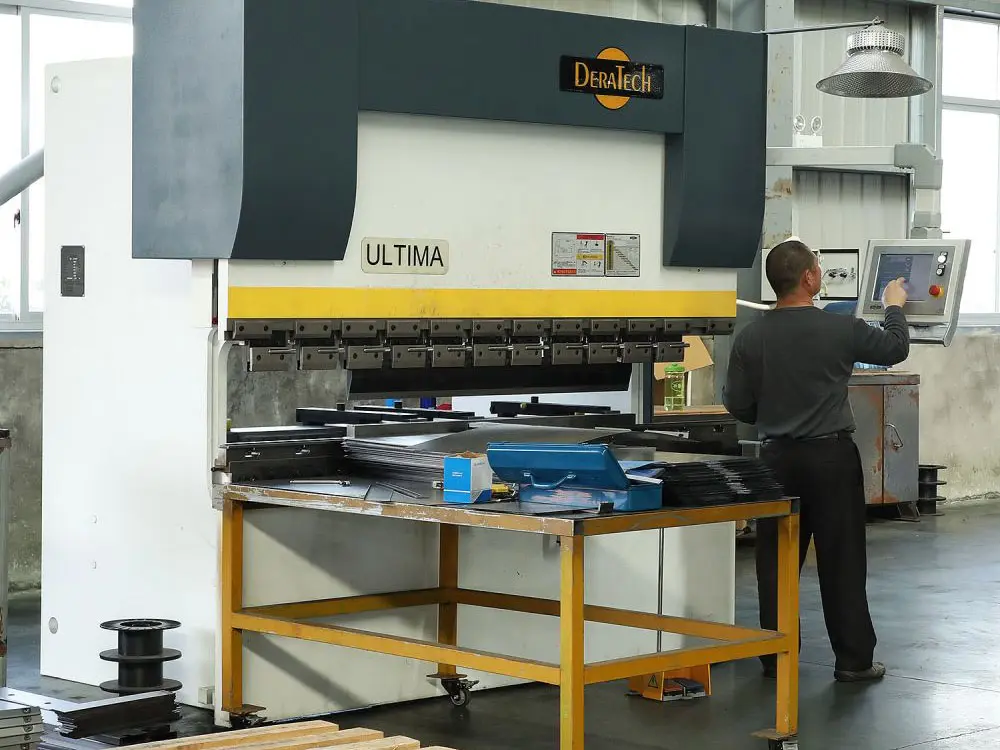
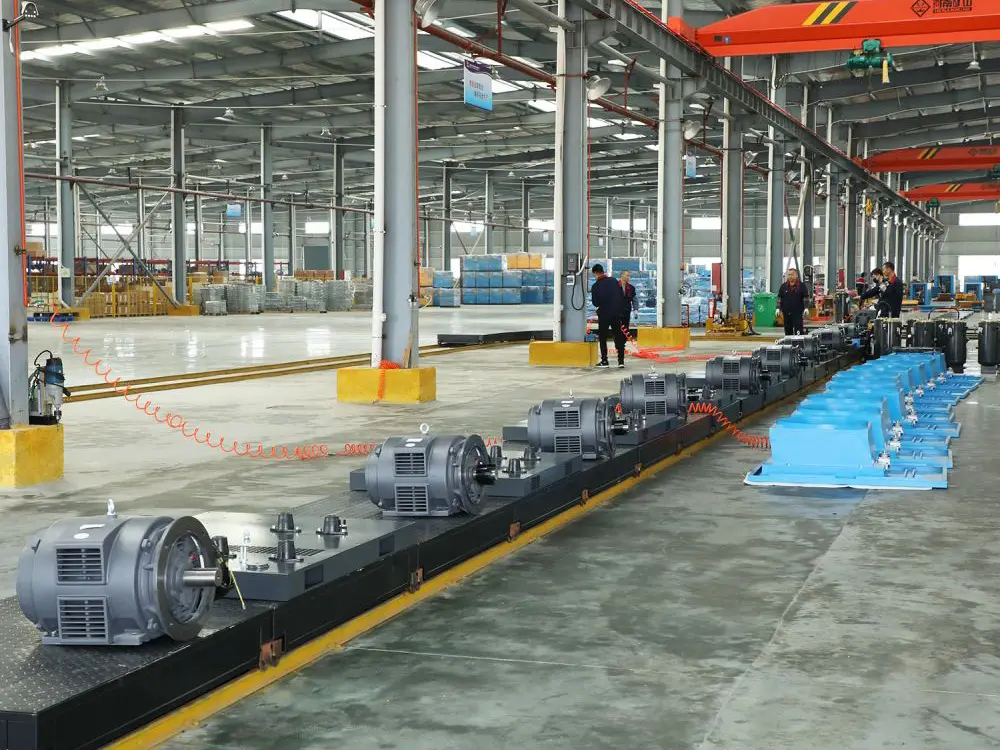
China's industrial sector has evolved from a basic assembly model to a hub of precision engineering and technological innovation. Suppliers in key manufacturing hubs, such as Shanghai Jiading, specialize in advanced twin-screw technology. The advantages of selecting a Chinese manufacturer include:
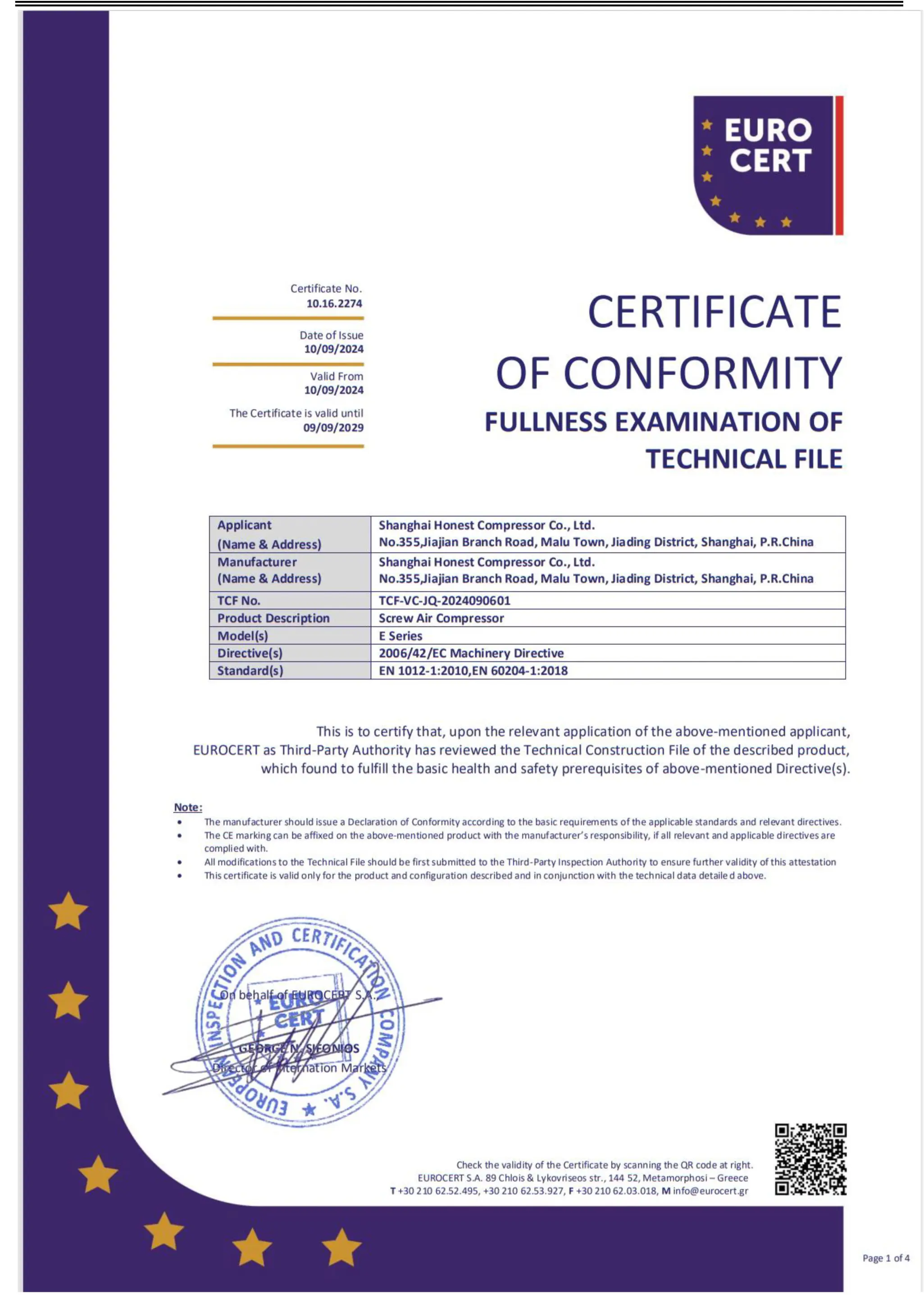
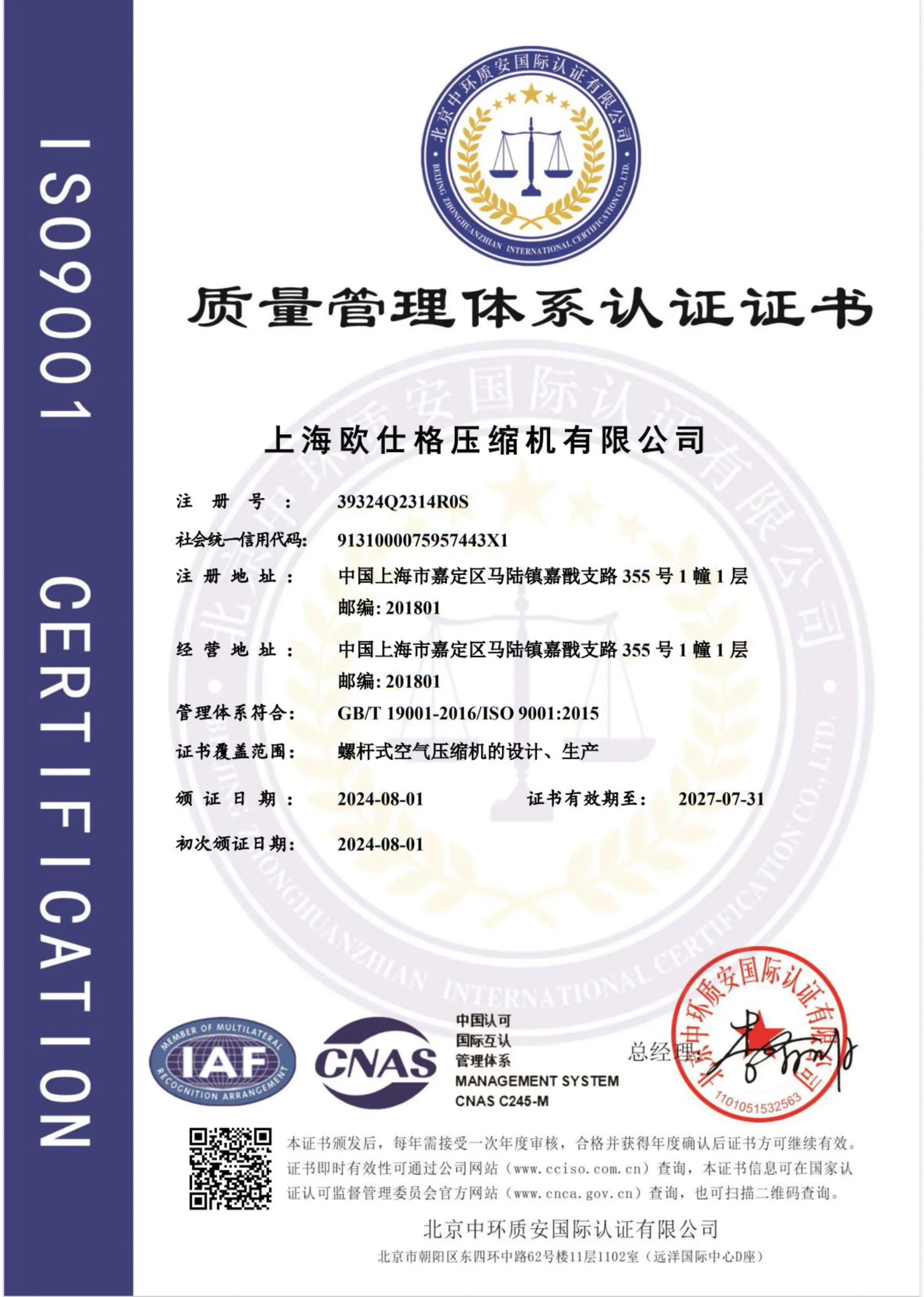
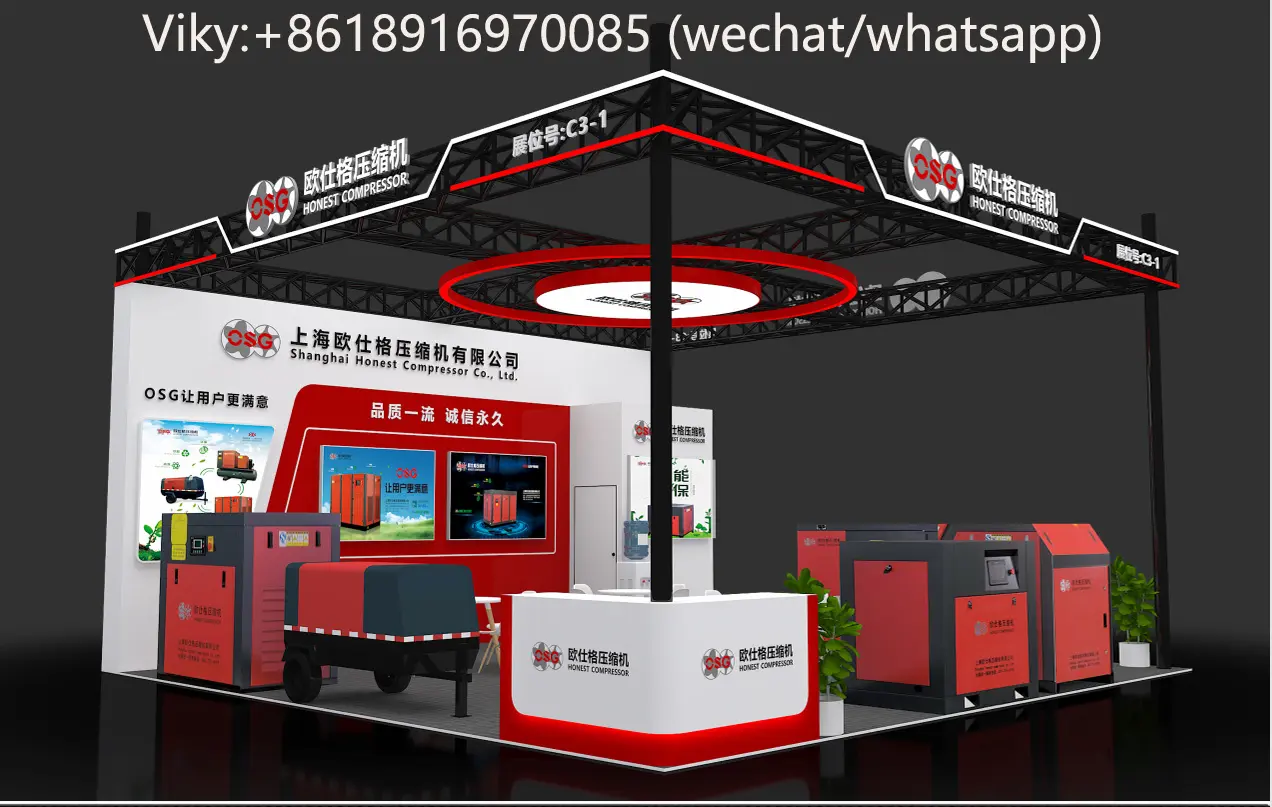
Shanghai Honest Compressor Co., Ltd. is a British-owned enterprise established in early 2004. Our primary manufacturing facility is located at NO. 355 Jiajian Branch Road, Malu Town, Jiading District, Shanghai, China. We have grown into a large-scale manufacturing enterprise specializing in twin-screw air compressors, alongside comprehensive air system solutions.
Our portfolio includes piston air compressors (low, medium, and high pressure, as well as oil-free variants) and screw air compressor systems ranging from 3kW to 480kW. We also provide gas separation equipment, refrigerant compressors, refrigerated air dryers, inline filters, ceramic membrane filtration systems, and associated equipment consumables. Our focus on quality and innovation has made us a trusted supplier for global industrial operations.
Read More >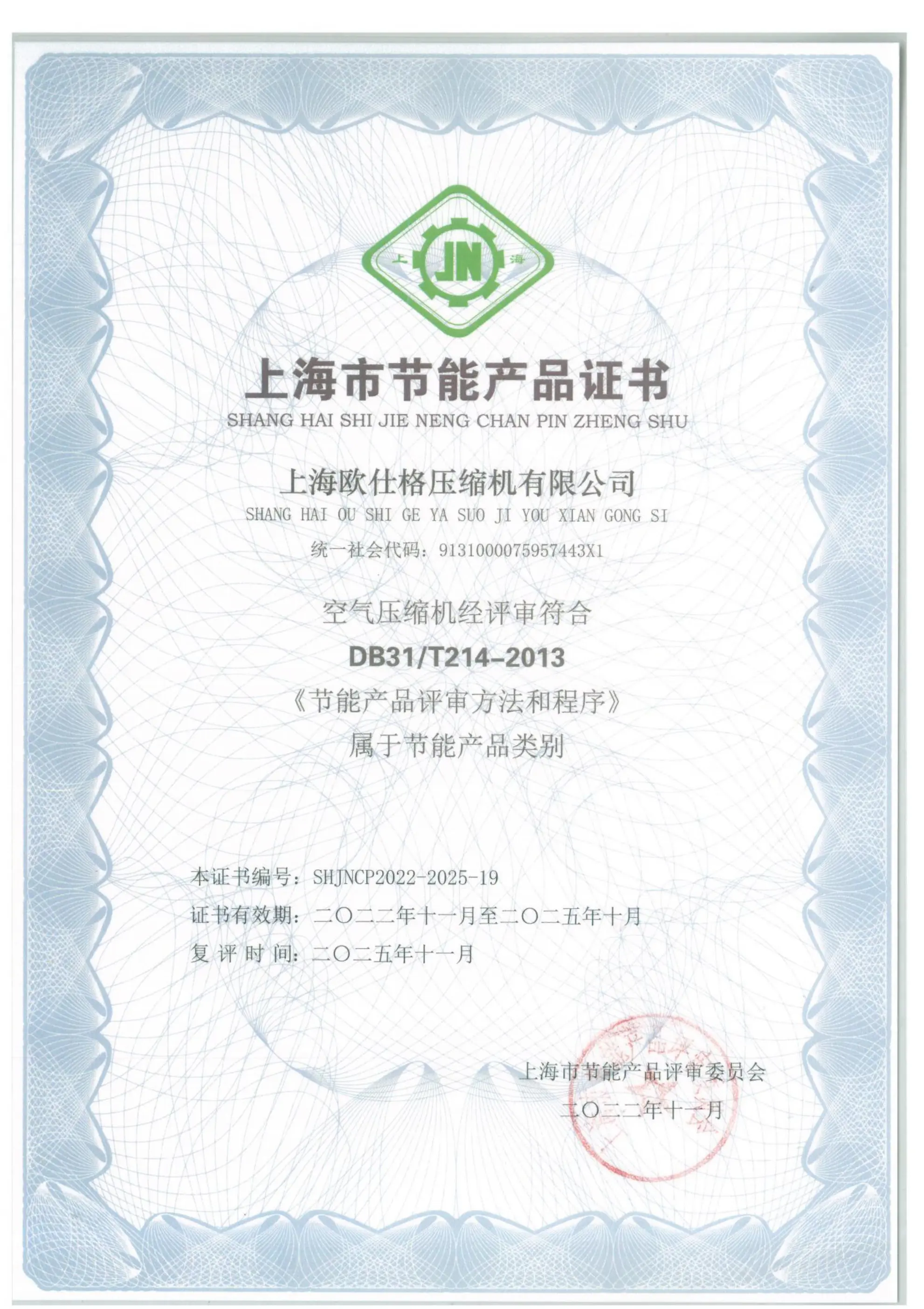
According to industry research, the global dry vacuum pump market size is valued at USD 5.97 billion in 2024. The dry vacuum pump market is expected to grow from USD 6.17 billion in 2025 to USD 8.28 billion by 2034, registering stable compound growth. This trend reflects the growing demand for oil-free, high-precision vacuum systems across semiconductor manufacturing, chemical processing, and clean-room industrial environments worldwide.
Read Market Report >A 100 HP air compressor serves as a central utility across diverse industrial sectors. System performance demands vary by application:
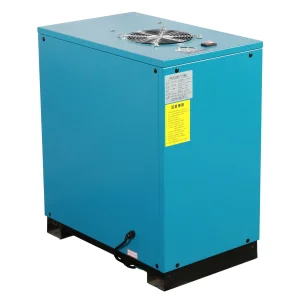
In heavy manufacturing, air compressors run continuous duty cycles. Particulate and moisture contamination can damage expensive pneumatic tools, cylinders, and control valves. A 100 HP compressor system, combined with high-capacity refrigerated dryers and multi-stage coalescing filters, ensures constant pressure (typically 8.5 to 10 bar) and delivers dry air to prevent pipe corrosion and tool wear.
PET blow molding and glass container manufacturing require stable high-flow, medium-pressure air. Slight fluctuations in pressure can cause product defects or line halts. In these scenarios, two-stage screw compressors with VFD controls maintain system pressure within ±0.01 MPa, optimizing production output and reducing waste.
Precision robotics, painting booths, and component pick-and-place systems require clean, oil-free compressed air. Oil contamination in spray paint lines can ruin finishes, resulting in costly rework. Applying dry-type oil-free screw compressors or combining oil-injected models with high-grade carbon adsorption filtration ensures compliance with ISO 8573-1 Class 1 or Class 0 quality standards.
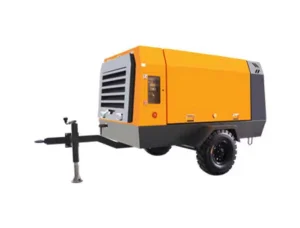
For remote mining operations or tunneling projects, reliable utility connections are often unavailable. Heavy-duty stationary compressors driven by Cummins or Weichai diesel engines provide high-output compressed air under harsh environmental conditions, powering pneumatic drills, hammers, and site ventilation.
When selecting a 100 HP compressor, the initial purchase cost represents only a small portion of the equipment's lifetime cost. An analysis of the Total Cost of Ownership (TCO) over a ten-year lifecycle reveals the following breakdown: