Highly optimized compressor systems engineered to deliver high thermal stability, minimal transmission losses, and robust operational uptime across critical sectors.
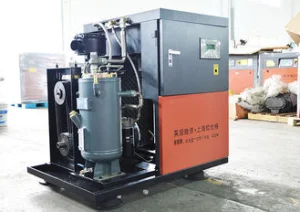
The Greater Boston metropolitan area, stretching from the urban core to the tech highways of Route 128 and Interstate 495, hosts one of the most advanced manufacturing, research-and-development, and biotechnological clusters in the world. Operations spanning biopharmaceutical filtration, medical device fabrication, scientific research labs, and precision optical machinery require reliable compressed air. While direct-drive options dominate massive continuous-demand plants, belt-driven screw air compressors provide critical agility, cost efficiency, and operational safety benefits across small-to-mid-scale operations.
One of the principal thermodynamic benefits of a belt-driven rotary screw compressor is its flexibility in adjusting operating speed. In scientific laboratories and high-tolerance electronics plants, local engineers can fine-tune output air volume (CFM) and working pressures by changing pulley diameters. This flexibility allows businesses to adapt to dynamic floor layouts without having to buy entirely new compression blocks. This reduces initial capital expenditure (CAPEX) for rapidly scaling firms along Route 128.
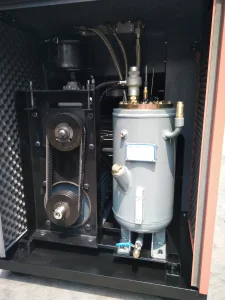
Boston's high-tech manufacturing labs house highly sensitive optical sensors, lithography tools, and coordinate measuring machines (CMM). Direct-drive machinery can transfer small motor misalignments or power surges through the common shaft to the rotor block, causing micro-vibrations. High-grade industrial belt drives isolate these vibrations. The drive belt acts as a natural shock absorber, protecting the structural integrity of the air end and reducing vibration transfers across the floor.
Boston's industrial operations are heavily focused on energy and resource optimization. Belt-driven compressors offer lower maintenance costs compared to direct-coupled gear transmissions. Drive belts can be quickly inspected, tensioned, or replaced on-site without dismantling the entire motor-air end assembly. This helps minimize downtime during critical production cycles.
Engineered to optimize energy consumption and deliver reliable compressed air systems for modern industrial operations.
An auto-tensioning system helps prevent belt slippage. This design maintains constant torque transmission efficiency (up to 98.7%), protects motor bearings, and extends overall belt service life.
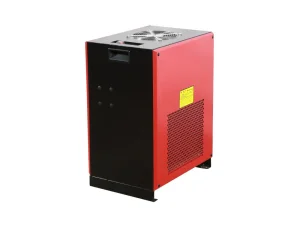
Our integrated air dryer systems remove moisture before the air enters your facility distribution lines, helping to prevent corrosion in pneumatic machinery.
Variable Speed Drive (VSD) systems adjust compressor speed to match actual real-time air demand. This reduces energy usage during periods of low activity.
Explore our full line of industrial air compressor systems, variable speed models, and air preparation components.
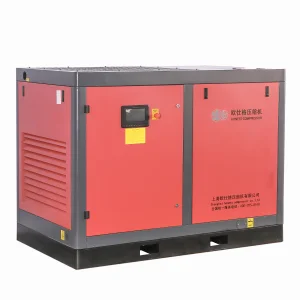
Procuring heavy industrial equipment requires careful planning, balance of initial cost versus lifetime utility bills, and alignment with regional electrical grids. Boston runs on a highly regulated electrical network overseen by local utility providers like Eversource and National Grid. For commercial facilities, optimizing the specific power consumption (expressed in kW/100 CFM) is key to qualifying for capital rebates and avoiding high-demand utility surcharges.
Specific Energy Consumption measures how efficiently your compressor converts electricity into useful air pressure:
SER (kW/m³/min) = Total Power Input at Motor Terminals (kW) ÷ Free Air Delivery (m³/min)
Our engineering team helps ensure that pulley ratios, belt tension, and motor speeds are optimized to keep your system's SER as low as possible.
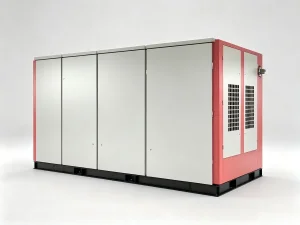
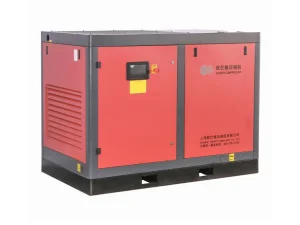
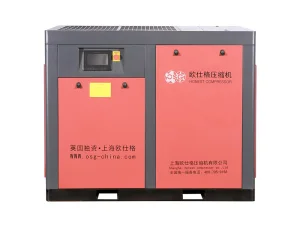
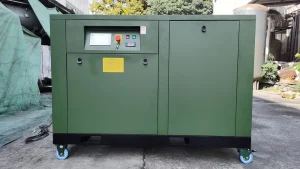
In addition to electrical efficiency, plant operators must address acoustics. Greater Boston municipal noise ordinances require machinery to operate within strict decibel ranges, especially when located near commercial areas or mixed-use business parks. Our belt-driven compressors are equipped with isolated acoustic enclosures that reduce noise to under 65 dB(A), making them suitable for indoor installations close to active workspaces.
Archived product specifications and plant equipment configurations from our Shanghai production base.
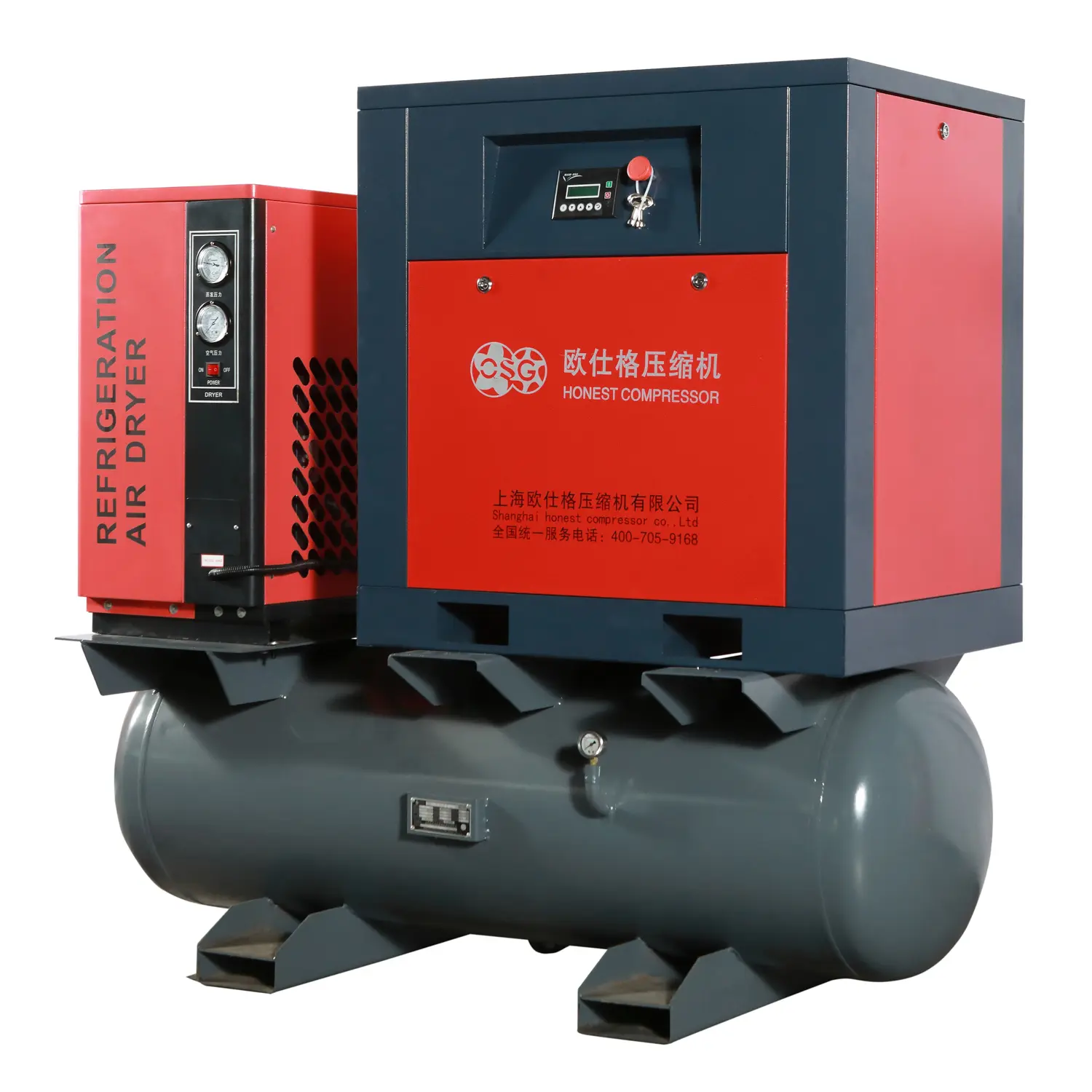
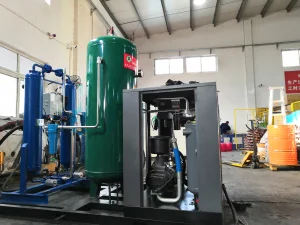
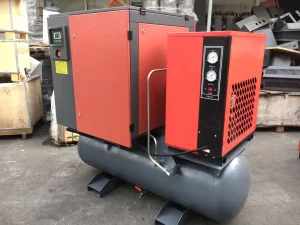
Combined compressor, receiver, and dryer system designed to save floor space in compact facilities.
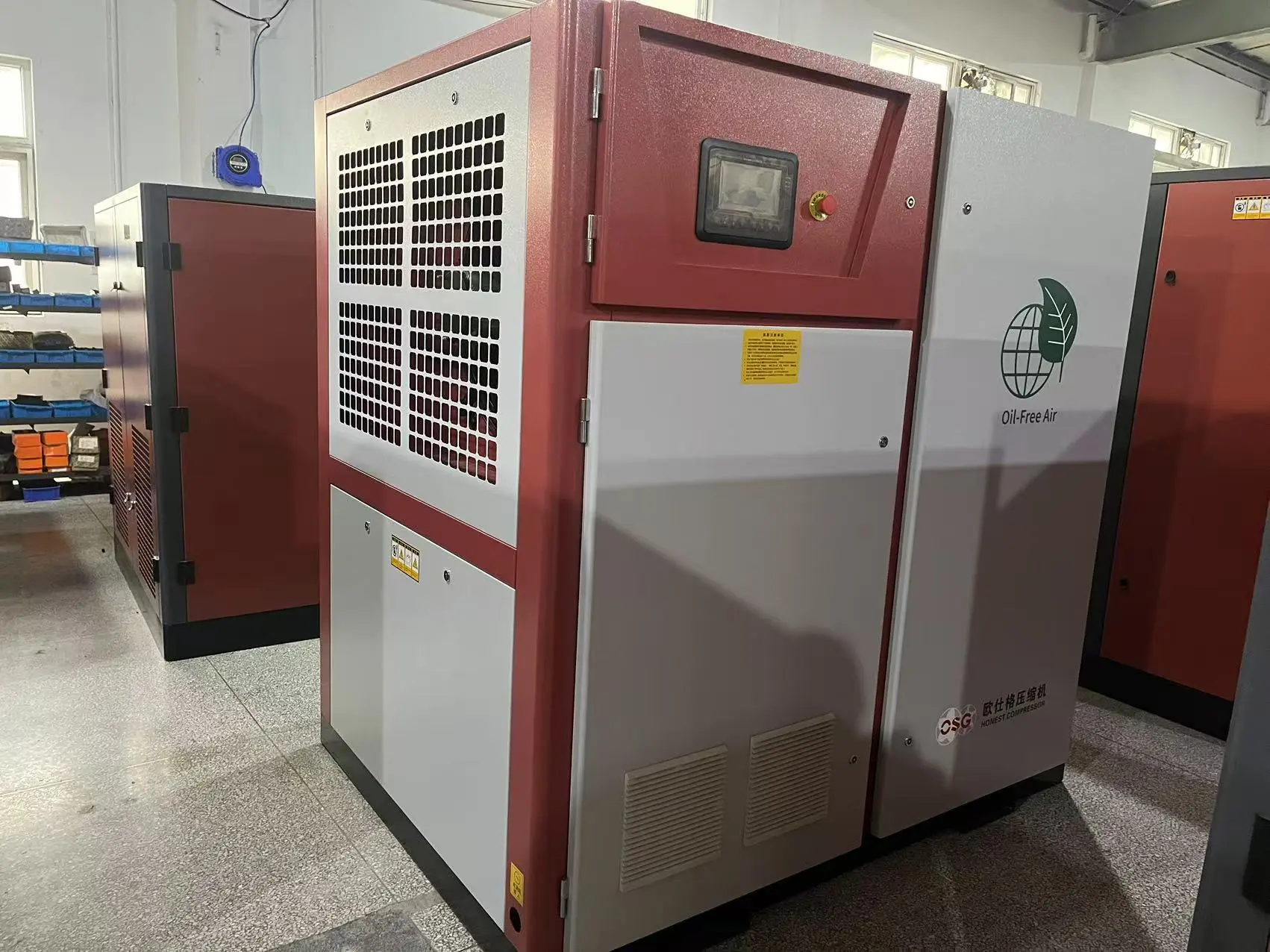
Designed for environments requiring high air purity, such as food processing and laboratories.
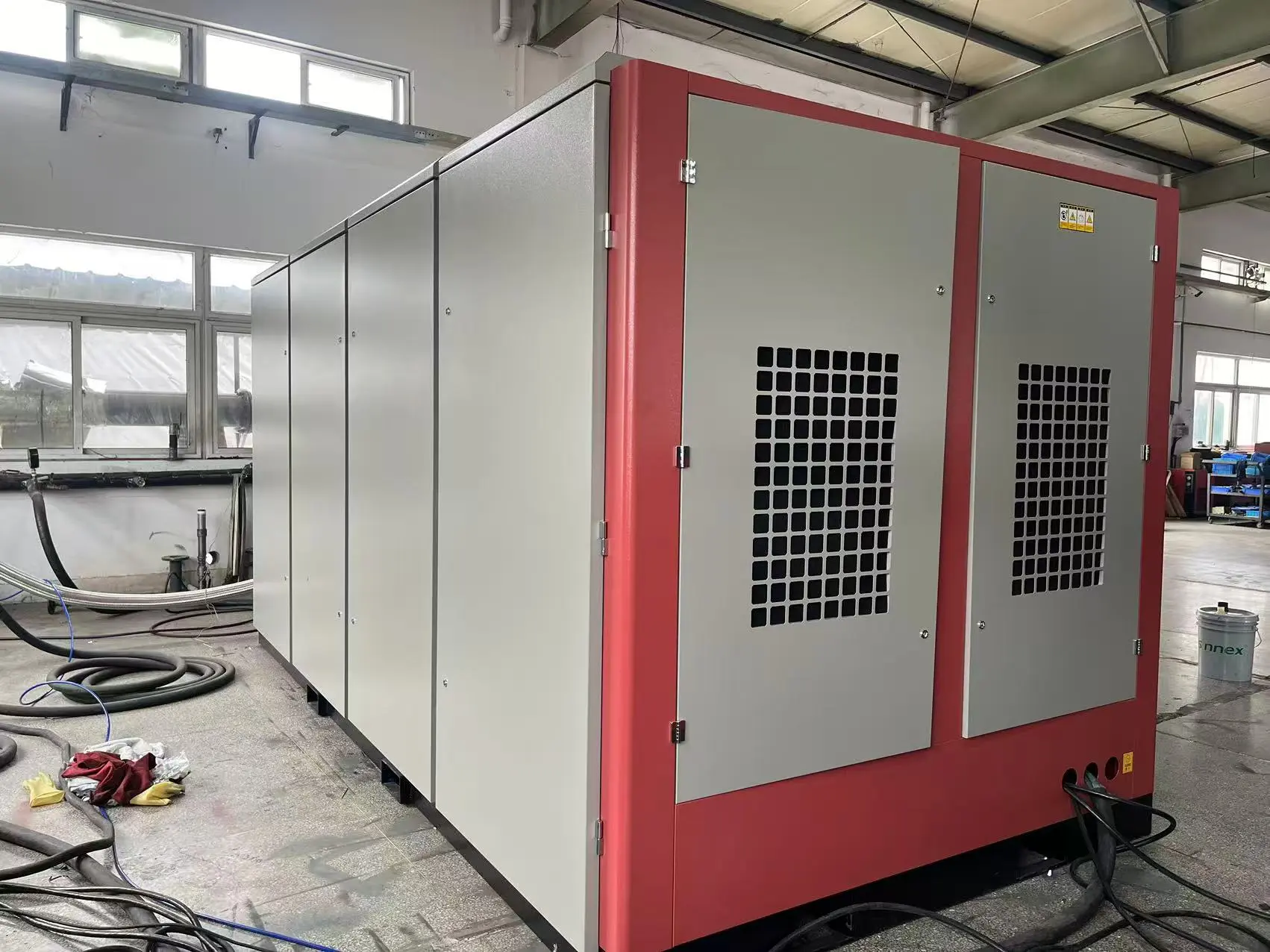
Heavy-duty, oil-free industrial compression system for large manufacturing plants.
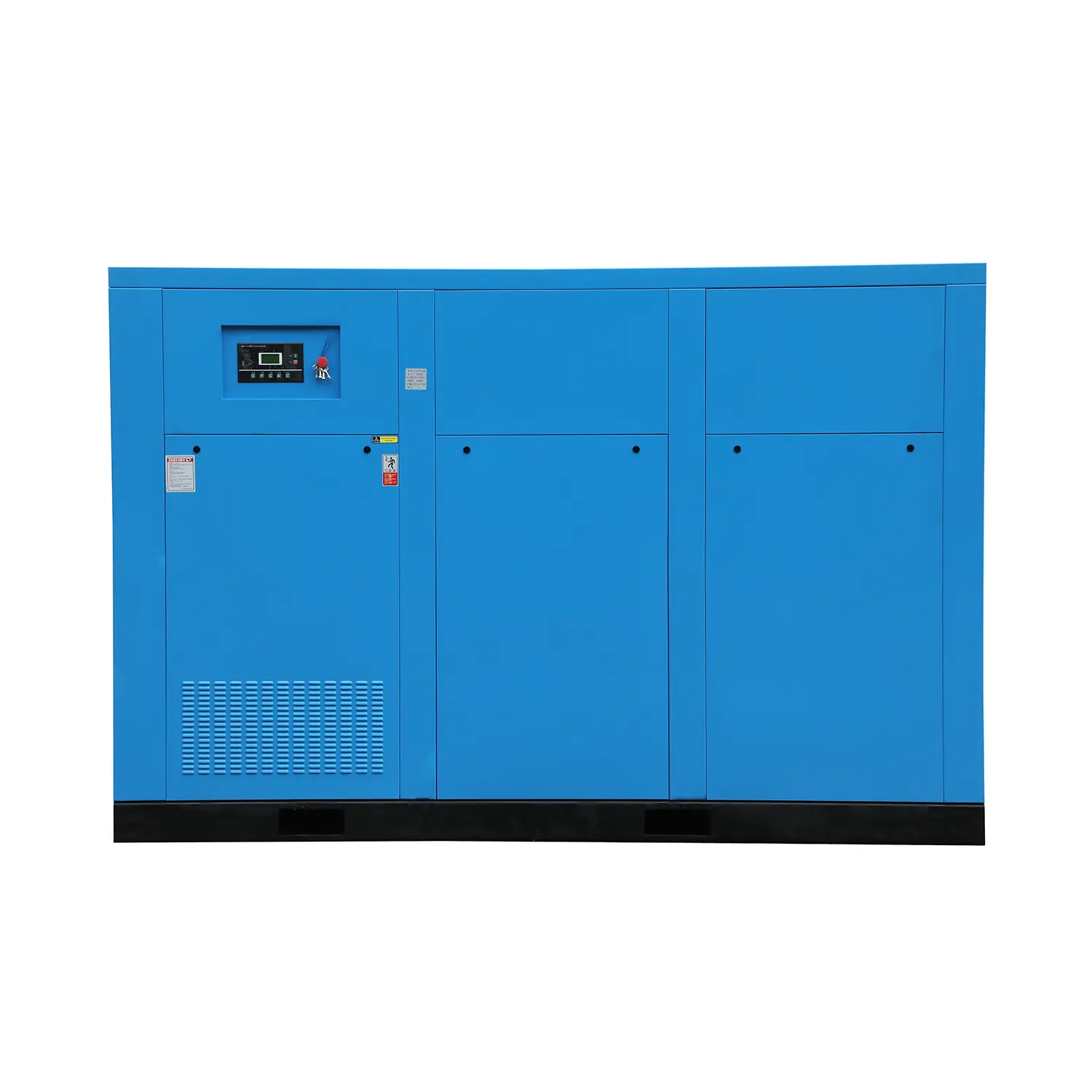
Two-stage air end design aimed at reducing energy costs in high-volume applications.
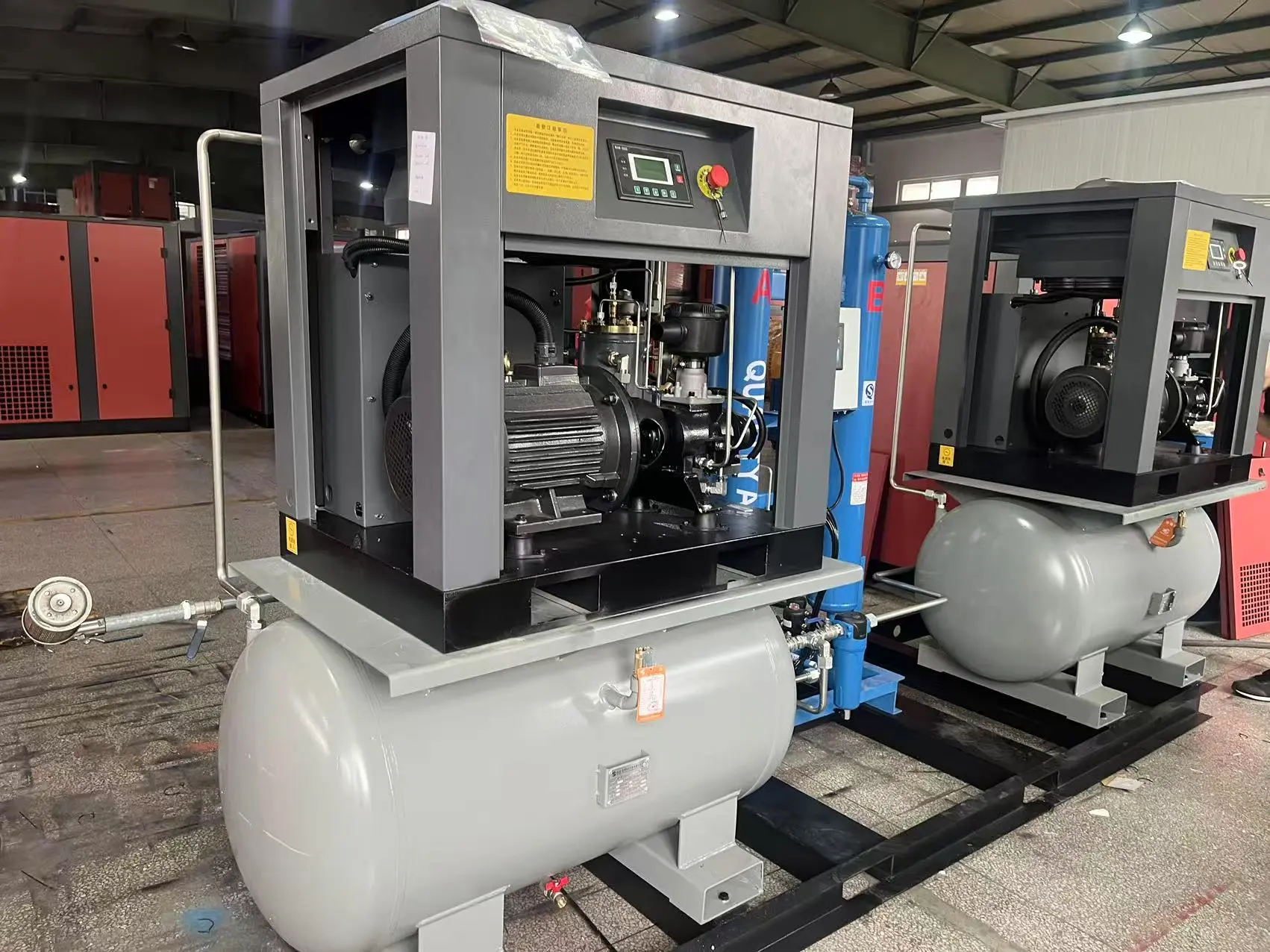
Compact, base-mounted rotary system designed for small machine shops and repair garages.
Complete workspace solution combining compressor, dryer, filtration, and receiver tank.
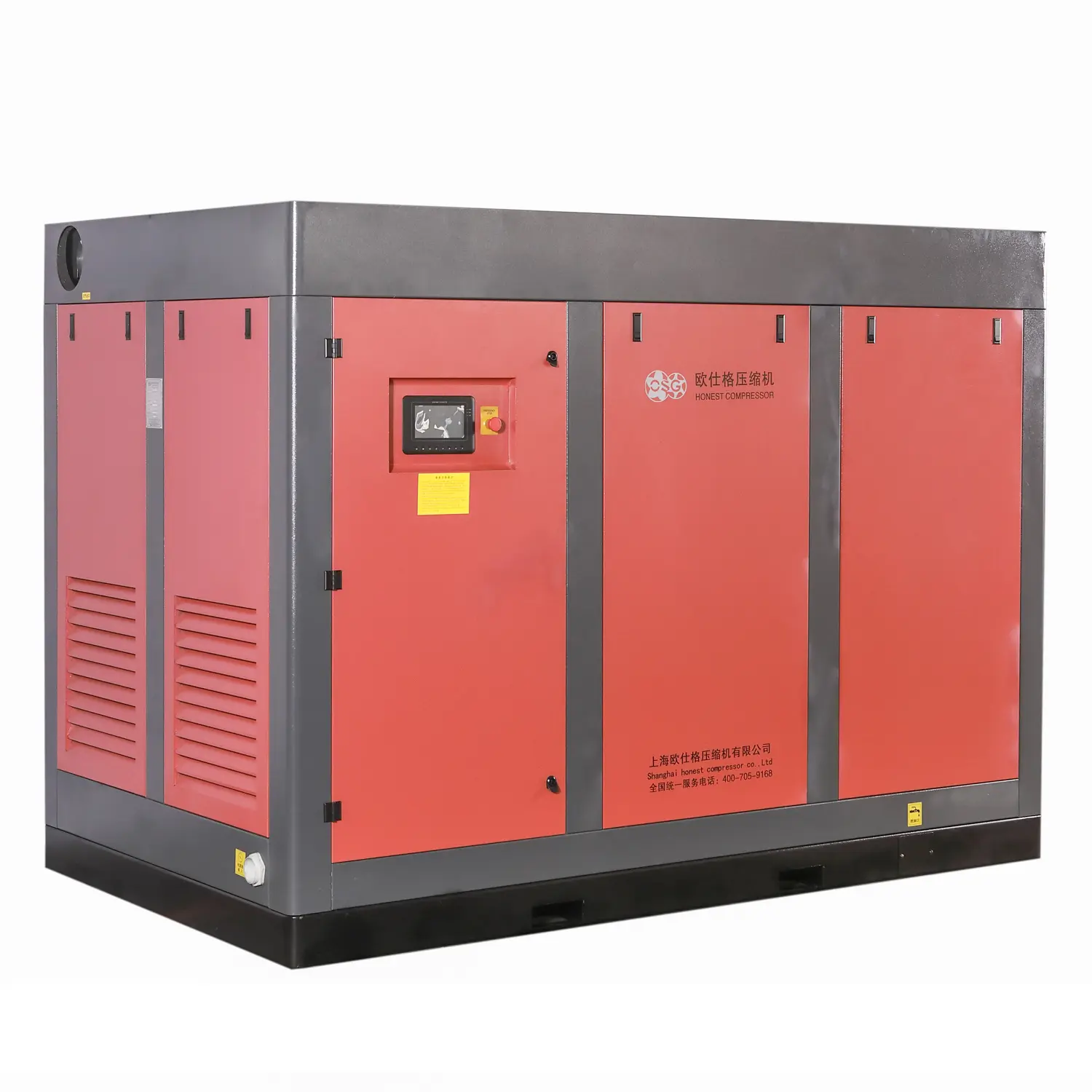
High-efficiency, heavy-duty industrial air end configured for large manufacturing facilities.
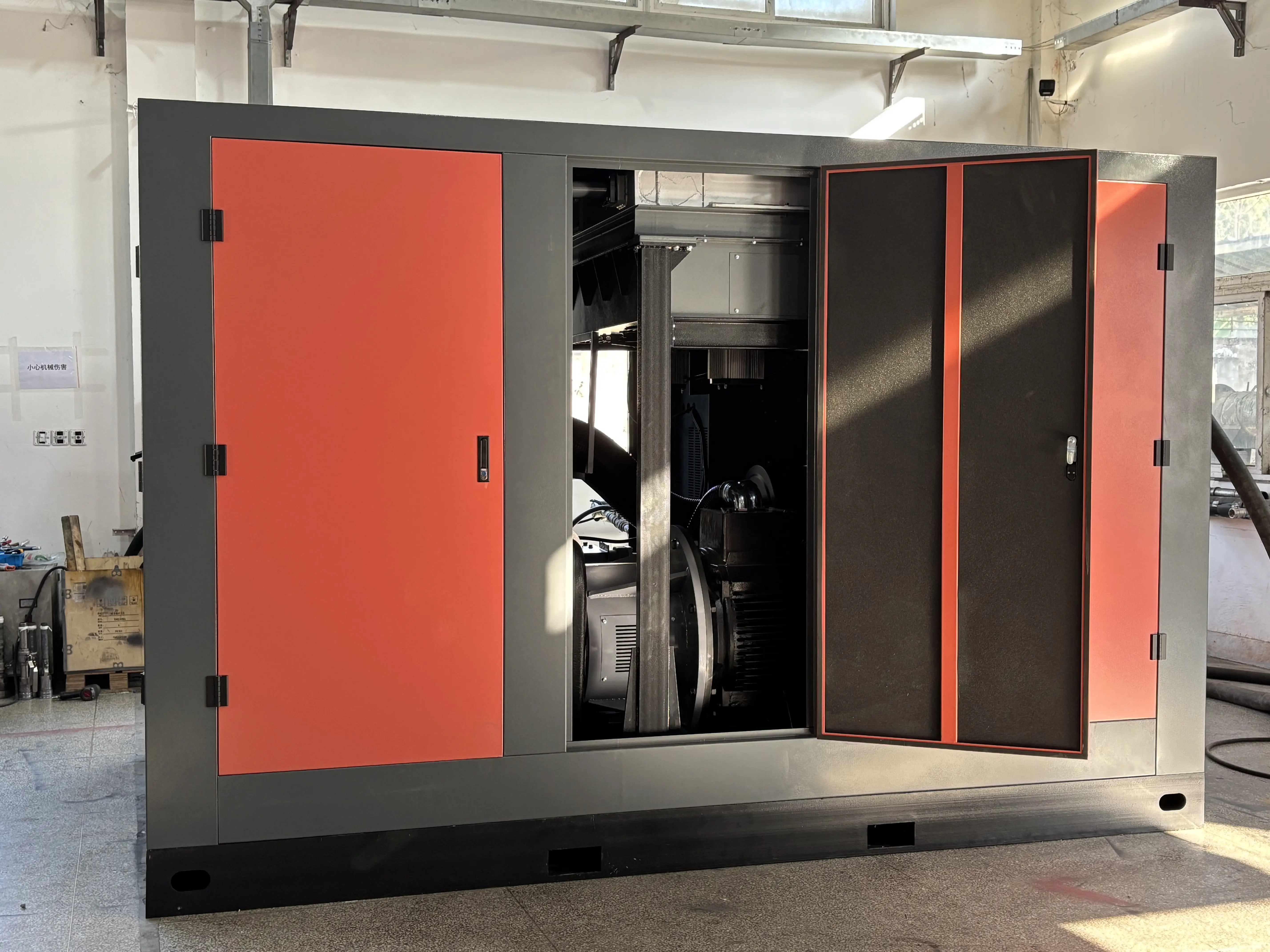
Large-scale variable frequency compressor designed to optimize energy consumption.
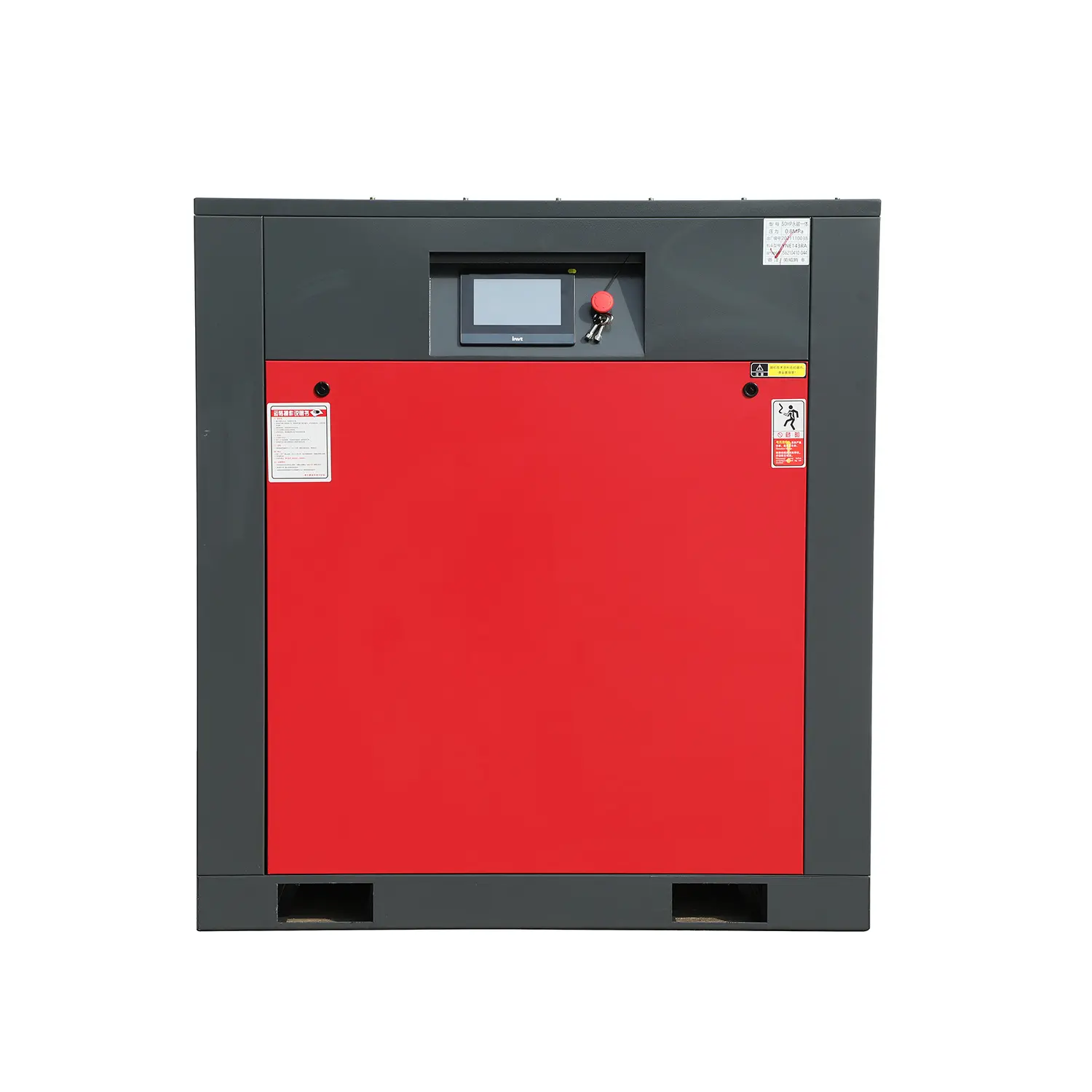
A simple, rugged fixed-speed rotary system built for reliable day-to-day operation.
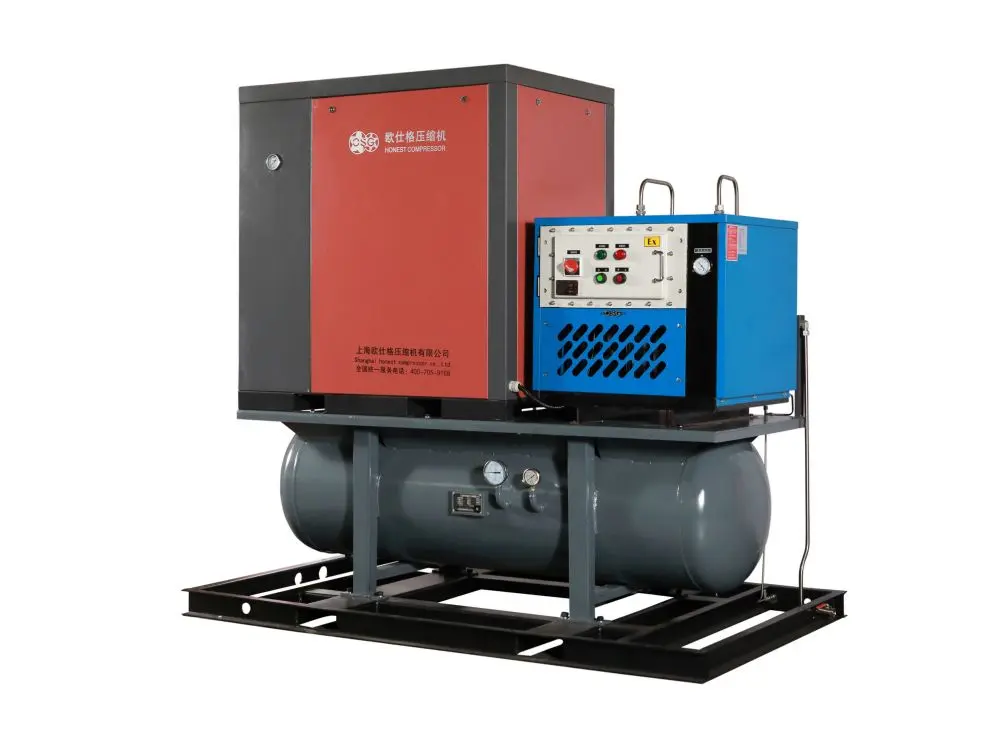
Low-noise, space-saving design with integrated air preparation and a 1-year machine warranty.
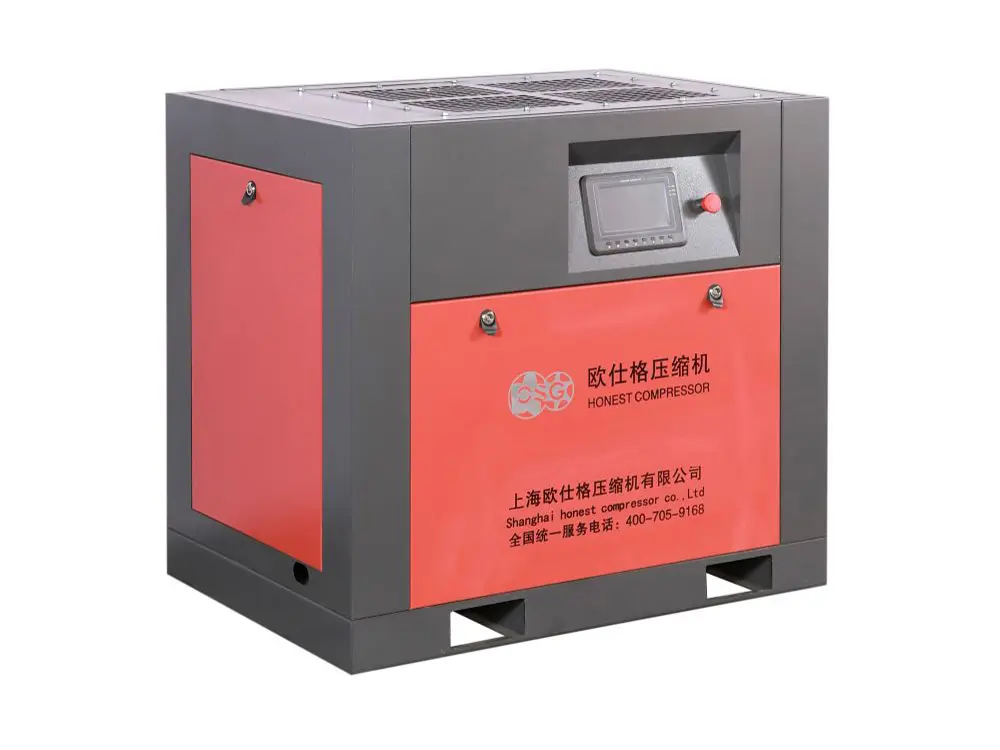
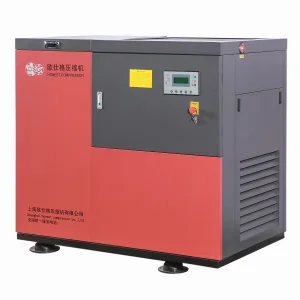
Model XD-8A featuring automatic PLC control, air-cooling, and low operating noise.
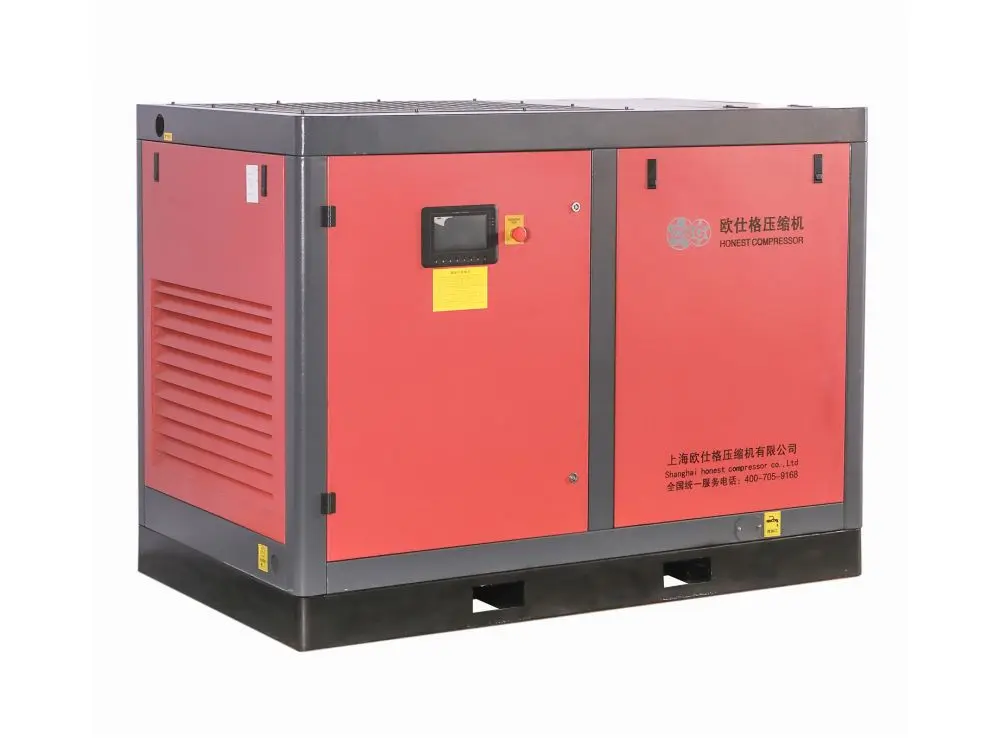
Two-stage oil-injected system engineered to optimize pressure ratios and reduce air end leakage.
Founded in early 2004, Shanghai Honest Compressor Co., Ltd. is a British-owned enterprise located at NO. 355 Jiajian Branch Road, Malu Town, Jiading District, Shanghai, China. As a large-scale manufacturing enterprise specializing in twin-screw air compressors, we provide a wide range of compressed air solutions. Our production line includes piston air compressors (low, medium, and high pressure, oil-free) and rotary screw systems from 3kW to 480kW, alongside air dryers, ceramic filtration units, and replacement consumables.
Answers to common operational and engineering questions regarding rotary screw installations.
Contact our engineering team for sizing calculations, system layouts, and pricing quotes tailored to your facility's requirements.
Send Inquiry Now