Whitepaper: Next-Gen Industrial Air Compressor Systems and Energy-Saving Standards
In modern industrial manufacturing, compressed air is often referred to as the "fourth utility." However, it is also one of the most energy-intensive resources. A significant percentage of industrial energy usage is attributed to air compression. Consequently, global industries are facing increased pressures to limit carbon footprints, adhere to rigorous environmental guidelines, and optimize total cost of ownership (TCO). This comprehensive industry report evaluates the engineering principles, global market demands, and supply chain strategies driving the adoption of energy-saving compressor technology.
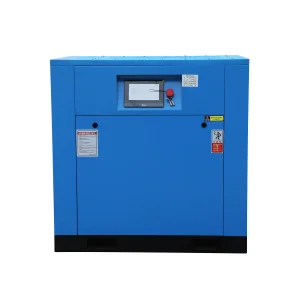
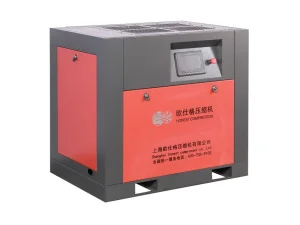
“Transitioning from legacy fixed-speed compressors to two-stage Variable Frequency Drive (VFD) Permanent Magnet (PM) screw compressors can reduce industrial energy draw by up to 30% to 35%, yielding direct ROI within 12 to 18 months.”
1. Paradigm Shift in Compressed Air: The Rise of Energy-Saving Technologies
Traditionally, industrial air compressors operated on simple fixed-speed profiles. These units run continuously at maximum capacity, using mechanical modulation (inlet throttling or bypass valves) to adjust air output when demand fluctuates. This process generates massive mechanical and electrical waste, commonly known as unload loss.
The modern engineering paradigm focuses on matching supply directly with real-time operational demand. The transition is driven by two main technological innovations:
- Variable Frequency Drives (VFD) and Permanent Magnet (PM) Motors: Unlike standard induction motors, PM motors maintain exceptionally high efficiency levels even at low operating speeds. Equipped with VFD inverters, they scale RPM dynamically to match air consumption down to fractional requirements, eliminating unload cycles entirely.
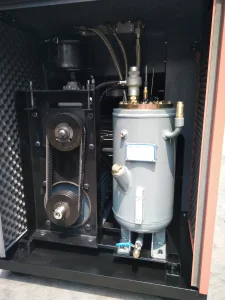
- Two-Stage Compression Design: By splitting the compression ratio across two separate chambers, the thermodynamic process approaches the ideal isothermal curve. This design reduces internal gas leakage and lowers interstage temperature, saving up to 15% more power compared to single-stage units of equivalent output.
2. Global Procurement Dynamics: Sourcing Energy-Efficient Compressors
International procurement managers prioritize a balance between performance certification, mechanical longevity, and capital expenditure. Sourcing teams evaluate partners based on several key compliance metrics:
Standards and Certifications: Sourcing compliant equipment requires verifying certifications like CE (for the European Economic Area) and ISO standards. Specifically, performance validation under ISO 1217 Annex C/E is critical, ensuring manufacturers report free air delivery (FAD) and specific energy consumption accurately.
Total Cost of Ownership (TCO): While the initial purchase price of an energy-saving compressor is higher than a fixed-speed unit, energy costs make up over 70% of a compressor's lifetime cost. Buyers use advanced calculators to model payback periods based on localized energy tariffs, duty cycles, and maintenance programs.
3. China Factory 4.0: Supply Chain Resilience & Manufacturing Prowess
China has evolved from a high-volume manufacturing center into an advanced engineering hub utilizing Factory 4.0 principles. Suppliers like Shanghai Honest Compressor Co., Ltd. demonstrate how vertical integration and localized supply networks ensure high quality and pricing advantages:
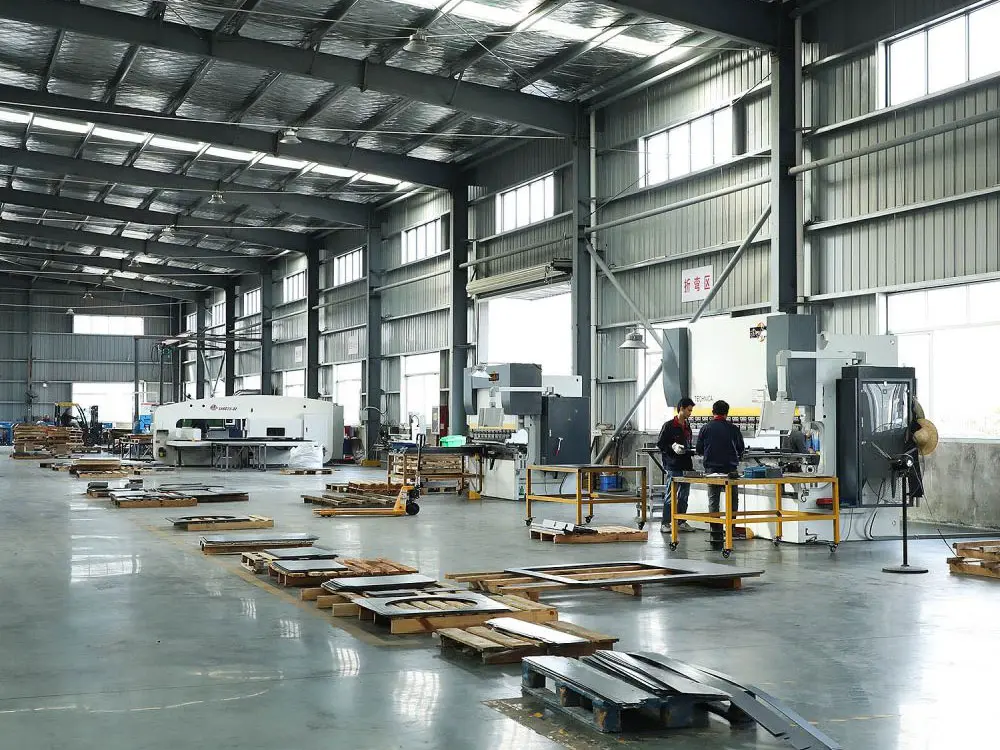
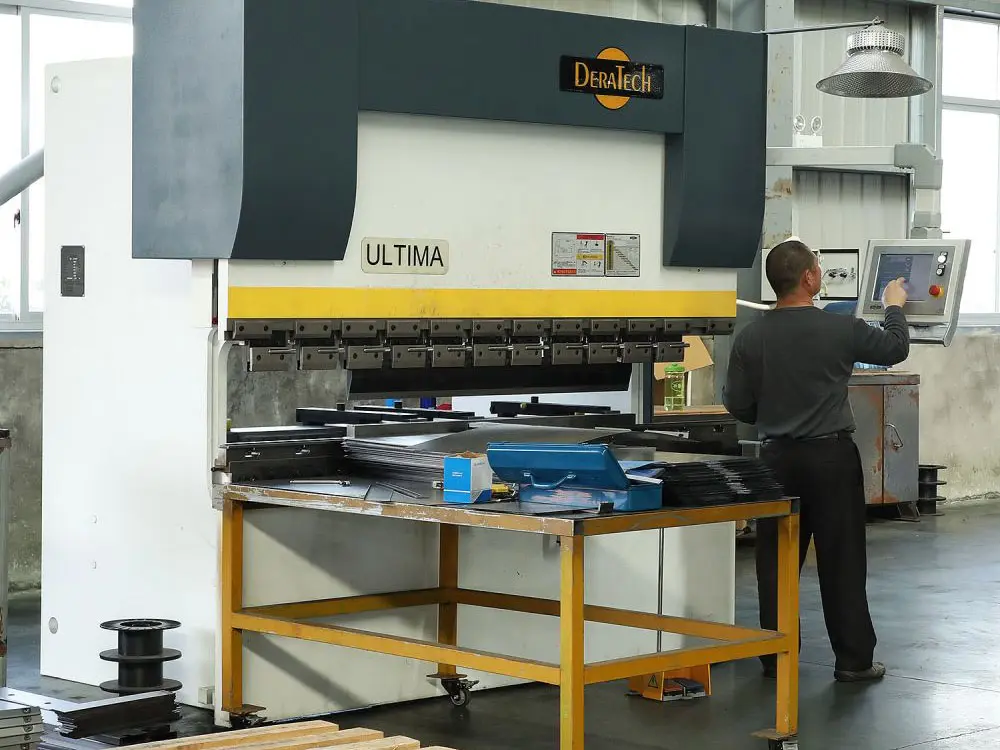
- Precision Component Integration: Shanghai's industrial manufacturing zones offer seamless access to high-precision rotor milling machines, automated motor winding, and advanced sheet metal fabrication. This proximity keeps lead times short and ensures consistent tolerances.
- Advanced Quality Control: Modern testing labs use simulated load profiling, thermodynamic chamber validation, and computerized vibration analysis to ensure every compressor meets target efficiency standards before shipping.
- Logistical Advantages: Based in Jiading District, Shanghai, factories can leverage nearby container ports and global shipping channels to maintain stable supply chains, even during peak global transit times.
4. Industrial Application Profiles: Choosing the Right Setup
Compressed air needs differ significantly across various industries. Selecting the right compressor design ensures both efficiency and reliability:
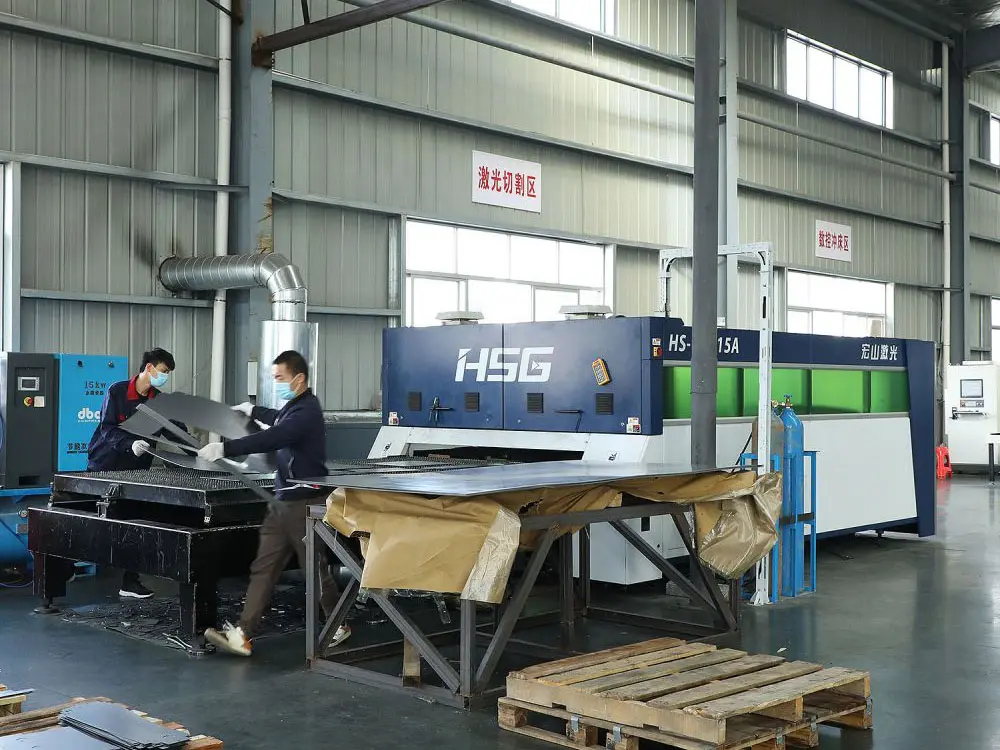
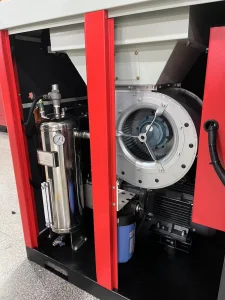
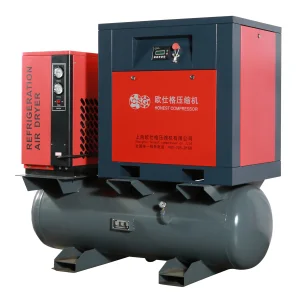
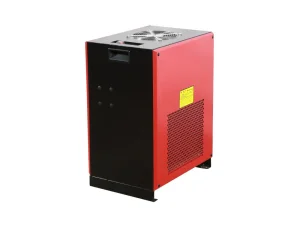
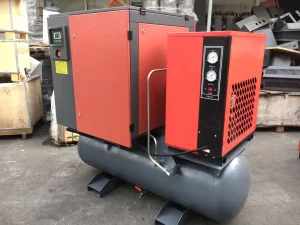
- Laser Cutting Operations: High-precision fiber laser cutting requires stable, high-pressure air (typically 15.5 bar to 16 bar) to blow away slag and maintain clean cuts. Integrated "all-in-one" designs with onboard air dryers and multi-stage filtration are ideal here.
- Pharmaceutical & Food Processing: Zero-tolerance cleanliness requirements demand 100% oil-free screw compressors. Utilizing water-lubricated rotors or dry, oil-free compression chambers prevents product contamination and ensures compliance with regulatory standards.
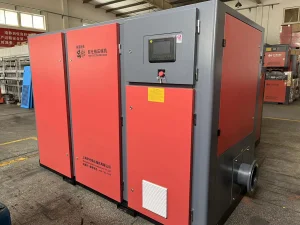
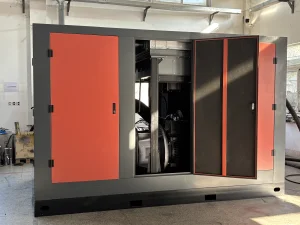
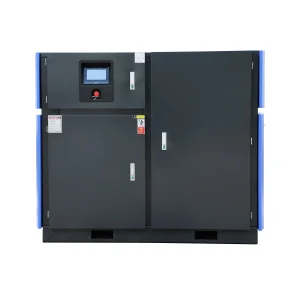
- Heavy Manufacturing & Chemical Plants: High-demand environments benefit from large-scale two-stage PM VFD air compressors (ranging from 110kw to 315kw). These units run continuously and adapt well to fluctuating factory demands.