Industrial White Paper & Global Procurement Portal

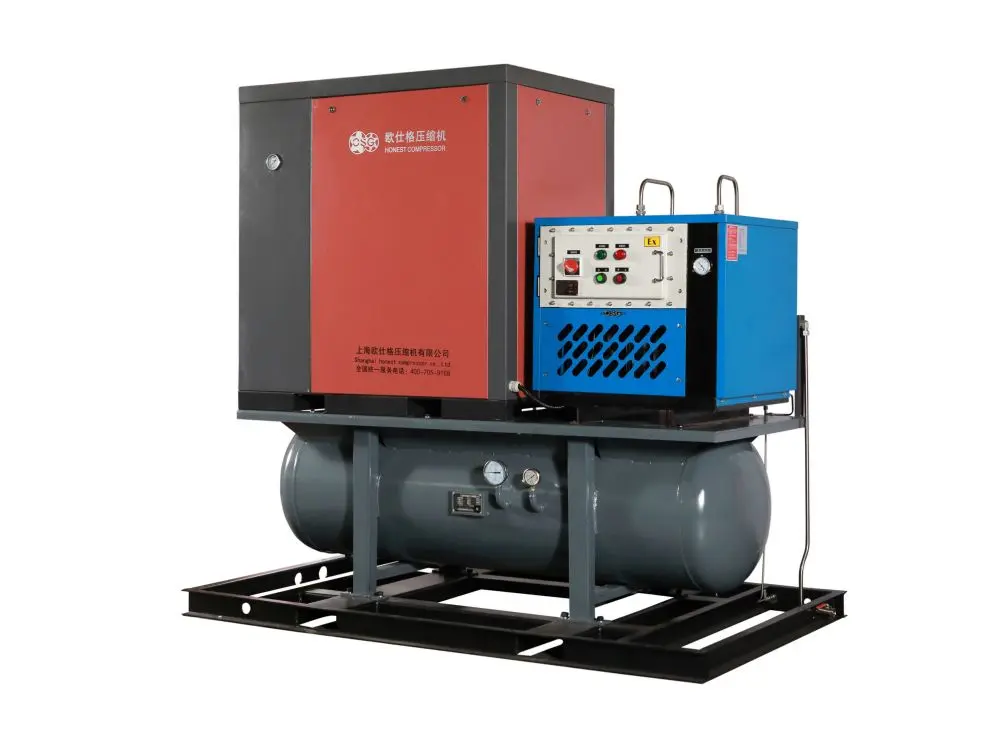
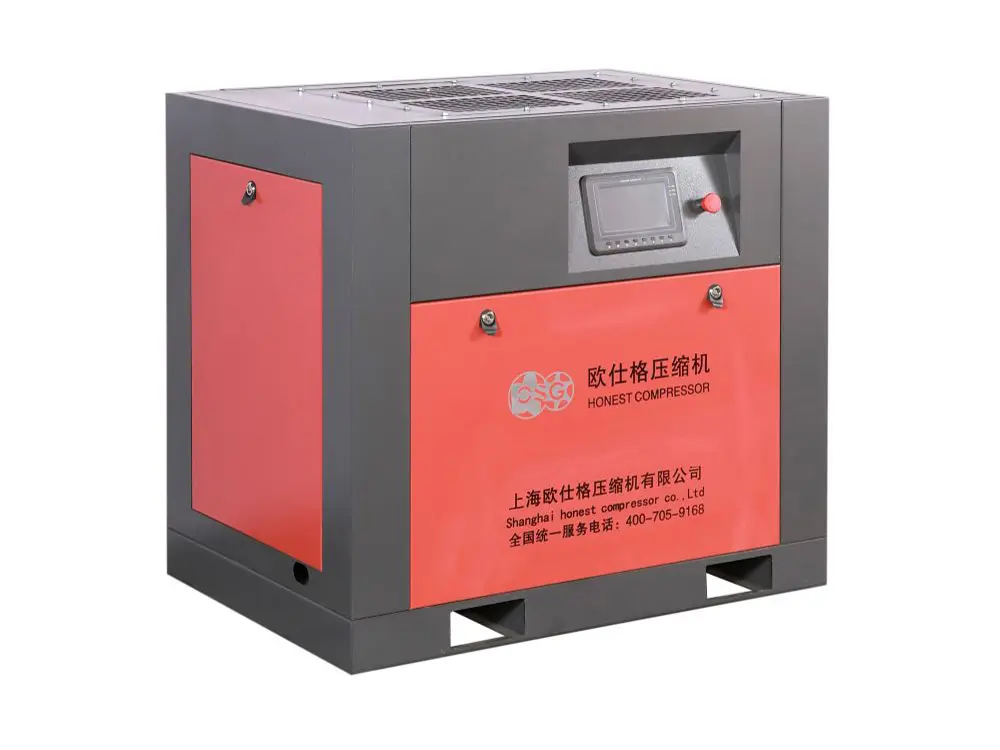
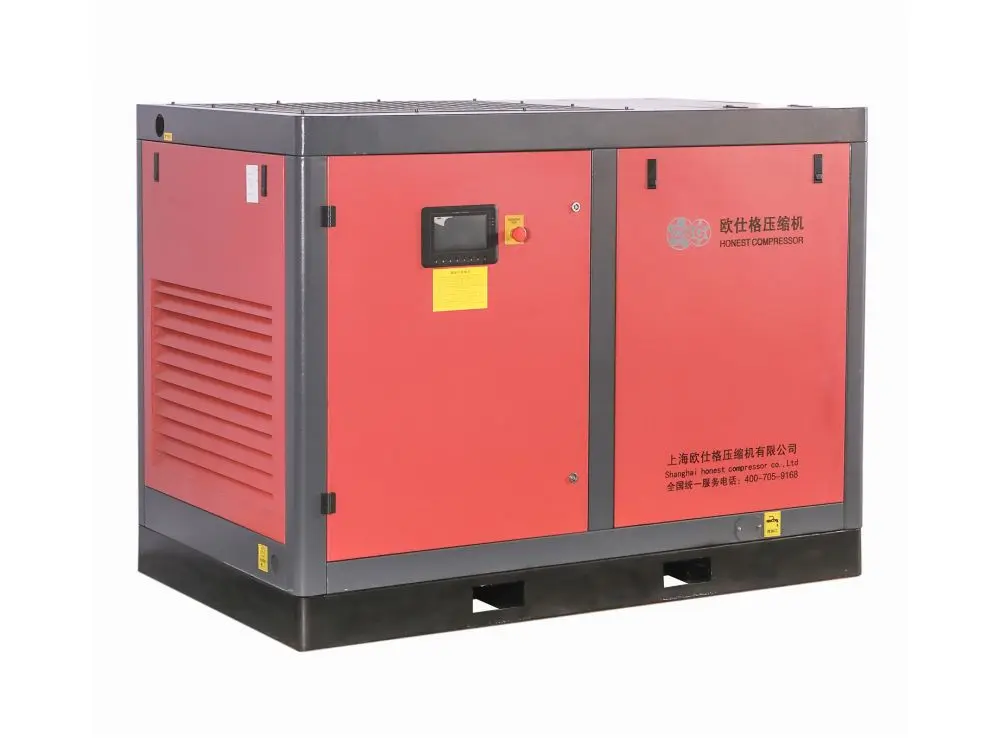
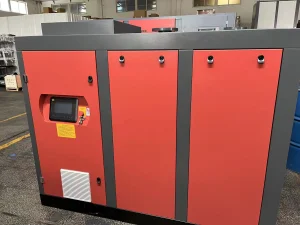
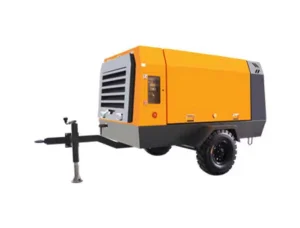
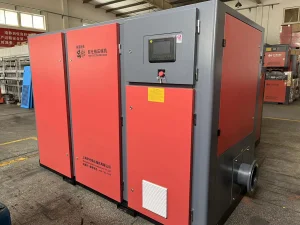
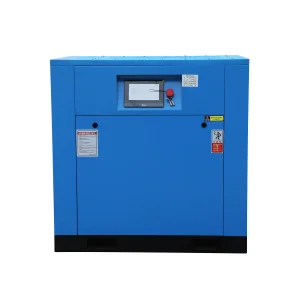
China Oilless Compressor Suppliers & Exporter

Precision Engineering, ISO 8573-1 Class 0 Oil-Free Compliance, and Variable Frequency Drive Energy Solutions from Shanghai's Premier Manufacturing Base.

Industry White Paper & Global Outlook

The Evolution of Oilless Compression in High-Precision Modern Industries

In the modern manufacturing landscape, the quality of compressed air is no longer a secondary utility concern—it is a critical determinant of product integrity, process yield, and regulatory compliance. Across sectors such as pharmaceuticals, biotechnology, semiconductor manufacturing, and food processing, even the slightest trace of oil contamination can result in catastrophic product recalls, operational downtime, and severe reputational damage.

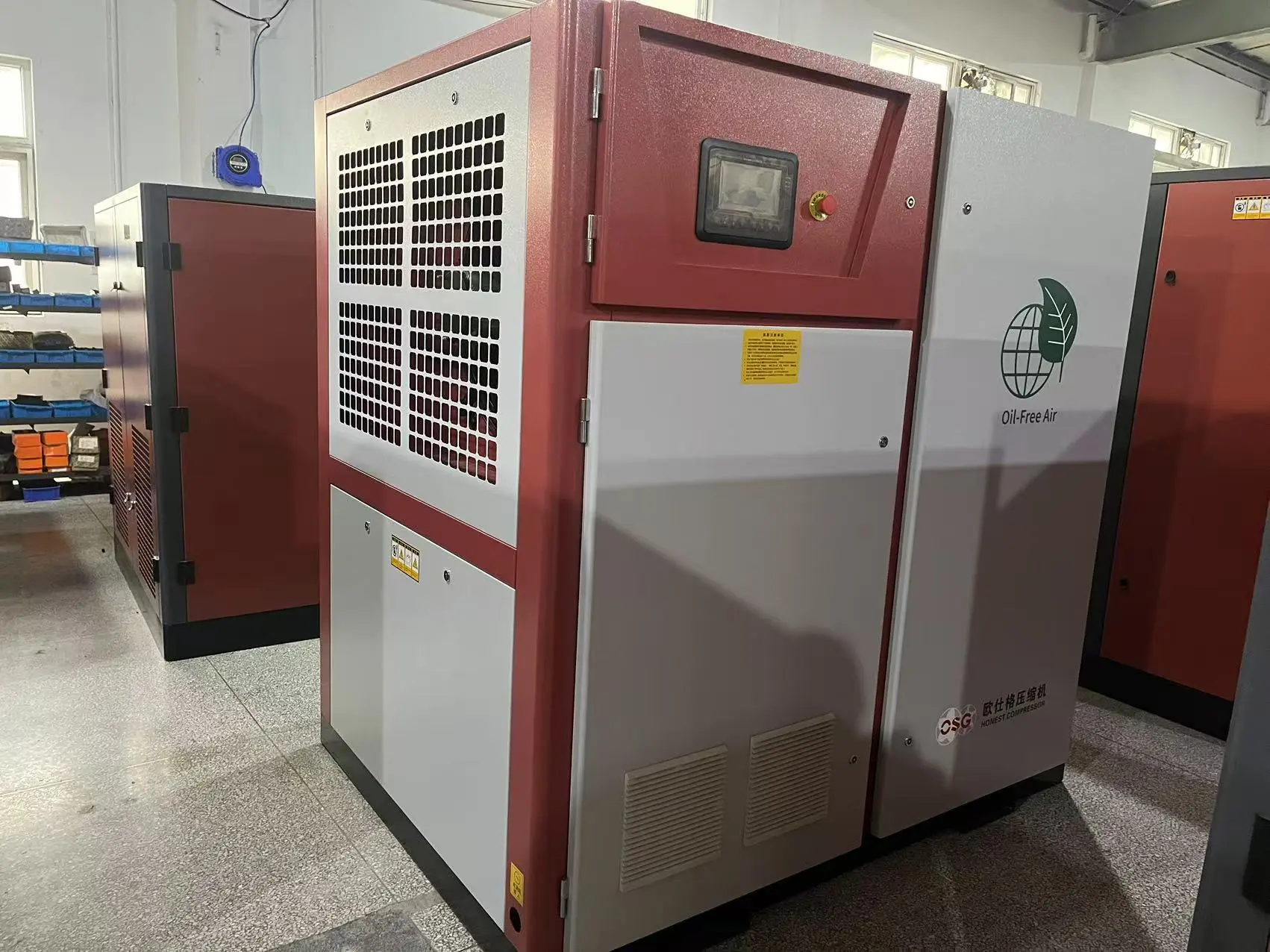
This risk has driven the global shift toward Oilless Compressor Systems. Unlike standard oil-lubricated compressors that attempt to filter out hydrocarbons after compression, oilless compressors do not introduce oil into the compression chamber in the first place. The result is pure, oil-free air that meets the stringent requirements of ISO 8573-1 Class 0 Certification.

What is ISO 8573-1 Class 0?

Class 0 is the most stringent air quality classification specified under the ISO standard. It guarantees zero risk of oil contamination in the air stream, with total oil concentration limits (including liquid, aerosol, and vapor phases) strictly under 0.01 mg/m³.

1. Key Trends in the Global Oilless Compressor Industry

The global industrial compressor market is undergoing rapid evolution. Key structural shifts include:

  • Mandatory Energy Efficiency (VSD & VFD): Governments worldwide are enforcing carbon tax policies and tightening industrial electricity consumption standards. Permanent Magnet Variable Speed Drive (PM-VSD) systems optimize motor output dynamically to match real-time demand, reducing energy use by up to 30% compared to fixed-speed units.
  • Smart Integration (Industry 4.0): Modern oilless units are equipped with IoT sensors, PLC controllers, and cloud monitoring interfaces to provide predictive maintenance alerts and analyze thermodynamic efficiencies remotely.
  • Transition from Wet to Dry Compression: Advanced synthetic coatings on rotors allow dry-type screw compressors to run without water or oil sealants in the chamber, achieving optimal speed matches without liquid deterioration.

2. Global Procurement Demands & Quality Parameters

International procurement managers looking for reliable manufacturers in China focus heavily on several design criteria. Modern factories must balance structural cost with durable componentry. Below are the key indicators required by global buyers:

  • Direct-Drive Mechanics: Eliminating belt drives minimizes mechanical transmission losses and reduces maintenance downtime. Direct coupling with high-performance elastic couplings is now standard.
  • Acoustic Decoupling: Heavy machinery installations in mixed-use commercial and research locations demand operating noise levels lower than 63dB(A), achieved through multi-stage silencers and sealed enclosures.
  • Thermal Resilience: Air-cooled units require optimized radiators and dual-ventilation paths to function efficiently at ambient temperatures up to 45°C.

3. China Factory 4.0: Supply Chain Resilience & Efficiency

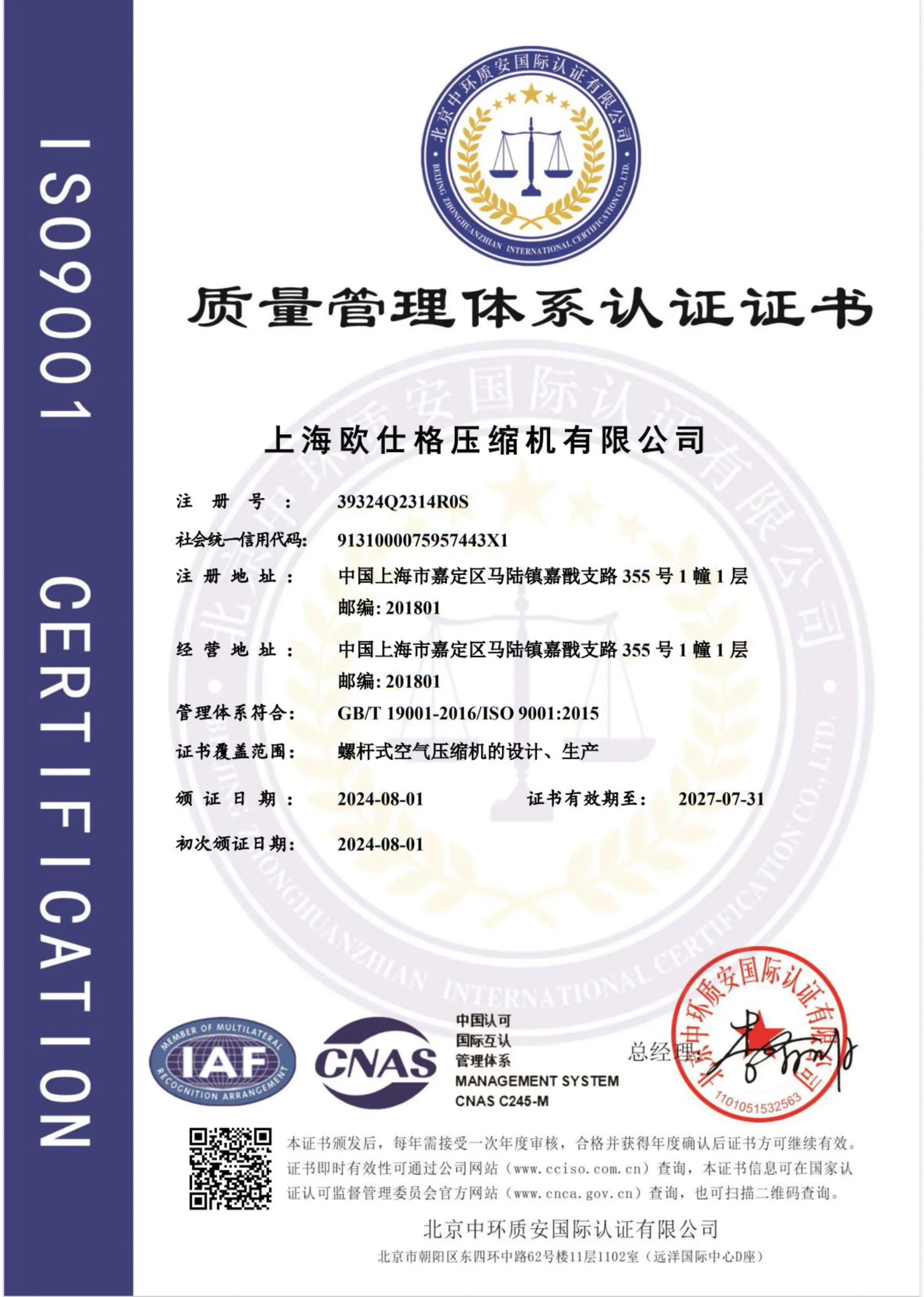
China has transitioned from a high-volume assembly center to a precision engineering powerhouse for compressed air systems. Companies like Shanghai Honest Compressor Co., Ltd. represent this integration. Originally founded in 2004 as a British-owned enterprise, and based at NO. 355 Jiajian Branch Road, Malu Town, Jiading District, Shanghai, the facility leverages local supply chain clusters to source premium materials (such as high-grade steel, advanced coatings, and certified PM motors) while maintaining competitive pricing structures.

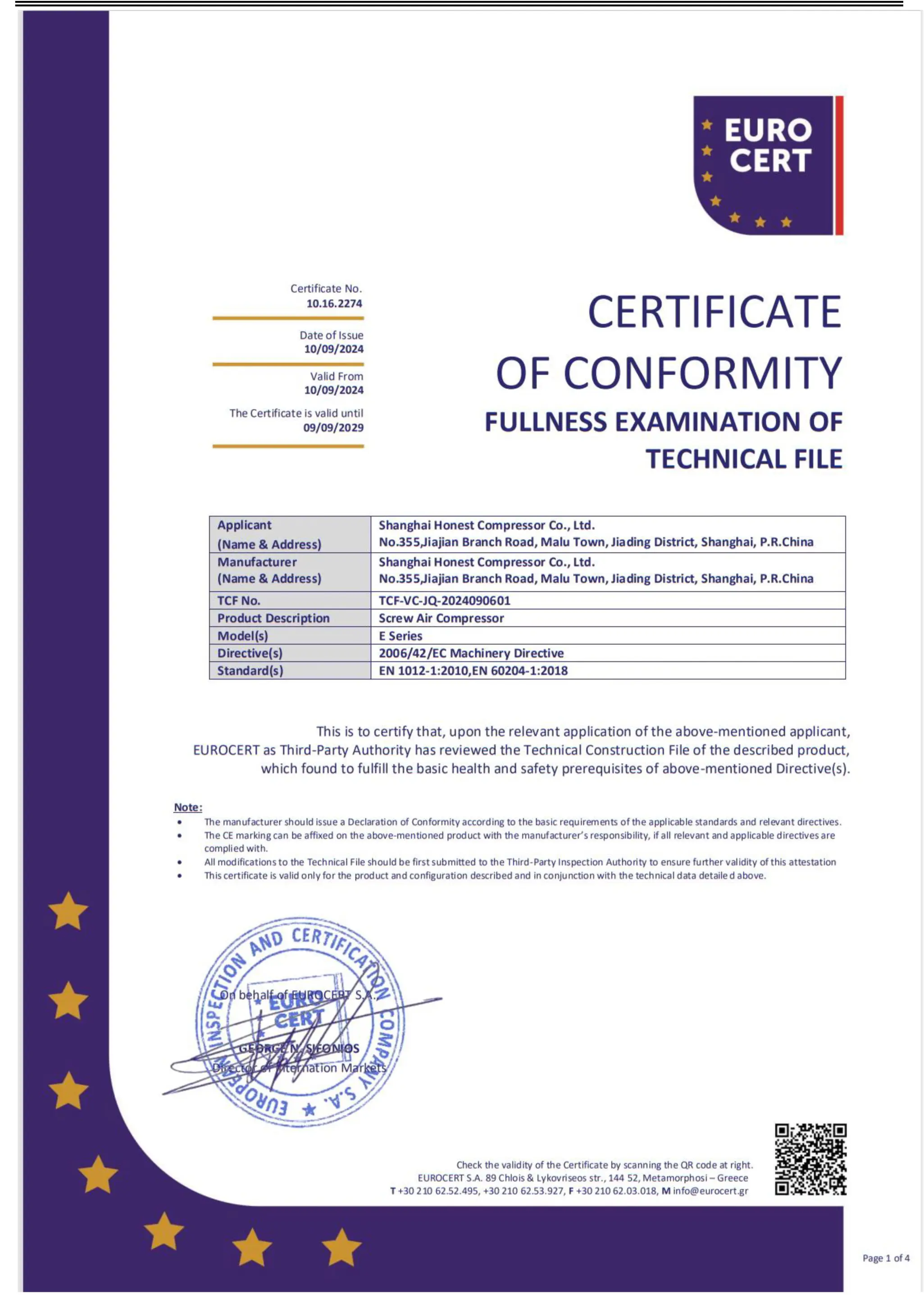
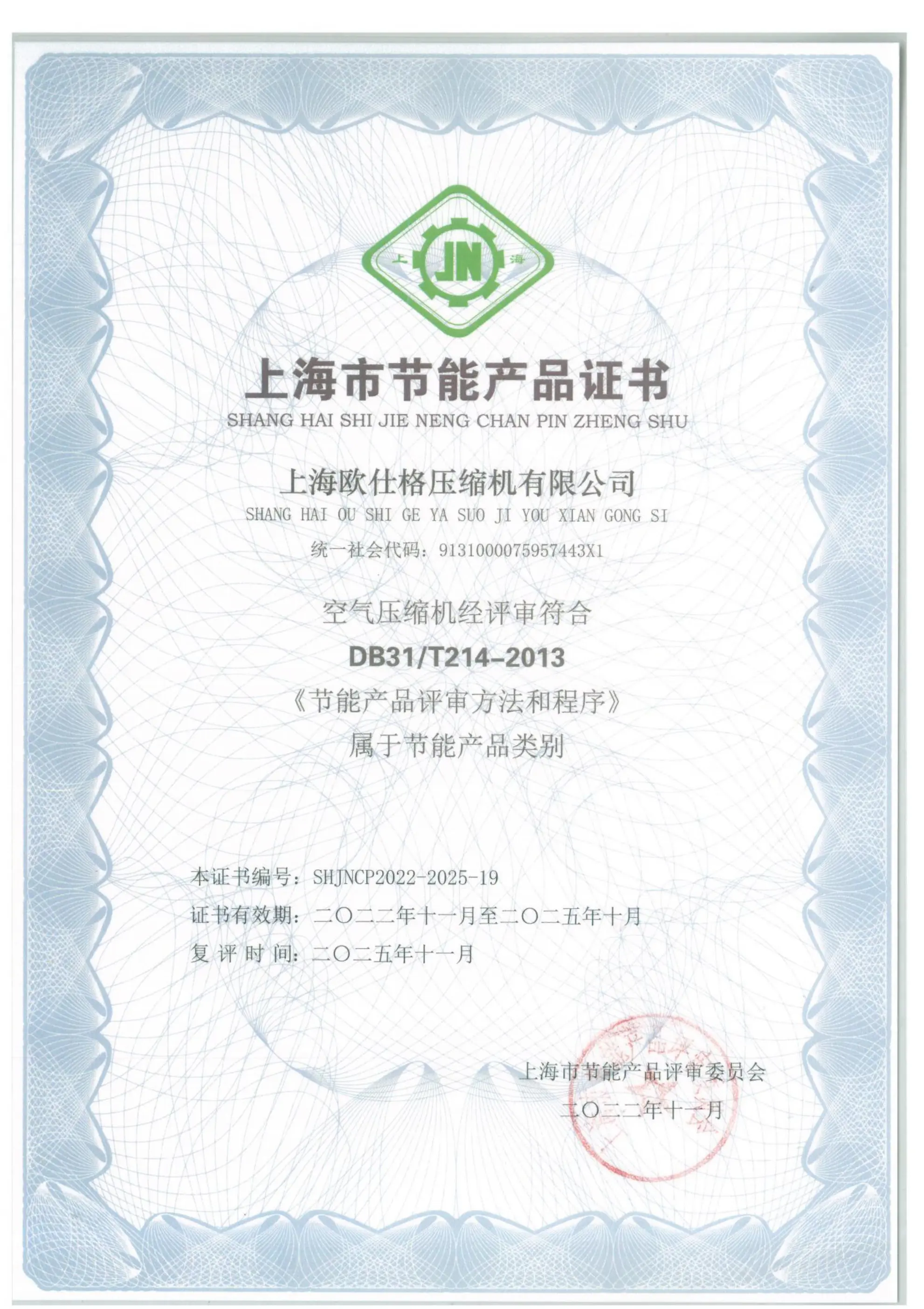
This dual identity allows the integration of Western design philosophies with Eastern cost efficiencies. By controlling the entire manufacturing process—from raw casting and rotor machining to electrical assembly and final testing—Shanghai Honest provides customized OEM and ODM services that match international certification standards (CE, ISO, RoHS).

Key Specifications & Stats

Founded 2004

British-owned enterprise in Shanghai, China

Energy Efficiency Up to 30% Saving

Achieved via Variable Frequency Drives (VFD)

Production Base Jiading District, Shanghai

State-of-the-art twin-screw assembly lines

Compliance Standards
  • ISO 8573-1 Class 0
  • CE Certification
  • IP55 Motor Protection
Customized Engineering

Oilless Solutions In Action Across Critical Applications

Pharmaceutical & Biotechnology

In pharmaceutical processing, compressed air is used for pneumatic conveying, product drying, packaging, and tableting. Contamination by oil leads to product chemical degradation. Our Class 0 systems guarantee absolute chemical purity, preventing costly waste and batch contamination.

Semiconductor Manufacturing

Sub-micron chip production runs in cleanroom environments where air purity is critical. Hydrocarbon aerosols can coat wafer surfaces and cause circuit failures. The 75KW to 280KW dry-type screw designs deliver oil-free, dust-free dry air to meet cleanroom demands.

High-Pressure Laser Cutting

Modern precision fiber laser cutting machines rely on auxiliary gases (like high-pressure air at 15.5 bar) to blow away molten metal cleanly. Hydrocarbons in the gas stream will dirty the laser optical lenses, reducing processing speed. The specialized 15.5 bar air systems prevent this lens damage.

About Shanghai Honest Compressor Co., Ltd.

A British-Owned Legacy of Precision Engineering

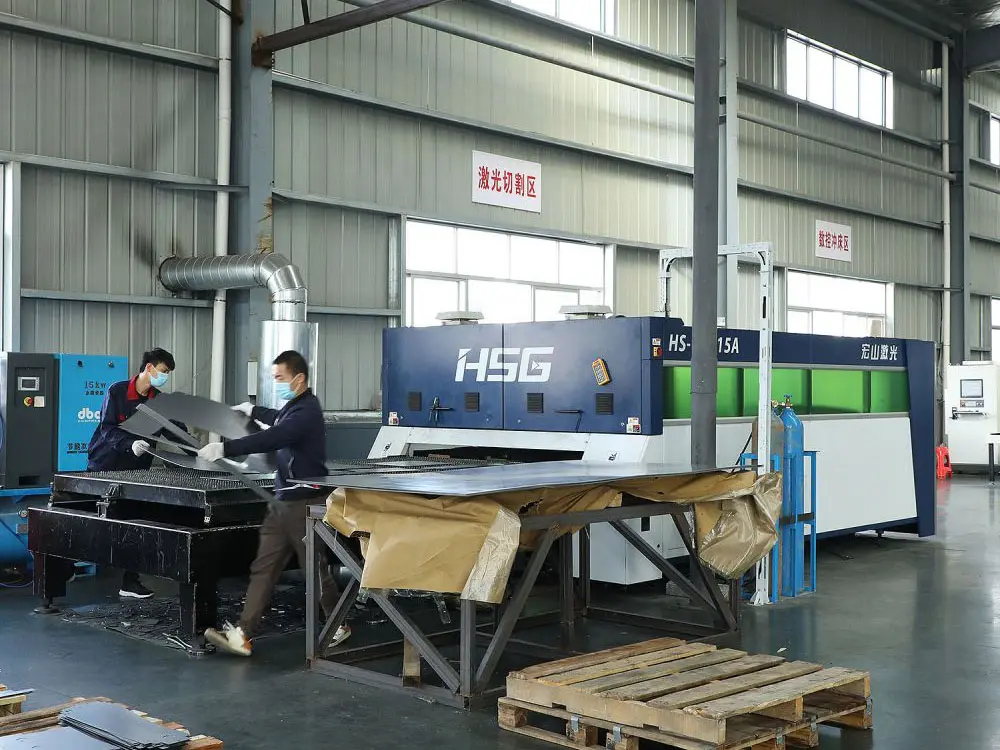
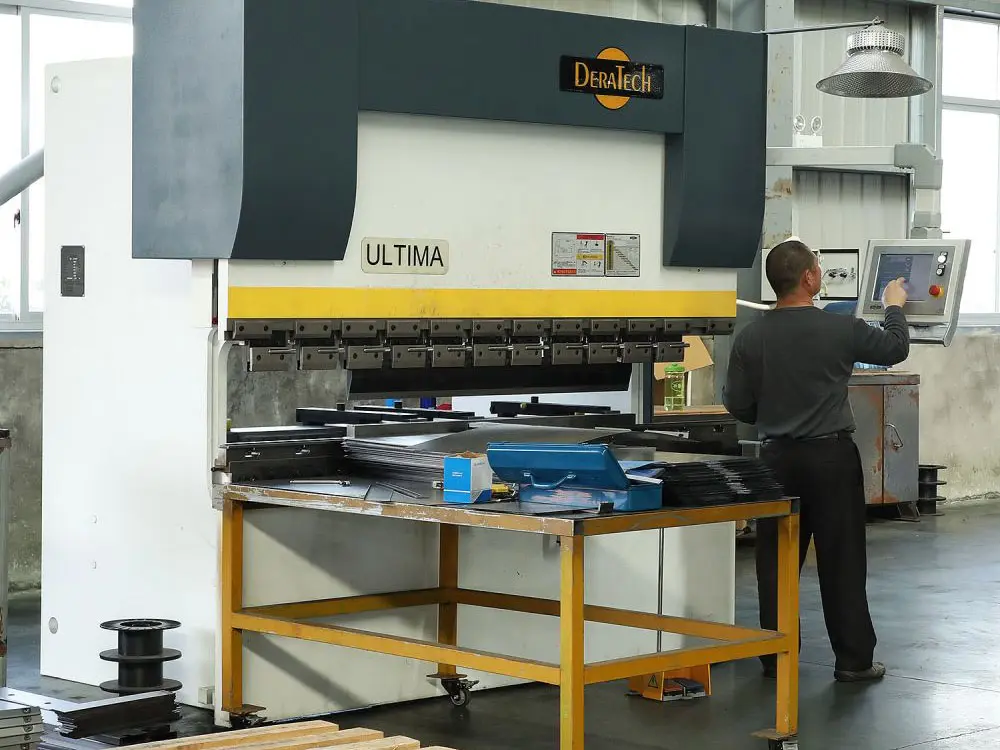
Established in 2004, Shanghai Honest Compressor Co., Ltd. is a British-owned manufacturing enterprise located at NO. 355 Jiajian Branch Road, Malu Town, Jiading District, Shanghai, China. Spanning multiple advanced production halls, the factory specializes in the research, design, and fabrication of twin-screw air systems.

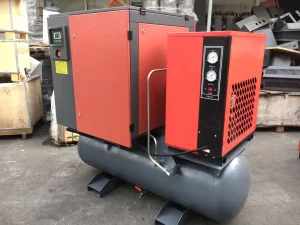
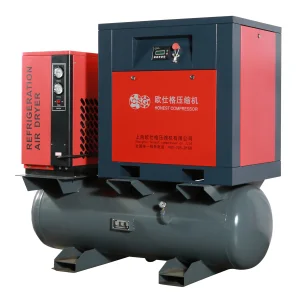
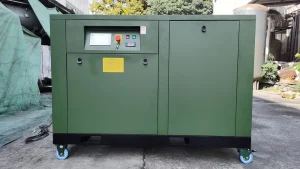
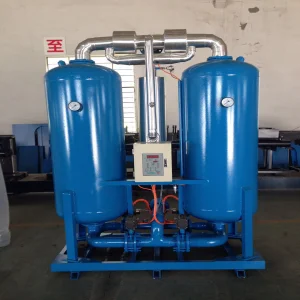
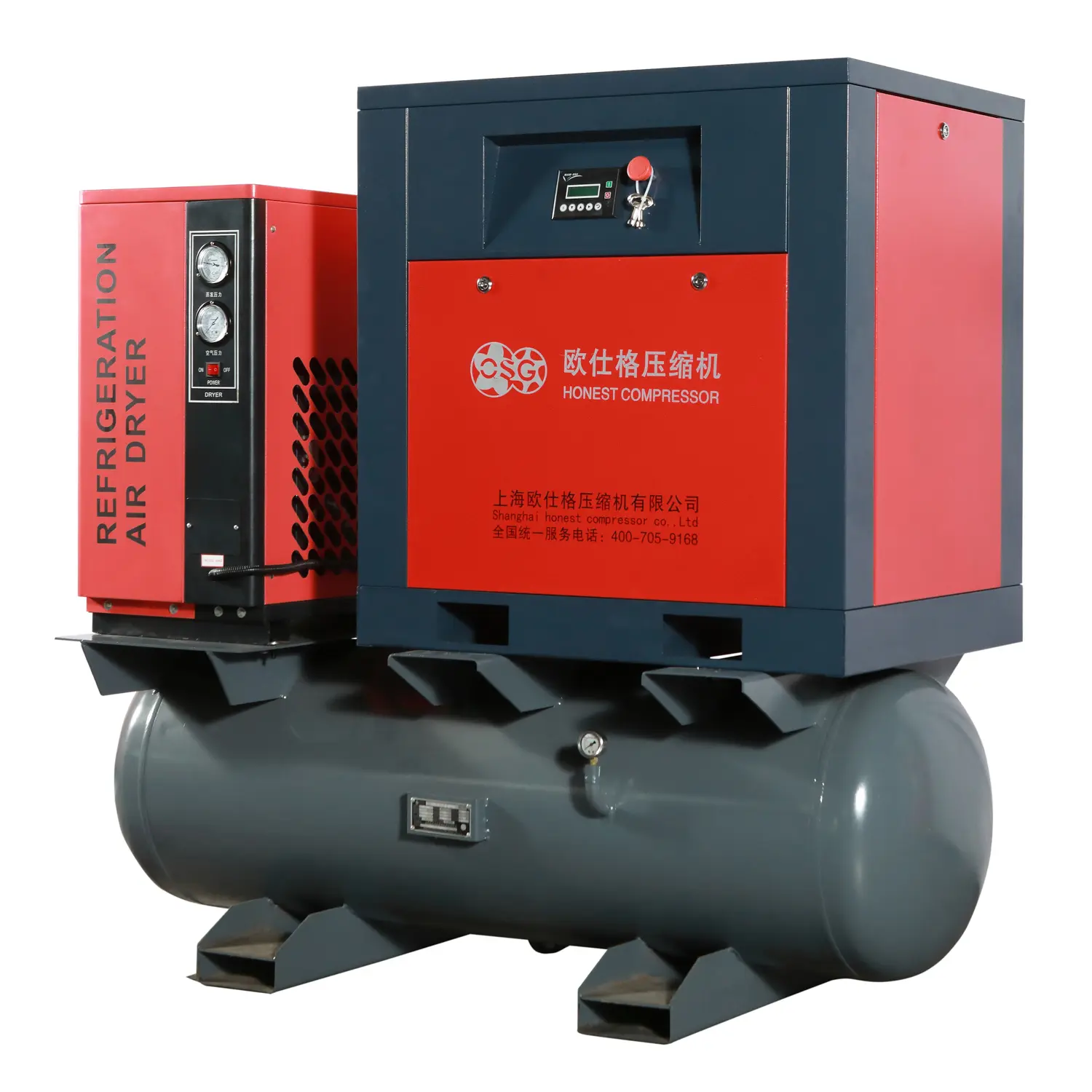
Shanghai Honest provides custom-engineered solutions, including piston air compressors (low, medium, and high-pressure configurations), oilless scroll and screw systems, variable speed dry compressors, vacuum pumps, refrigerated and desiccant dryers, and advanced filtration units. Over two decades, our engineering team has worked with international system integrators to supply custom air solutions to global markets, including Europe, North America, Southeast Asia, and the Middle East.
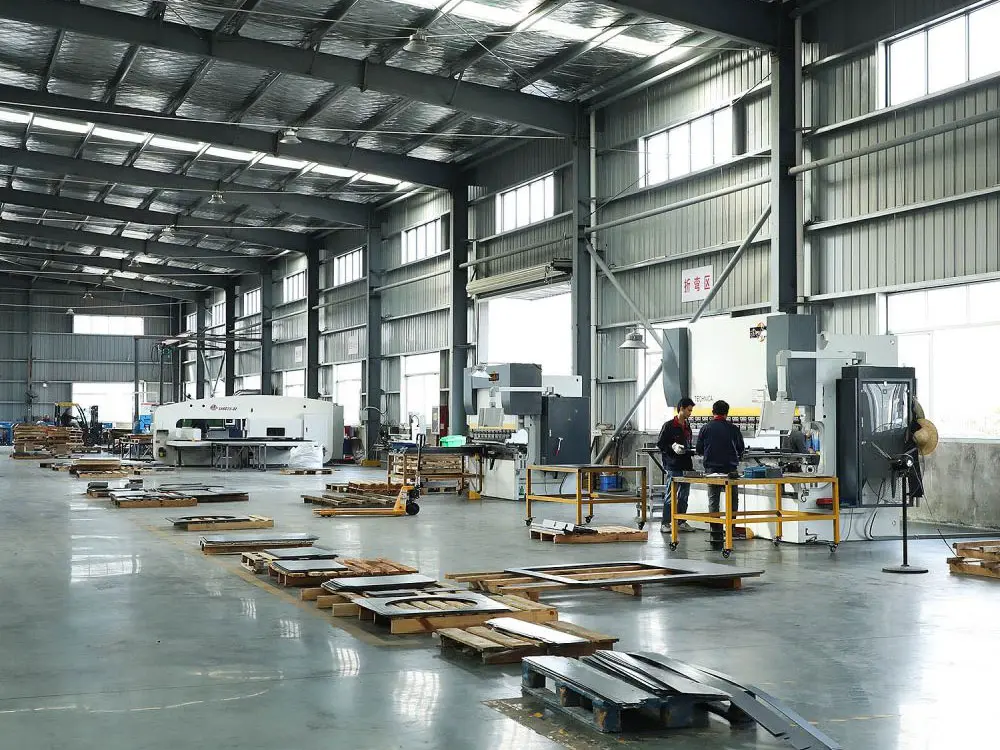
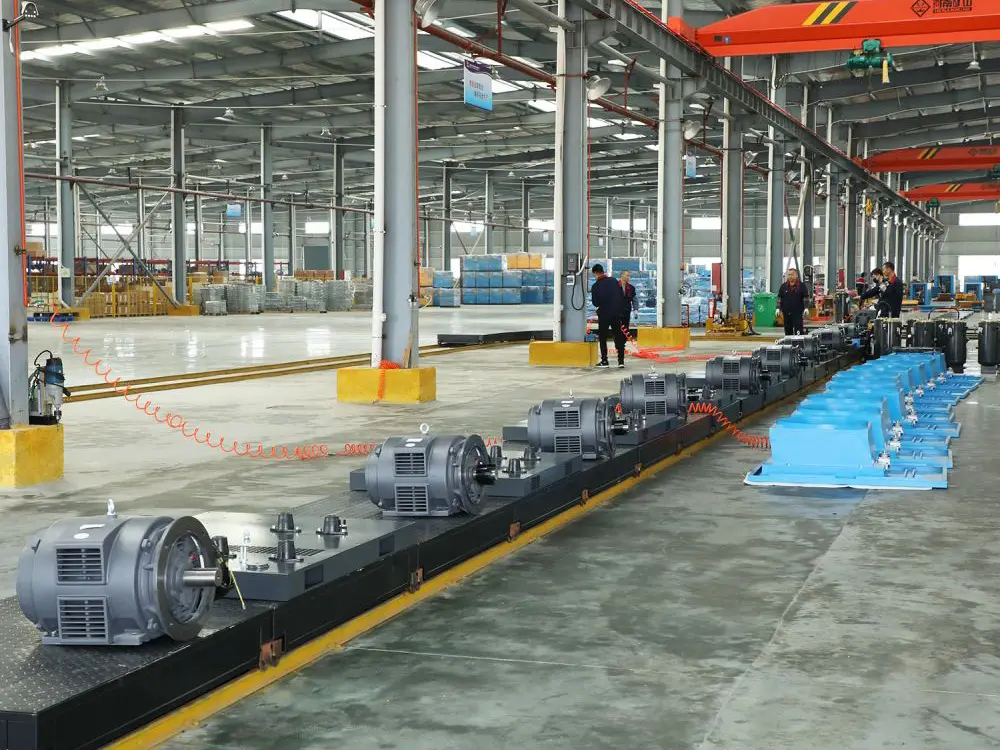
Shanghai Honest Factory Floor
Screw Air Compressor Testing
Machining Rotors
Assembly Line
Rotor Coatings
Testing Station
Quality Control Room

Events & Market Insights

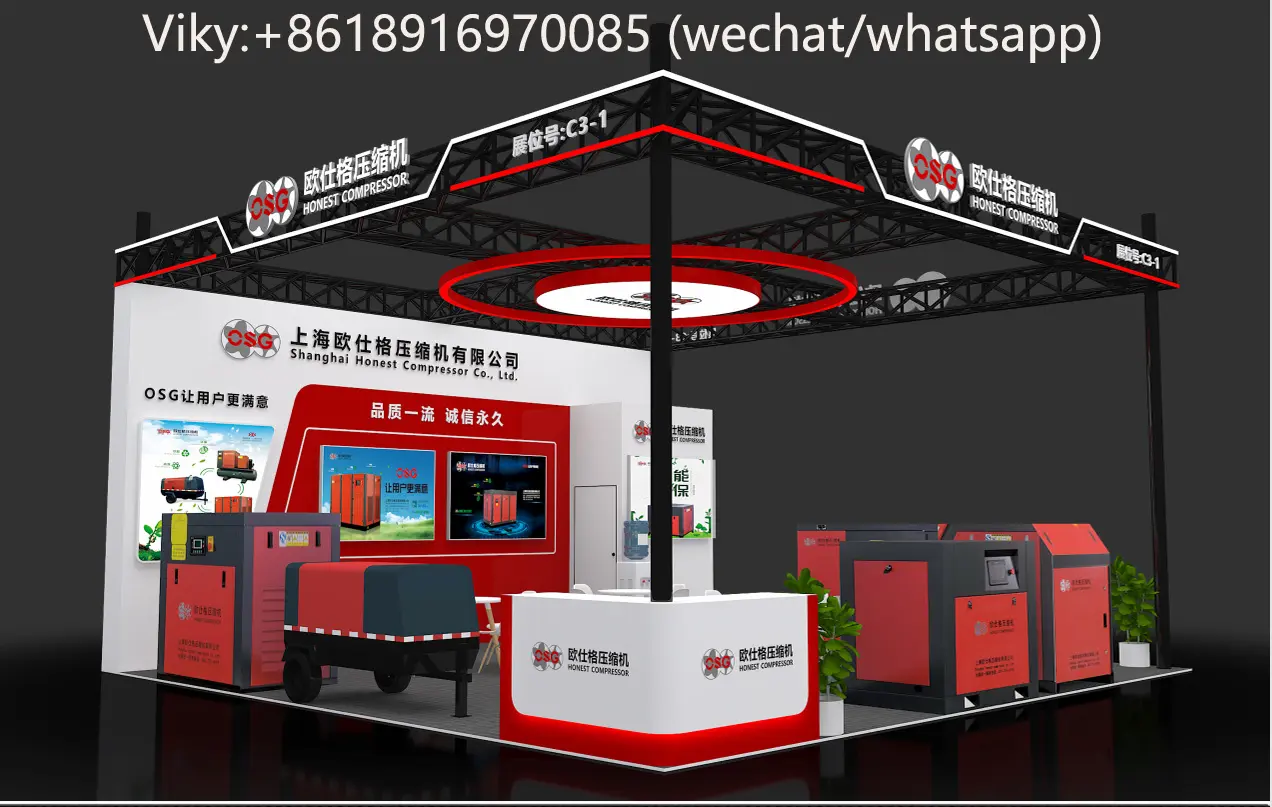
Industrial Expo Event
Dry Vacuum Pump Market Size, Growth, Trends and Report 2034

According to recent MRFR analyses, the dry vacuum pump market is valued at US$ 5.97 billion in 2024. The dry vacuum pump market is expected to grow from US$ 6.17 billion in 2025 to US$ 8.28 billion by 2034. This growth is driven by the demand for clean, contamination-free vacuums in semiconductor fabs and chemical processing plants, matching the industry-wide move toward oil-free solutions.
Technical Support

Oilless & VSD Compressor FAQ

Q1: What is the primary operational difference between oil-free and oil-injected screw compressors?
In oil-injected compressors, oil is introduced into the compression chamber to lubricate, seal, and cool the rotors. In oil-free (oilless) compressors, no lubricant enters the compression chamber. The rotors are timed via external gears and rely on special wear-resistant coatings (like Teflon or PEEK) to prevent contact, ensuring the discharged air contains zero oil vapor.
Q2: How does a Permanent Magnet VSD motor save up to 30% on energy costs?
Conventional compressors run at a fixed speed, venting excess pressure during periods of low demand, which wastes energy. Variable Speed Drive (VSD) systems adjust the motor speed to match actual compressed air demand in real time. Combined with Permanent Magnet (PM) motors, which maintain high torque efficiency across all speeds, energy losses from venting are reduced, saving up to 30% on energy costs.
Q3: Is a dry-type compressor suitable for environments with high humidity?
Yes, dry-type compressors can operate in humid environments, provided they are paired with a matched compressed air treatment system. High-capacity refrigerated or micro-heat desiccant dryers should be installed downstream to condense and remove atmospheric moisture from the system.
Q4: What maintenance is required for oilless air compressors?
While oilless compressors do not require oil changes in the compression chamber, they still require regular maintenance. Key tasks include replacing air filters, monitoring cooling fan performance, inspecting dynamic seals, checking the timing gear lubrication, and inspecting the rotor coatings to ensure long-term reliability.