The Strategic Guide to 10 Hp (7.5 kW) Rotary Screw Compression
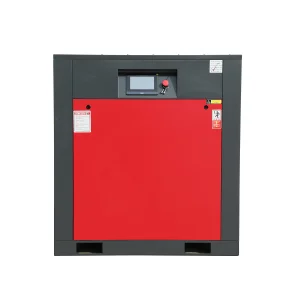
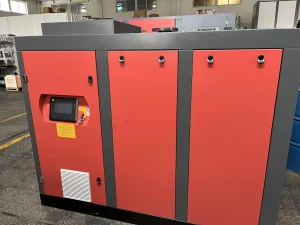
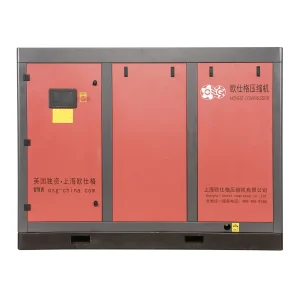
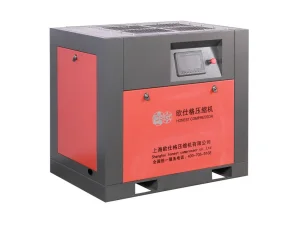
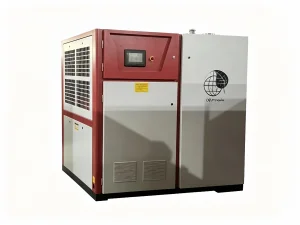
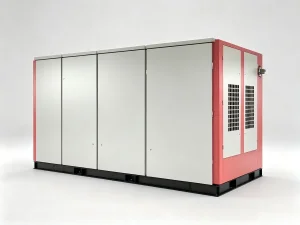
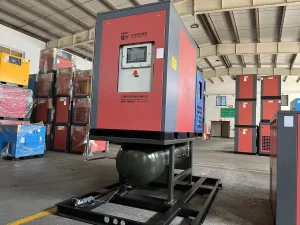
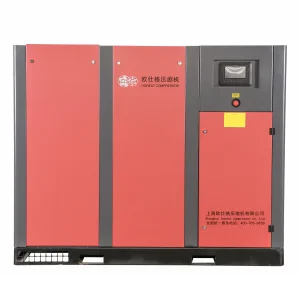
In modern industrial facilities, compressed air is often referred to as the fourth utility. For small to medium-sized manufacturing plants, automotive workshops, food processing plants, and precision laser cutting applications, selecting the appropriate 7.5 kW (10 Hp) rotary screw compressor is critical to plant operational continuity and energy conservation. This detailed architectural overview evaluates performance criteria, economic impacts, and engineering methodologies defining top-tier OEM/ODM 10 Hp rotary screw compressor procurement.
1. Global Sourcing Dynamics of 10 Hp (7.5 kW) Compressors
Global procurement teams prioritize energy performance metrics (like FAD, Specific Energy Requirement) alongside physical reliability. The 10 Hp compressor represents a pivotal operational range: small enough for highly decentralized placement near end-use equipment, but powerful enough to support continuous 24/7 manufacturing processes. In regions like North America and Europe, the move away from loud, intermittent reciprocating piston units toward silent, 100% duty-cycle rotary screw technologies continues to gain pace.
100% Duty Cycle
Rotary screw air-ends are engineered to operate continuously without thermal degradation, avoiding the duty-cycle limits of piston systems.
FAD Reliability
Delivering consistent Free Air Delivery rates of 0.8 to 1.2 m³/min, vital for high-precision robotic assembly cells and automation lines.
Energy Footprint
Utilizing IE4/IE5 PM motors and intelligent VFD controls to lower power consumption by up to 35% compared to fixed-speed options.
2. Macro-Industry System Integration & Application Solutions
A 10 Hp screw compressor rarely runs in isolation. It forms the core of customized air supply packages optimized for specific industry demands:
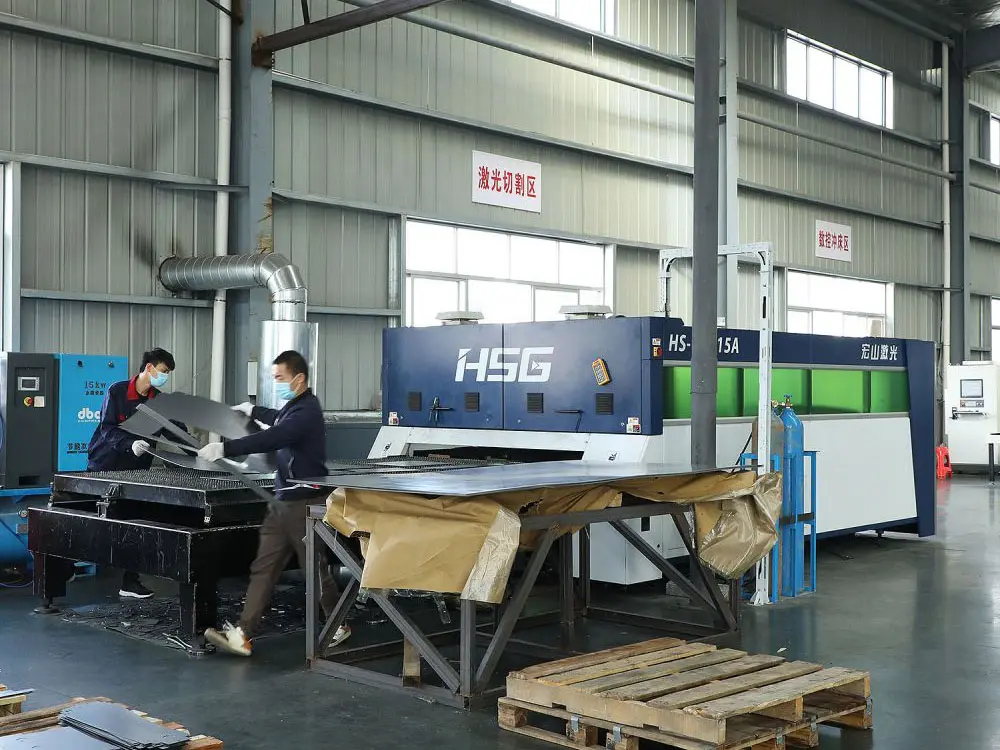
- High-Precision Laser Cutting: Requires steady, dry air at pressures between 13.5 and 15.5 bar to keep cuts clean and oxidation-free.
- Automotive Refinishing & Detailing: Needs completely oil-free air (often class 1 or class 0) to avoid clear-coat defects and ensure painting quality.
- Cleanroom Electronics Assembly: Demands integrated low-noise, oil-free structures with desiccant drying packages to eliminate moisture and particulate risk.
| Industry Vertical | Standard Configuration | Required Pressure (Bar) | Critical Air Quality Standard |
|---|---|---|---|
| Laser Processing & Cutting | 10Hp + High Pressure Booster + Filter Stack | 12.0 - 15.5 Bar | ISO 8573-1 Class 1.4.1 |
| Electronics / Semiconductors | 10Hp PM VSD Oil-Free Rotary Screw | 7.0 - 10.0 Bar | ISO 8573-1 Class 0 (Zero Oil) |
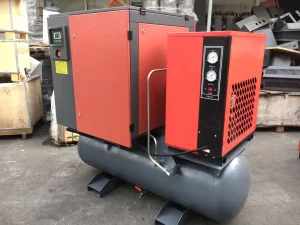
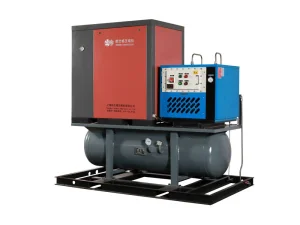
| Automotive Collision Centers | All-In-One (Tank + Dryer Mounted) | 8.0 - 10.0 Bar | ISO 8573-1 Class 2.4.1 |
| General Light Manufacturing | Fixed Speed Direct Coupled | 7.0 - 8.5 Bar | ISO 8573-1 Class 3.4.2 |
3. Technical Roadmap: Motor Topologies & Air-End Geometry
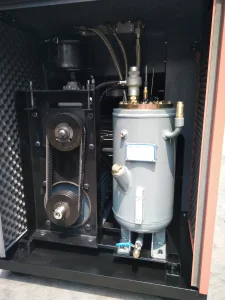
The performance of any 10 Hp compressor relies on its rotor geometry and motor integration. Transitioning from asymmetric rotor designs to advanced profile rotors significantly lowers leakage paths, which maximizes volumetric efficiency. Meanwhile, moving from traditional belt-drive induction motors to oil-cooled Permanent Magnet (PM) direct-drive configurations represents a major industry upgrade. The direct coupling removes belt slip and transmission losses, while PM motors preserve high efficiency even when running at lower partial loads.
Additionally, modern systems use Variable Speed Drive (VSD) inverters. By dynamically matching rotor RPM to real-time plant air demand, VSD units prevent the energy loss common to load/unload cycles in traditional fixed-speed designs. When selecting an ODM supplier, checking for integrated thermal protective coatings on the rotors, high-temperature IP55 or IP66 motor frames, and premium control microprocessors is key to ensuring long-term equipment life.
4. Global Standards Compliance & Localized Support
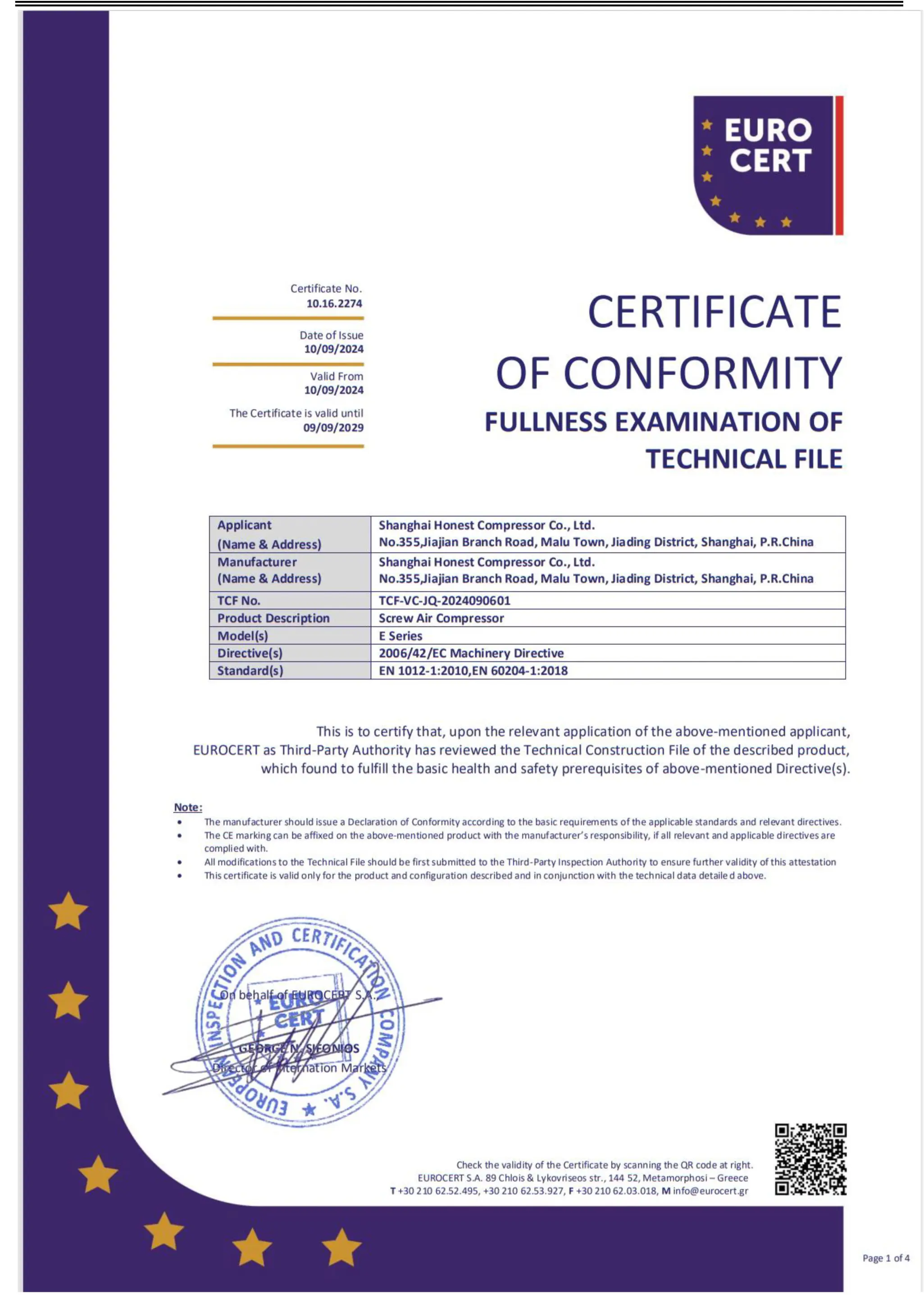
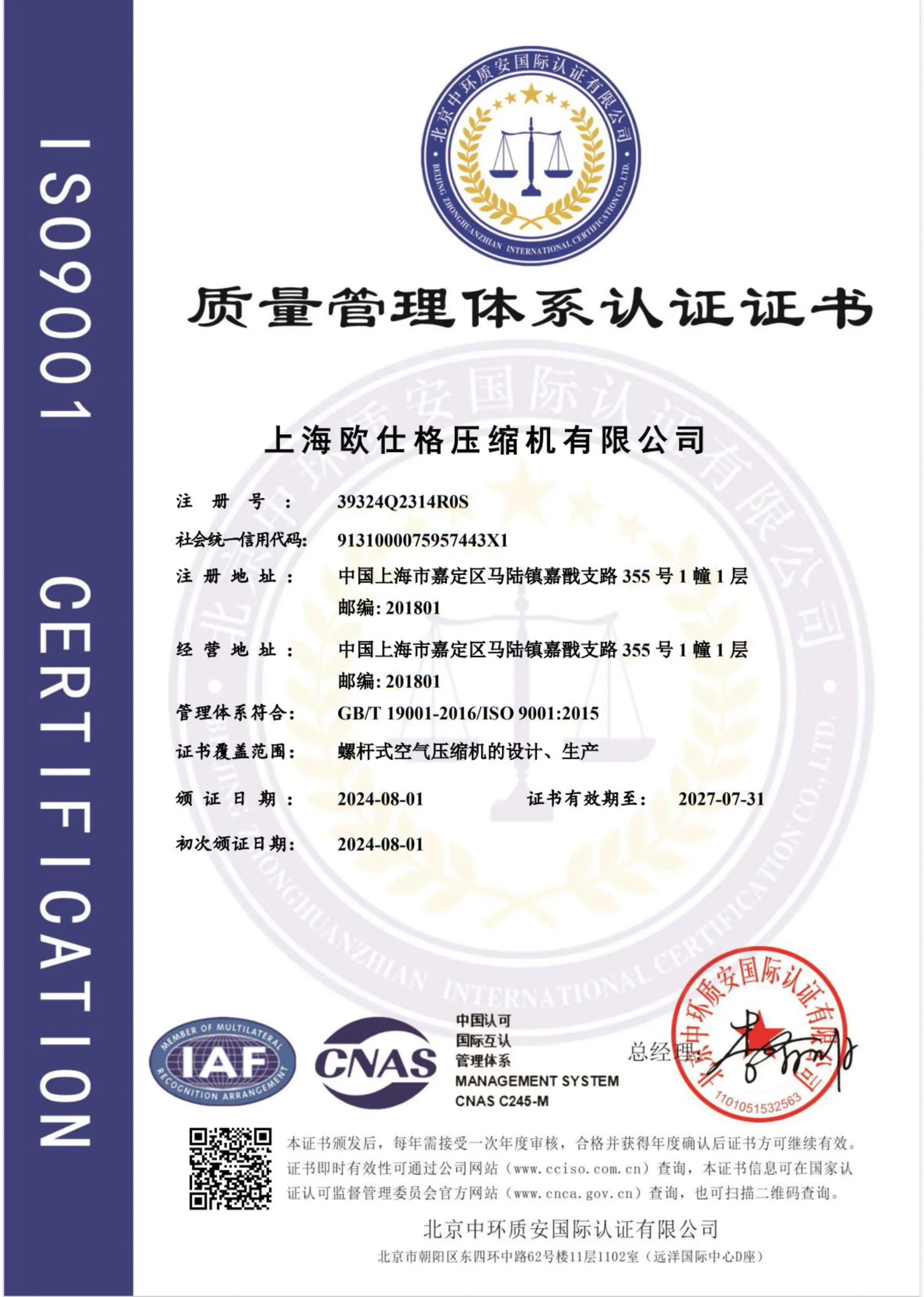
Sourcing internationally requires strict adherence to localized compliance structures. Equipment must bear the certifications necessary for safe, legal installation, such as CE marks for European markets, ASME pressure vessel codes for North America, and various energy-efficiency registry standards. Leading suppliers establish robust localized distribution networks to ensure fast access to replacement parts, filter kits, oil separators, and expert field technicians, protecting your production uptime.