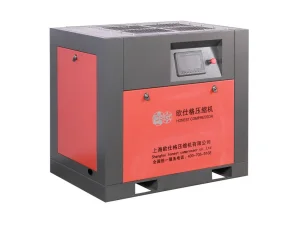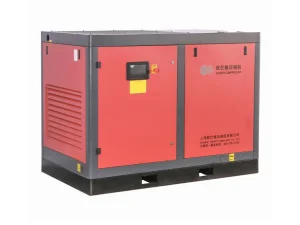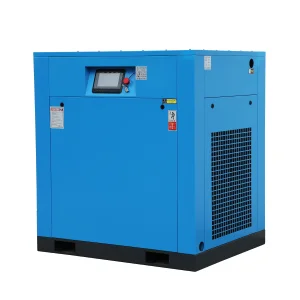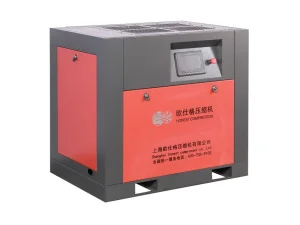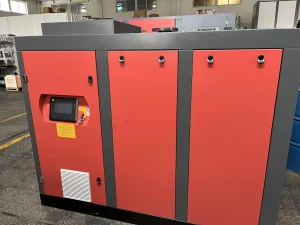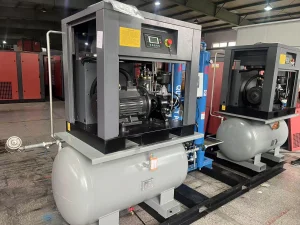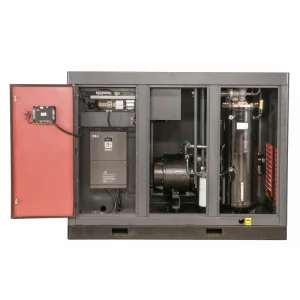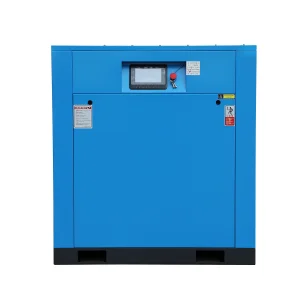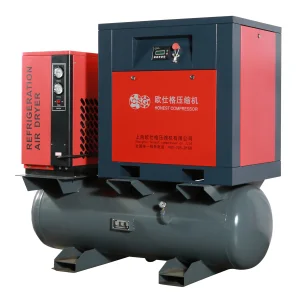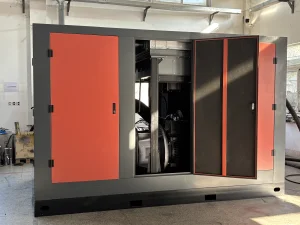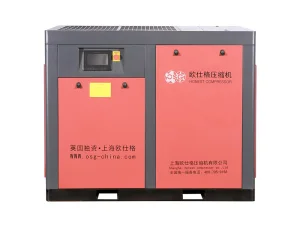
Utilizing high-efficiency Permanent Magnet Variable Speed Drive (PM VSD) motors, our compressors adjust motor speed in real time to match system demand. This achieves up to 30% energy savings compared to traditional fixed-speed options.
We employ structural components treated with C5-M marine-grade epoxy resins. Airends feature custom internal plating, and stainless steel hardware is used throughout to survive heavy saltwater spray environments.
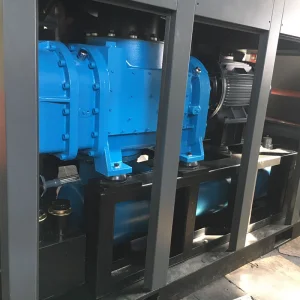
Two-stage direct-driven rotary screws maximize volume output while minimizing energy input. Equal pressure division reduces rotor strain, providing stable airflow at pressures up to 13 Bar.
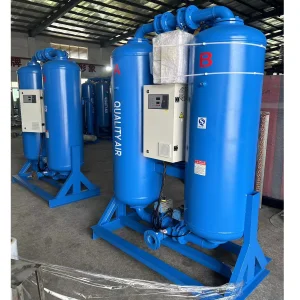
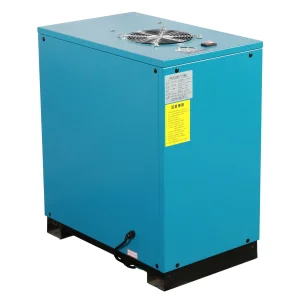
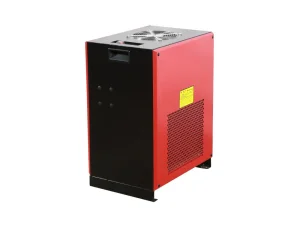
Our regenerative desiccant drying systems ensure air delivery complies with ISO 8573-1 Class 1.2.1. Extremely dry air prevents moisture condensation in delivery pipes exposed to cold water temperatures.
Multi-stage filtration protects against particulate and aerosol contamination. Liquid separators capture oil aerosols, protecting aquatic ecosystems during aeration operations.
Integrated microprocessors monitor temperature, oil levels, and vibration. Modbus and cellular IoT telemetry allow engineers to monitor performance remotely from land or support vessels.
Modern salmon farms depend on continuous aeration to maintain oxygen levels. Our oil-free and high-efficiency direct-driven compressors deliver clean, continuous air to submerged diffusers. Built-in remote diagnostic tools ensure maintenance alerts are sent directly to shore-based centers, preventing mass mortality risks in remote fjords.
Cement, grain, and mineral carriers utilize pneumatic conveying to unload dry materials. Pontoon-mounted screw air compressors (75kW to 315kw VFD PM variants) provide high-capacity air delivery at 2.0 to 3.0 Bar. This ensures rapid cargo transfer, minimizes port turnaround times, and reduces demographic costs.
Dredging barges use compressed air to drive pneumatic sand pumps and generate bubble barriers. These bubbles isolate sound pollution during pile driving operations, protecting local marine life. Our systems are engineered to withstand the dust, sand, and moisture common on dredging platforms.
Subsea structural salvage requires deep-water displacement. Heavy-duty 280kW low-noise dry-type oil-free compressors supply air to buoyancy chambers on sunken hulls or structural pilings. Marine-grade construction ensures reliable operation under high offshore dynamic wave loads.
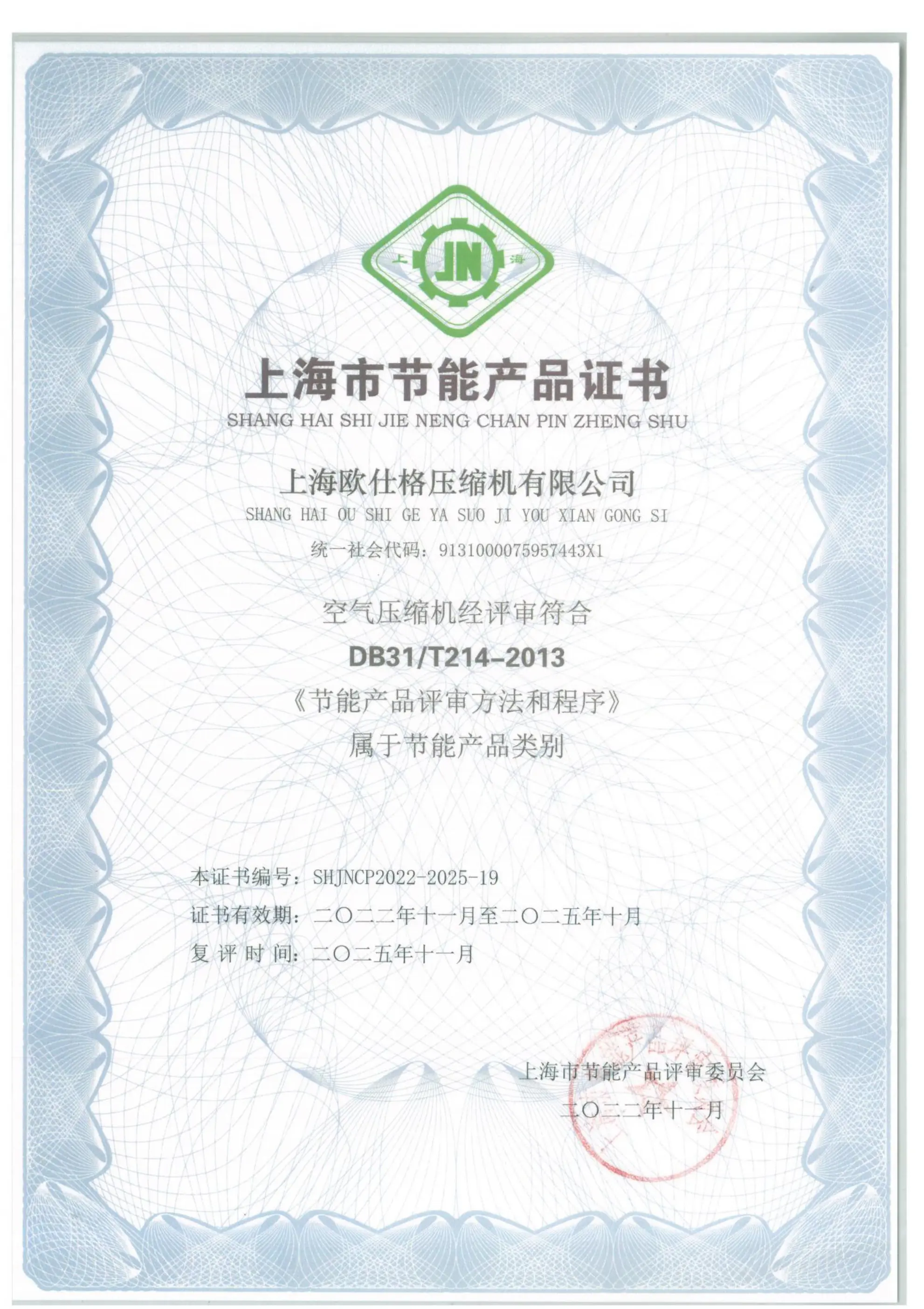
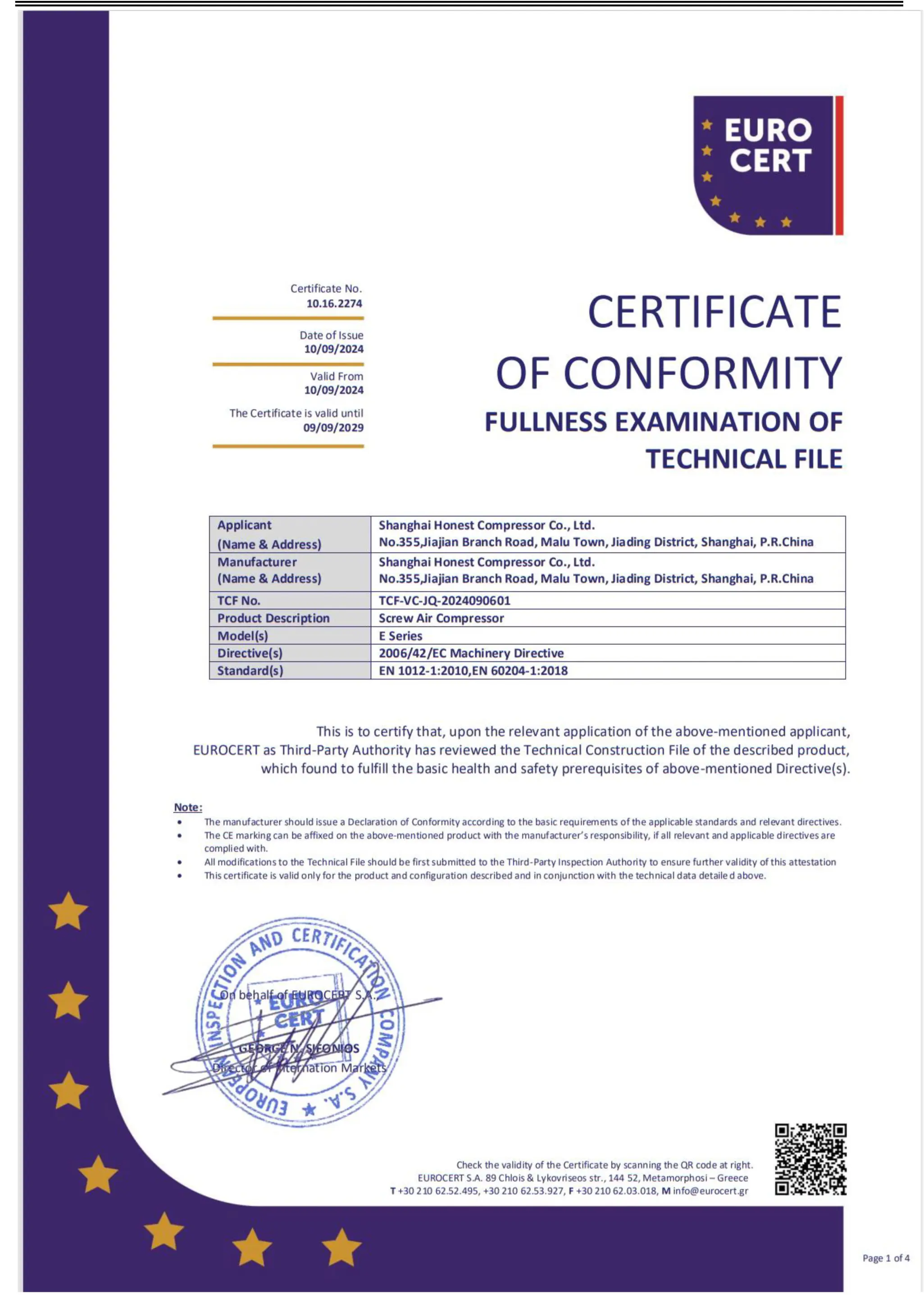
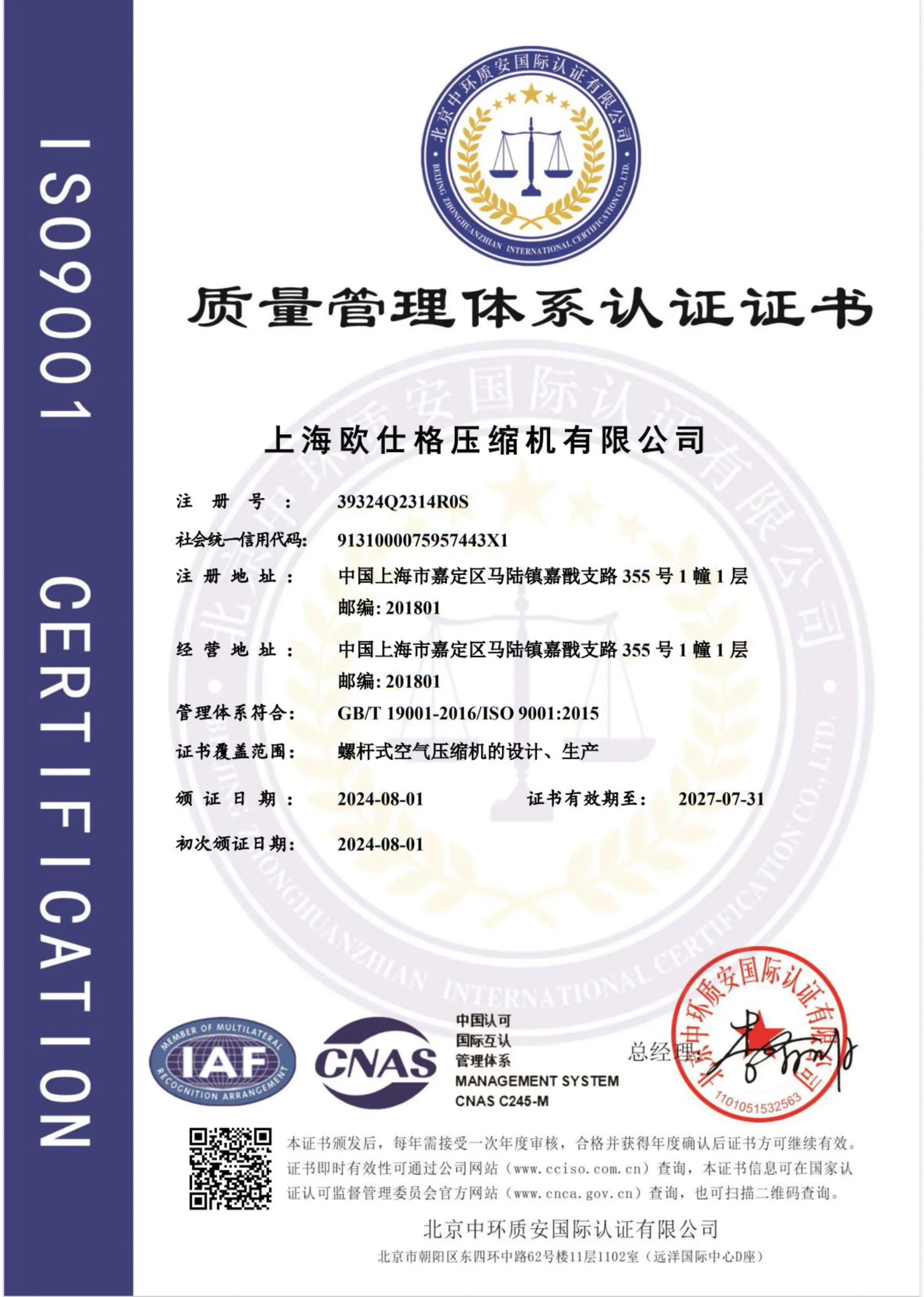
All pressure vessels, electrical circuits, and safety valves are fully certified under ISO, CE, and ASME standards, ensuring compliance with global import and site installation requirements.
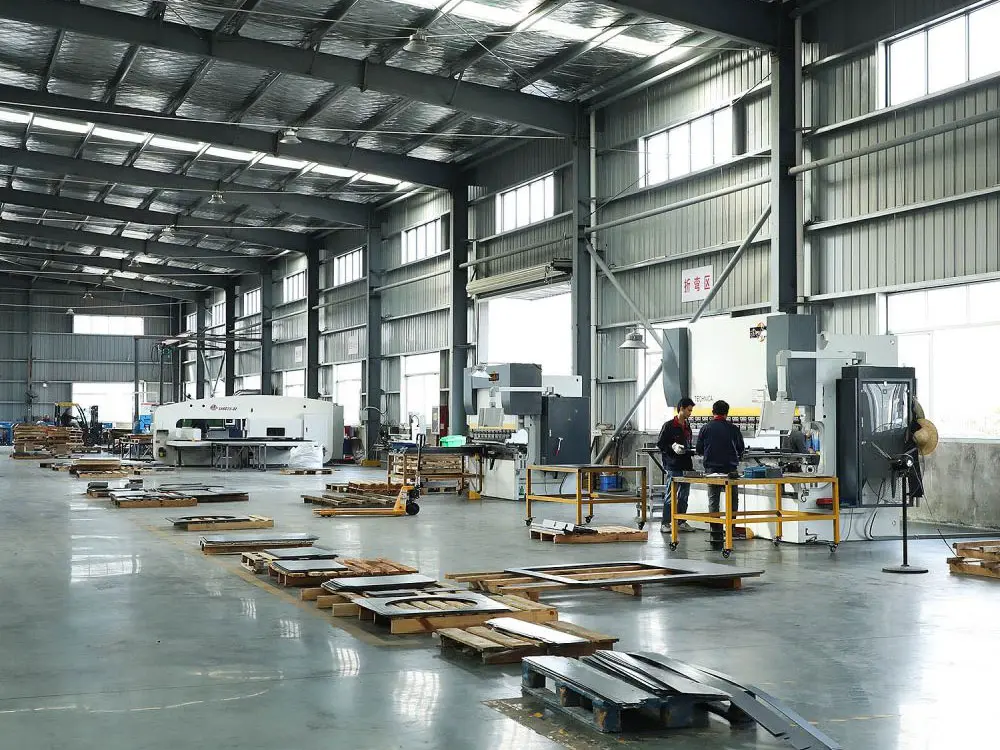
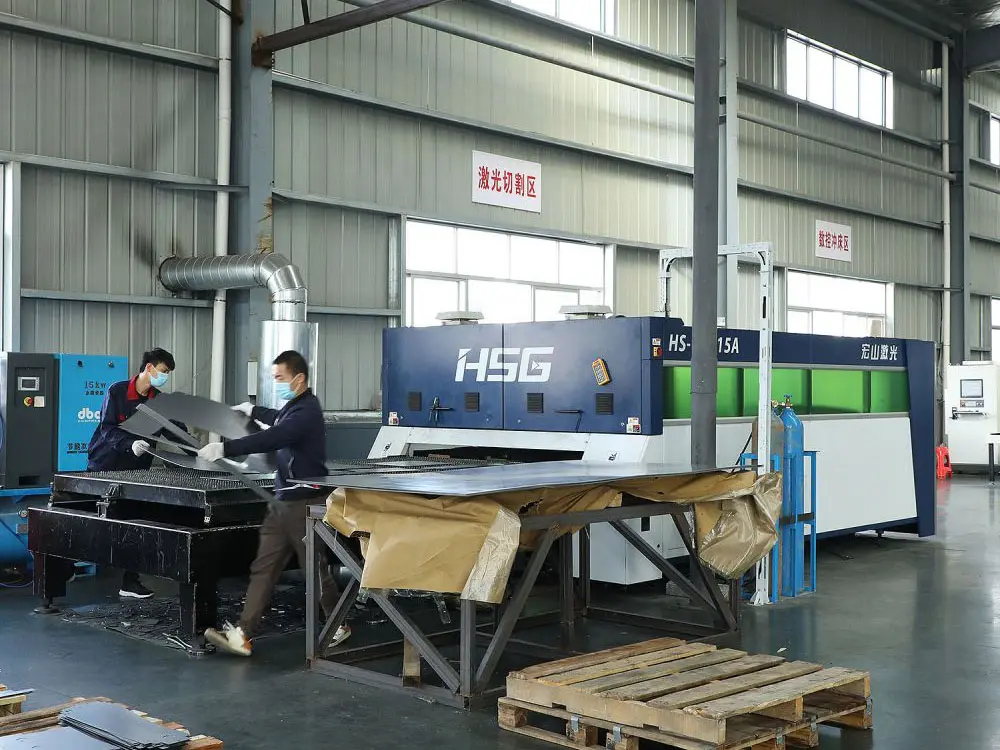
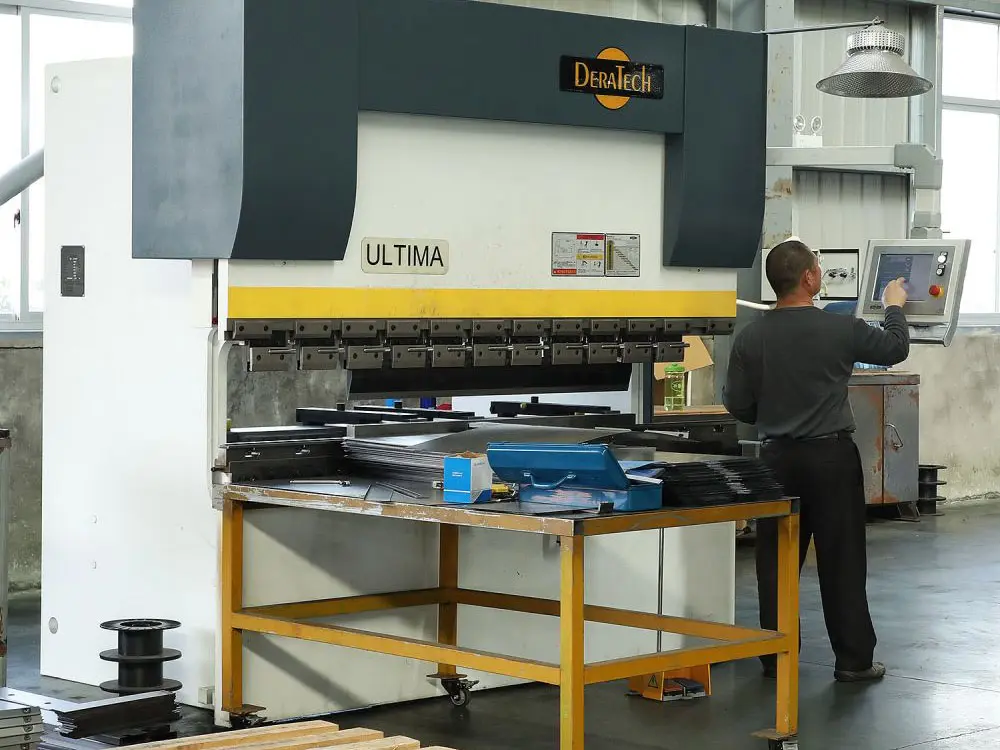
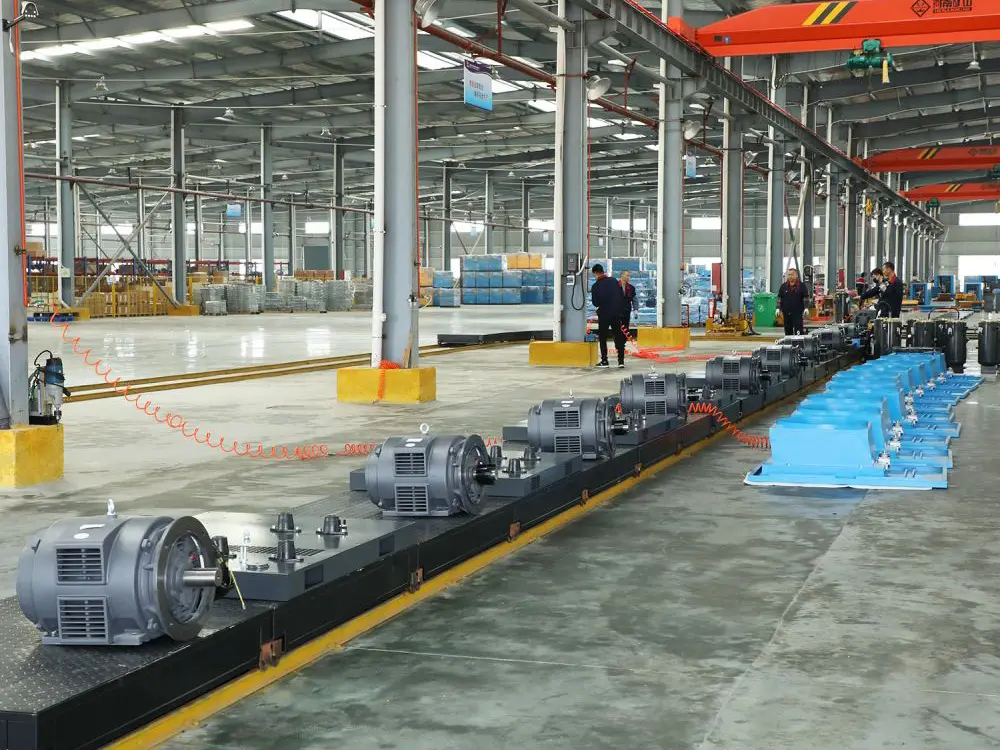
Every unit undergoes strict factory testing before dispatch, including vibrational analysis, thermodynamic modeling, and full-load runs in high-humidity environmental chambers.
Our localized networks provide replacement parts, oil filters, desiccants, and maintenance support, keeping down-time minimal for international maritime fleets.
Marine compressors must feature vibration-isolated mounts, custom anti-vibration structural frames to handle water movement, high-degree epoxy coatings (C5-M standard), and copper-nickel heat exchangers that withstand marine atmospheres. Additionally, oil separation systems are designed to operate reliably during pitch and roll conditions without oil carryover.
Pontoon applications like buoyancy adjustments or tool operation have variable air demands. Traditional fixed-speed compressors run at full capacity and blow off excess air, consuming unnecessary energy. VSD PM systems adjust the motor speed to match exact demand in real time, reducing power draw by up to 30%, which is critical when running on barge generator fuel.
Marine air lines often run through cold sea environments. If the air has a high pressure dew point, moisture will condense inside underwater pipes, leading to internal pipe corrosion, ice blockage in cold climates, and failure of connected pneumatic valves. Our heatless regenerative desiccant dryers maintain low dew points, preventing condensate formation.
Under marine operating conditions, we recommend replacing oil filters and air filters every 2,000 running hours. The oil-gas separator element should be replaced every 4,000 hours. Routine inspections of structural seals and anti-vibration dampers should be performed monthly to ensure system longevity.