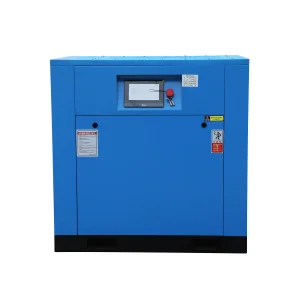
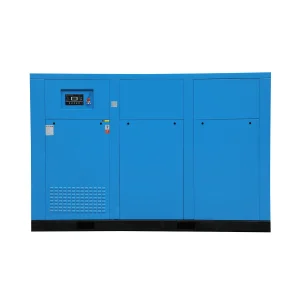
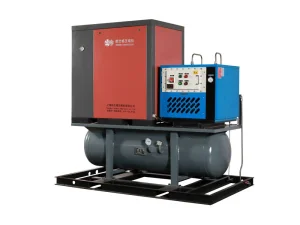
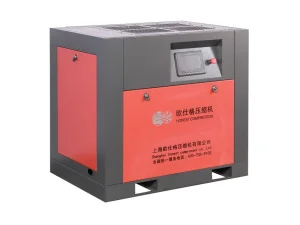
In the modern landscape of industrial manufacturing, compressed air is often referred to as the "fourth utility." However, it is also one of the most energy-intensive processes. Single-stage compression systems, while mechanically simpler, face major thermodynamic limits when operating at higher pressure ratios. As the air is compressed in one continuous step, temperature increases rapidly. This causes a loss in volumetric efficiency and subjects components to high thermal stress.
Two-stage screw compressors solve this problem by dividing the compression process into two distinct stages. The air is first compressed to an intermediate pressure by the primary stage. It then passes through an intercooler, where its temperature is reduced before it enters the second compression stage. This intercooling step brings the compression curve closer to an isothermal compression process, which represents the highest theoretical thermodynamic efficiency.
“Thermodynamic calculations indicate that by incorporating interstage cooling, two-stage compressors reduce the specific energy consumption (kW/m³/min) by up to 15% to 20% compared to equivalent single-stage systems operating at the same delivery pressure.”
Beyond efficiency, two-stage systems lower the compression ratio across each individual stage. This reduces internal pressure differences and leakage pathways, resulting in a higher volumetric efficiency. The reduced bearing loads and lower discharge temperatures also extend the operational lifespan of the compressor rotors, bearings, and seals.
The global industrial sector is undergoing a major shift toward decarbonization and carbon neutrality. Regulatory updates like the EU's Ecodesign Directive and similar efficiency targets worldwide are pushing industrial operators to re-evaluate their utilities. Two-stage compressors have become essential in high-flow, continuous-demand applications like chemical processing, electronics, automotive manufacturing, and food packaging.
At the same time, integrating Permanent Magnet Variable Speed Drive (PM VSD) systems has transformed how screw compressors manage varying load conditions. Older fixed-speed systems rely on load/unload cycles. During unload cycles, the compressor still consumes 30% to 40% of its full load power without producing any useful air. PM VSD systems dynamically adjust motor speeds to match real-time air demands, keeping system pressure stable within a range of ±0.1 bar.
By combining PM VSD technology with two-stage compression, facilities can reduce overall energy costs. These smart systems maintain high torque even at low operating speeds, providing reliable start-ups and efficient performance across a wide operating range.
Average Energy Savings
Installed Base Globally
ROI Payback Period
Unload Energy Waste
Modern procurement teams are shifting away from evaluating capital expenditures (CAPEX) alone. Instead, they focus on Total Cost of Ownership (TCO) models. Energy consumption accounts for 75% to 80% of a compressor's lifecycle cost over a 10-year operating period. The purchase price makes up only 10% to 15%, while ongoing maintenance represents the rest.
Because of this, global buyers prioritize key technical requirements, including:
China's manufacturing sector has evolved from simple assembly work to advanced industrial production. Smart factories, automated machining centers, and integrated quality control systems enable Chinese manufacturers to deliver high-quality, high-reliability equipment.
Shanghai, one of the country's main industrial and shipping hubs, plays a central role in this ecosystem. At Shanghai Honest Compressor Co., Ltd. (located at NO. 355 Jiajian Branch Road, Malu Town, Jiading District, Shanghai, China), we blend European-inspired design principles with China's manufacturing speed. Our vertical integration allows us to oversee every step of production, from rotor machining to final system assembly. This setup keeps component lead times short and allows us to offer extensive custom design options for international clients.
Our proximity to the Port of Shanghai also ensures fast, reliable shipping access. Combined with local material supplies, this protects our production schedules from global logistics disruptions. Global buyers receive high-performance compressors built to international standards with stable delivery times.
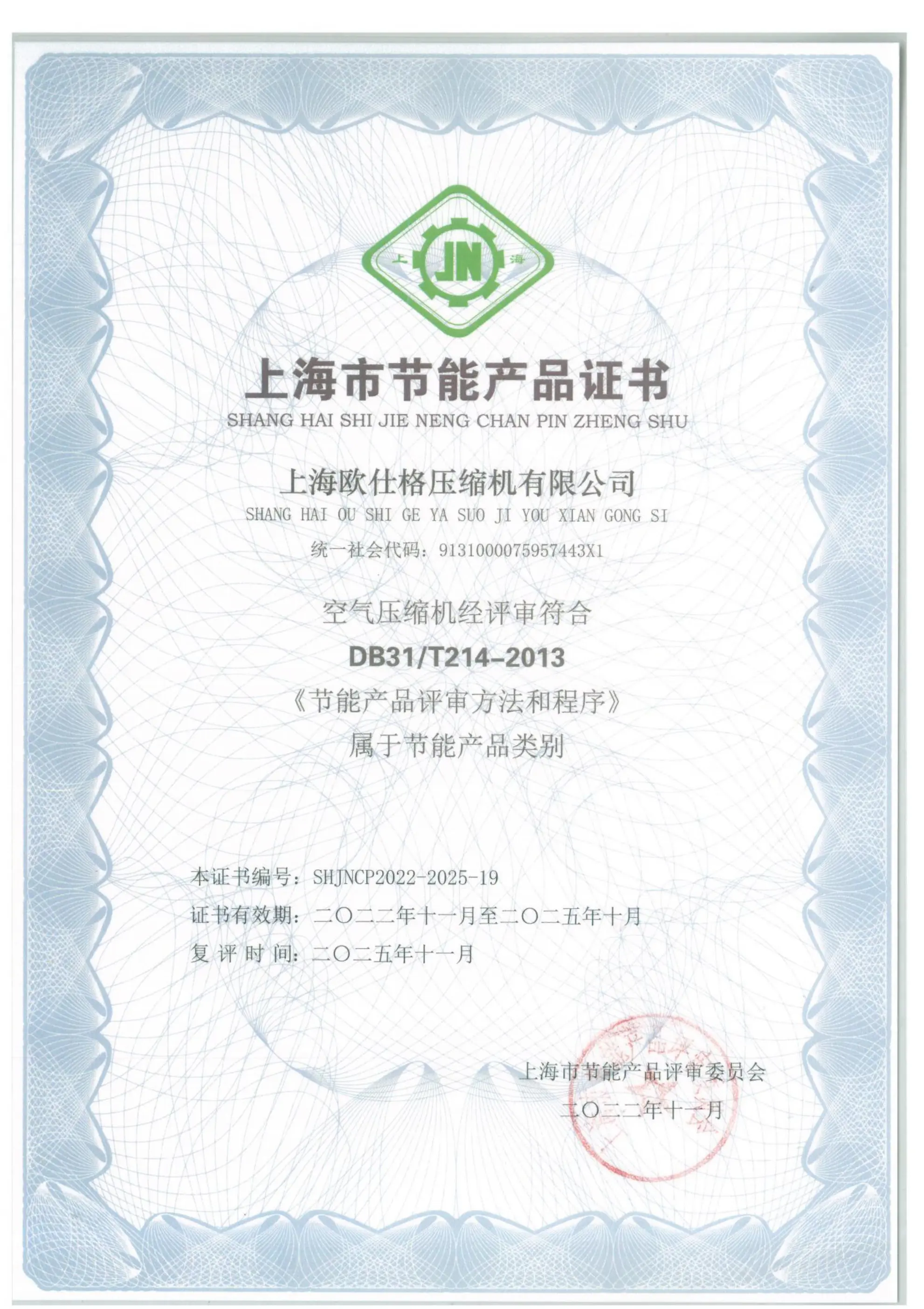
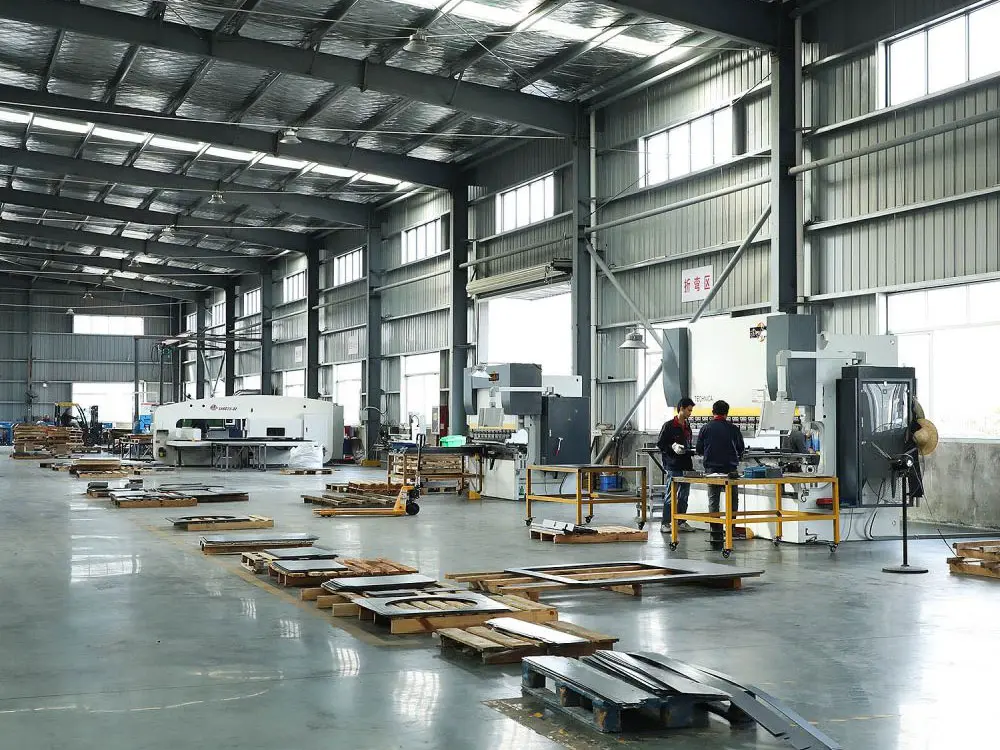
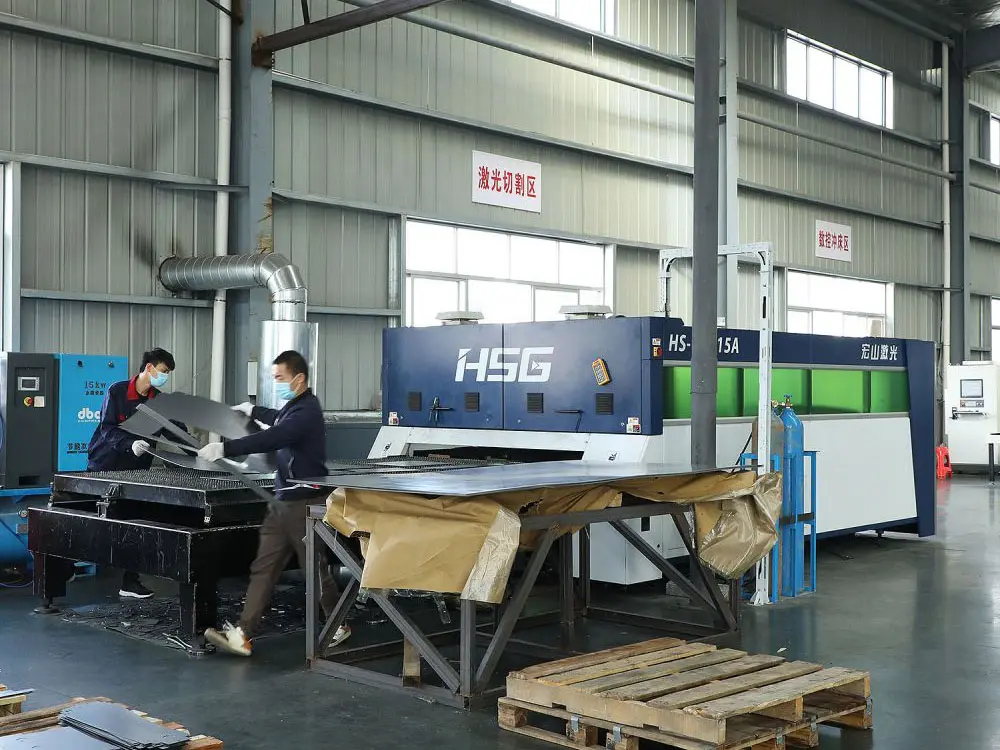
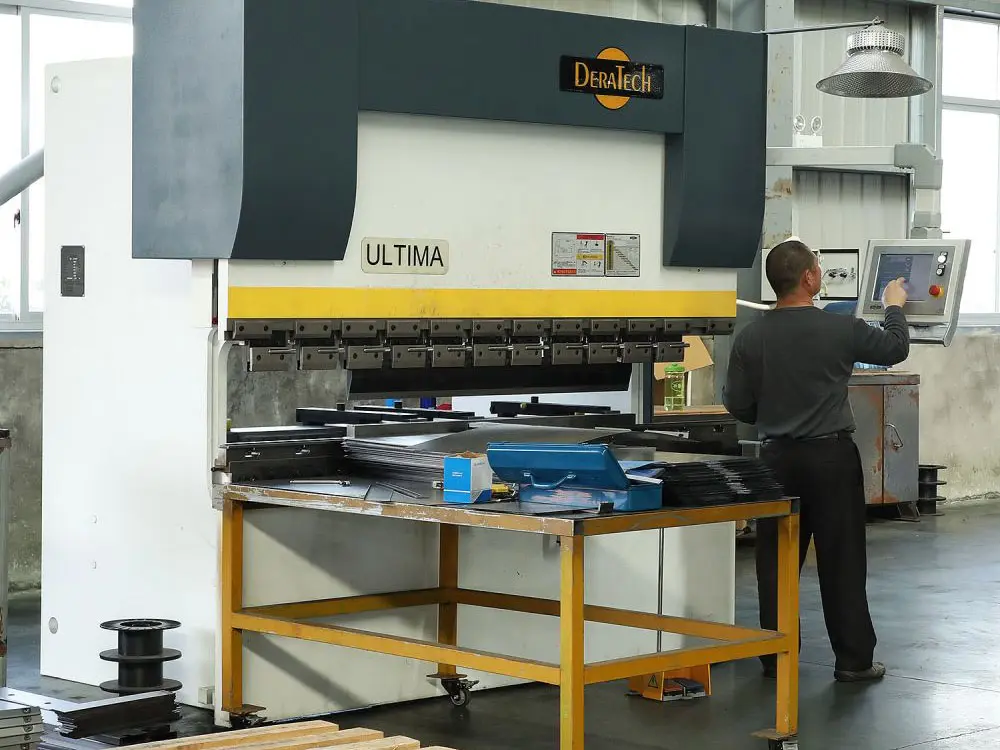
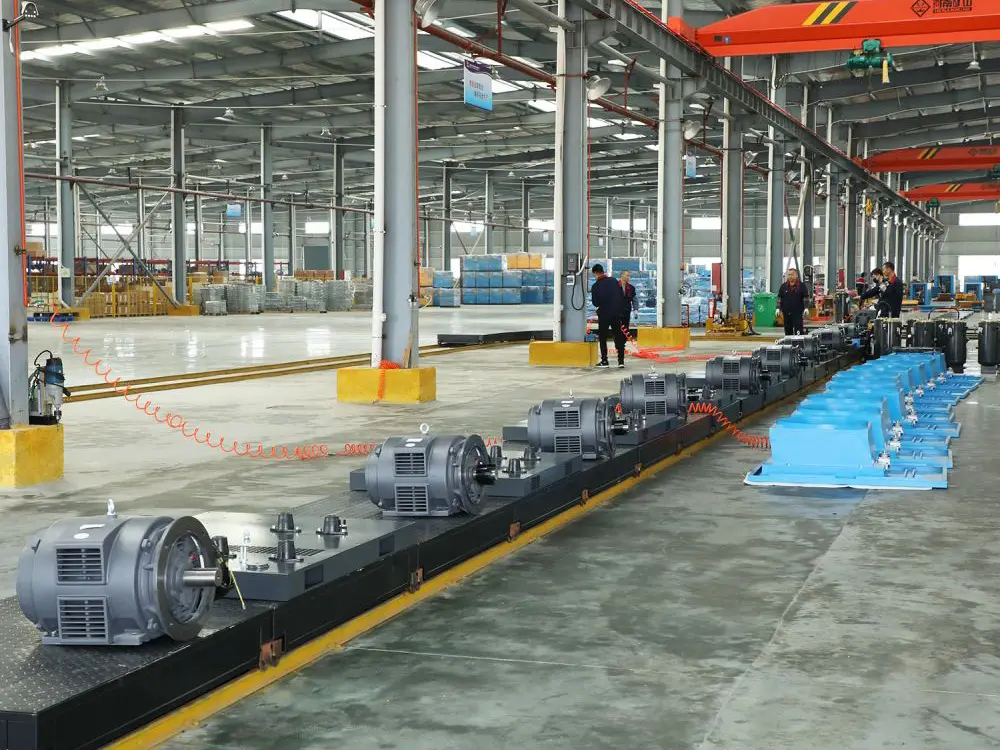
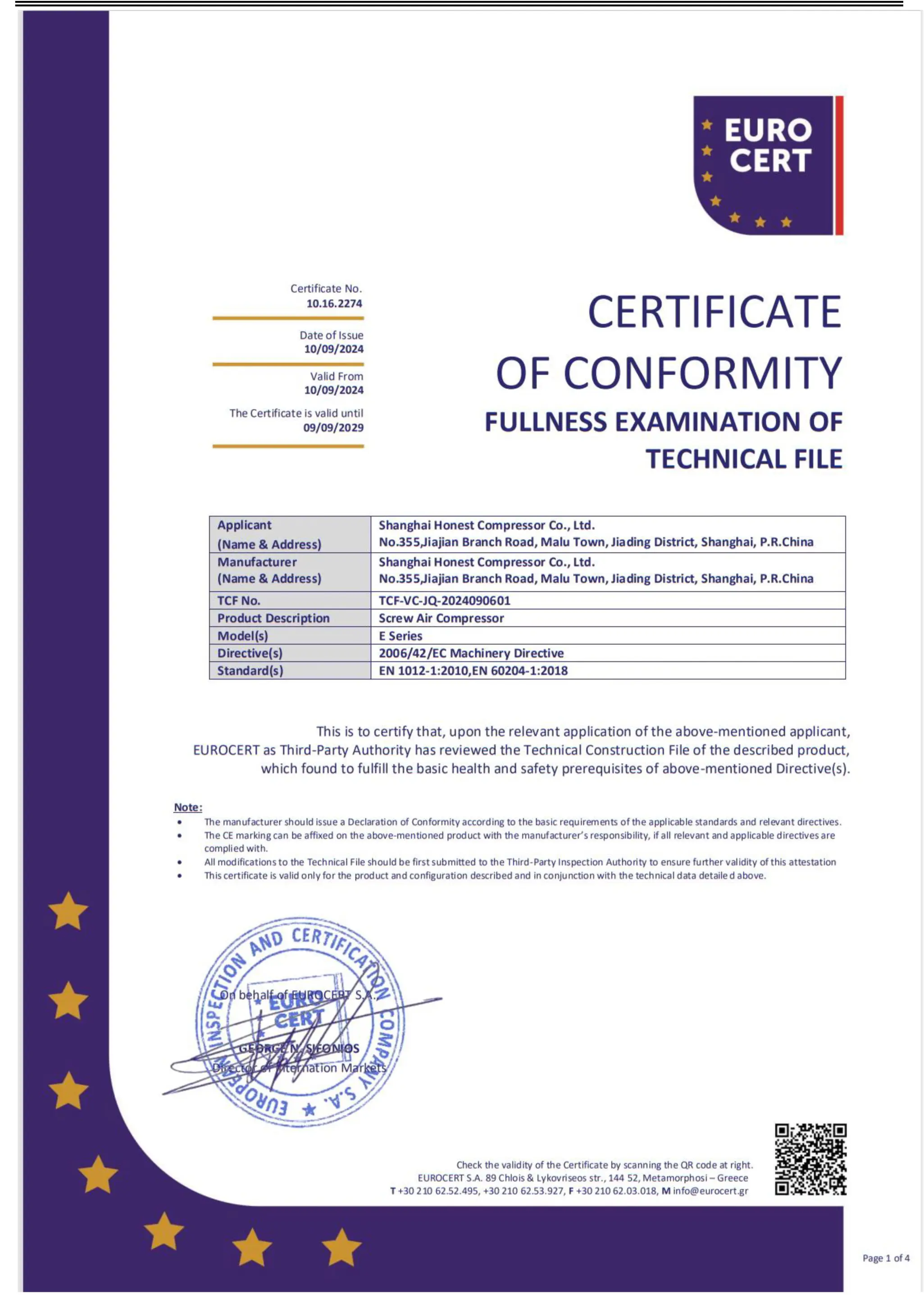
Shanghai Honest Compressor Co., Ltd. is a British-owned enterprise. It was founded in early 2004. The production address is located at NO. 355 Jiajian Branch Road, Malu Town, Jiading District, Shanghai, China. It is a large-scale manufacturing enterprise specializing in the production of twin-screw air compressors in China.
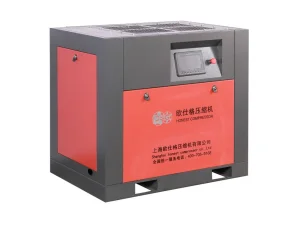
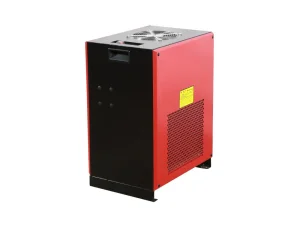
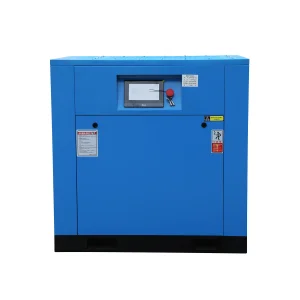
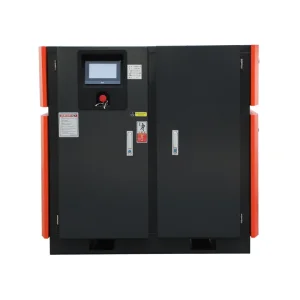
At the same time, it is also an important supplier of air system solutions. We provide various types of piston air compressors (low pressure, medium pressure, high pressure, oil-free air compressors), screw air compressor systems (3KW-480KW various screw air compressors, gas separation equipment, refrigerant compressors, cold dryers, filters, ceramic membrane filtration systems) and various equipment accessories and consumables.
Pneumatic demands vary widely across different industries and geographic regions. A compressor system that runs in a cleanroom in Germany faces different challenges than one operating in an open-air yard in the Middle East. Understanding these specific application scenarios is key to building reliable systems.
1. Laser Cutting (15.5 Bar High-Pressure Requirements): Modern fiber laser cutting machines rely on auxiliary gas to blow away molten metal. Oxygen and nitrogen are commonly used, but high-pressure compressed air has become a popular, cost-effective alternative. Our specialized 15.5 bar screw compressors deliver clean, oil-free, dry air at the correct pressures to prevent contamination of the optical path, ensuring clean cut edges.
2. Heavy Industrial Manufacturing and Automotive Plants: In these settings, air demand fluctuates as pneumatic tools, robotic welders, and paint spray booths start and stop. Two-stage VSD compressors adjust to these shifts in real-time, keeping lines running smoothly and lowering energy use during production lulls.
3. Oil-Free Medical and Electronics Cleanrooms: In medical devices, pharmaceutical manufacturing, and semiconductor packaging, even minor oil mist contamination can ruin a production run. Our water-lubricated, dry-type oil-free compressors provide ISO 8573-1 Class 0 certified air to protect sensitive processes.
According to MRFR analysis, the dry vacuum pump market size is valued at US$ 5.97 billion in 2024. The dry vacuum pump market is expected to grow from US$ 6.17 billion in 2025 to US$ 8.28 billion in 2034, registering steady global expansion.
A two-stage compressor divides the total compression ratio between two separate screw rotor pairs. By cooling the air between the first and second stages, it lowers the temperature of the air before final compression. This reduces the amount of work required for the second stage, bringing the process closer to efficient isothermal compression and saving up to 15% to 20% in energy compared to single-stage units.
Fixed-speed compressors run at full speed even when demand is low, venting excess pressure and wasting energy in the process. A PM VSD motor uses an inverter to adjust its rotation speed to match your actual air usage. By maintaining a constant line pressure, it eliminates energy-wasting unload cycles and saves substantial power during low-demand periods.
Fiber lasers use high-pressure air to clean slag from cuts and protect optical lenses. A specialized 15.5 bar compressor provides the correct pressure and volume of air, saving the cost of bottled gases. Equipped with advanced dryers and filters, these systems ensure the delivered air is clean and dry to protect optical paths from damage.
Standard preventative maintenance includes replacing the oil and air filters every 2,000 to 3,000 running hours. The air-oil separator should be replaced every 4,000 hours, depending on operating conditions. Routine checks of coupling alignment, bearing lubrication, and heat exchangers help maintain peak performance and extend the unit's lifespan.
Yes. Two-stage compressors run cooler than single-stage models because the compression work is shared. When equipped with heavy-duty air cooling fans, oversized oil coolers, and high-temperature oil lubricants, these units operate reliably in ambient temperatures up to 45°C or 50°C without shutting down due to overheating.