Explore our core selection of heavy-duty industrial screw air compressors, thermodynamic cooling systems, and critical replacement parts engineered for continuous duty applications.
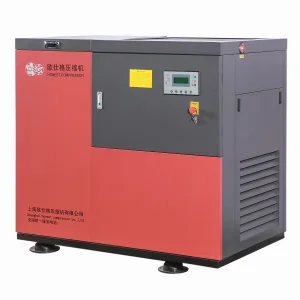
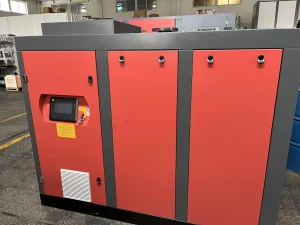
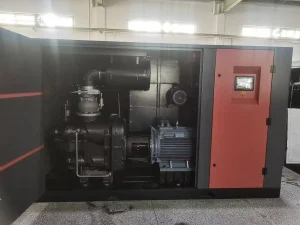
In modern manufacturing and industrial processing, compressed air is often termed the "fourth utility." From automotive assembly lines to deep mining operations, precision instrumentation, and pharmaceutical production, a steady flow of high-quality compressed air is vital. However, the efficiency, reliability, and lifespan of any air compression system are fundamentally dictated by the performance of its underlying components. Even the most sophisticated twin-screw air compressor is only as robust as its micro-glass fiber separator, its oil filtration efficiency, and its thermal management systems.
Globally, the demand for energy-efficient compressed air infrastructure has reached an all-time high. Driven by stringent environmental policies, rising electricity tariffs, and the transition toward carbon-neutral manufacturing (such as the European Green Deal and similar global sustainability mandates), factories can no longer afford system inefficiencies. As a consequence, high-precision aftermarket and OEM air compressor parts have evolved from mere replacement consumables into strategic tools for operational expenditure (OPEX) reduction. Selecting a reliable China industrial air compressor parts supplier is critical for sourcing components that deliver optimal flow rates and lowest pressure drops, directly translating into tangible electrical energy savings.
The supply chain landscape for air compressor components has experienced a major paradigm shift. Historically centered in Western Europe, the core hubs of engineering design and precision manufacturing have established robust ecosystems in China. Suppliers like Shanghai Honest Compressor Co., Ltd. leverage advanced British thermodynamic designs combined with local production scale to supply parts that meet or exceed standard global OEM parameters. This structural evolution provides global operators with highly competitive pricing structures without compromising on critical mechanical tolerances or material integrity.
The core lifetime of a twin-screw rotary air end depends entirely on clean lubrication and clean intake air. The combination of three critical consumables—the air filter, the oil filter, and the air-oil separator—governs the purity of the discharged compressed air and protects the internal rotor surfaces from abrasive wear. Below, we examine the precise physics and design standards applied to these critical parts.
The air-oil separator is arguably the most complex passive element in a lubricated screw compressor system. As the compressed air-oil mixture exits the rotary screw air end, it enters the separator vessel. The separator element must perform a multi-stage coalescing process. Large oil droplets are mechanically thrown out of the stream by centrifugal forces and baffle plates inside the tank, but micro-droplets and sub-micron aerosols (ranging from 0.01 to 1 micron) must be captured by the separator's borosilicate glass fiber layers.
Modern high-performance separators utilize a multi-layer gradient density structure. As the air passes through these media, the tiny oil particles collide with the fibers (via diffusion, interception, and inertial impaction) and merge into larger drops. These drops run down the inside of the filter body to the sump, where they are returned to the lubrication circuit via the scavenger line. Sourcing parts from qualified OEM factories ensures that the pressure differential (delta P) remains below 0.15–0.2 bar during startup, preventing energy losses and avoiding oil carryover (retaining residual oil content to under 3 ppm).
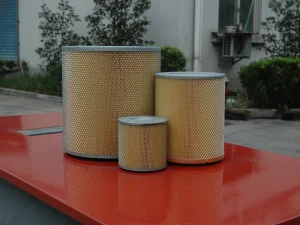
Air filters represent the first line of defense. In heavy-duty mining or metal-cutting workshops, the ambient air is filled with fine abrasive particles. If these particles pass the intake valve, they mix with the compressor oil and act as a polishing compound, wearing down the precise micro-tolerances of the male and female rotary screw lobes. High-quality air filters must exhibit a filtration efficiency of at least 99.9% for particles larger than 3 microns, using hydrophobic, resin-impregnated cellulose media that resist tearing even under damp conditions.
Similarly, the oil filter must actively trap metal wear shavings, carbon deposits, and oxidation byproducts. A bypassed or clogged oil filter allows unfiltered oil to reach the high-speed bearings of the air end, leading to premature thermal failure and rotor lockup. Standard replacement cycles must be strictly coordinated with the oil separator's service life to ensure unified system integrity.
Specially engineered low resistance media ensuring minimum pressure drop and reducing motor energy usage.
Extended operational hours of up to 4000 hours for separators and 2000 hours for inline fluid filters.
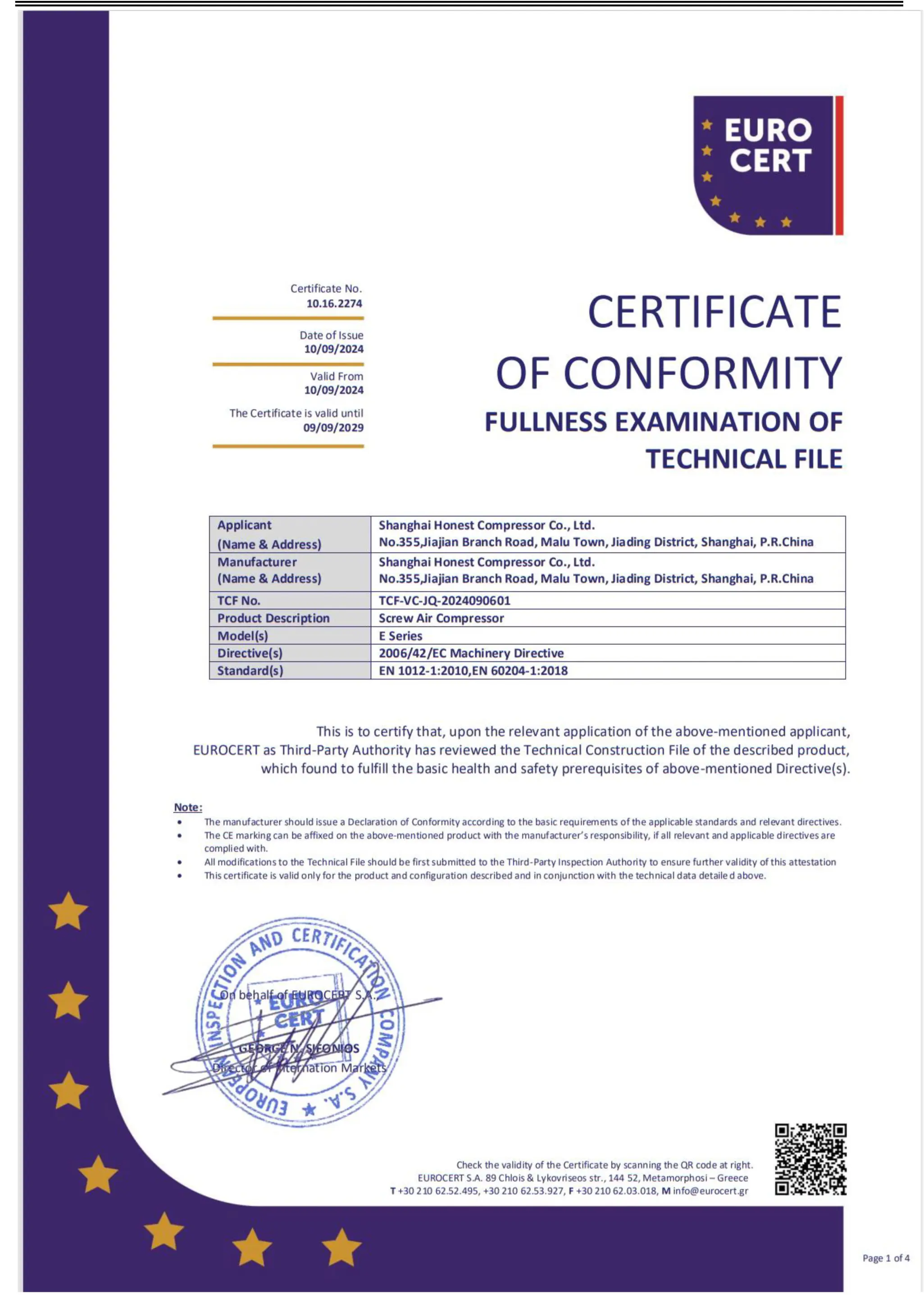
Sourced and verified under European CE machinery directives and ISO 9001:2015 quality standards.
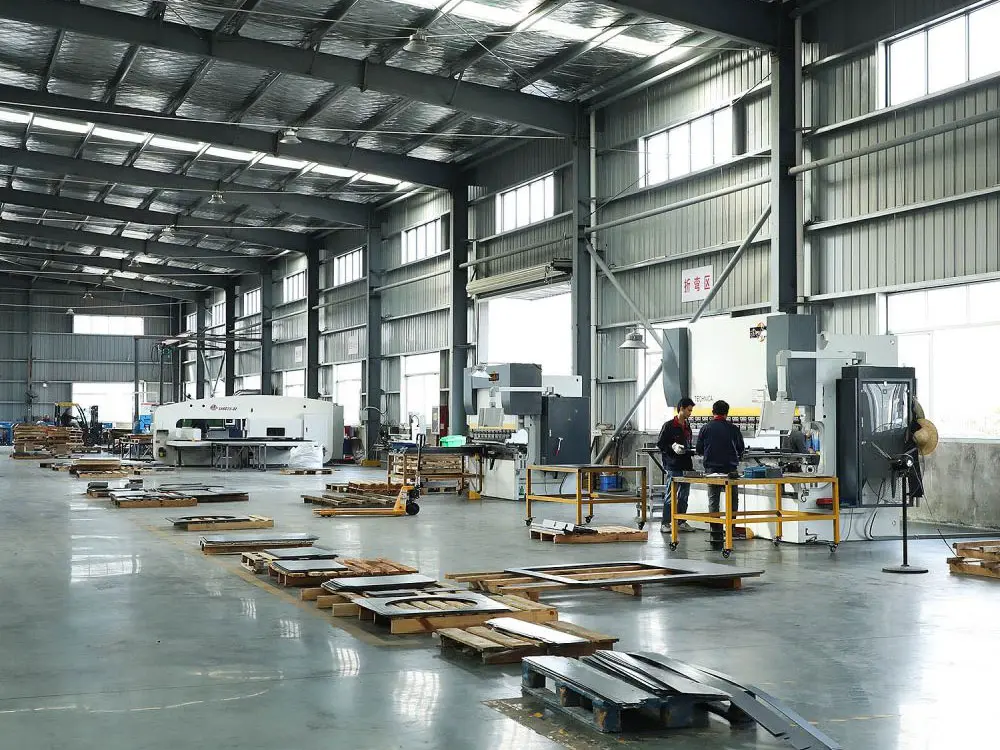
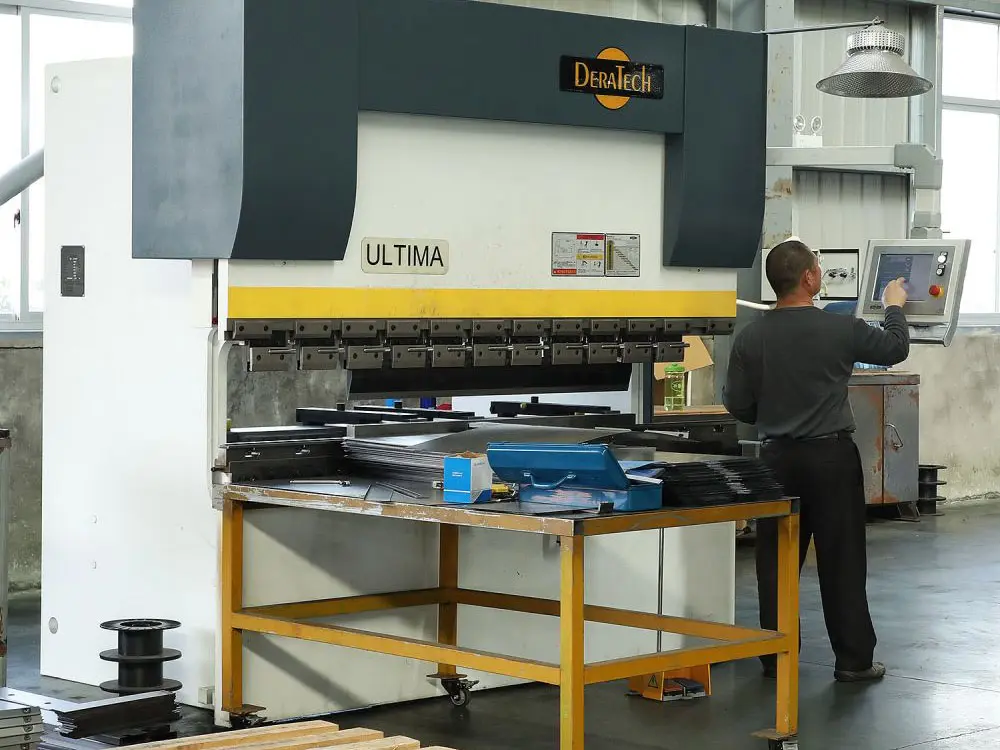
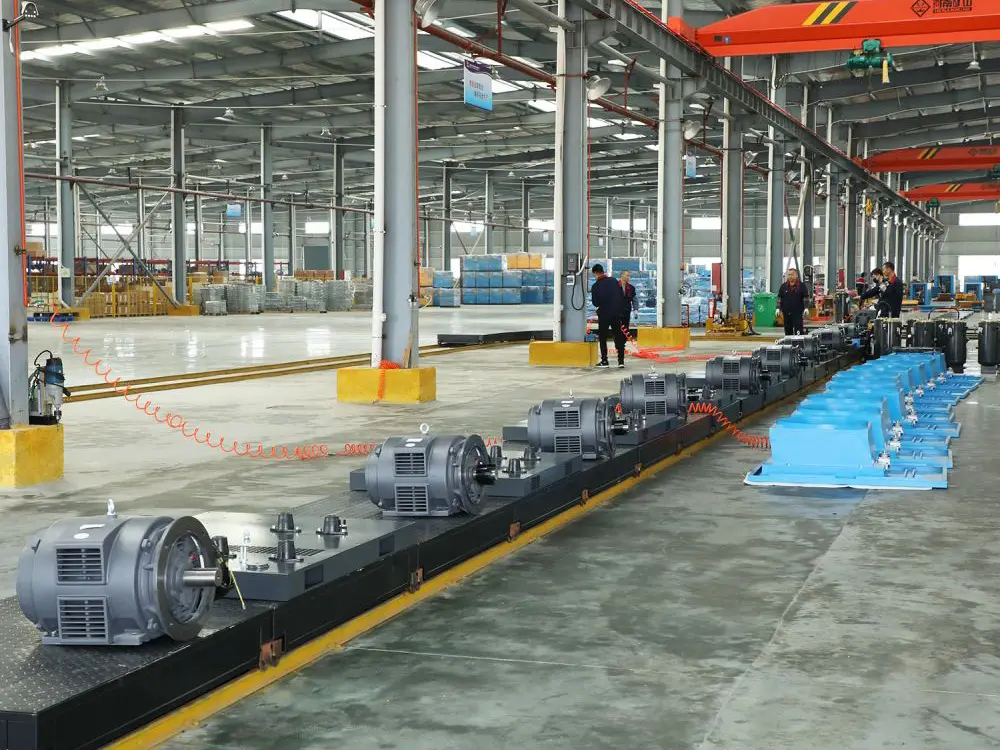
Shanghai Honest Compressor Co., Ltd. is a premier British-owned enterprise, established in early 2004. With two decades of dedicated R&D and production experience, the company operates a large-scale manufacturing plant located at NO. 355 Jiajian Branch Road, Malu Town, Jiading District, Shanghai, China. Specializing in the engineering design and export of twin-screw air compressors, the enterprise has positioned itself as an essential supplier of global industrial air system solutions.
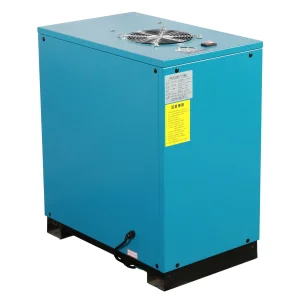
The manufacturing capabilities of Shanghai Honest Compressor Co., Ltd. encompass a broad catalog, including piston air compressors (low, medium, and high-pressure configurations, oil-free systems), and twin-screw air compressor systems ranging from 3KW to 480KW. Additionally, they manufacture gas separation equipment, refrigerant compressors, refrigerated air dryers, high-precision filtration systems, ceramic membrane filtration systems, and a complete suite of original equipment parts and replacement consumables.
As a British-owned manufacturing facility, Shanghai Honest Compressor Co., Ltd. integrates advanced European mechanical standards with high-precision Chinese supply chain efficiencies. The company provides major OEM and ODM services for internationally renowned brands, ensuring that all replacement parts—from rotor assemblies and air ends to synthetic oils and control boards—adhere to rigorous international standards.
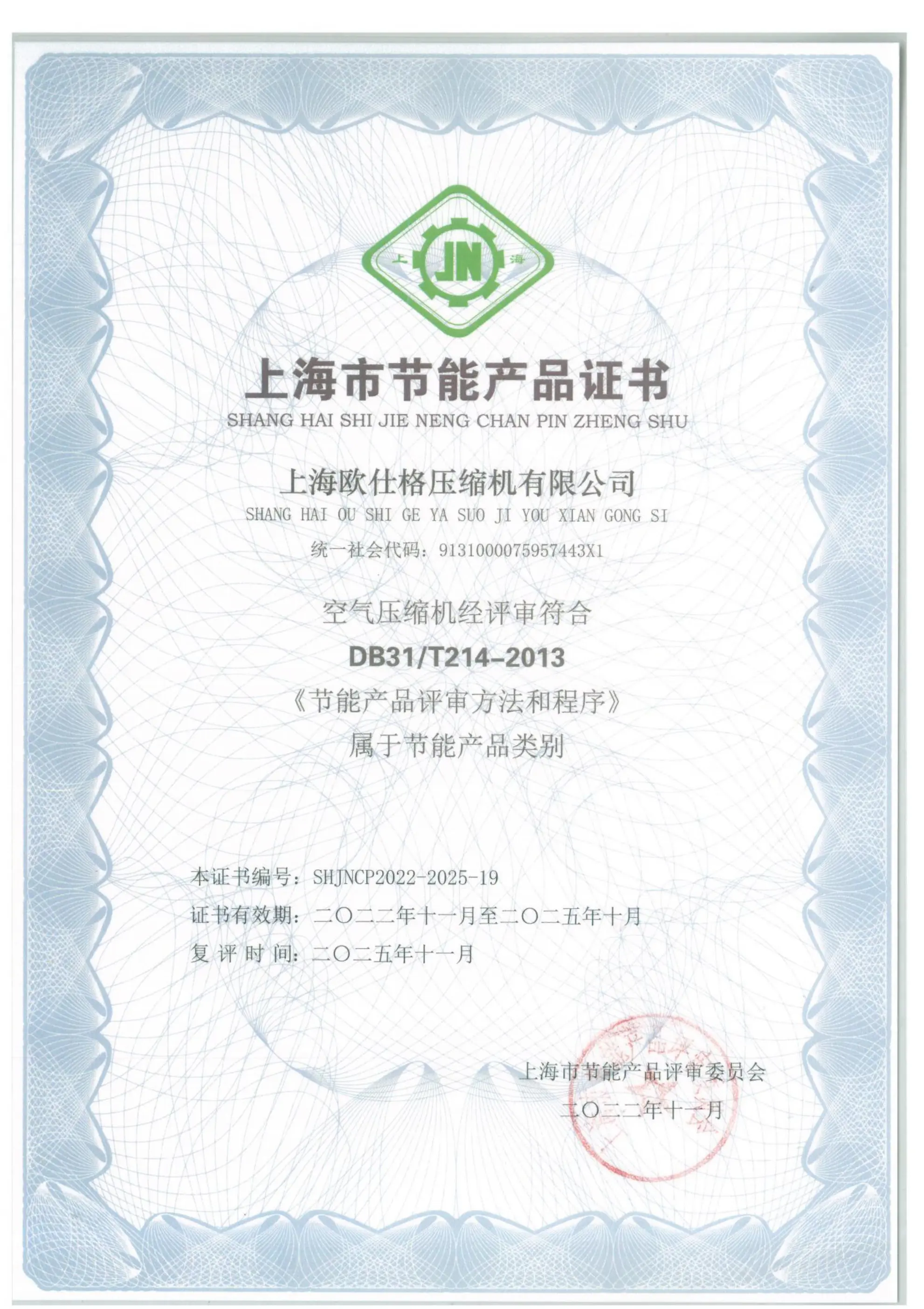
In high-demand industrial plants, traditional single-stage lubricated screw compressors are being phased out in favor of advanced technologies: Two-Stage Rotary Screws and Permanent Magnet Variable Speed Drives (VSD PM). Understanding the mechanics of these systems is crucial when sourcing replacement components.
Two-stage compression splits the overall pressure ratio across two separate rotor assemblies working in series. In a single-stage compressor operating at 8 bar, the pressure ratio is approximately 9:1. This high ratio causes significant air leakage back across the rotor clearances and leads to high discharge temperatures. By employing two-stage compression, the ratio per stage is reduced to approximately 3:1.
Between the first and second stages, a fine mist of oil is injected. This interstage cooling lowers the air temperature, bringing the compression process closer to the ideal isothermal compression curve. A lower intake temperature at the second stage increases volumetric efficiency and reduces the power consumption of the motor by up to 15%. When maintaining these machines, sourcing high-durability interstage nozzles and precise thermostatic valves is critical to keeping the temperatures balanced.
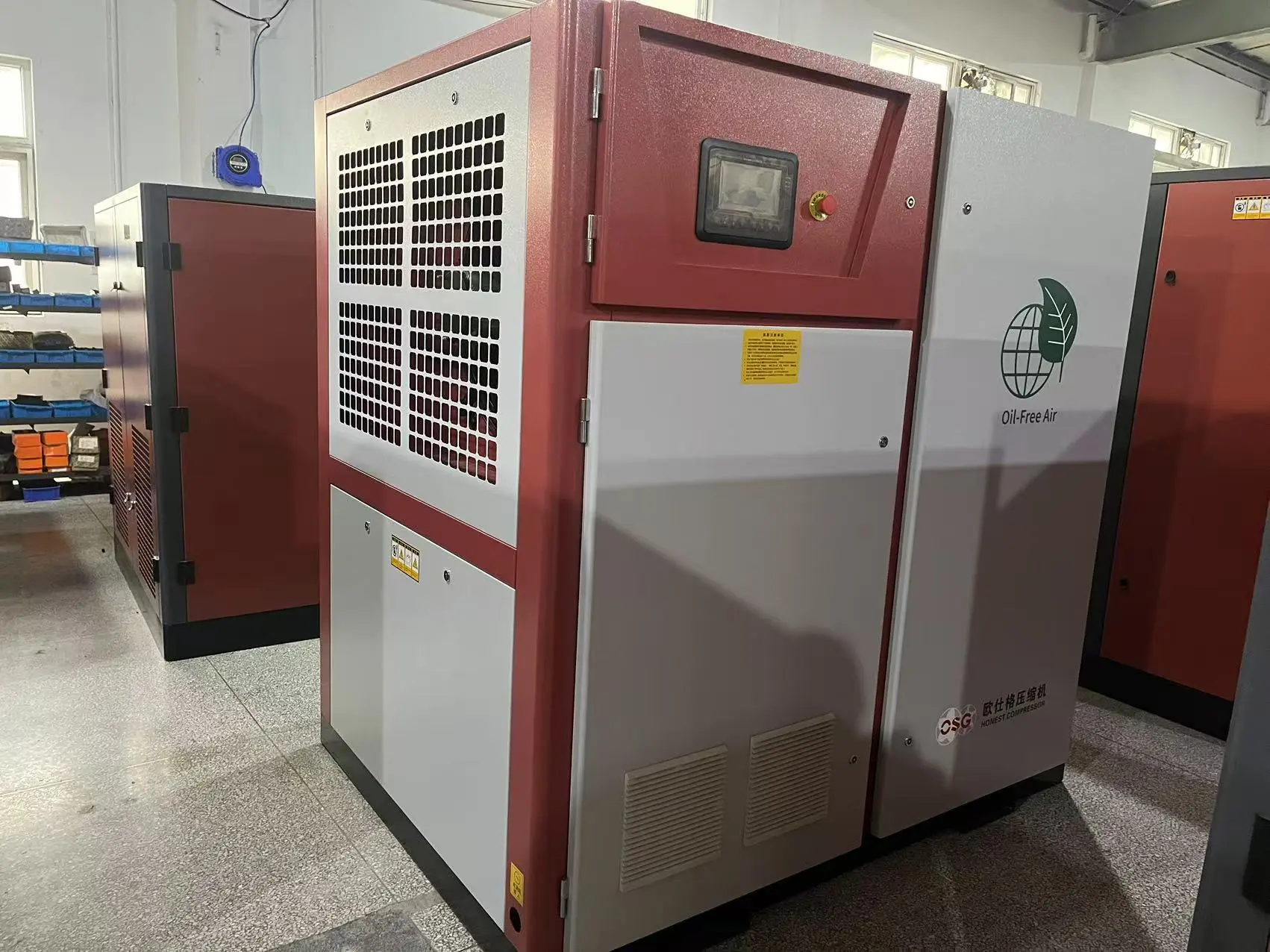
For applications where even a single micro-gram of oil carryover is unacceptable—such as in semi-conductor clean rooms, breathing air systems, and food processing—dry-type oil-free screw compressors are used. Unlike oil-injected models, the rotors in an oil-free air end never make contact. They are kept in perfect alignment by high-precision timing gears, and the compression chamber runs completely dry.
Because there is no oil to absorb the heat of compression, oil-free systems run much hotter, often exceeding 200°C. Sourcing replacement parts for these machines requires components that can withstand extreme thermal conditions. This includes special PTFE or carbon seal rings, high-temperature carbon steel air ends, and special anti-corrosive rotor coatings. Additionally, high-efficiency cooling jackets and intercoolers are essential to keep the air end within safe operating temperatures.
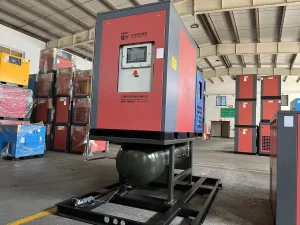
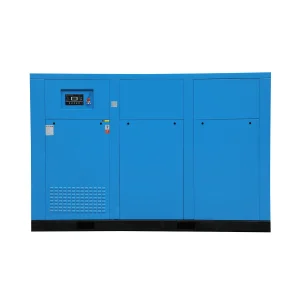
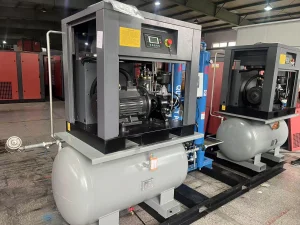
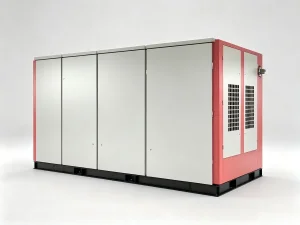
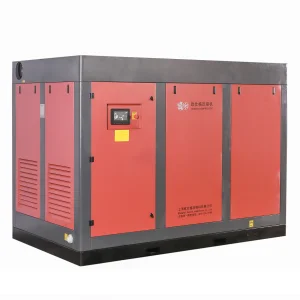
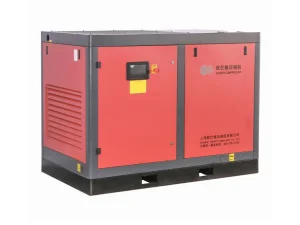
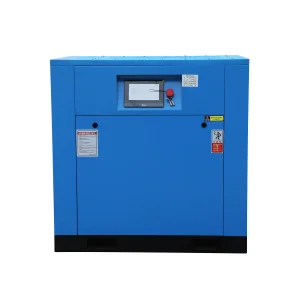
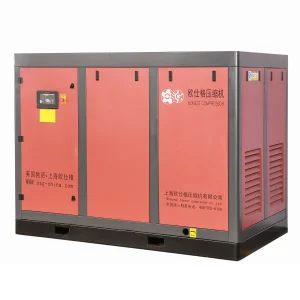
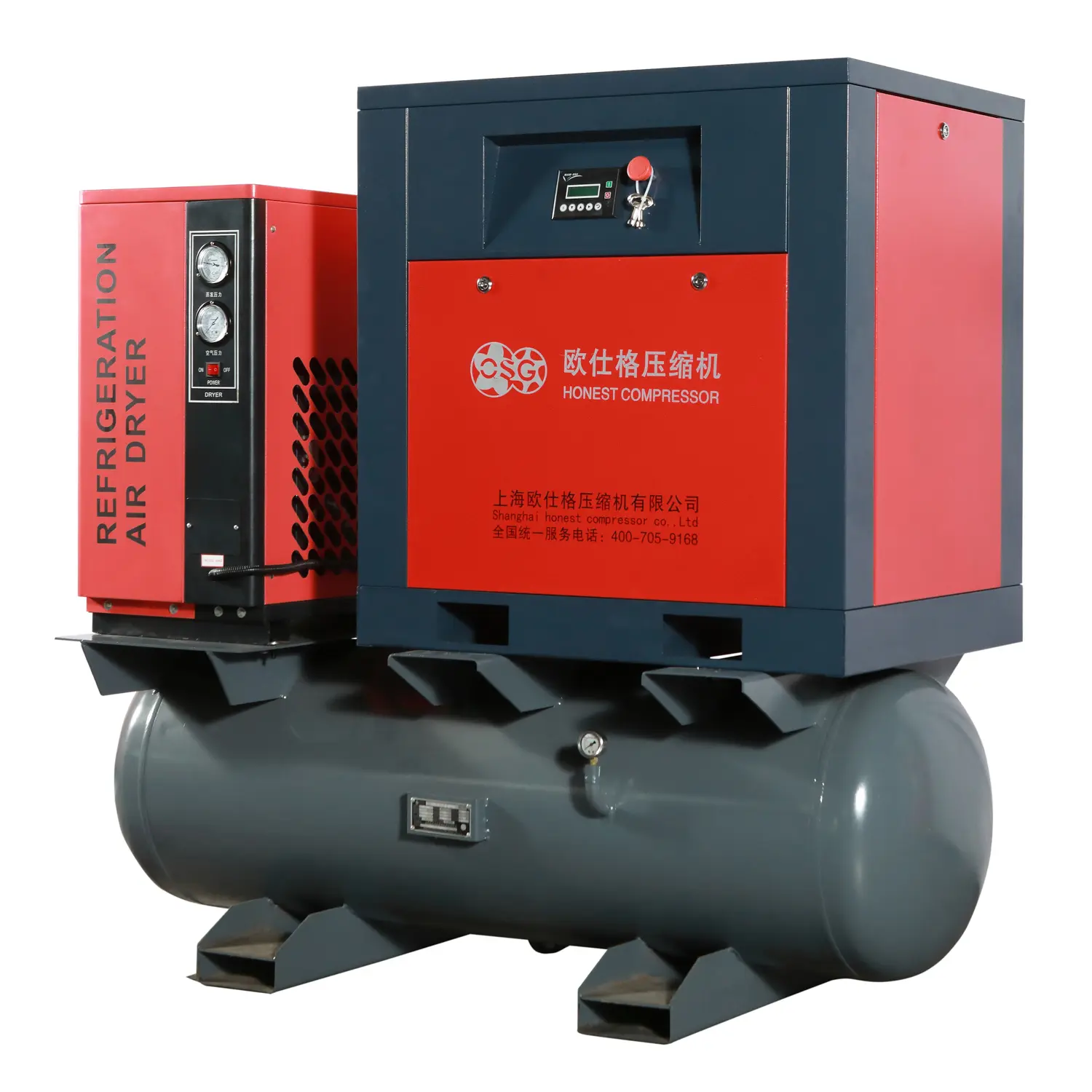
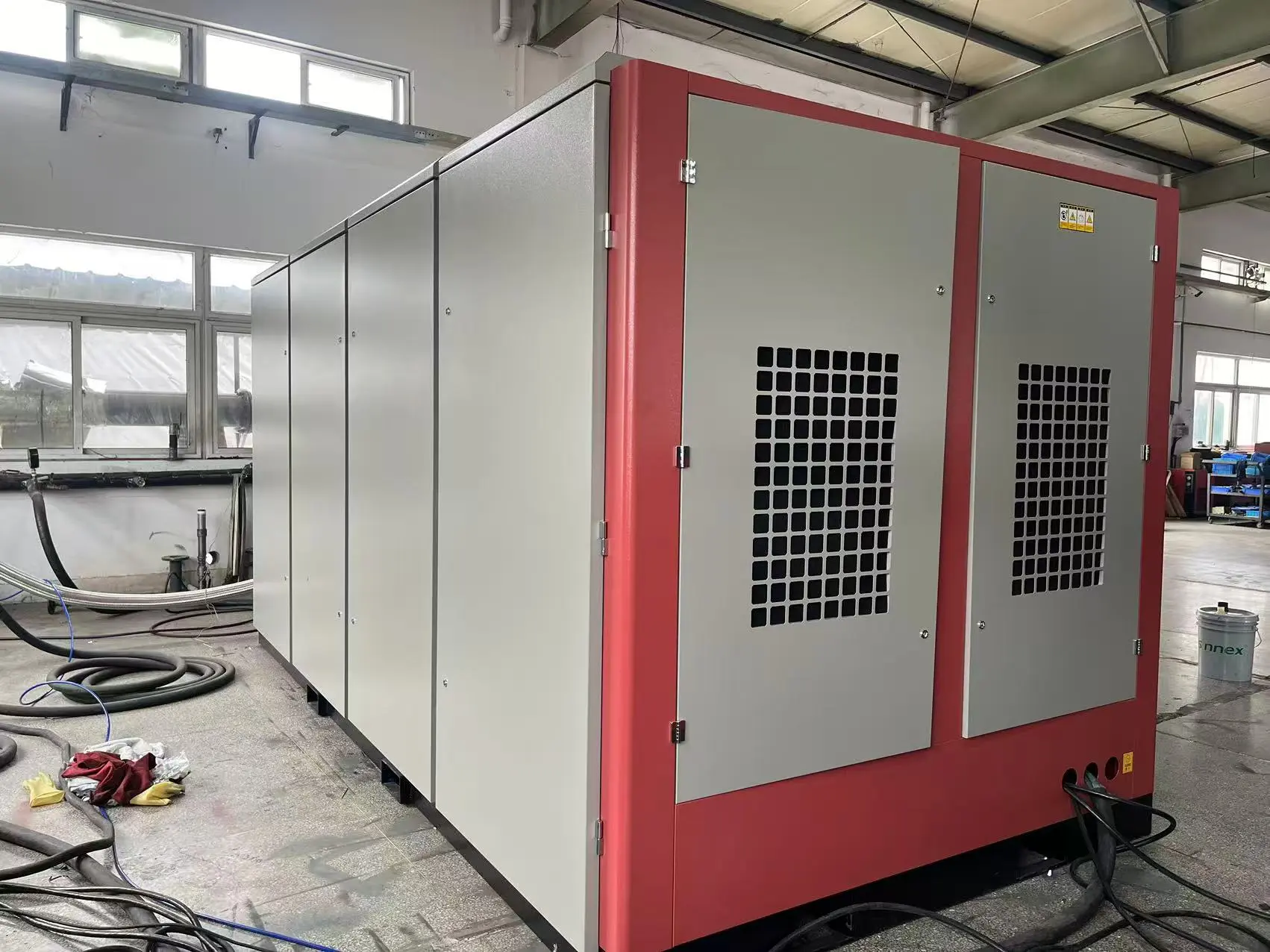
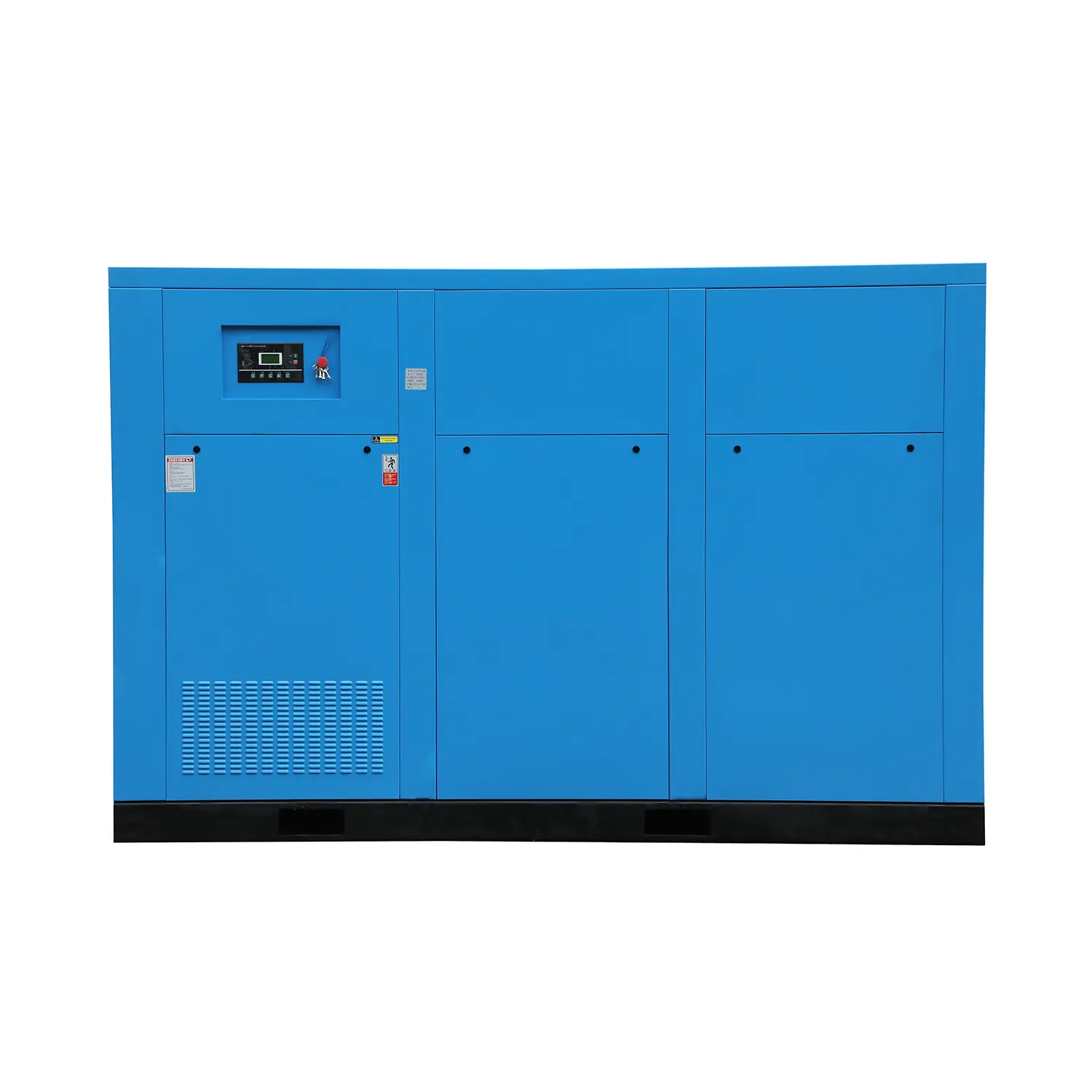
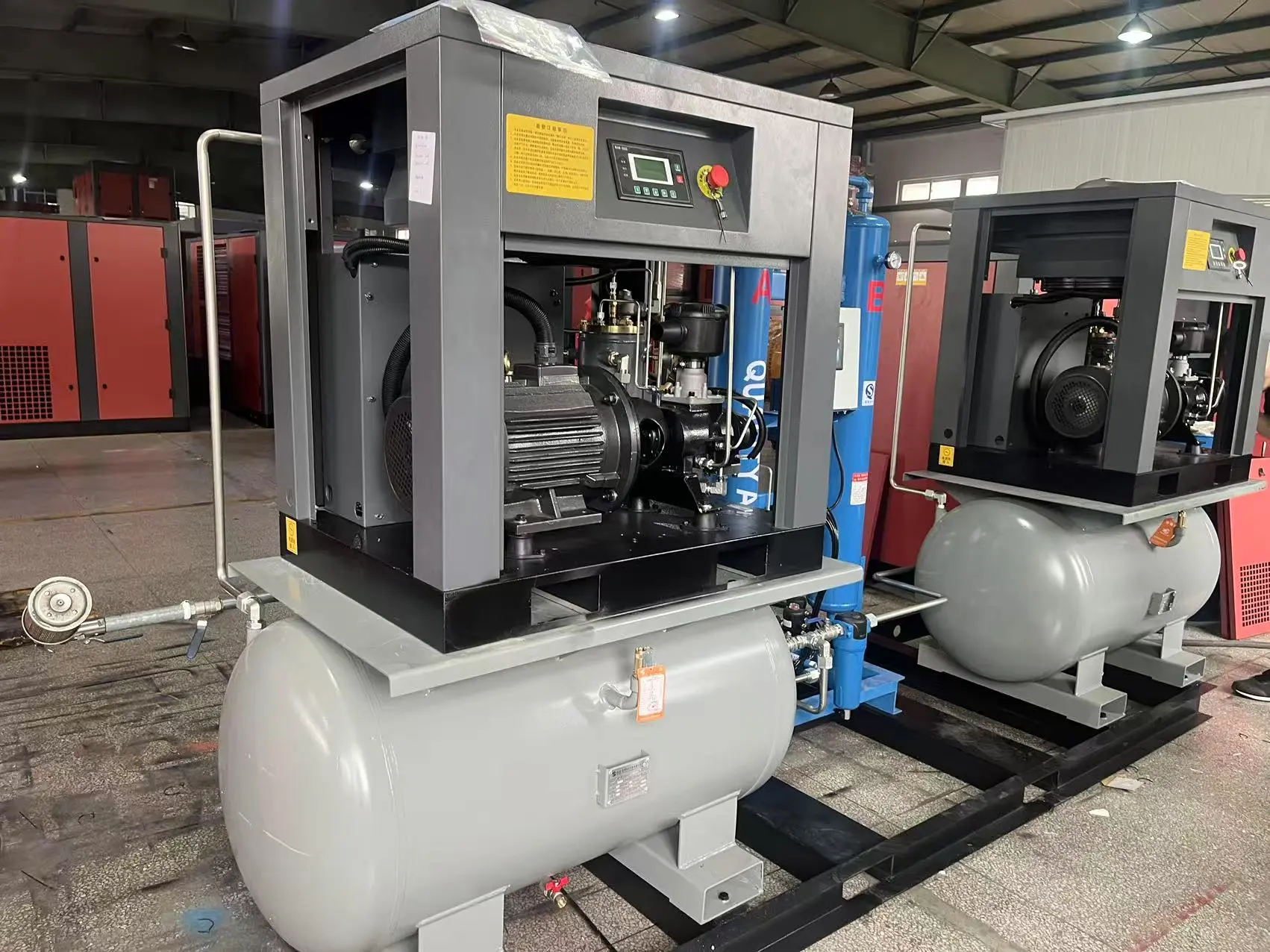
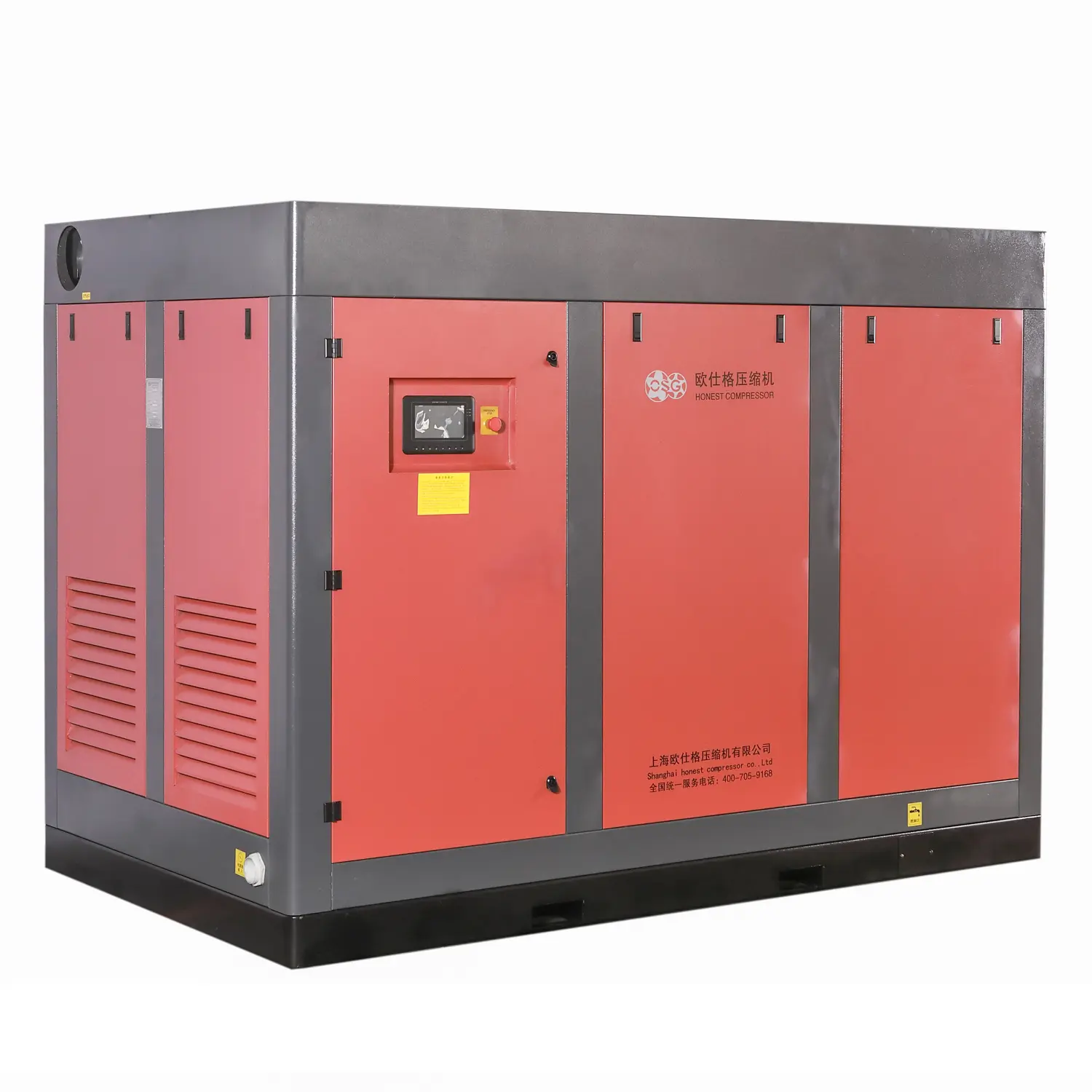
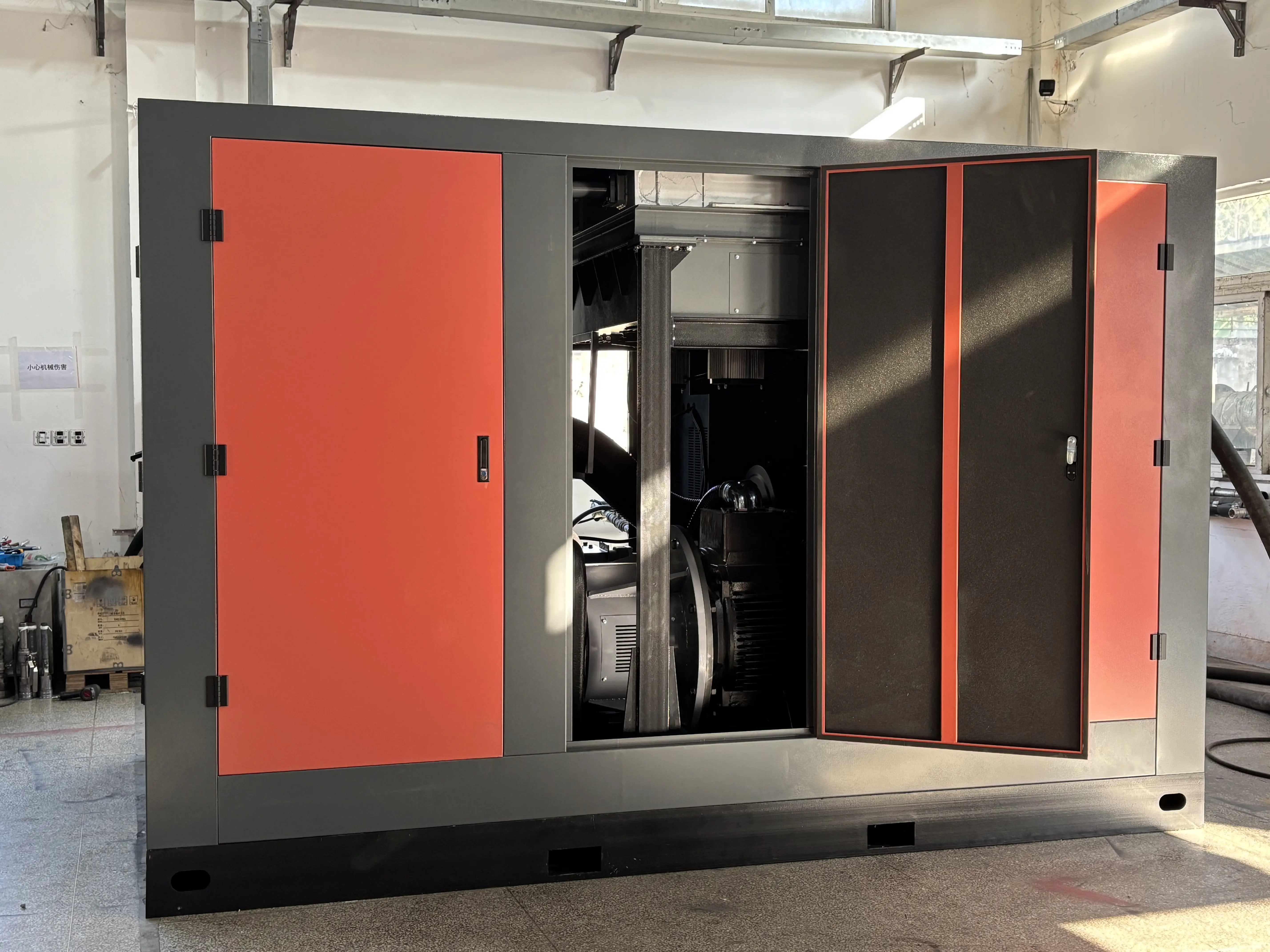
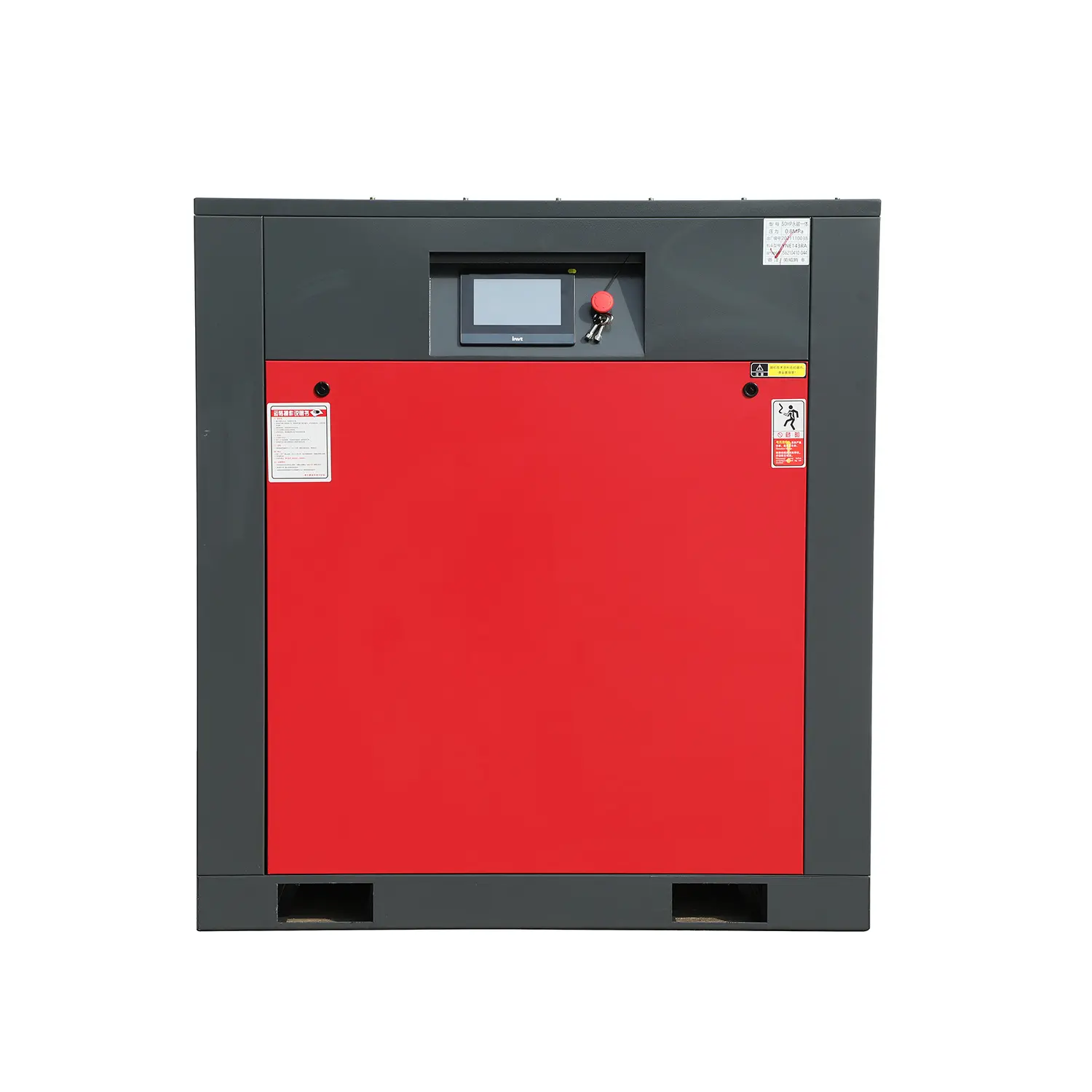
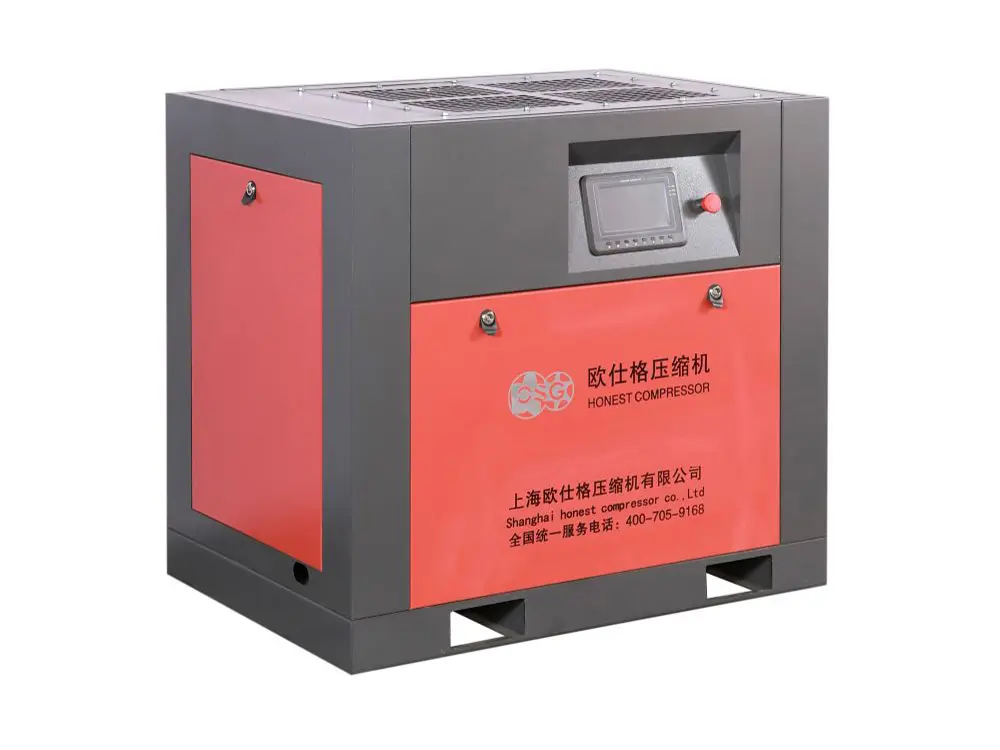
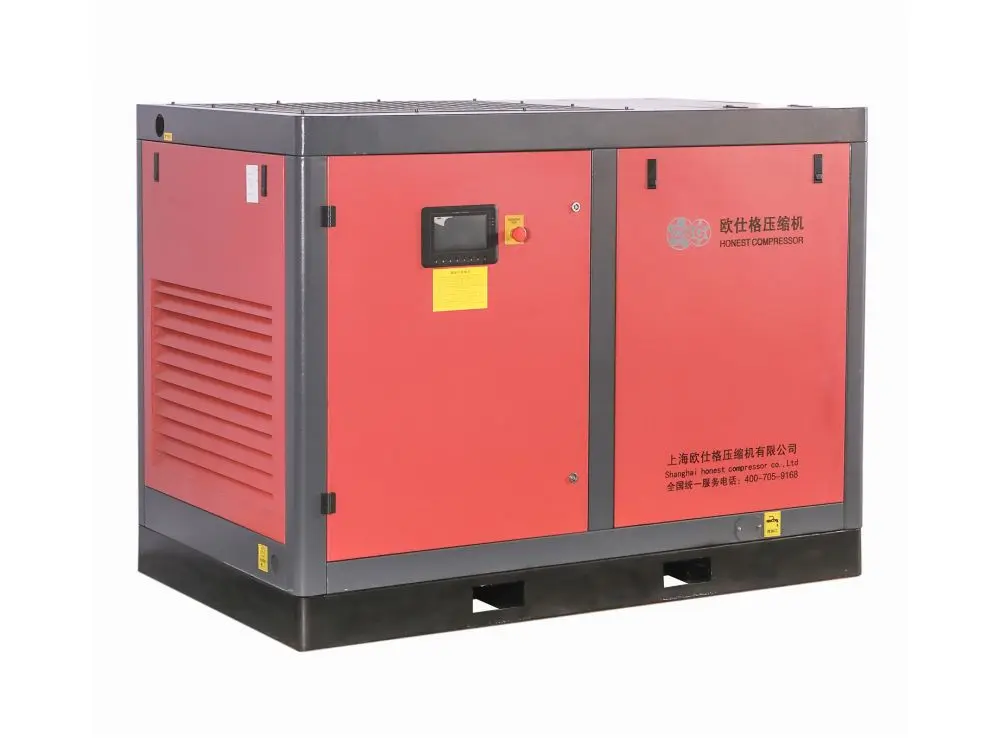
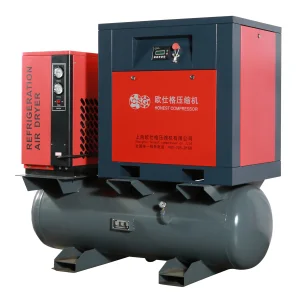
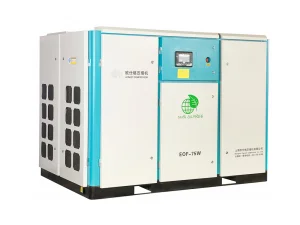
Below is our specialized collection of heavy-duty air ends, integrated four-in-one stations, and silent screw compressors designed for global distribution and high-duty cycles.
Industrial applications present diverse environments, requiring configurations tailored to specific field conditions and regulatory standards.
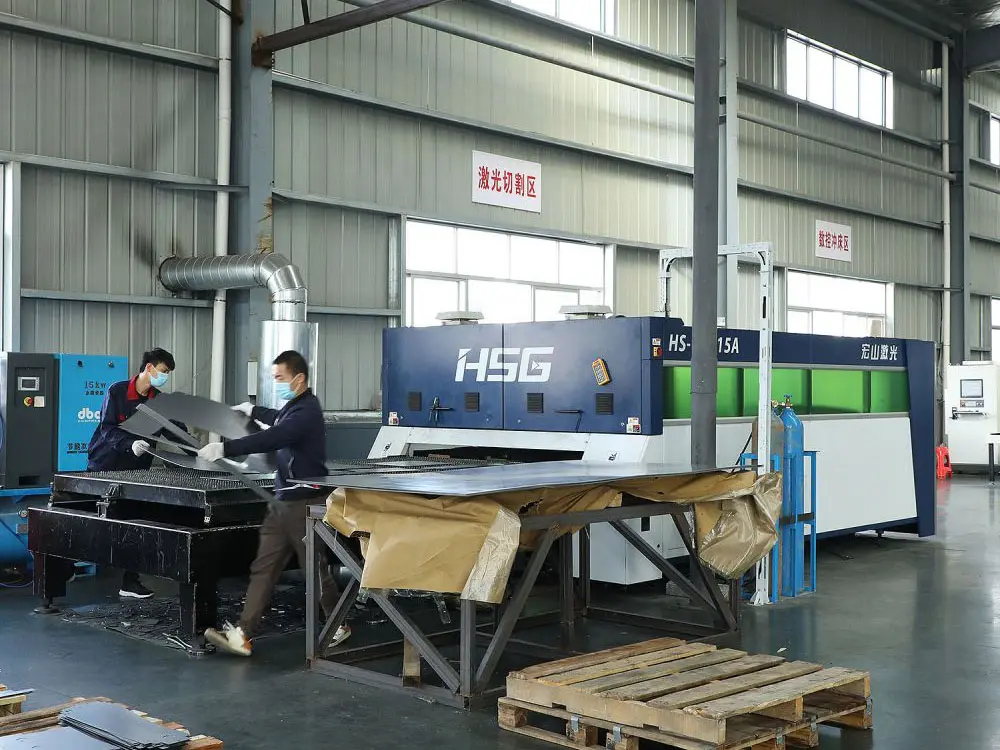
In laser cutting operations, compressed air is used as an assist gas to blow away molten metal and clear the cut path. Traditional systems operate at 8 to 10 bar, but modern high-speed fiber laser cutters require pressures of 16 to 20 bar, or even higher. Sourcing components for a 20 bar system requires parts designed specifically for high-pressure operations. This includes heavy-wall air tanks, high-pressure refrigerated dryers with reinforced heat exchangers, and multi-stage coalescing filters that can handle high pressure drops without tearing.
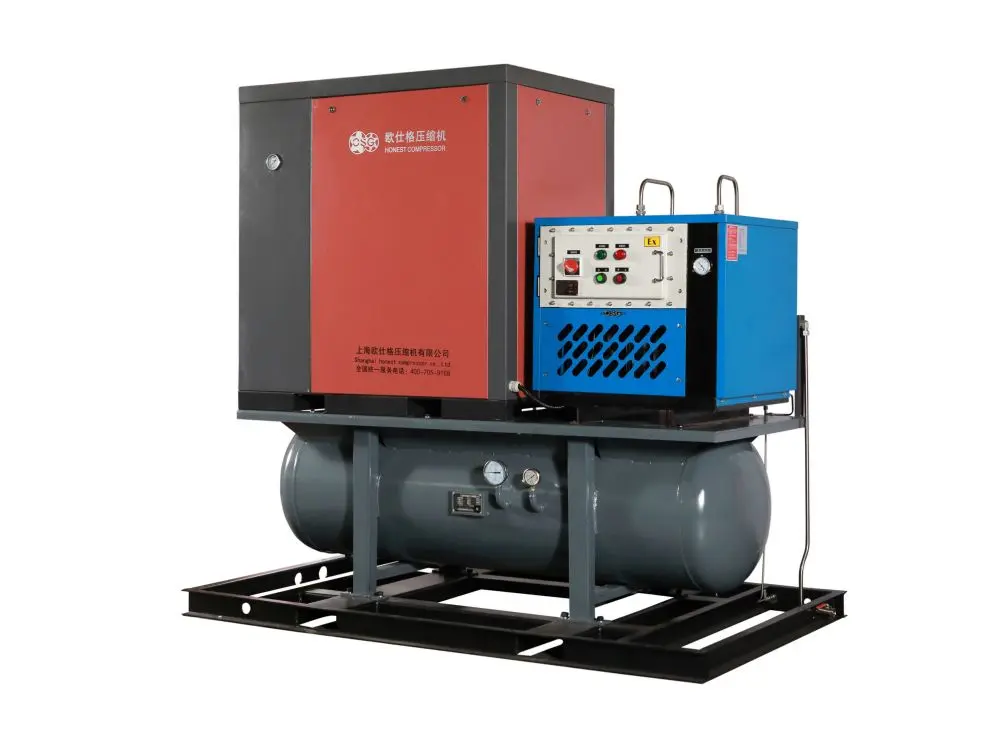
Underground mining operations require compressed air for pneumatic tools, drilling rigs, and ventilation systems. Because coal and metal mines contain flammable dust and gases, the entire compressor system must be explosion-proof. Standard parts must be replaced with explosion-proof motors (complying with ATEX or IECEx standards), intrinsically safe solenoid valves, non-sparking coupling drives, and flameproof control cabinets. Additionally, the filtration systems must be designed to withstand high vibration and heavy dust loads.
Exporting industrial equipment requires strict adherence to local regulations. Equipment destined for Europe must carry the CE mark, indicating compliance with the Machinery Directive, Pressure Equipment Directive (PED), and Low Voltage Directive. Similarly, systems sent to North America must feature UL/CSA-listed electrical panels and ASME-certified pressure vessels. Sourcing from certified suppliers ensures that all critical components—such as safety valves, pressure switches, and air tanks—come with the necessary documentation to pass inspection at the destination port.
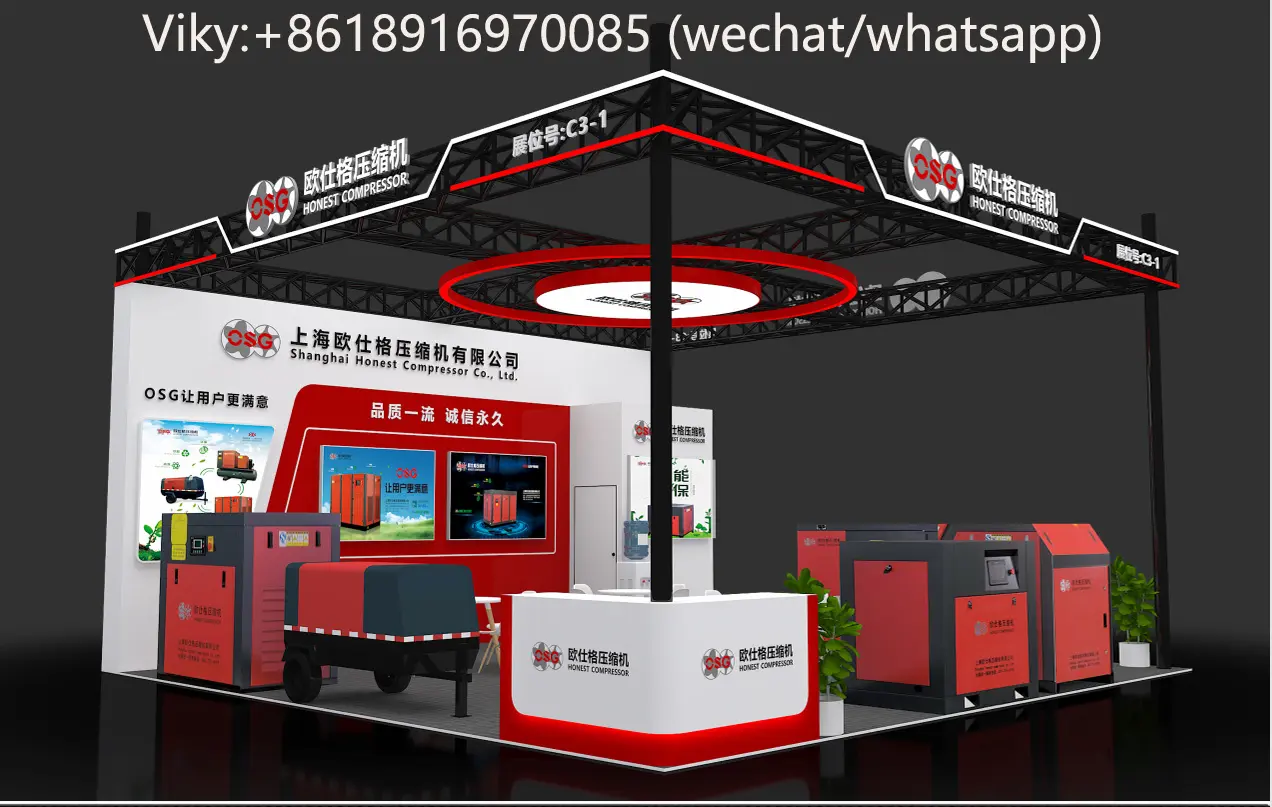
Shanghai Honest Compressor Co., Ltd. regularly participates in global trade shows to showcase its latest technologies and connect with international partners. Keeping pace with market trends is essential for developing new parts and systems.
According to recent industry analysis, the Dry Vacuum Pump Market Size is valued at US$ 5.97 billion in 2024. The market is projected to grow from US$ 6.17 billion in 2025 to US$ 8.28 billion by 2034, registering a strong compound annual growth rate. This growth highlights the increasing demand for clean, oil-free vacuum technologies in the semiconductor, chemical, and pharmaceutical sectors, prompting continuous R&D investments.
To help operators maximize the efficiency and lifespan of their air compressor systems, our engineering team has compiled answers to some of the most common technical questions.
Select from our range of high-efficiency replacement parts and integrated systems to ensure your air supply remains clean, dry, and cost-effective.