Japan's industrial infrastructure stands as a global benchmark for precision engineering, automation, and uncompromising quality. In fields such as automotive assembly, semiconductor manufacturing, and pharmaceutical production, the quality of compressed air is critical. Condensation, scale, and trace oils in pneumatic lines can lead to valve corrosion, component damage, and production stoppages. High-efficiency adsorption air dryers are essential for preventing these issues.
Historically, Japanese industrial clients relied on local domestic brands. However, due to recent energy transitions and escalating domestic production costs, Japanese procurement managers are actively seeking manufacturers that offer technological depth, JIS-compliant build quality, and superior cost-effectiveness. The demand for adsorption air dryers in Japan is shifting from simple moisture removal to systems featuring Dew Point Dependent Switching (DDS), ultra-low purge air loss, and full integration with high-efficiency oil-free screw compressors.
Fabs in Kumamoto and Kyushu require extreme dry gas. With Pressure Dew Points (PDP) reaching -70°C, these systems ensure zero trace moisture interferes with sub-nanometer lithography processes.
Plants in Aichi Prefecture require dry compressed air to power multi-axis welding robotics, pneumatic conveying, and automotive painting booths, preventing blemishes in the paint finish.
Under PMDA (Japan's Pharmaceutical and Medical Devices Agency) guidelines, compressed air contacting medical vials or food packaging must be oil-free and dried below -40°C PDP to prevent microbial growth.
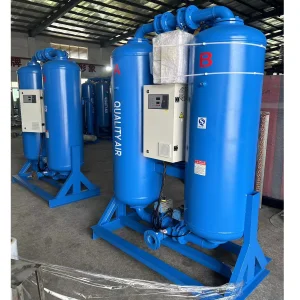
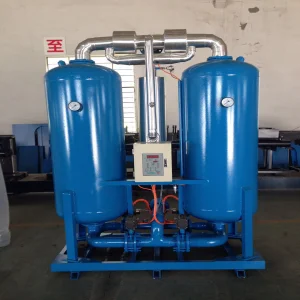
Adsorption air dryers achieve low dew points through physical adsorption, utilizing desiccants like activated alumina, silica gel, or molecular sieves. Regenerative dryers operate on a cyclic system: one tower dries the wet air stream while the other regenerates the saturated desiccant.
| Technology Path | Average Purge Loss | Standard Dew Point | Primary Desiccant Type | Energy Efficiency Index |
|---|---|---|---|---|
| Heatless Regenerative | 12% - 15% | -40°C to -70°C | Activated Alumina / Molecular Sieve | Standard / Low CAPEX |
| Micro-Heat Regenerative | 3% - 7% | -40°C to -70°C | Spherical Silica / Molecular Sieve Blend | High / Moderate Operating Costs |
| Heated Blower Purge | < 3% | -40°C | Activated Alumina | Very High / Medium CAPEX |
| Heat of Compression (HOC) | Near 0% | -40°C to -70°C | High-Density Molecular Sieve | Maximum / Integrated System |
The performance of an adsorption air dryer depends heavily on the select desiccant matrix. Our dryers use high-density activated alumina for general -40°C dew point applications due to its high crush strength and water resistance. For critical -70°C specifications, we integrate 13X molecular sieves, which feature precise pore size distributions optimized for low-pressure water vapor extraction.
Traditional heatless adsorption dryers consume about 15% of dried compressed air for desiccant regeneration. In Japan, where electricity rates are high, this can be costly. To address this, our systems utilize Dew Point Dependent Switching (DDS). Microprocessor controls monitor outlet moisture levels and cycle the towers only when the desiccant is fully saturated, reducing energy consumption.
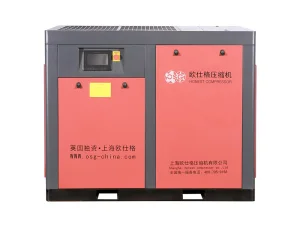
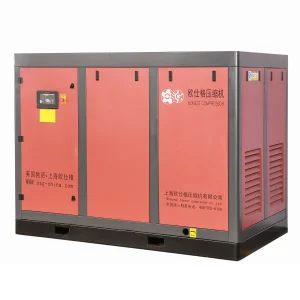
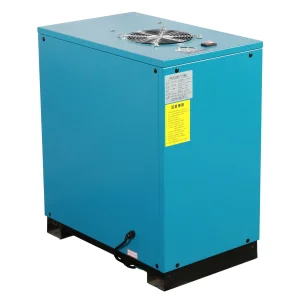
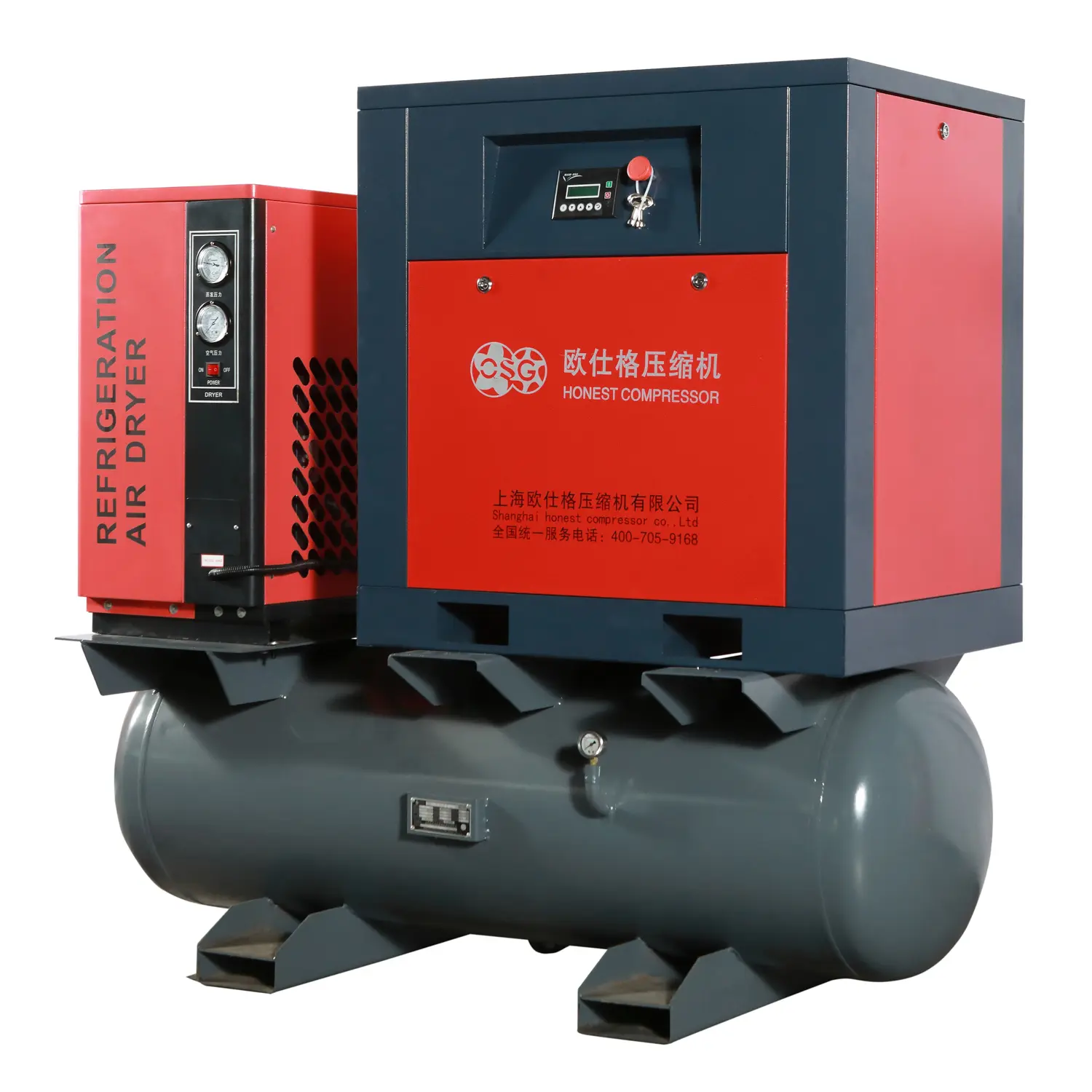
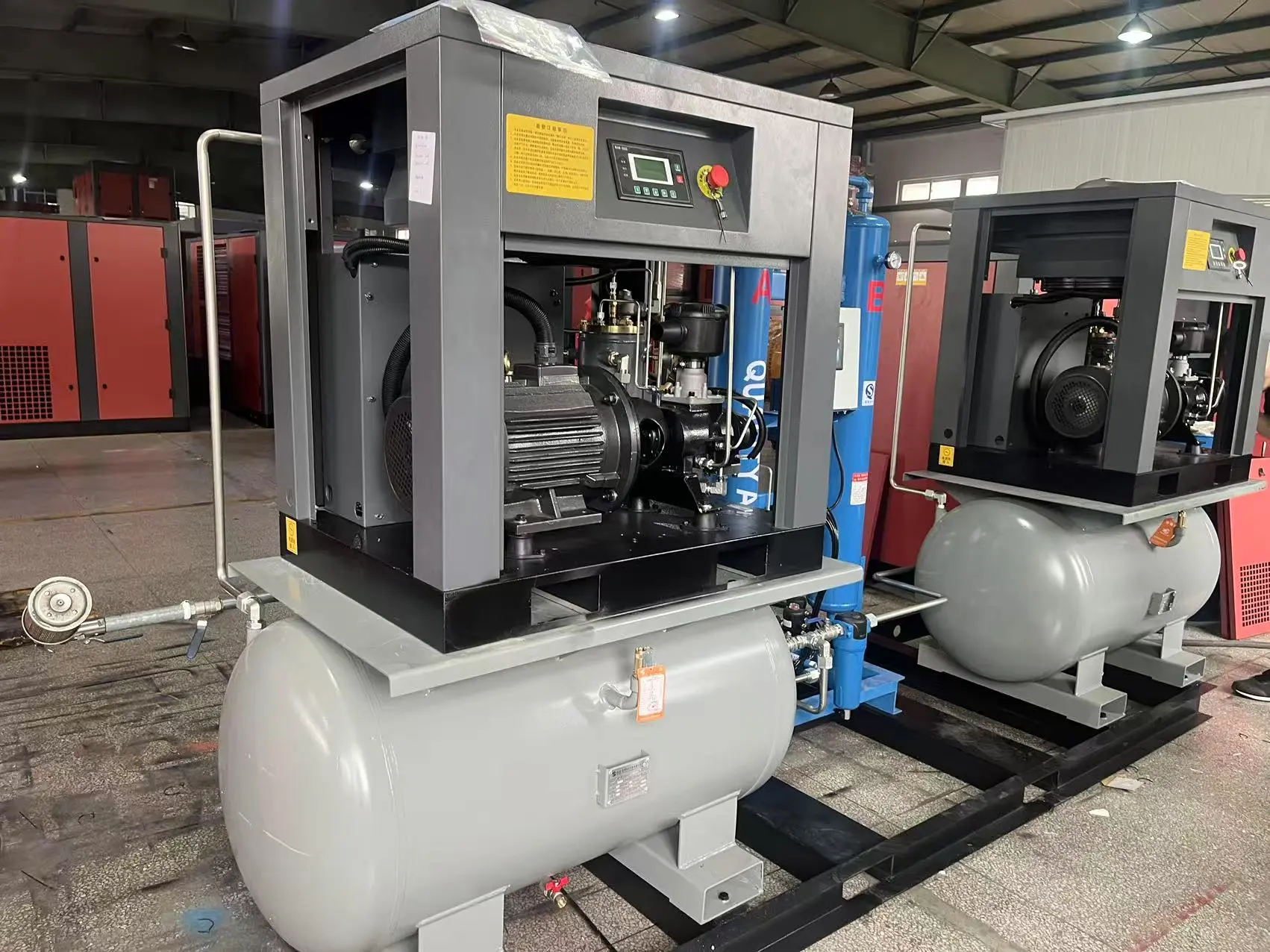
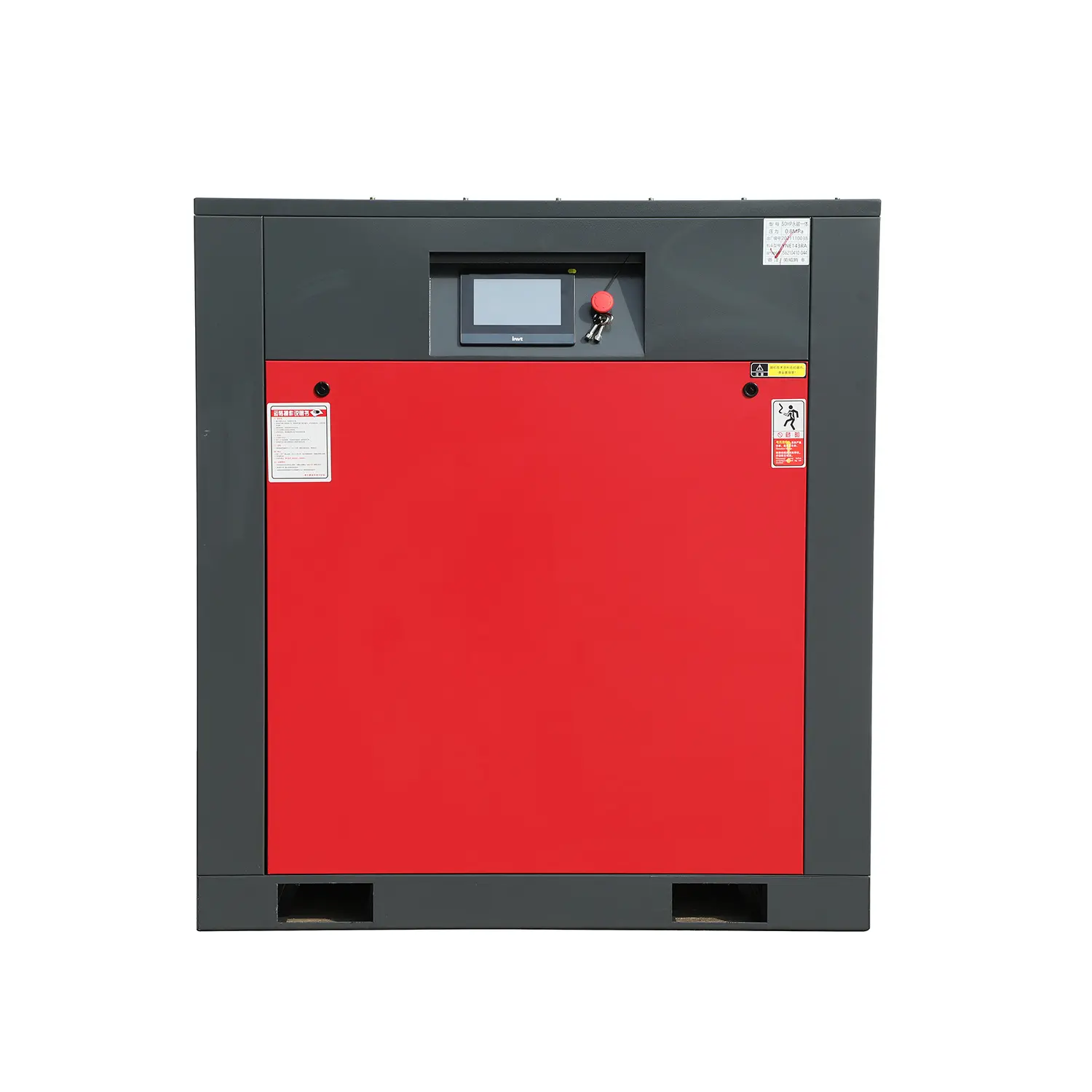
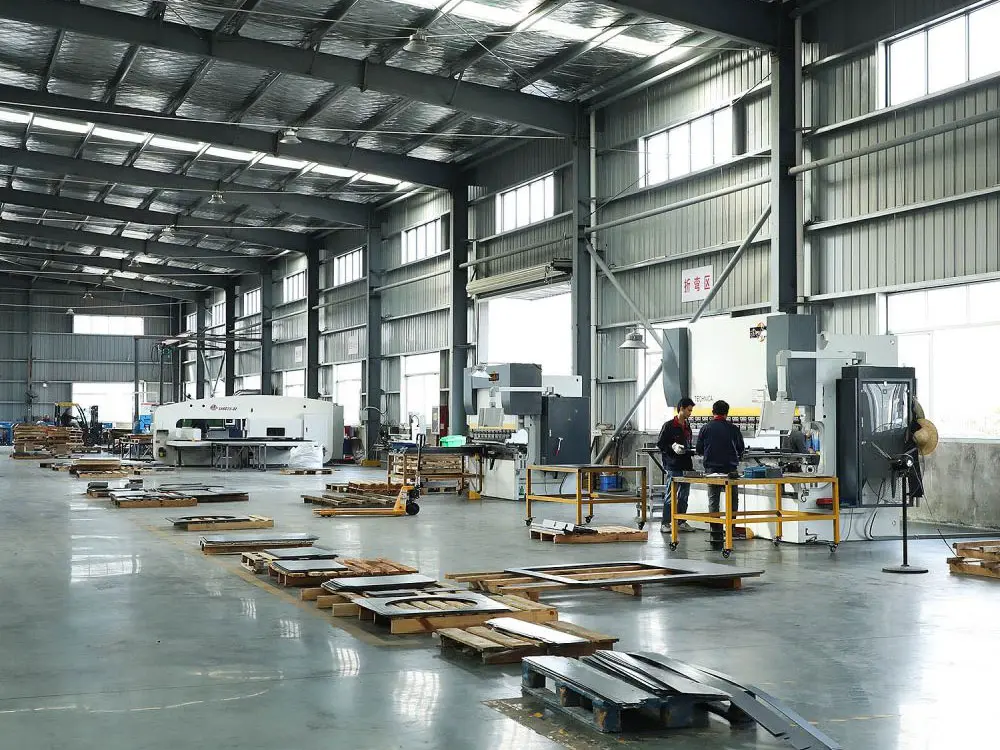
Operating from our production base in Malu Town, Jiading District, Shanghai, we leverage China's industrial manufacturing ecosystem. We combine domestic component supply chains with British-owned engineering and quality control systems.
This operational structure offers key advantages:
The Japanese regulatory landscape for pressure vessels and electrical control systems requires strict compliance. Our products are designed to meet relevant local standards, including:
Our support network includes a specialized engineering team and local maintenance partners in Tokyo and Osaka, ensuring reliable customer service, installation assistance, and parts supply for Japanese operations.
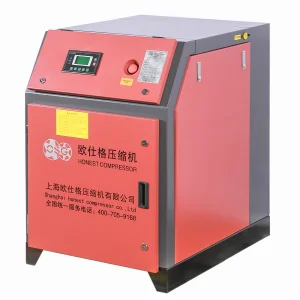
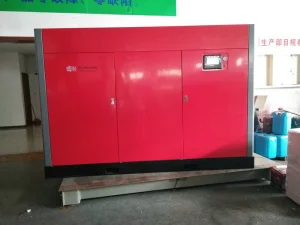
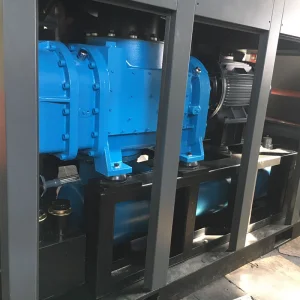
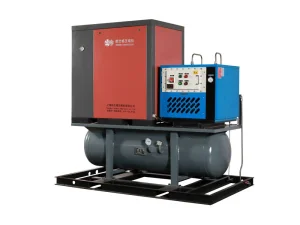
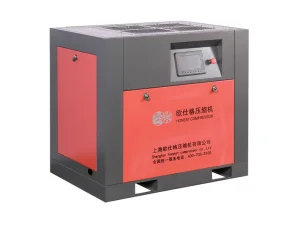
Shanghai Honest Compressor Co., Ltd. is a British-owned enterprise. It was founded in early 2004. Our primary manufacturing facility is located at NO. 355 Jiajian Branch Road, Malu Town, Jiading District, Shanghai, China.
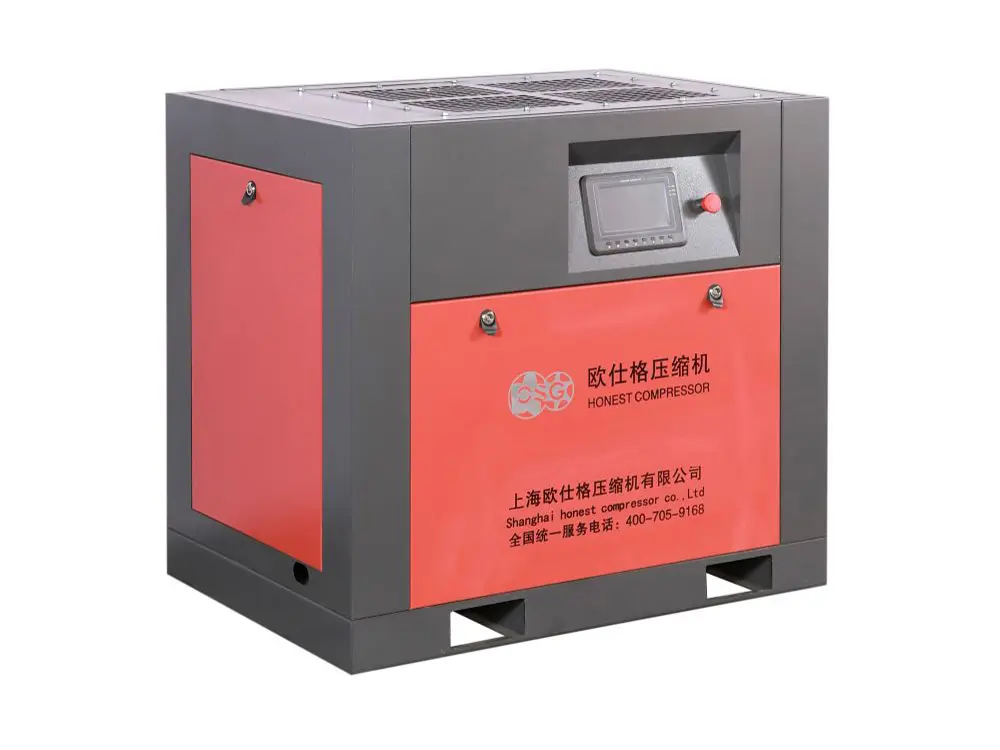
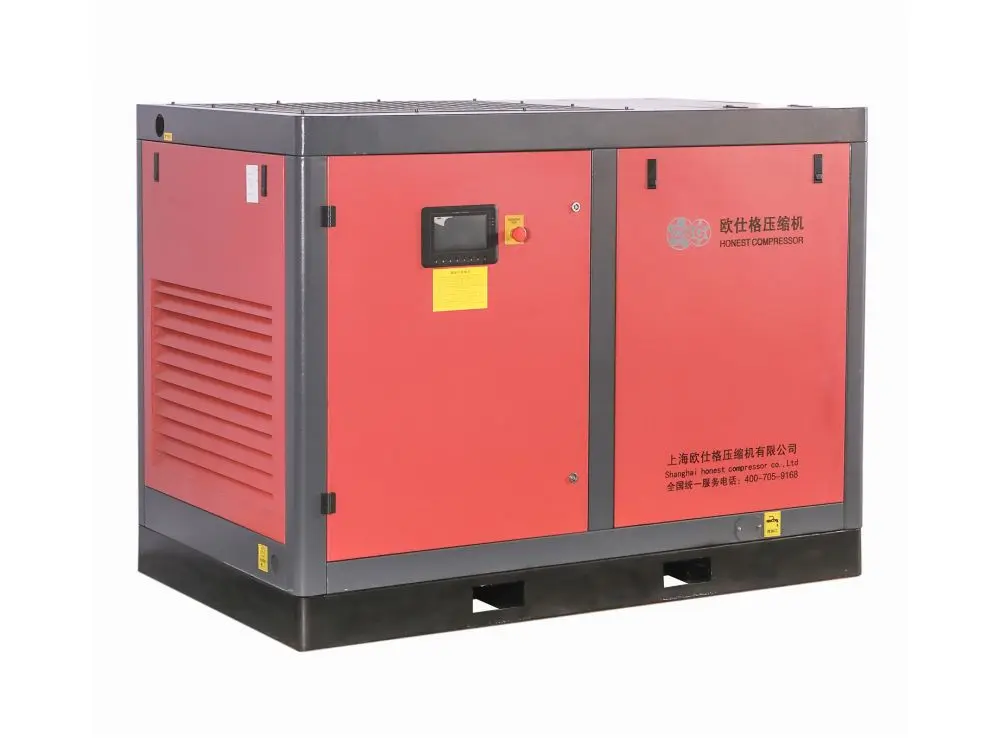
We are a large-scale manufacturing enterprise specializing in the production of twin-screw air compressors in China. We also supply integrated air system solutions, offering piston air compressors (low pressure, medium pressure, high pressure, and oil-free variants), screw air compressor systems (from 3KW to 480KW), gas separation equipment, refrigerant compressors, cold dryers, filters, ceramic membrane filtration systems, and replacement consumables.
With years of export experience to industrial markets worldwide, we maintain ISO 9001 and CE certifications. Our team provides project analysis and energy-saving audits to support industrial operations.
According to recent market analysis, the dry vacuum pump market size is valued at US$ 5.97 billion in 2024 and is expected to grow from US$ 6.17 billion in 2025 to US$ 8.28 billion by 2034. This growth is driven by requirements for clean, oil-free vacuum solutions in pharmaceutical synthesis, semiconductor lithography, and precision packaging lines across East Asia, including Japan.
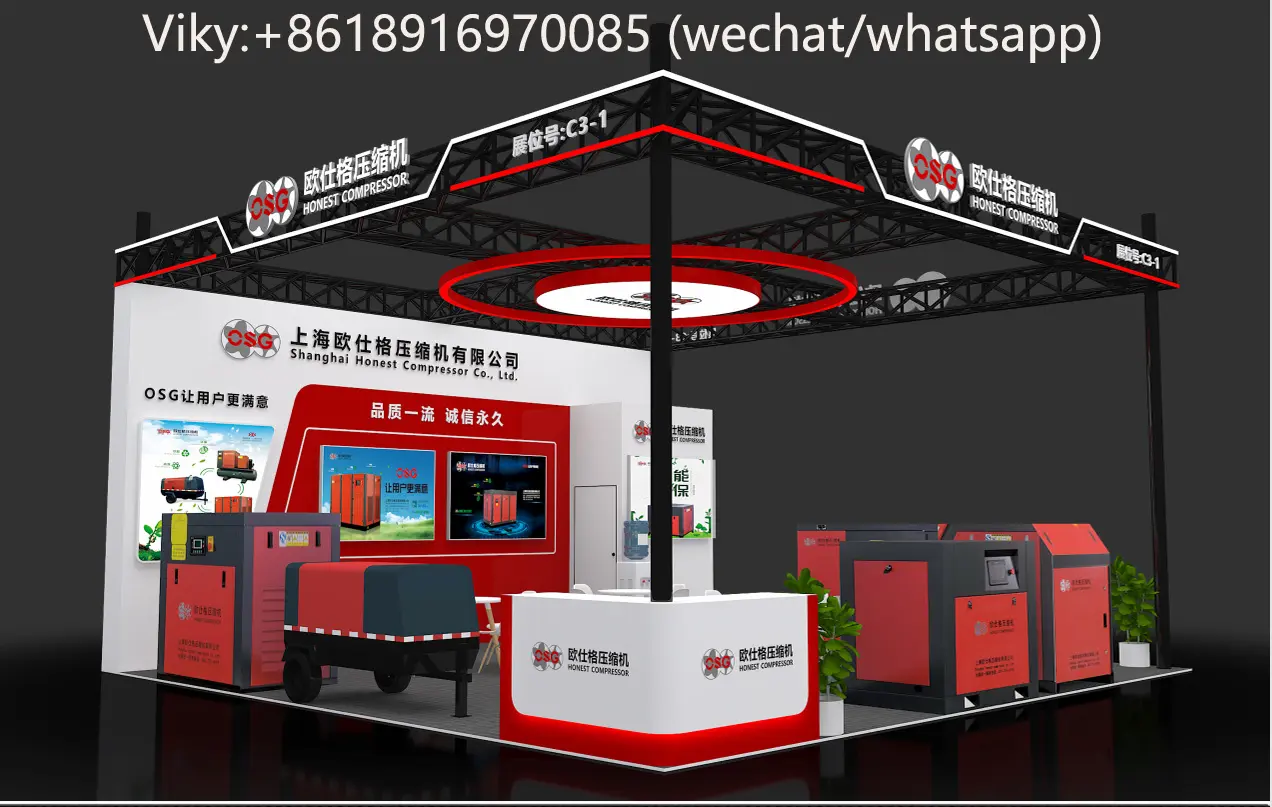
We participate in global exhibitions, presenting our integrated compressor and dry vacuum packages, including screw vacuum systems and desiccant dryers.
For a consistent -70°C PDP under variable inlet temperatures, we use a structured bed: 70% activated alumina at the inlet layer to handle bulk moisture load without structural breakdown, and 30% molecular sieve (13X) at the outlet layer to capture trace water molecules.
Instead of cycling the towers on a fixed timer (typically 10-minute cycles), a DDS system uses an in-line hygrometer sensor. It cycles the towers only when the active desiccant bed is fully saturated. This can reduce regeneration purge losses by up to 60% during partial-load conditions.
Yes. Our adsorption dryers are designed for inlet temperatures up to 45°C. For higher compressor discharge temperatures, we recommend installing an aftercooler and a water separator upstream to protect the desiccant from liquid water contamination.
Our manufacturing facilities are equipped to provide the necessary design calculation sheets, material certifications, and hydraulic test reports required under Japan's High Pressure Gas Safety Act (KHK). Please specify these requirements during inquiry submission.
Oil vapors can coat the porous structure of desiccant beads, a condition known as "desiccant poisoning," which permanently reduces adsorption capacity. To protect the desiccant bed, we install high-efficiency coalescing pre-filters (down to 0.01 micron oil removal) upstream of the drying towers.
Get in touch with our engineering team for a customized system design, JIS compliance verification, and detailed pricing.
Send Inquiry Now