
Engineered to deliver ISO 8573-1 Class 1 dew point performance under harsh industrial conditions.
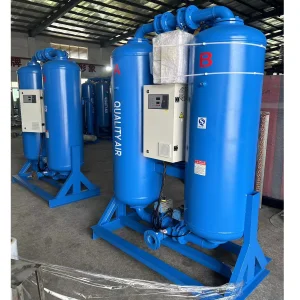
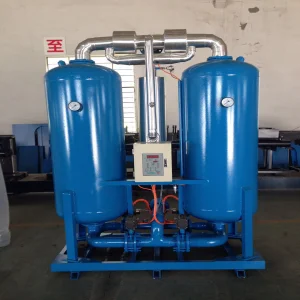
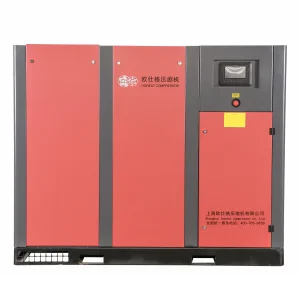
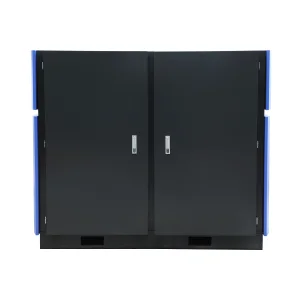
Strategic analysis of clean dry air (CDA) demands in the Kansai region's top manufacturing clusters.
The Osaka metropolitan area, a historical engine of the Japanese Industrial Revolution, has successfully transitioned from traditional heavy manufacturing to high-tech, precision engineering. Currently, the region stands as a dominant hub for semiconductor packaging, lithium-ion battery production, advanced pharmaceutical synthesis, and precision chemical processing. All of these sectors share a common critical infrastructure vulnerability: the requirement for absolute moisture-free, oil-free compressed air.
In humid coastal zones like Sakai-Senboku and Yodogawa, atmospheric moisture levels vary drastically between seasons. During the humid summer months, untreated compressed air introduces liters of condensed water into high-speed automation systems. This leads to component corrosion, pneumatic valve failures, and micro-contamination on semiconductor wafers. To prevent catastrophic product defects and maximize uptime, Osaka's leading electronics and automotive assembly plants demand adsorption desiccant air dryers capable of maintaining constant pressure dew points (PDP) of -40°C to -70°C.
Japanese industrial installations are governed by strict energy compliance mandates under the Act on the Rational Use of Energy (Sho-Ene Ho). Historically, adsorption air dryers were viewed as highly energy-intensive due to the significant purge air requirements (often 15% to 20%) needed for desiccant regeneration. Our advanced heatless and micro-heat adsorption systems tackle this inefficiency directly, utilizing real-time dew point sensing controls and advanced desiccant bed geometries to reduce purge air loss to under 3% to 5%, ensuring perfect compliance with Kansai's rigorous green factory guidelines.
Understanding Mass Transfer Zones (MTZ), dew point suppression, and energy optimization.
Adsorption drying is not filtration; it is a surface-phenomenon thermodynamic process where water vapor molecules are captured by molecular forces (van der Waals forces) within the pores of a highly porous desiccant material. The efficiency of this process is governed by the type of desiccant media used, the contact time (superficial velocity), and the regeneration mechanism.
Desiccant Selection Matrix: We utilize a scientifically proportioned blend of Activated Alumina (for high moisture capacity at high relative humidity) and Molecular Sieve (13X or 4A, for deep dew point suppression down to -70°C). This dual-layer bed design extends desiccant lifespan by up to 50% compared to single-layer configurations.
Choosing the right technology determines your lifecycle cost (TCO). Let us analyze the engineering tradeoffs:
| Performance Parameter | Heatless Regenerative Dryer (PSA) | Micro-Heat Regenerative Dryer (TSA) |
|---|---|---|
| Pressure Dew Point (PDP) | -40°C to -70°C | -40°C to -70°C |
| Regeneration Air Consumption | 12% - 15% (Typical) / <10% (With EMS) | 3% - 5% |
| Typical Cycle Duration | 5 to 10 Minutes | 4 to 8 Hours |
| Capital Investment (CapEx) | Lower Initial Cost | Moderate to Higher |
| Operational Efficiency (OpEx) | Ideal for variable flows | Highly cost-efficient for continuous high flows |
Under partial load conditions, conventional dryers cycle on a fixed timer, purging valuable compressed air even when the desiccant bed is not fully saturated. Our proprietary energy management system (EMS) utilizes precision polymer-based humidity sensors to monitor the desiccant mass transfer zone. The system delays column switching and purge cycles until the desiccant is fully loaded with moisture, generating immediate, measurable electrical energy savings for the plant.
Combining state-of-the-art robotic welding, automated testing, and optimized cost structures.
Our manufacturing base operates under a comprehensive **Industry 4.0 philosophy**, integrating cloud-managed manufacturing execution systems (MES), robotic structural welding for ASME-certified pressure vessels, and fully automated performance validation chambers. This ensures that every adsorption dryer exported to Osaka matches the legendary quality standards of domestic Japanese equipment, but at a highly optimized capital cost.
How we solve specific manufacturing clean air challenges across Osaka Prefecture.
Lithium battery production requires extreme low relative humidity. Our double-stage desiccant air dryers consistently achieve a dew point of -60°C PDP, preventing chemical degradation and ensuring electrode cell stability during assembly.
To prevent biological growth and powder clumping during tablet pressing and packaging, we offer fully oil-free desiccant packages that comply with strict PIC/S GMP guidelines, maintaining pristine air hygiene.
Precision optical laser cutting and electronic soldering require trace water removal. Our cost-effective heatless desiccant systems eliminate laser mirror condensation and clean-room pneumatic failures.
Your Trusted Global Partner for Advanced Air Compression Systems.
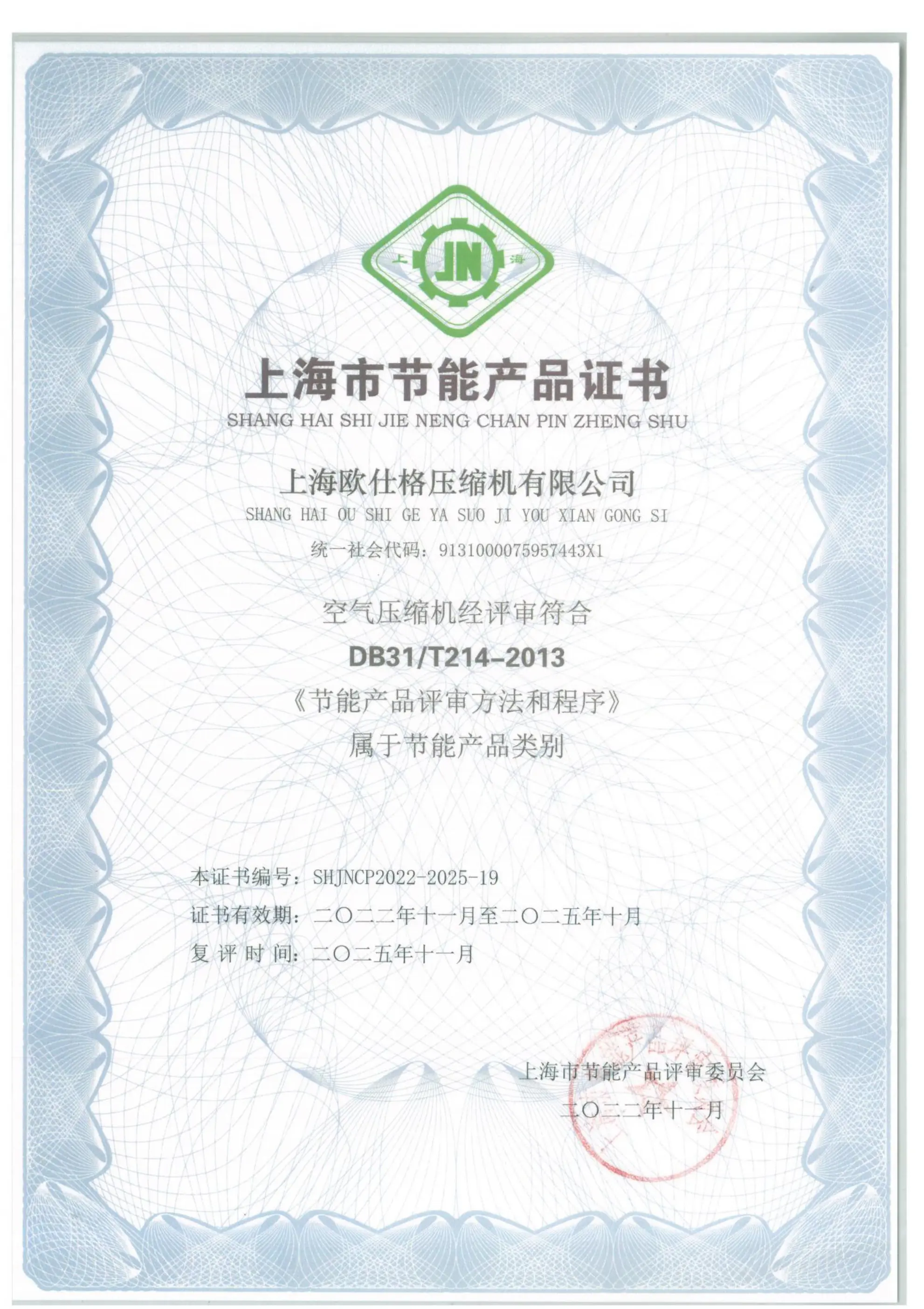
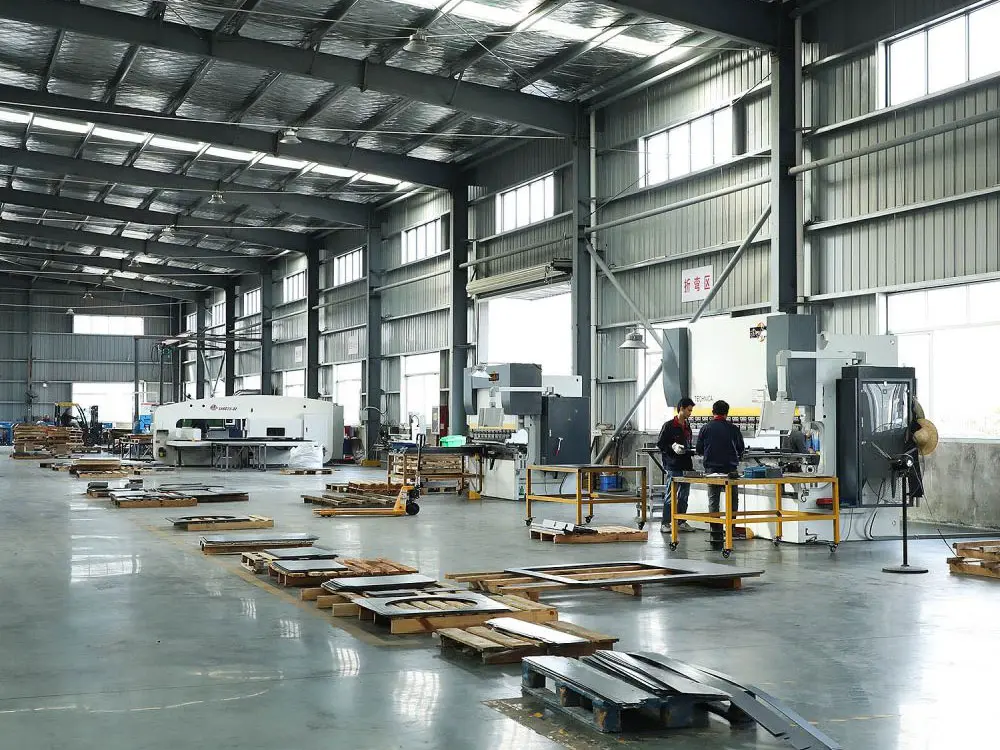
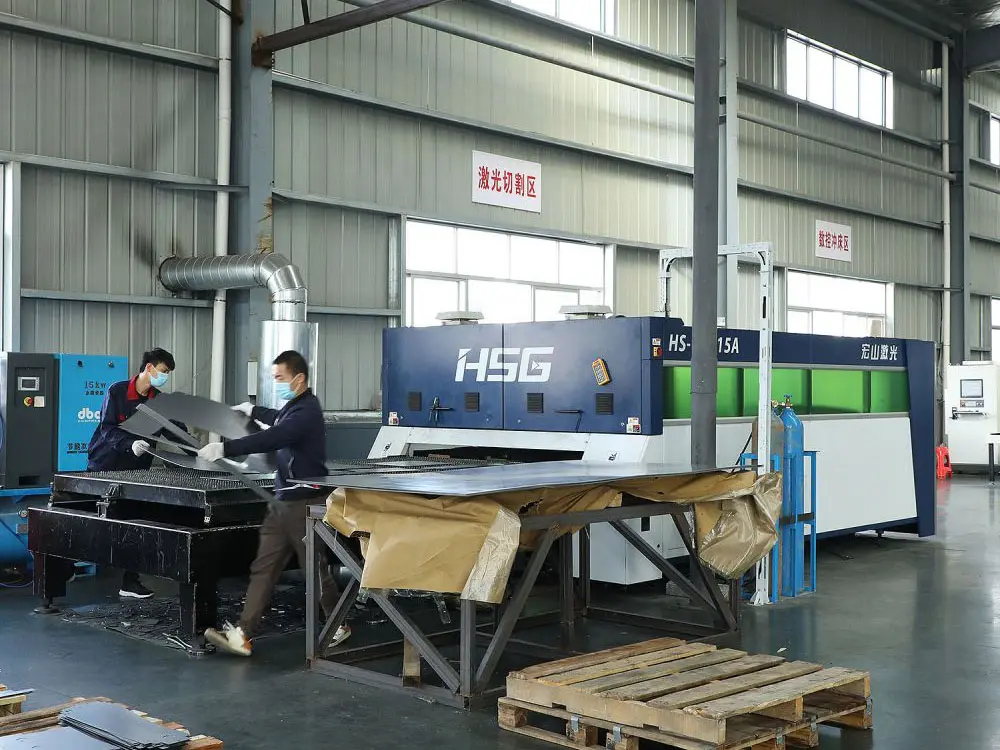
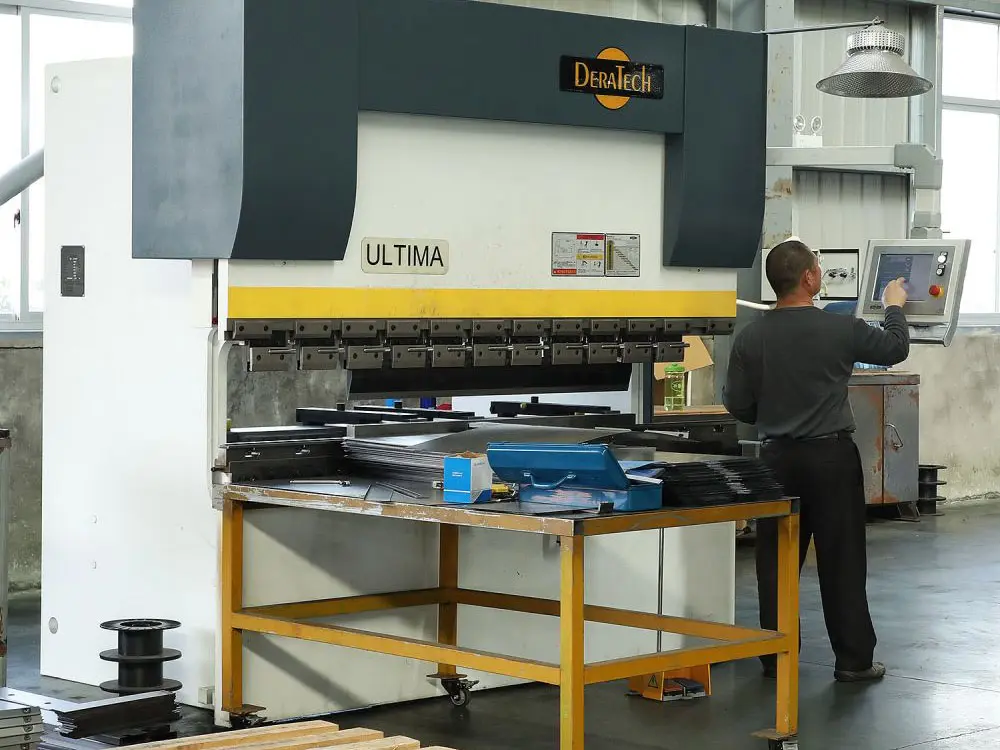
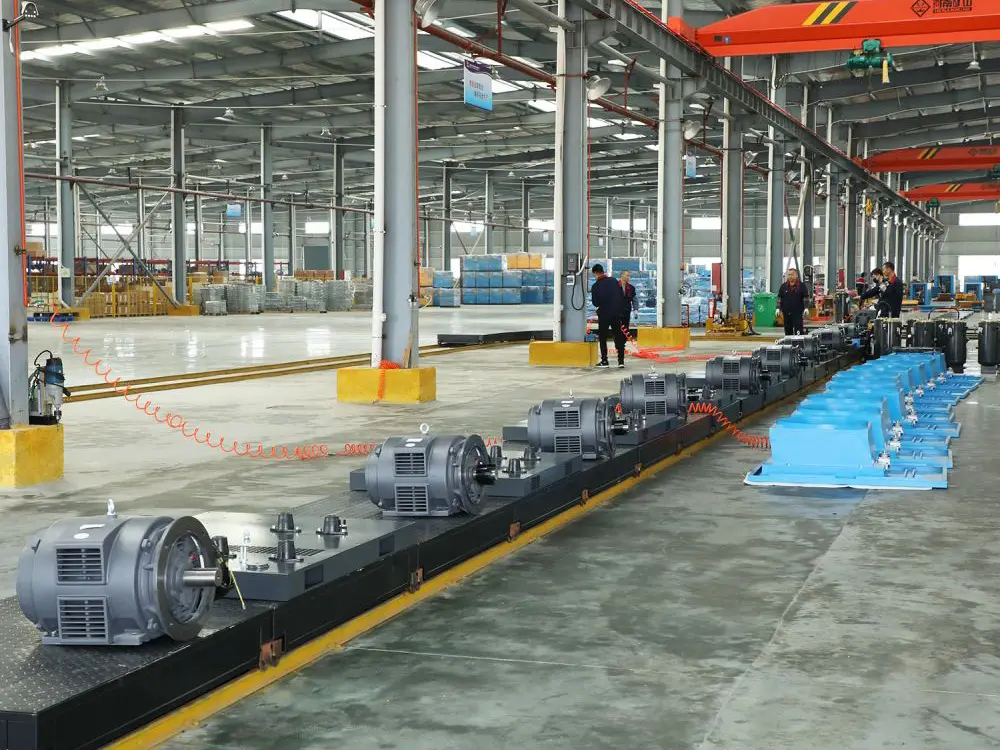
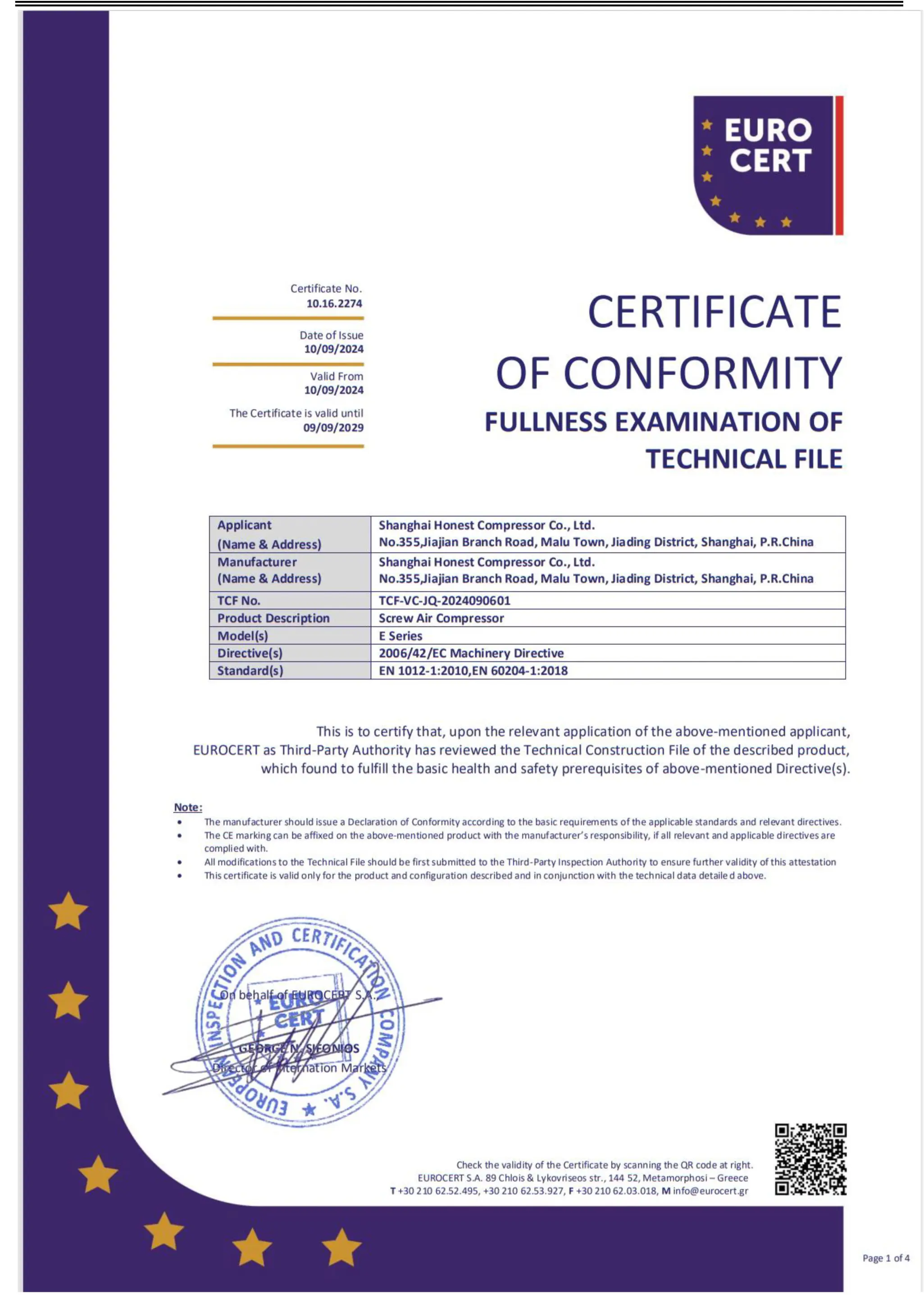
Founded in early 2004, Shanghai Honest Compressor Co., Ltd. is a large-scale manufacturing enterprise specializing in the production of twin-screw air compressors, desiccant air dryers, and air purification equipment. We represent an important supply partner for air system solutions globally, providing oil-free and variable-frequency systems ranging from 3KW to 480KW.
Our commitment is to leverage modern engineering expertise and Factory 4.0 efficiency to provide high-quality equipment that lowers both operating costs and capital investment requirements for our global clients.
Staying at the forefront of global technological innovation and market dynamics.
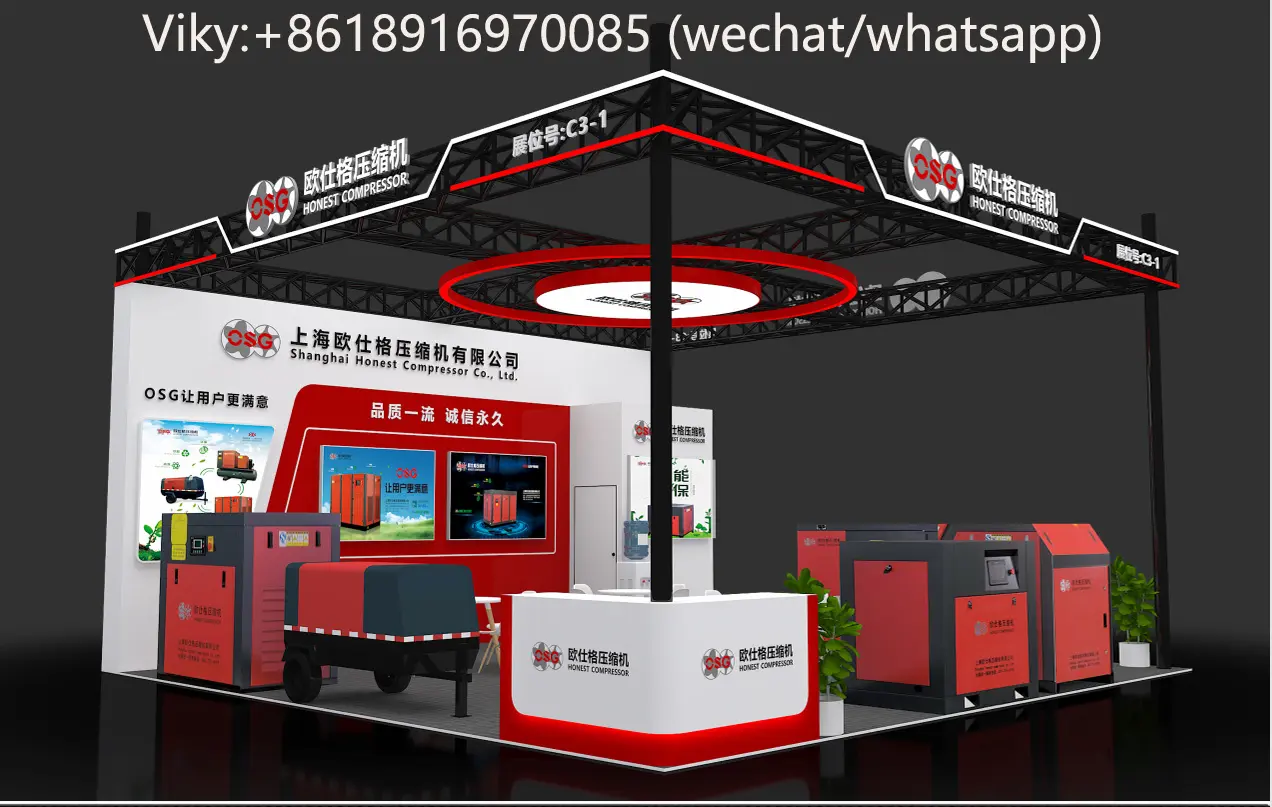
Our team regularly participates in international mechanical exhibitions and clean air symposiums. By showcasing our leading solutions in VSD oil-free screw blowers and advanced energy-saving desiccant dryers, we maintain deep technical alignment with global industrial standards and customer needs.
Explore our wide range of high-efficiency dryers, screw compressors, and vacuum systems designed to optimize your process energy consumption.
Direct technical answers from our senior application engineers on sizing, efficiency, and maintenance.
Under nominal operating flow and pressure conditions (approx. 0.7 MPa), our desiccant beds are designed with optimized fluid dynamics to maintain a clean pressure drop of less than 0.02 MPa (0.2 bar). This minimizing of restriction directly reduces the power demand placed on the upstream air compressor system, providing substantial secondary energy savings.
Osaka's coastal climate experiences high relative humidity during the summer. To compensate for elevated ambient moisture levels, we size the pre-cooler and desiccant towers using a worst-case ambient design condition of 38°C with 85% relative humidity. This ensures that the system maintains the targeted pressure dew point (PDP of -40°C or -70°C) without overloading the desiccant media or causing premature saturation of the downstream layers.
Under clean, oil-free operating conditions, our high-durability spherical desiccant media lasts between 3 to 5 years (approx. 12,000 to 20,000 operating hours). To prevent oil contamination from oil-flooded screw compressors, we strictly recommend installing a high-efficiency coalescing pre-filter (capable of filtering down to 0.01 micron and oil carryover to <0.01 mg/m³) ahead of the dryer inlet.
Instead of relying solely on dry compressed air expansion to sweep away moisture (as in heatless designs), our Micro-Heat series utilizes integrated low-wattage electrical heaters within the regeneration loop. This thermochemical heating reduces the volumetric air volume required to regenerate the desiccant bed to a mere 3% to 5% of the nominal capacity, making it the preferred choice for heavy continuous operations in Sakai and Higashiosaka factories.
Work directly with our engineering team to design custom adsorption dryers, integrated screw compressor systems, or optimized vacuum networks that align with JIS regulations and minimize your factory's utility expenses.
Send Inquiry Now