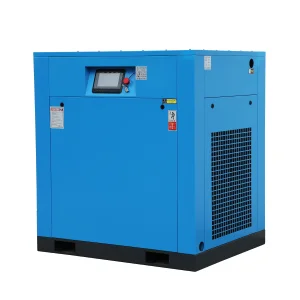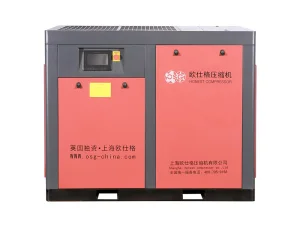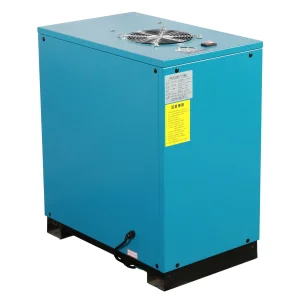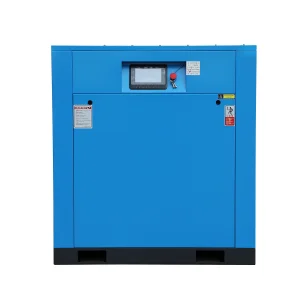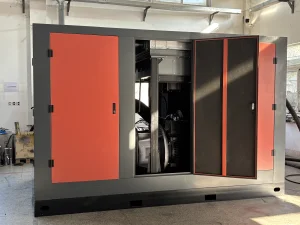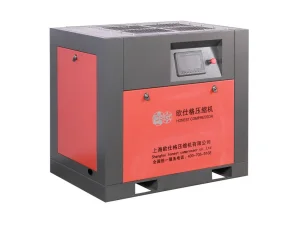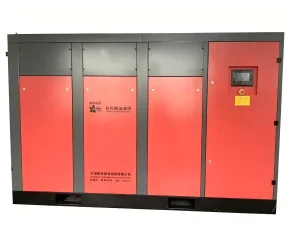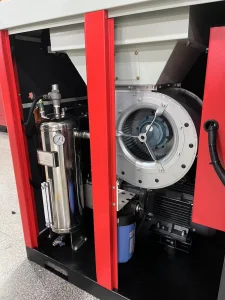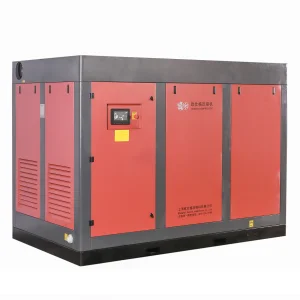
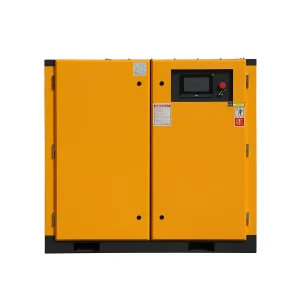
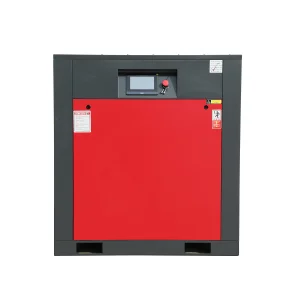
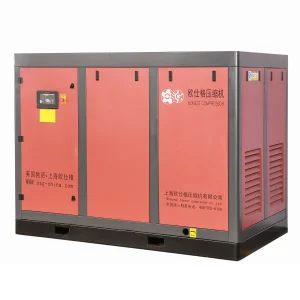
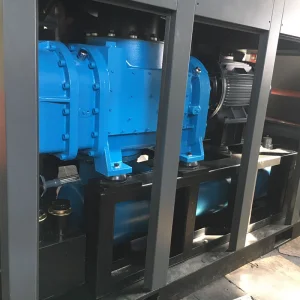
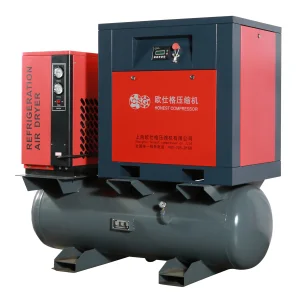
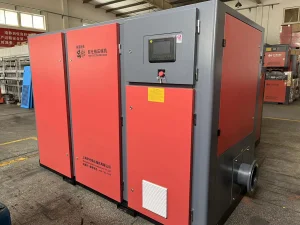
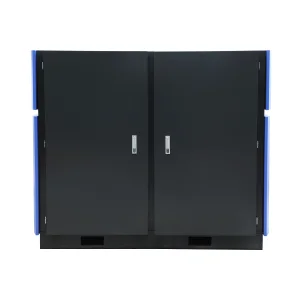
In the modern industrial ecosystem, the request for decentralized, modular, and high-efficiency compressed air systems has reached a critical inflection point. No longer are massive, power-hungry centralized compression plants the default choice for growing manufacturers. Instead, small industrial compressors—specifically those ranging from 7.5kW to 55kW—have emerged as the lifeblood of nimble production facilities, automated assembly plants, and precision technology centers.
Historically, small air systems were dominated by reciprocating piston machinery, which suffered from inherent inefficiencies, severe noise pollutions, and high maintenance overheads. The paradigm shift toward rotary screw architectures integrated with Permanent Magnet Variable Speed Drive (PM VSD) motors has redefined the thermodynamic benchmarks. Modern enterprises demand continuous-duty capabilities, zero-loss performance, and an footprint small enough to be integrated directly alongside the assembly line.
As manufacturing transitions toward highly localized, custom-tailored automation, the demand for integrated air systems—incorporating the compressor, refrigerated air dryers, multi-stage particle filtration, and air storage receivers on a single modular skid—has experienced double-digit year-on-year growth. This integration eliminates piping pressure drops, minimizes the engineering resources required for plant setup, and ensures immediate deployment capability.
Industrial purchasing officers face complex criteria when sourcing compression machinery. In a volatile macroeconomic landscape, sourcing decisions are no longer guided merely by initial capital expenditure (CAPEX). Today, savvy engineering teams calculate the Total Cost of Ownership (TCO) across a 10-year operating horizon.
Key factors dominating global procurement include:
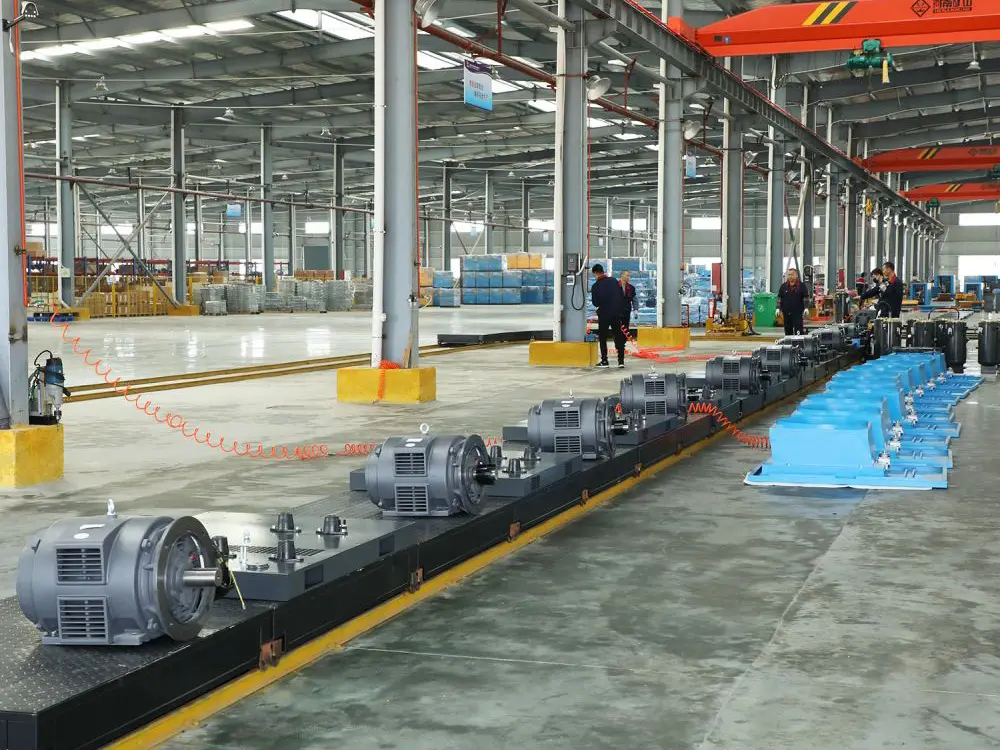
The global manufacturing center of gravity has evolved. Chinese compressor manufacturers have transitioned from basic assembly facilities into advanced research hubs utilizing Factory 4.0 methodologies. Industrial automation in Jiading, Shanghai, and neighboring industrial clusters highlights this technological shift.
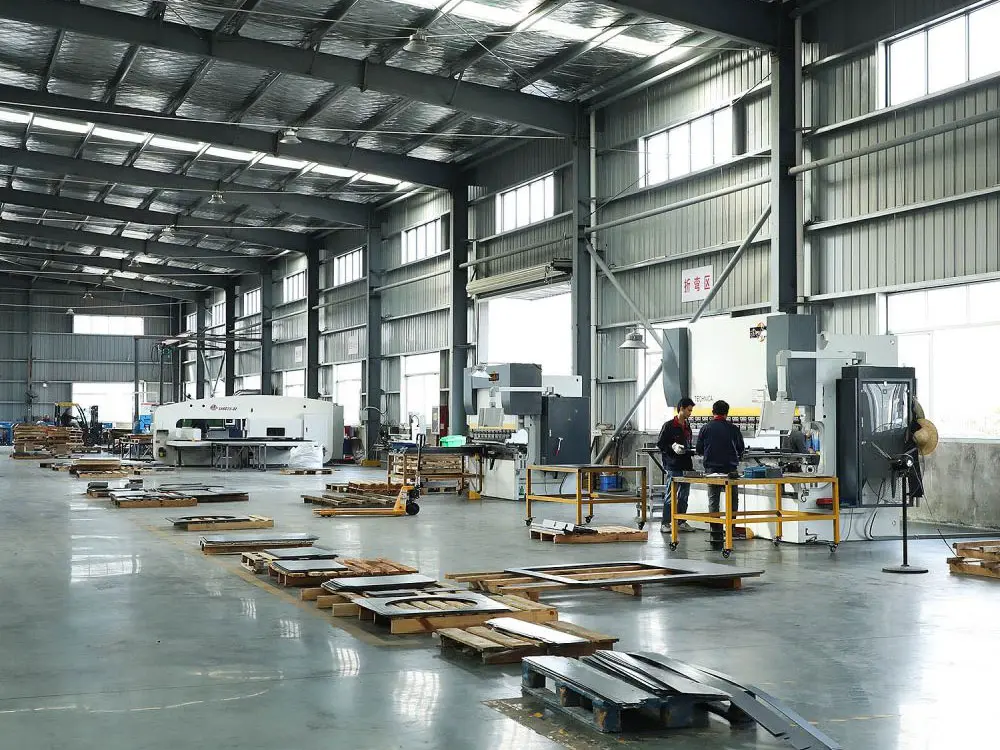
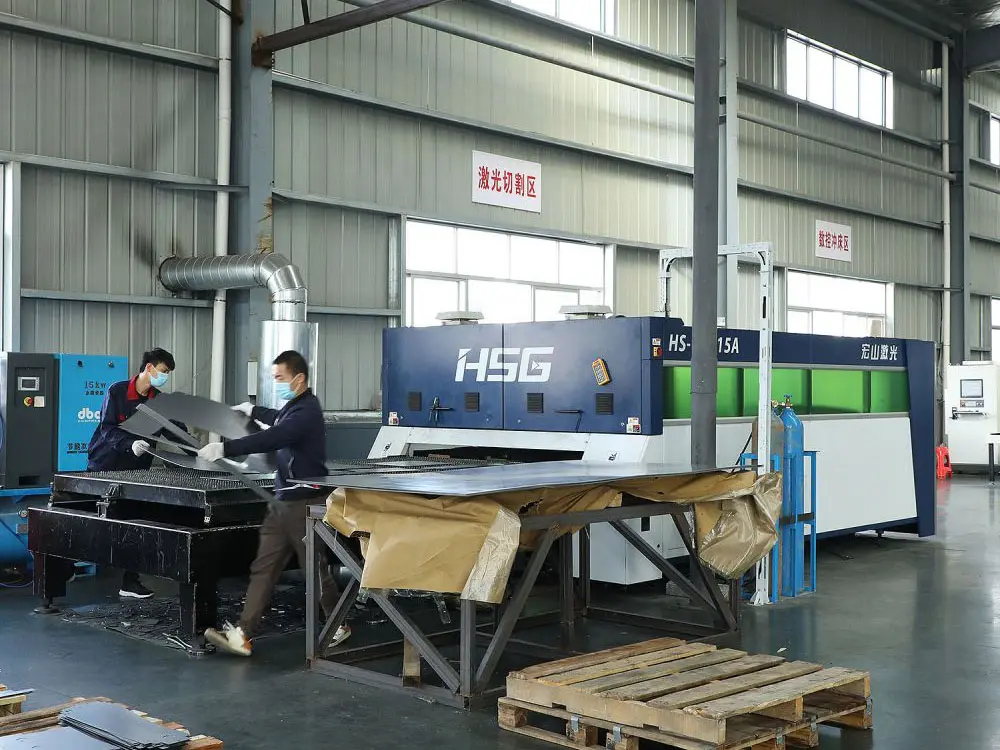
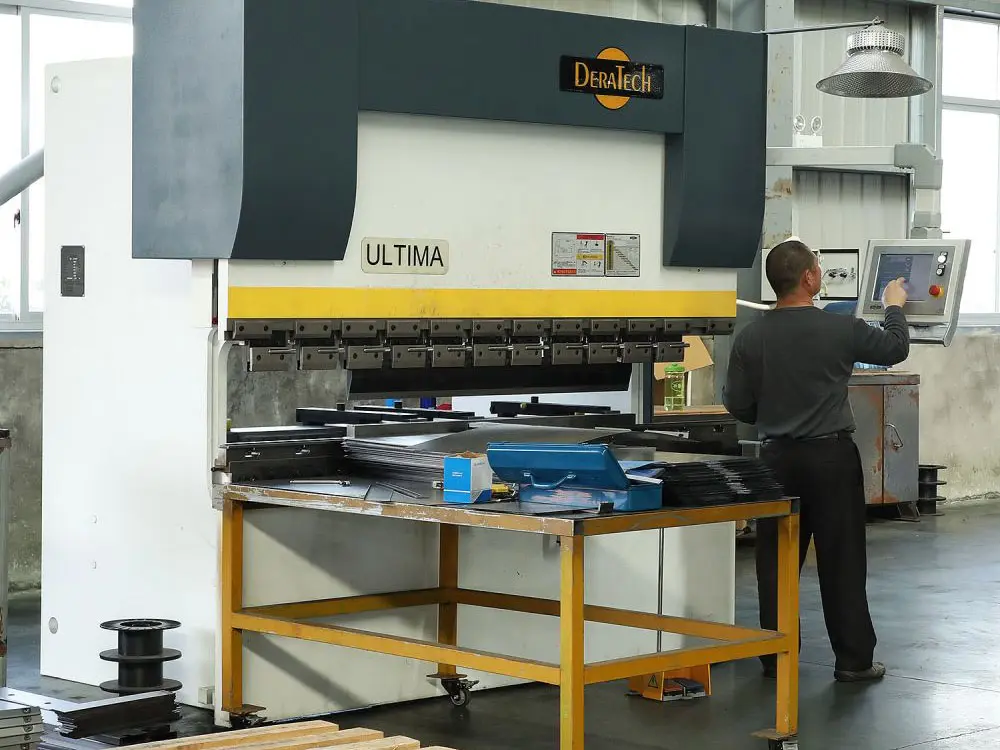
Through high-precision CNC rotor grinding machines, automated testing enclosures, and dynamic balancing stations, manufacturing tolerances are maintained down to the micron level. This precision directly translates to high volumetric efficiency, minimizing internal air slippage during the compression cycle.
Additionally, the integration of local raw material sourcing, direct foundry links, and component manufacturers allows Chinese factories to deliver robust machinery with short lead times. By consolidating motor assembly, inverter calibration, and pressure vessel fabrication within single manufacturing clusters, OEM and ODM projects achieve quick prototyping and product rollouts.
Understanding the thermodynamic engineering is key to selecting the right industrial air system. Two primary engineering pillars define modern air compression:
Traditional fixed-speed compressors operate on a load/unload cycle, consuming significant energy even when no air is required. PM VSD systems utilize permanent magnets embedded in the motor rotor (offering IE4 or IE5 super-premium efficiency) controlled by high-speed variable frequency inverters. The system matches motor speed precisely to fluctuating air demand. When demand drops, speed declines; when demand hits zero, the system pauses, eliminating unload energy waste and reducing starting current spikes.
In higher-capacity requirements (such as 55kW to 315kW platforms), compressing air in a single stage generates significant thermal energy, which reduces air density and volumetric efficiency. Two-stage compression divides the process: air is compressed to an intermediate pressure, cooled via inter-stage oil injection, and then compressed to final discharge pressure. This reduces the compression ratio per stage, decreases internal leakage, and saves up to 15% energy compared to single-stage units.
| Technology Type | Energy Savings | Key Applications | Ideal Duty Cycle |
|---|---|---|---|
| Fixed Speed Screw | Baseline | Continuous steady-state processes | 90% - 100% Load |
| PM VSD Single-Stage | Up to 30% | Variable demand assembly, paint booths | 30% - 90% Fluctuating |
| PM VSD Two-Stage | Up to 45% | Heavy fabrication, continuous packaging lines | 24/7 High Demand |
Compressed air is often called the "fourth utility." Its applications vary across industries, each requiring specific configurations:
Shanghai Honest Compressor Co., Ltd. is a British-owned enterprise established in early 2004.
Our manufacturing facility is located at NO. 355 Jiajian Branch Road, Malu Town, Jiading District, Shanghai, China.
We specialize in twin-screw air compressor manufacturing and air system solutions, supplying equipment to international brands.
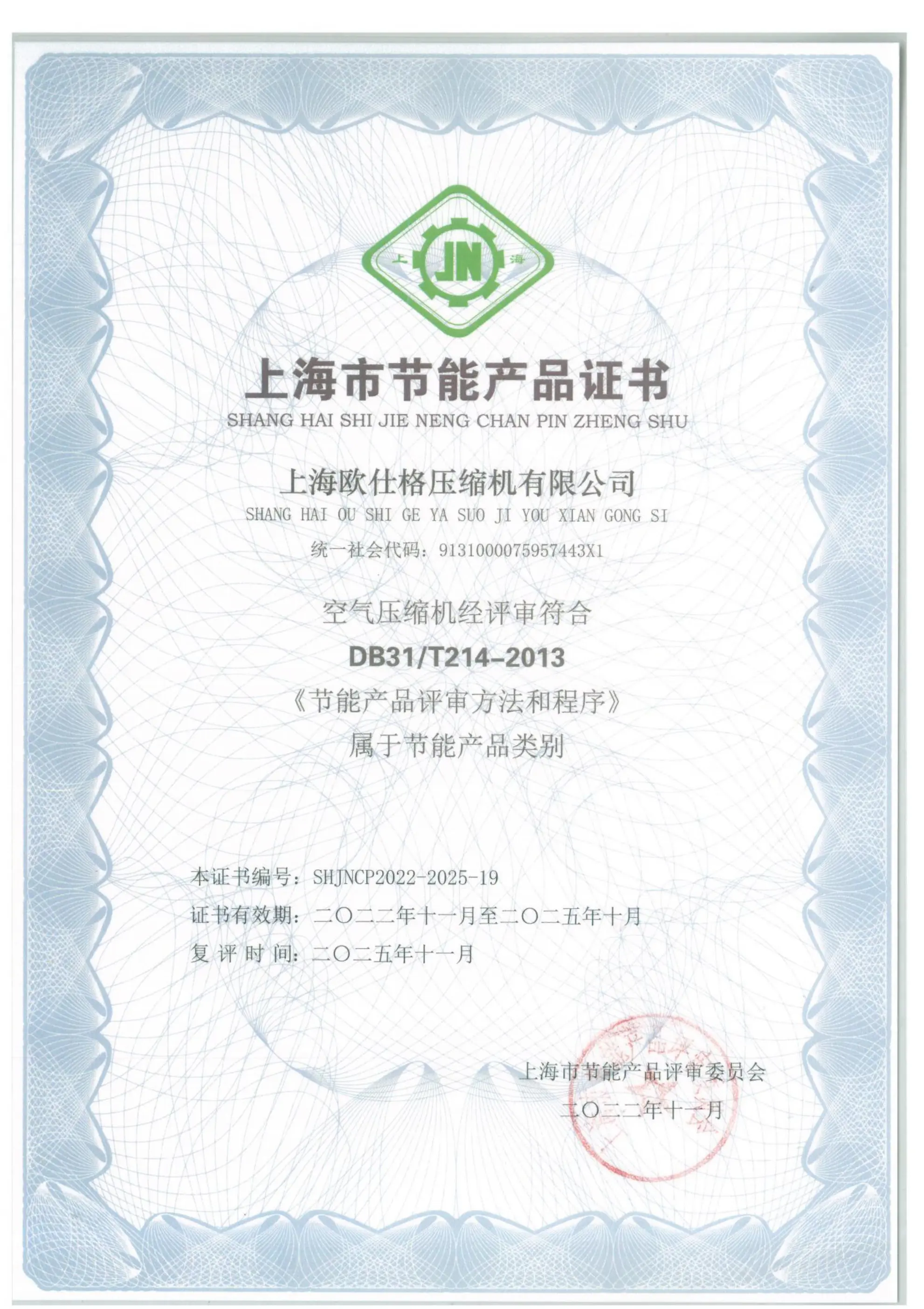
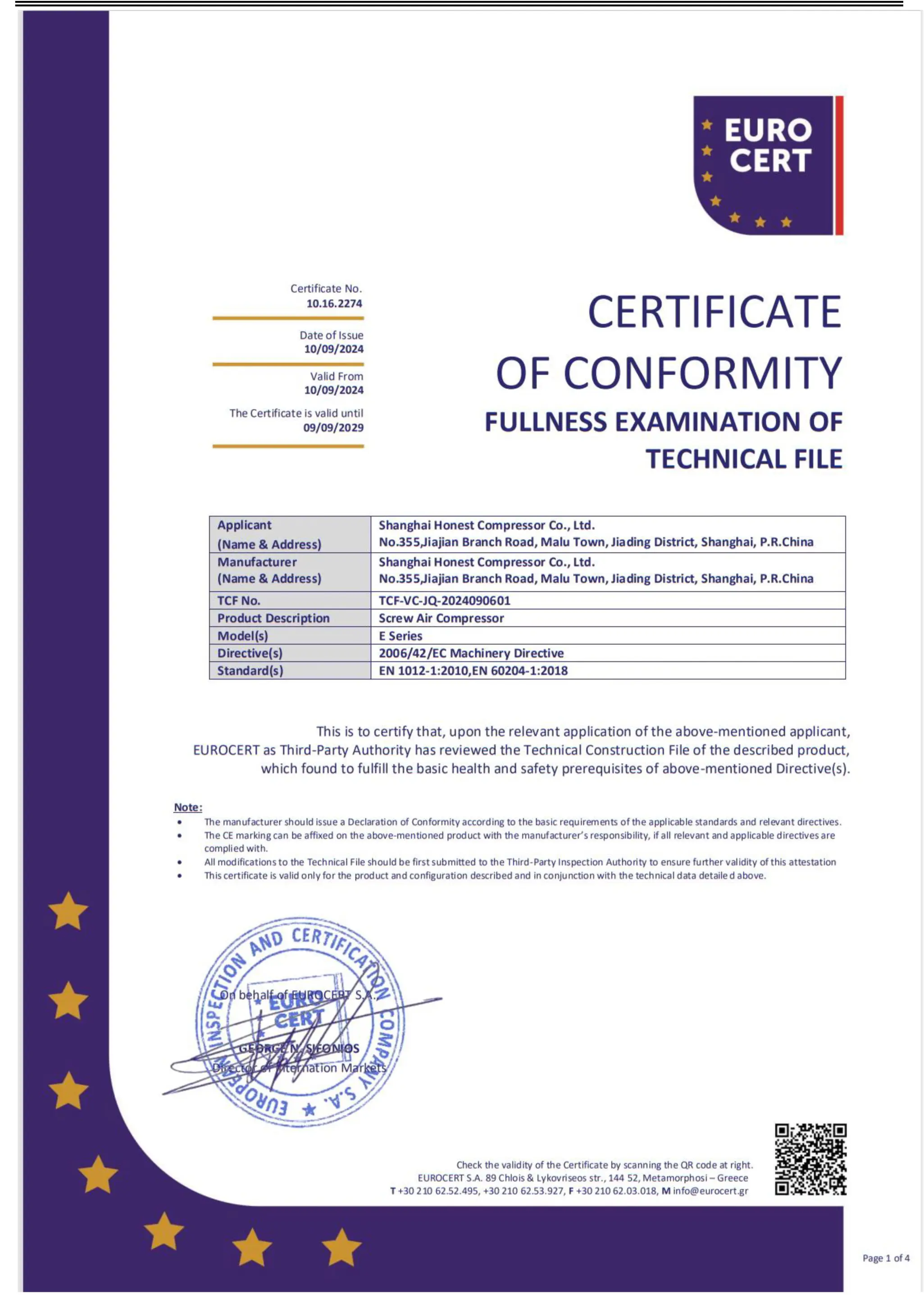
All systems are certified under CE and ISO standards. Units undergo a multi-hour running test under full load conditions before leaving our Shanghai facility, ensuring reliable operation upon installation.
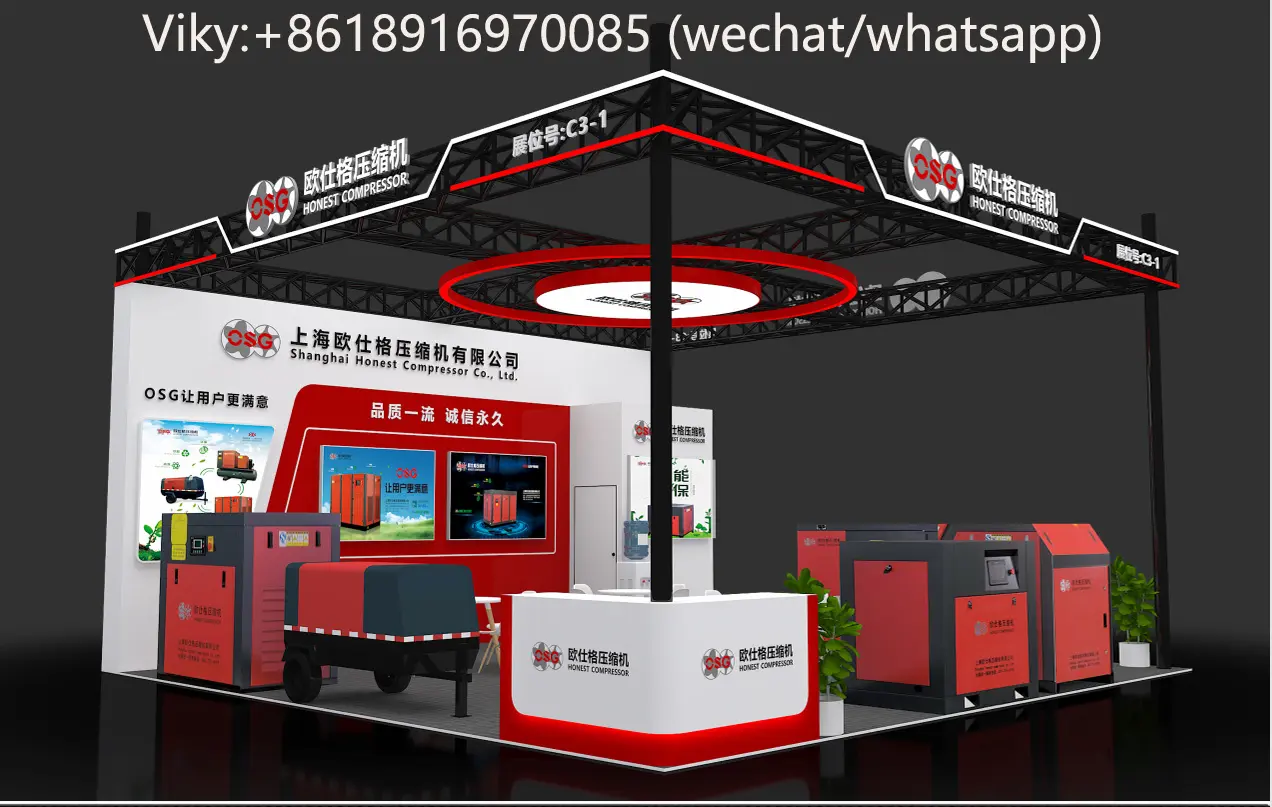
Participating in international trade shows, showcasing our energy-saving technology and dry vacuum pump platforms globally.