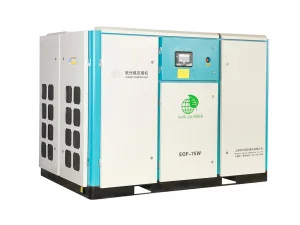

A specification-driven supply partner for oil-free, oil-injected, PM VSD, two-stage, laser-cutting and vacuum-pump packages — with export documentation, local configuration logic, and lifecycle support for global B2B buyers.
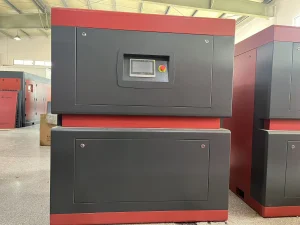
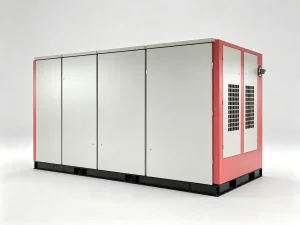
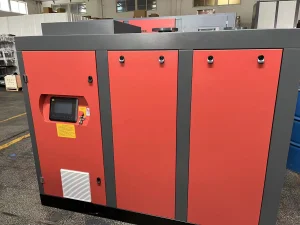
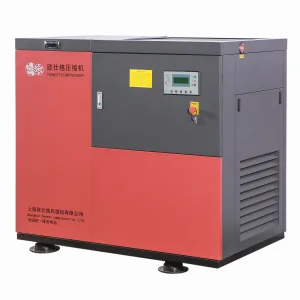
Eight standard platform products for buyers who need a clear starting point before quotation. Each product link leads to the original specification page so that engineering, procurement, and after-sales teams can review the same configuration scope without losing the product context.
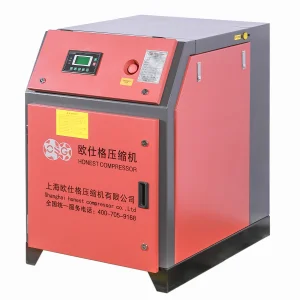
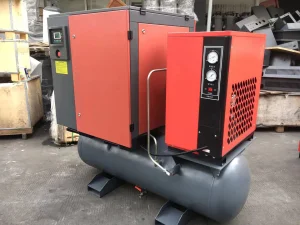
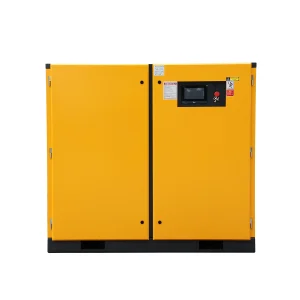
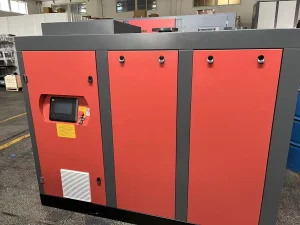
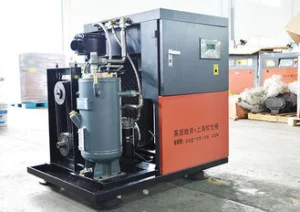
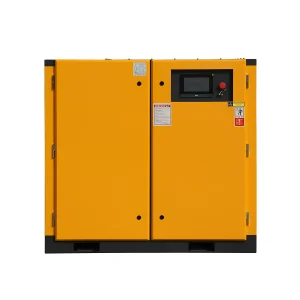
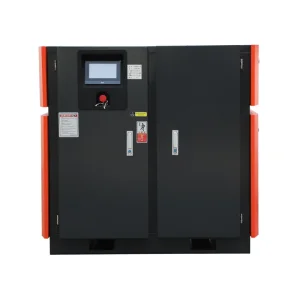
An ODM air compressor is not simply a catalogue machine with a different nameplate. In serious industrial procurement, ODM means a controlled product platform, a documented configuration baseline, and a repeatable route from the buyer’s process requirement to a tested, export-ready compressed air system.
Traditional product copy often lists power, pressure, and price. A project buyer needs more. They need to know how the compressor will behave at high ambient temperature, how much energy it will use at partial load, what documentation will arrive with the shipment, how the controller will integrate with plant maintenance routines, and which spare-parts kit should be stocked in the first year. This is where an engineering-led ODM standard industrial air compressor supplier creates information gain: it turns a generic specification into a traceable configuration that can be quoted, inspected, installed, and serviced.
At Honest Compressor, the platform covers the product families that international buyers most often request: oil-injected rotary screw compressors, dry-type oil-free screw compressors, permanent-magnet VSD packages, fixed-speed units, two-stage compression, scroll compressors, screw vacuum pumps, refrigerated air dryers, filters, and integrated packages. The company’s stated manufacturing range includes 3 kW to 480 kW screw air compressor systems, plus special-pressure packages for laser cutting at 15.5 bar and 20 bar. That breadth is useful because a buyer can keep one technical language across multiple projects, even when the final operating conditions differ.
The most valuable procurement information is not another list of model numbers. It is a clear explanation of how a standard platform becomes a local configuration: load profile, required pressure and flow, air quality class, ambient conditions, electrical supply, control integration, noise limits, documentation requirements, and service concept. Once those inputs are fixed, the supplier can propose a combination of compressor, dryer, filter, receiver, controller, and optional monitoring or heat-recovery features.
A well-run ODM program protects the buyer from hidden variance. Drawings, bill of materials, firmware settings, test parameters, and nameplate data should refer to the same approved configuration.
Start from a proven base platform, then localize the electrical, control, air-quality, and enclosure details for the project. This reduces engineering risk while keeping the product familiar to service teams.
For ODM buyers, consistency matters. Approved drawings, component brands, controller settings, and test criteria should be version-controlled and tied to the purchase order.
Performance claims need supporting evidence. The supplier should define inspection points, test routines, pressure-holding checks, electrical checks, and the final documentation package.
A commercial proposal becomes more reliable when it identifies wear parts, recommended first-year spares, consumables, and critical components by model and market destination.
Local support does not mean sending an English manual in a box. For an industrial air compressor, localization begins before quotation and continues through commissioning, maintenance, and spare-parts planning.
Compliance is not one badge on a brochure. It is an evidence chain that connects the model, the destination market, the installation environment, and the buyer’s air-quality requirement. A credible ODM supplier should explain which part of the scope is standardized, which part is project-specific, and which part must be verified by the buyer’s local engineer or authority.
Industrial power is not universal. Projects may require 380V/50Hz, 400V/50Hz, 415V/50Hz, 440V/60Hz, 460V/60Hz, or other local arrangements. Localization also includes protection class, phase sequence, control voltage, ambient temperature, altitude, dust, humidity, and ventilation conditions. For high-ambient or humid regions, the configuration logic and maintenance guidance should be discussed openly instead of assuming a standard catalogue unit will perform identically.
Oil-free compressors are often selected for food, beverage, pharmaceutical, electronics, and other sensitive processes. The compressor alone is not the full air-quality solution: dryer type, filter class, condensate treatment, piping cleanliness, and dew-point requirements all matter. Reference to ISO 8573-1 air-quality classes helps align the compressor package with the actual process risk and inspection standard.
Export documentation should be agreed before shipment. A typical package can include general arrangement drawings, electrical schematics, I/O lists, bills of material, test reports, nameplate data, operation and maintenance manuals, spare-parts lists, packing lists, and export documents. Where ISO, CE, or other third-party verification is required, the exact model scope and destination-market requirements must be confirmed in the contract.
The buyer’s maintenance team should know how to inspect the unit, interpret alarms, record operating data, and plan preventive maintenance. Commissioning checklists, controller-parameter records, training materials, and remote troubleshooting protocols reduce the risk of avoidable downtime after installation.
A localized support plan should identify the recommended consumables and critical spare parts for the first operating period. Training can cover daily checks, filter replacement, oil-free dry-type maintenance, cooler cleaning, dryer servicing, and controller-level diagnostics. The exact service-level arrangement can be aligned with distributors or the buyer’s local engineering team.
North American, European, Middle Eastern, Southeast Asian, and Latin American projects often have different electrical conventions, air-quality expectations, documentation habits, and service models. A practical ODM supplier should ask destination-specific questions early, rather than discovering them during final inspection or customs clearance.
Shanghai Honest Compressor Co., Ltd. is described as a British-owned enterprise founded in early 2004, with production at NO. 355 Jiajian Branch Road, Malu Town, Jiading District, Shanghai, China. The location is not merely a label; it sits inside one of China’s densest manufacturing and logistics regions.
Shanghai and the surrounding Yangtze River Delta region provide access to motors, inverters, controllers, valves, filters, castings, machined parts, and packaging suppliers. For ODM programs, this depth helps shorten engineering-to-production cycles and supports the selection of components that can be serviced in the destination market.
A competitive factory must be able to trace the approved configuration from quotation to shipment. That means matching the serial number, motor data, controller version, pressure rating, test record, and packing list. Traceability is especially important for repeat ODM orders where the buyer expects identical service interfaces and spare-parts compatibility.
The stated product range covers small 7.5 kW and 10 HP packages, medium-capacity 55 kW to 90 kW screw compressors, 110 kW to 315 kW two-stage high-power units, and large 280 kW oil-free models, up to a broad 3 kW–480 kW screw system scope. This range helps distributors and project buyers consolidate multiple applications under one qualified supply source.
A factory that already produces multiple compressor architectures can combine mature components into project-specific packages: four-in-one systems, integrated dryer-filter configurations, special-pressure laser-cutting units, PM VSD controllers, vacuum-pump variants, and oil-free dry-type packages. The aim is not to reinvent every unit, but to reuse tested platforms intelligently.
Long-distance shipments require more than a wooden crate. Export-ready packaging should protect panels, coolers, controllers, and piping from vibration and moisture. A practical supplier aligns packing method, lifting points, container loading, and documentation with the buyer’s receiving conditions and installation schedule.
The supply-chain advantage is not simply a low purchase price. It is the ability to balance initial cost, energy performance, serviceability, spare-parts availability, and documentation quality. For global buyers, a slightly higher first cost can be justified by lower lifecycle risk and fewer site surprises.
Cross-border buyers have different goals from local buyers. They must manage investment, technical risk, spare-parts exposure, and uptime across markets. The cheapest quotation can become expensive if the controller cannot be serviced, the drawings are incomplete, or the spare-parts list is not standardized.
Energy, maintenance, downtime, and spare parts can dominate the cost of ownership. Buyers should compare fixed speed, PM VSD, and two-stage options using a realistic load profile rather than a single full-load nameplate value.
Repeat orders require stable component choices and consistent documentation. A supplier that changes key components without notice creates maintenance and inventory problems for distributors and factory operators.
Modern compressors may need to fit into plant monitoring, SCADA, or energy-management systems. Controller language, communication interfaces, alarm logic, and remote-monitoring options should be clarified before order release.
Different markets ask for different technical files and conformity evidence. The buyer and supplier should agree on the applicable standards, test reports, pressure-system responsibilities, electrical requirements, and air-quality class before shipment.
Local service can be supported through documentation, remote diagnostics, distributor training, and recommended spare-parts stocking. The practical question is not only “Who answers the phone?” but “Which part can be replaced, with which tool, under which maintenance window?”
Many enterprises now require energy data, noise information, material packaging details, and maintenance schedules for internal reporting. A clear data package helps procurement defend the decision to finance, operations, and sustainability teams.
The direction of the market is clear: buyers want a smaller equipment footprint, better partial-load behavior, clearer documentation, and more useful operating data. The compressor is becoming a connected subsystem rather than an isolated machine.
Permanent-magnet variable-frequency drives are increasingly specified where demand fluctuates. The value depends on the load profile, control strategy, motor design, and system pressure management. For many factories, reducing pressure and eliminating leaks can be as important as changing compressor technology.
Two-stage compression is used to improve efficiency and stability in higher-power applications. Buyers should evaluate the claimed benefit against actual duty cycles, maintenance requirements, and the delivered total package rather than comparing a single headline number.
Oil-free dry-type screw compressors continue to grow in sensitive manufacturing processes. The decision should include air treatment, dew point, monitoring, and service competence, because clean compressed air is a system result, not only a compressor feature.
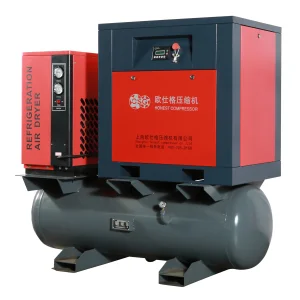
Four-in-one compressors, combined dryer-filter packages, and compact skid designs reduce site labor and footprint. They are attractive when the buyer values predictable installation, but maintenance access and component quality must still be checked.
Digital controllers can log pressure, temperature, current, alarms, and running hours. The practical benefit appears when this data drives maintenance planning and energy review. Buyers should define which signals are useful and who will act on them.
Compressed-air systems generate heat that may be recovered for water heating or space heating. As energy reporting becomes more common, suppliers that can explain heat-recovery options and operating data will have a stronger technical position.
The same standard platform may be used in very different local environments. The correct specification connects the process requirement to the way the equipment will actually be installed, maintained, and loaded.
Laser cutting often requires stable high pressure, clean air, and reliable drying. The product range includes 15.5 bar and 20 bar special-pressure screw compressors for laser cutting. A practical package should consider flow demand, pressure stability, filtration, dew point, and receiver capacity.
Oil-free dry-type compressors, refrigerated dryers, and filtration stages are selected to protect sensitive processes. The buyer should define the air-quality class, validation expectations, maintenance records, and cleaning requirements.
Low noise, stable pressure, and dry air support electronics assembly, testing, and packaging. In humid climates, dryer performance and condensate management deserve early attention.
Automotive plants often use compressed air for tools, painting, robotics, and testing. PM VSD and two-stage options can be considered where demand varies strongly. Local energy reporting may also require data logging and clear documentation.
Reliability, serviceability, and dust resistance matter in high-duty general manufacturing. A fixed-speed or PM VSD rotary screw compressor with appropriate filtration, dryer, and maintenance plan is often the practical baseline.
Screw vacuum pumps and gas-separation equipment are part of the broader compressed-air ecosystem. When vacuum and compressed air are purchased together, buyers can reduce interface risk and align control, documentation, and after-sales support.
Use data to structure the decision, not to hide uncertainty. The weighting below is an illustrative procurement framework for discussion, not a performance guarantee. Actual site conditions, load profile, controls, air treatment, and maintenance quality will affect results.
For a global ODM project, purchase price is only one part of the evaluation. The weighting should reflect the risk of downtime, energy exposure, documentation gaps, and service-readiness issues.
The following equipment gallery preserves the original product range content, images, and links. It is presented as a technical portfolio so that buyers can compare fixed-speed, PM VSD, two-stage, oil-free, integrated, and vacuum-pump configurations in one view.
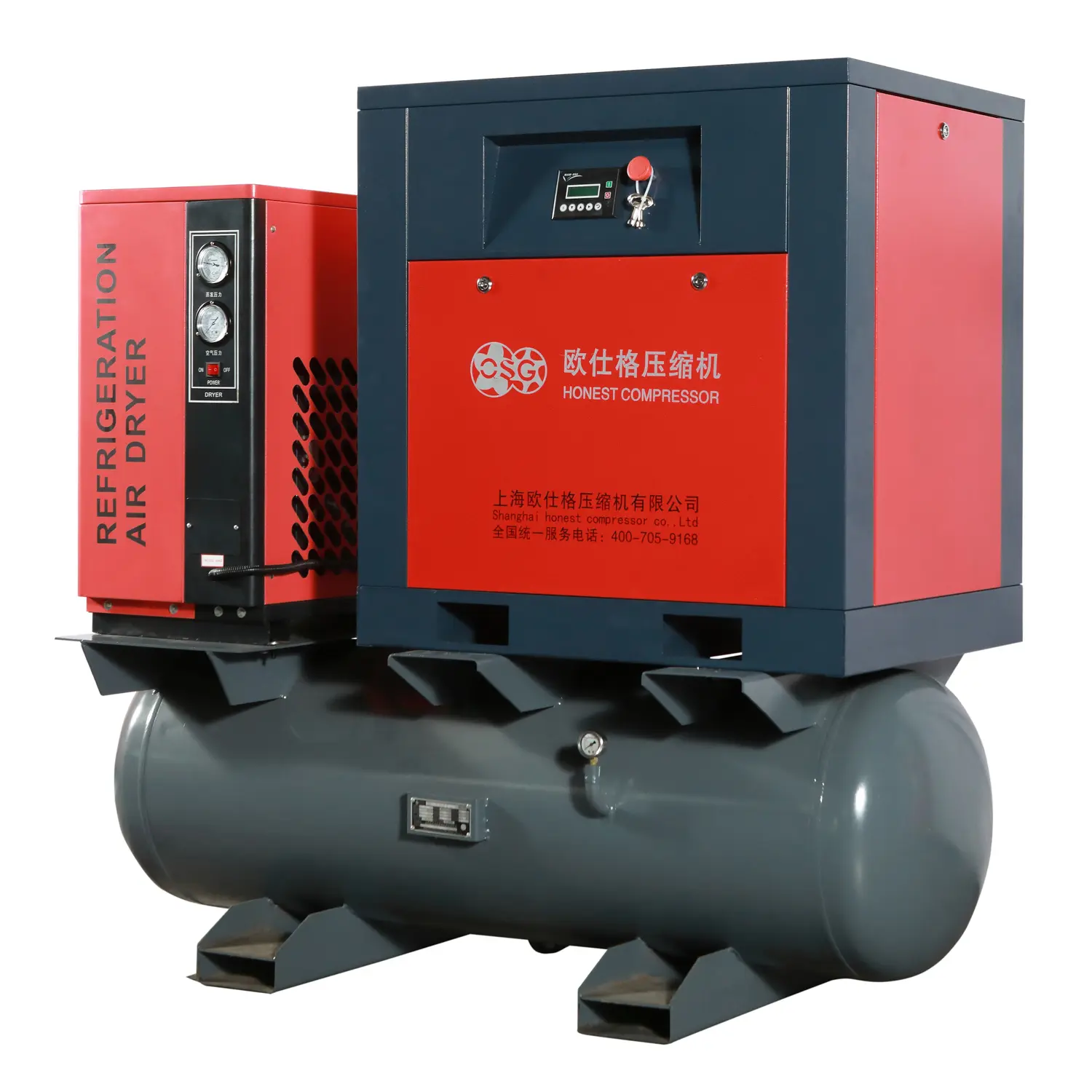
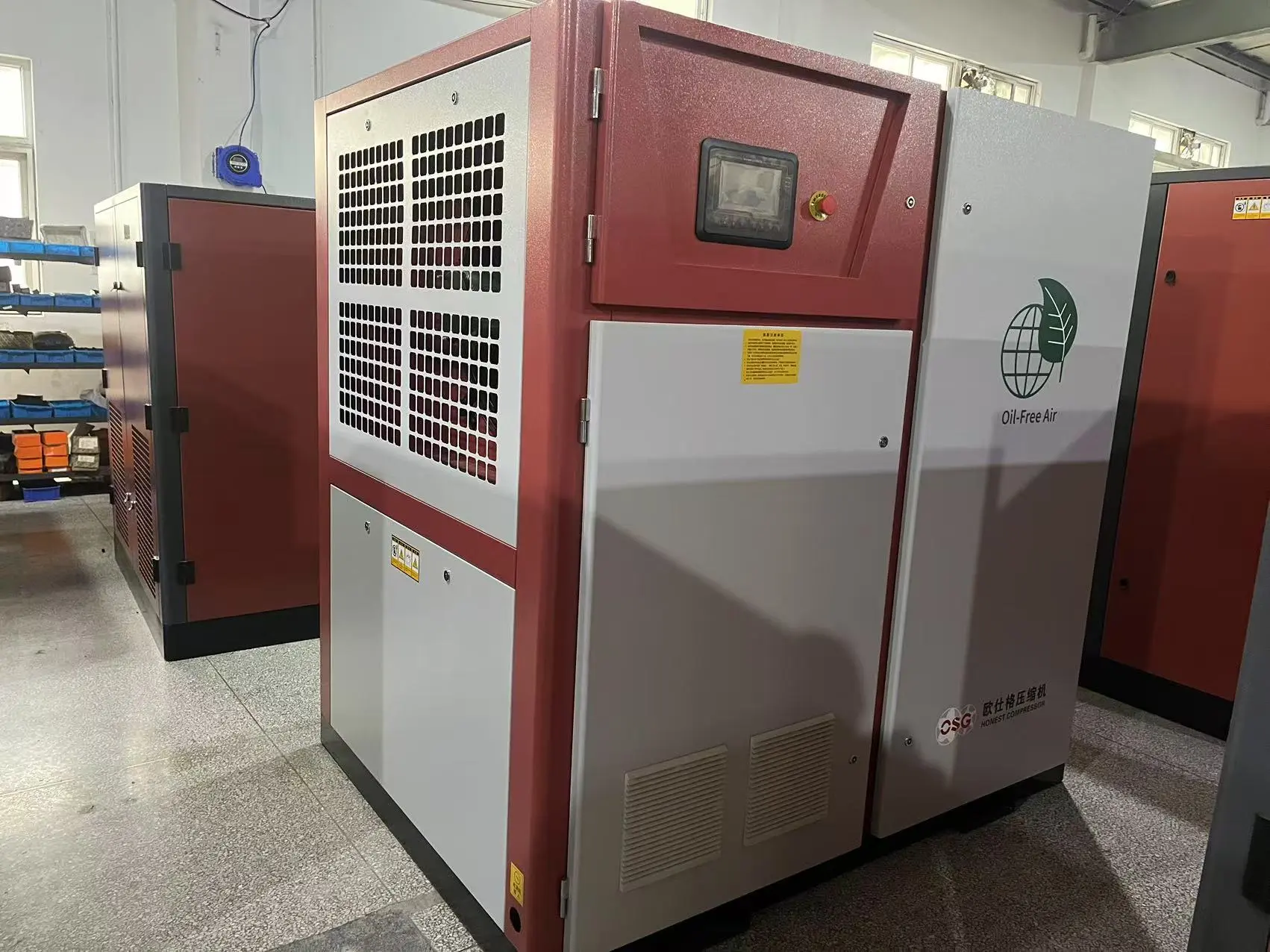
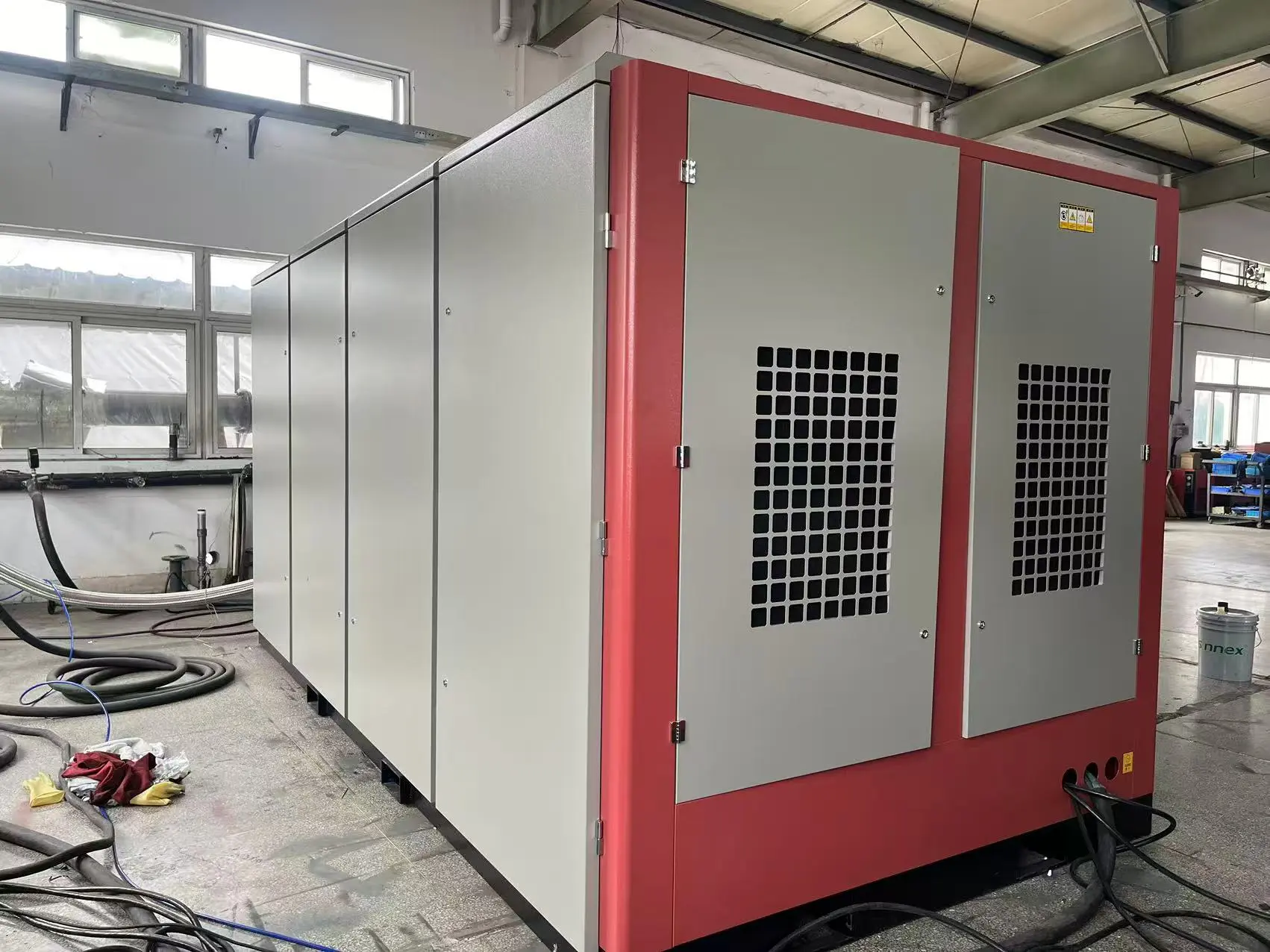
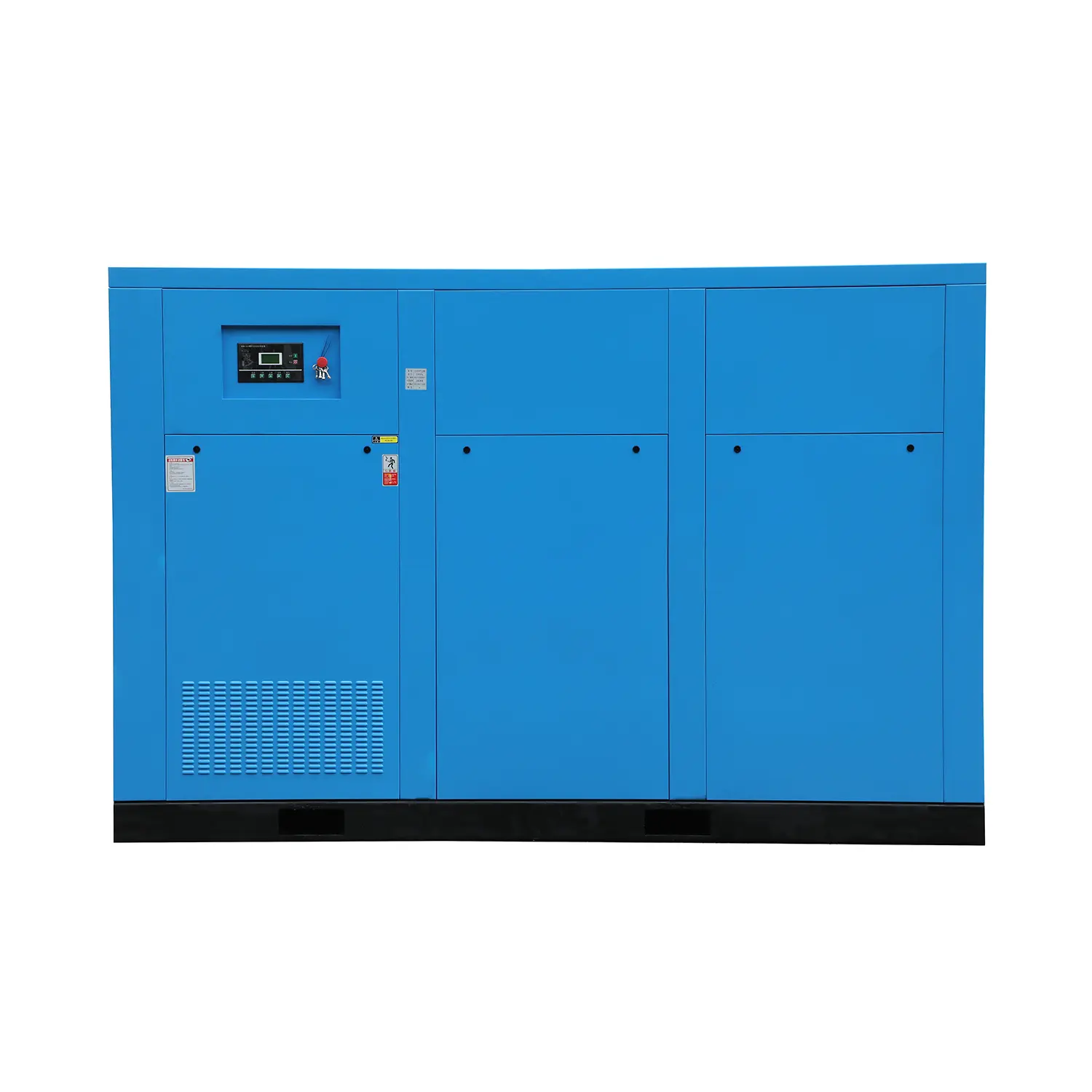
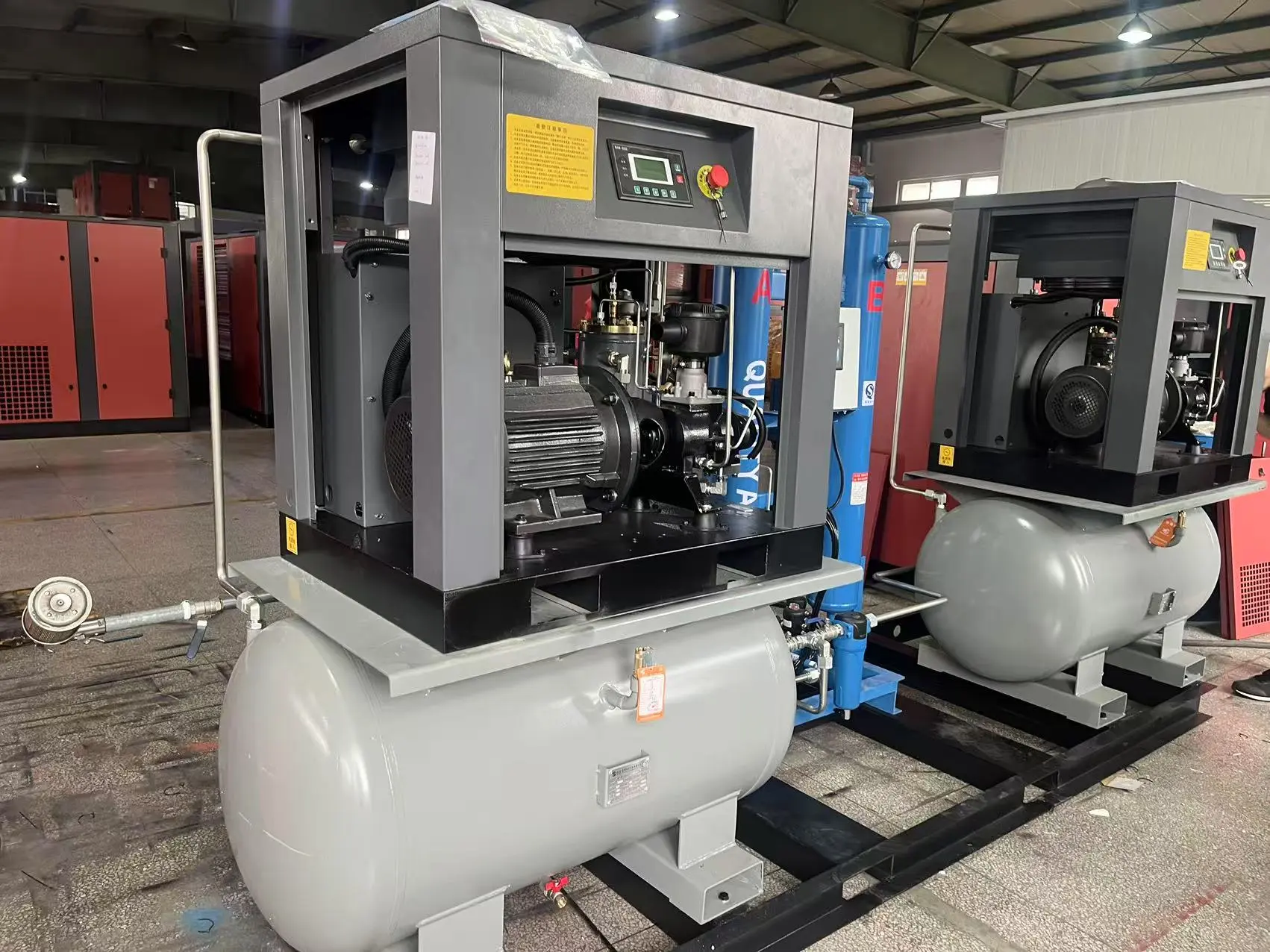
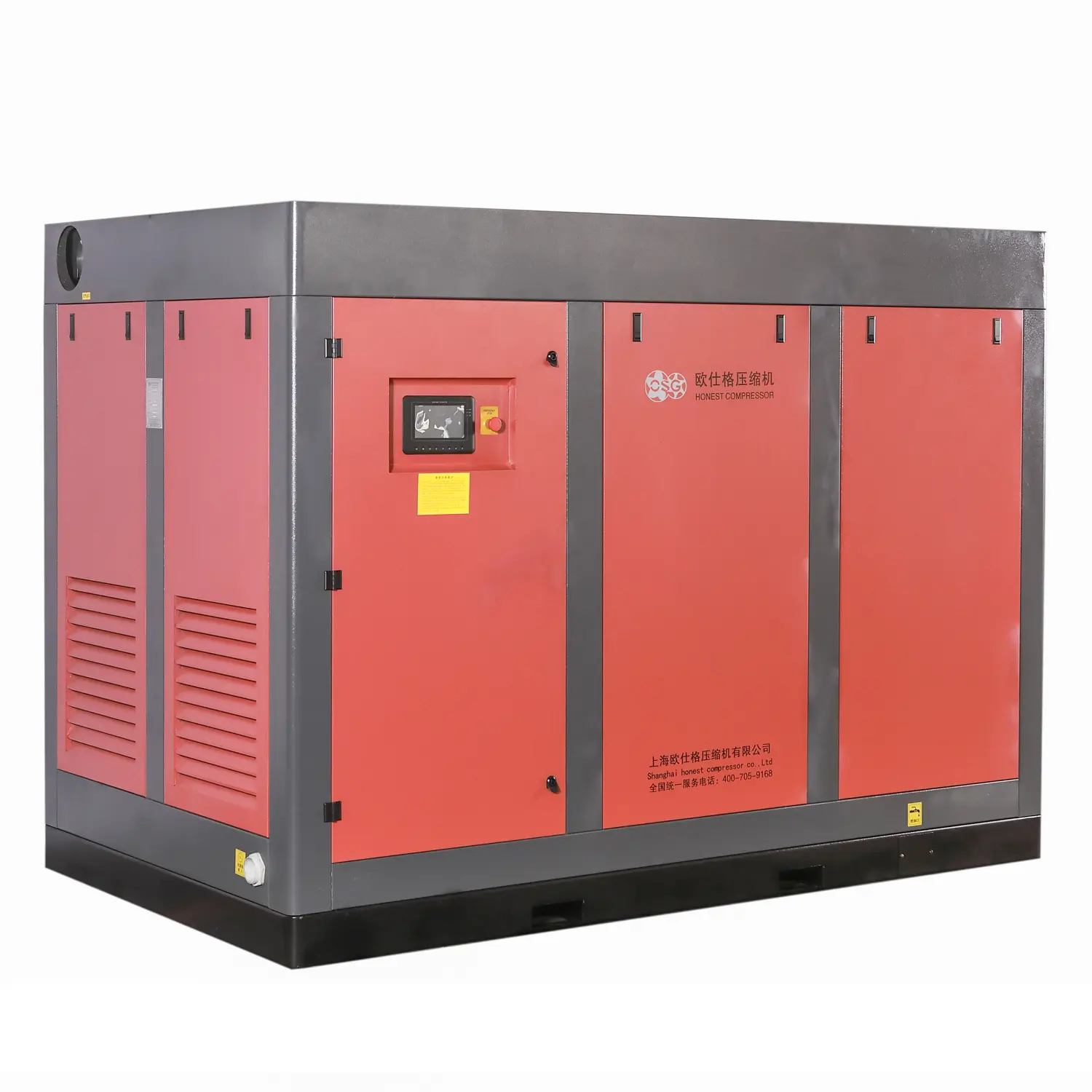
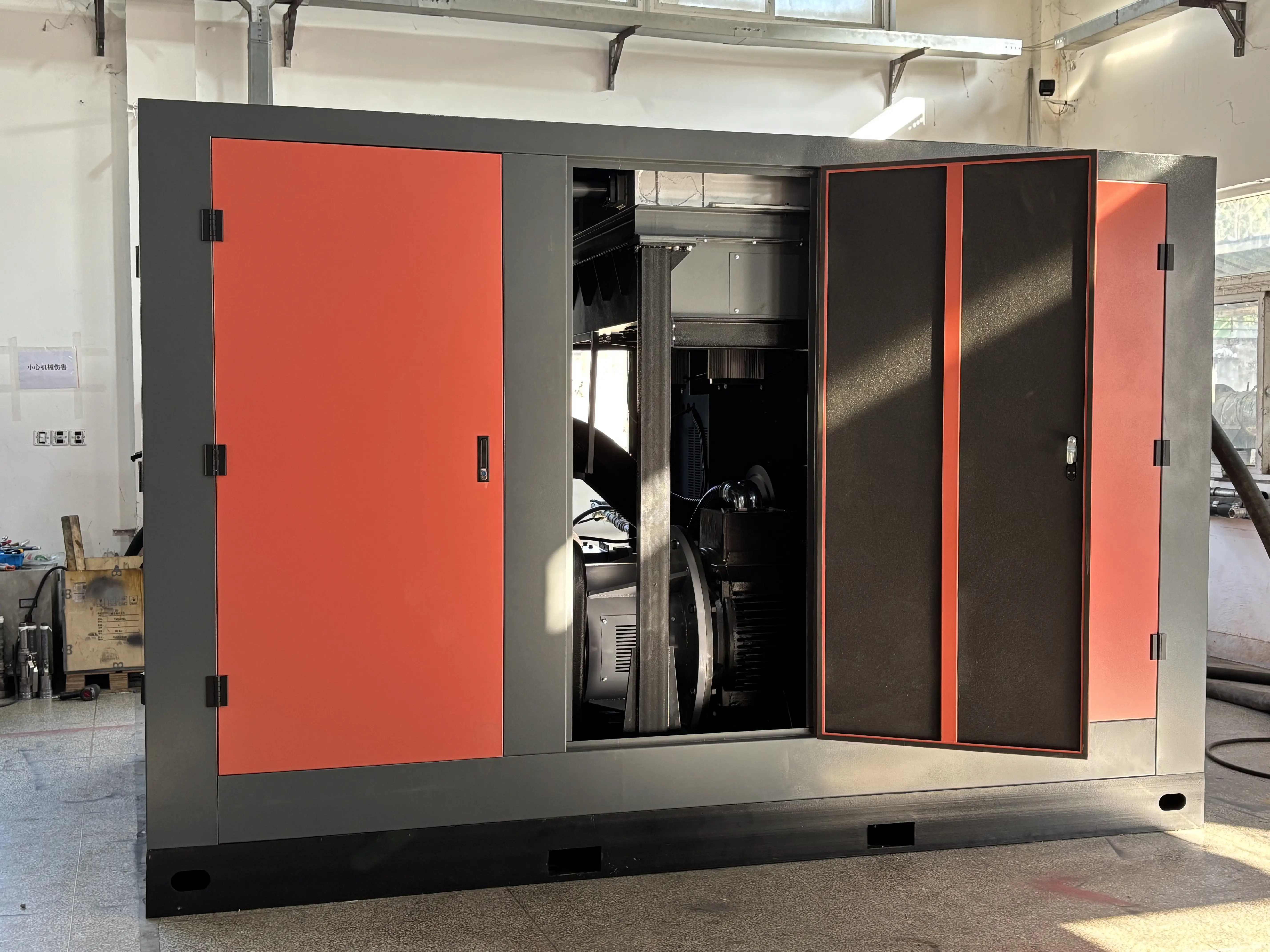
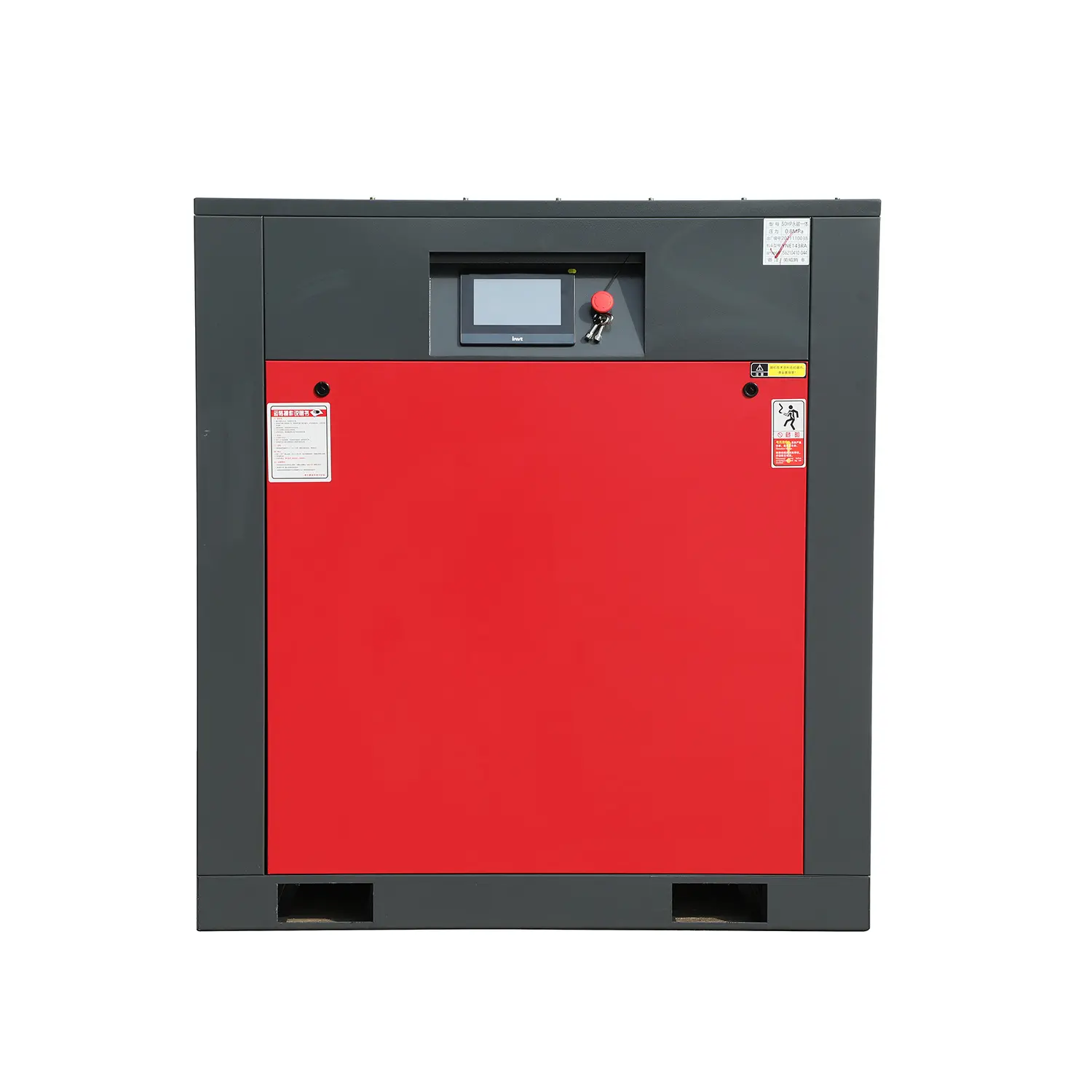
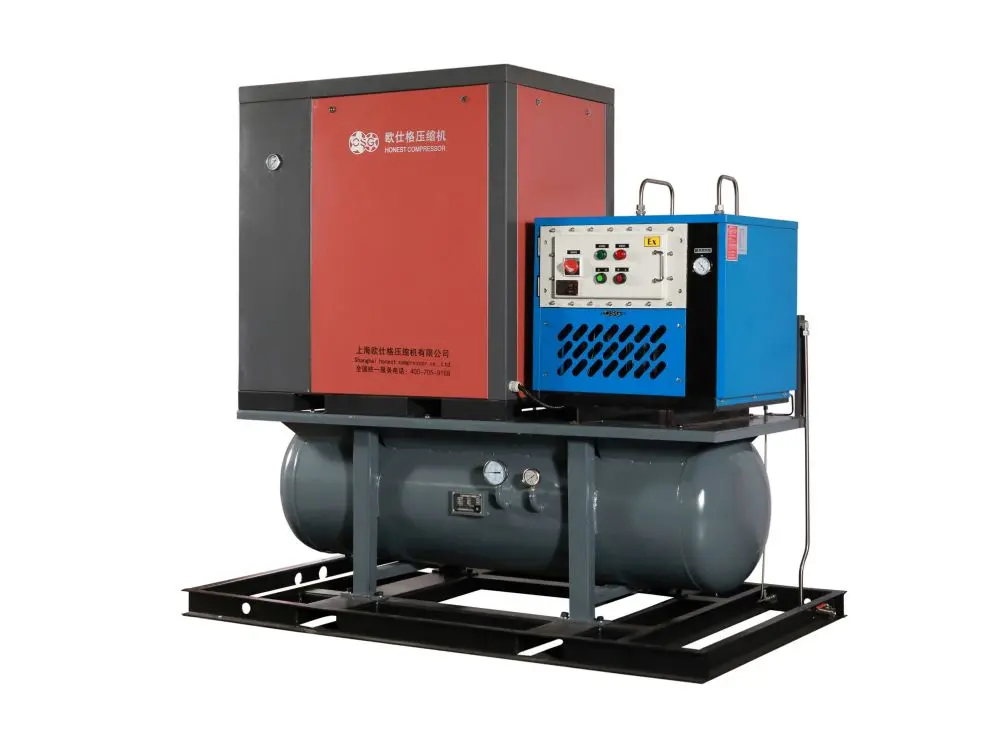
Integrated screw air compressor Integrated explosion-proof screw air compressor Factory wholesale low prices We do many OEM for international famous brand Energy-saving and ultra silent High quality accessories Warranty:1 year for whole machine Certification:ISO,CE,etc. Professional online consultant to solve your question about compressor system. Free site design consultant, and energy saving solution to help you save operation cost. Negotiable technical available to service machinery over...
See more products >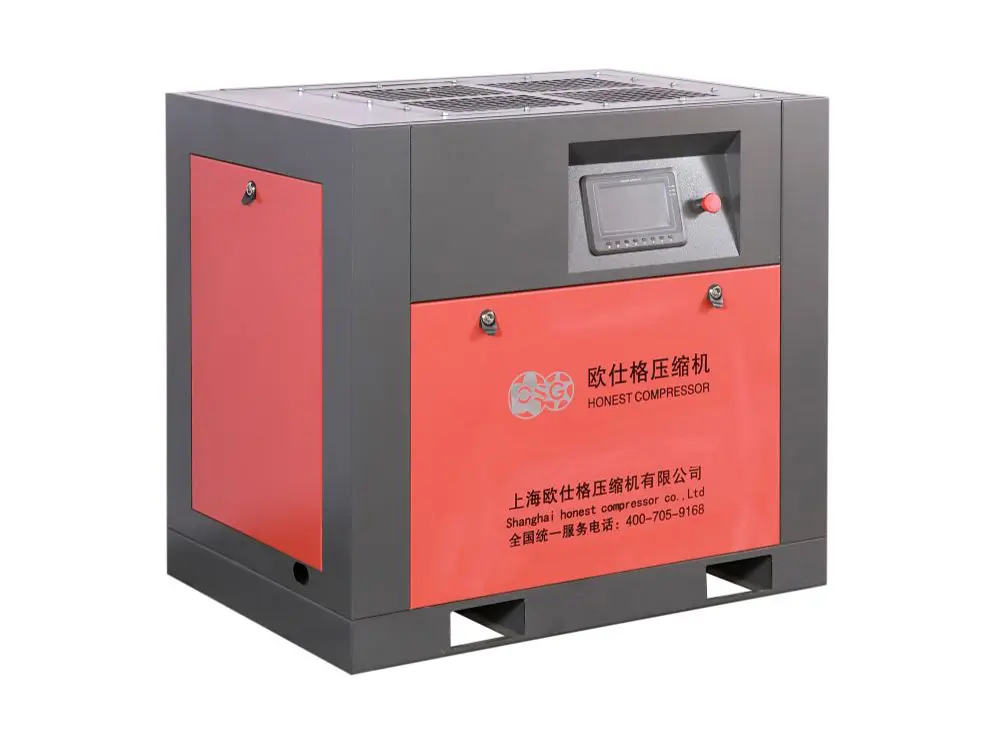
Model XD-8A Free air delivery 0.8-1.2m3/min Working pressure 7~12bar Control automatic PLC controller Driven direct driven, elastic coupling Starting star triangle start Cooling by air Electric motor 380v/50hz/3ph,IP55 Discharge temperature less than ambient +8 ℃ Noise less than 63dB(A) Air outlet size G1/2” Dimension 850*670*870mm Weight 178kg The screw compressor is a volumetric gas compression machine whose working volume makes a rotary motion. The compression...
See more products >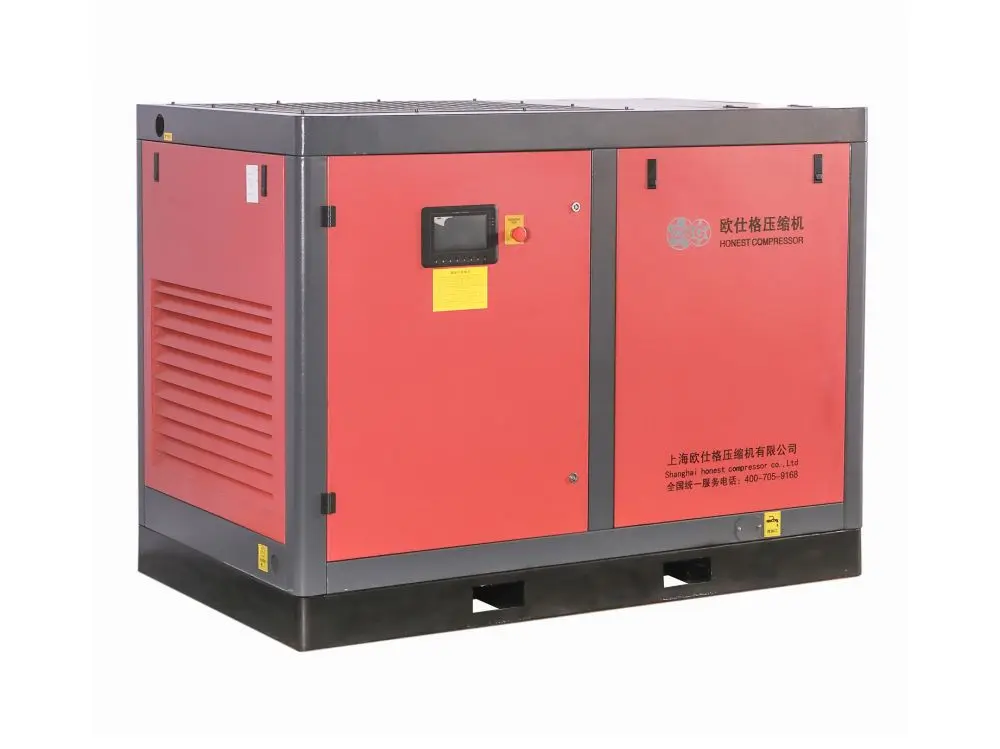
The two-stage compression oil injection screw air compressor has a reasonable equal pressure ratio, ultra-small leakage, and ultra-low noise host design. It combines the first-stage compression rotor and the second-stage compression rotor in one casing, and directly drives them respectively through the front gear, so that each stage of the rotor can obtain the best line speed matching the gas production during operation, and at the same time, the reasonable compression The ratio can effective...
See more products >For E-E-A-T-driven procurement, supplier credibility should be visible in clear facts: when the company was founded, where production is located, which product families it actually manufactures, and how buyers can verify the configuration.
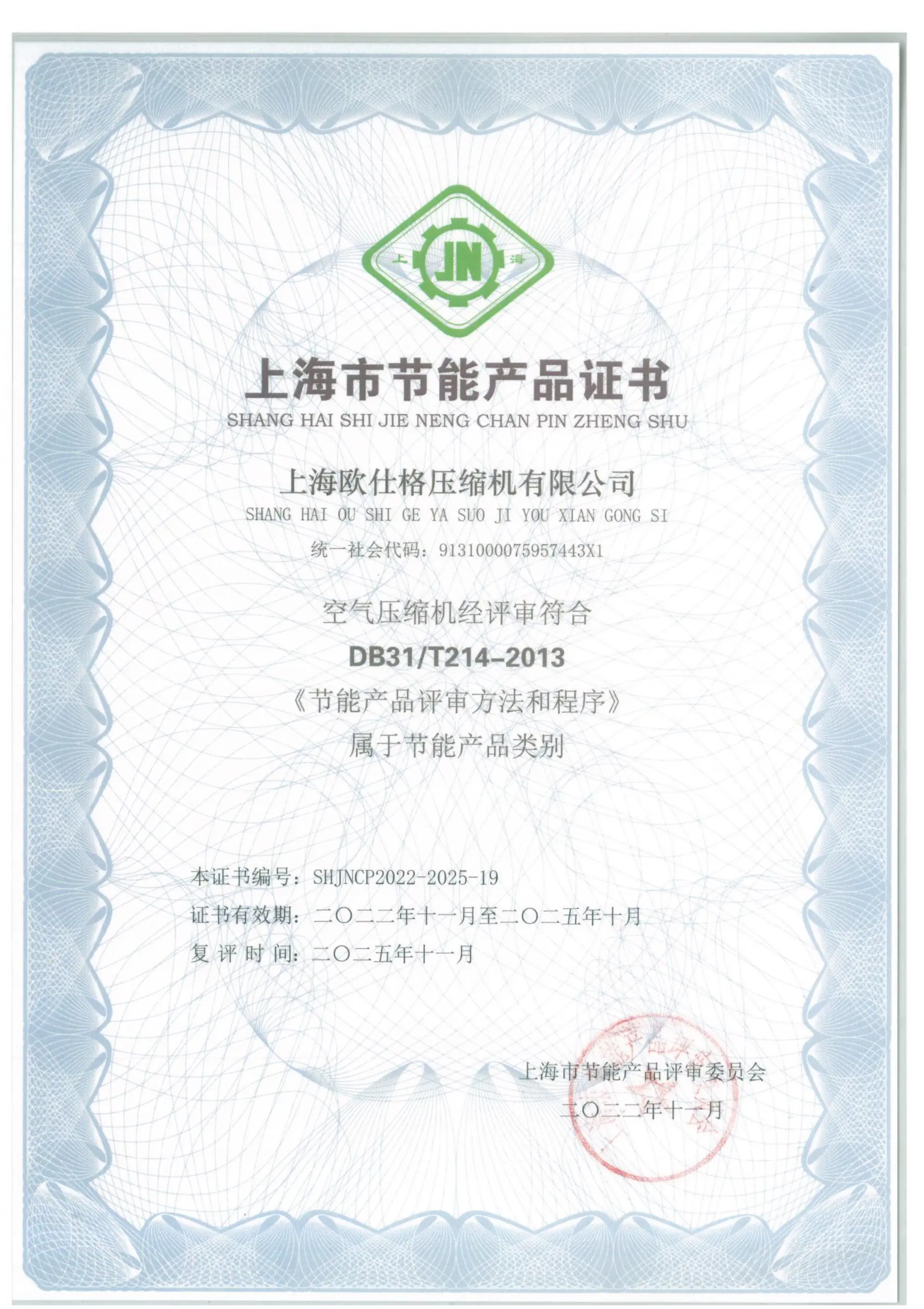
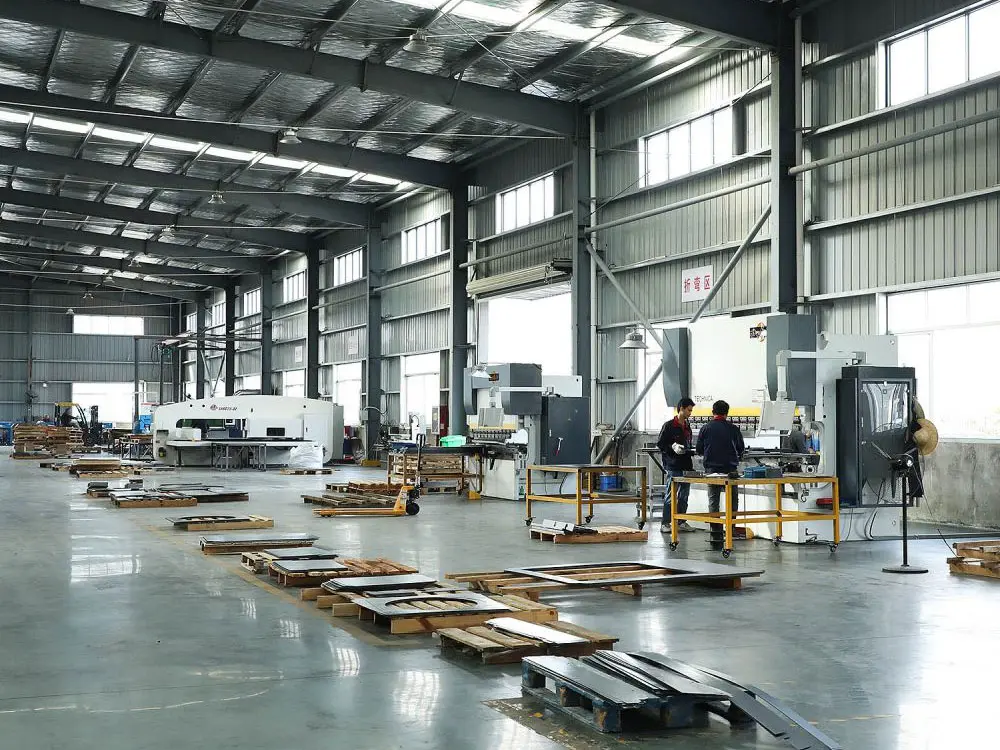
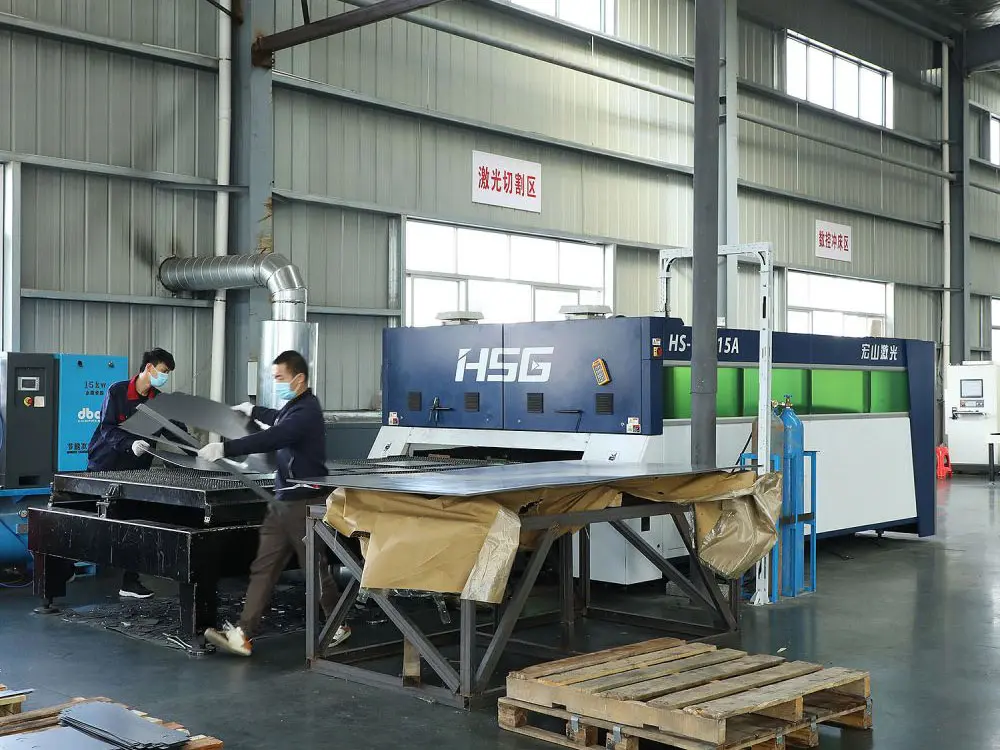
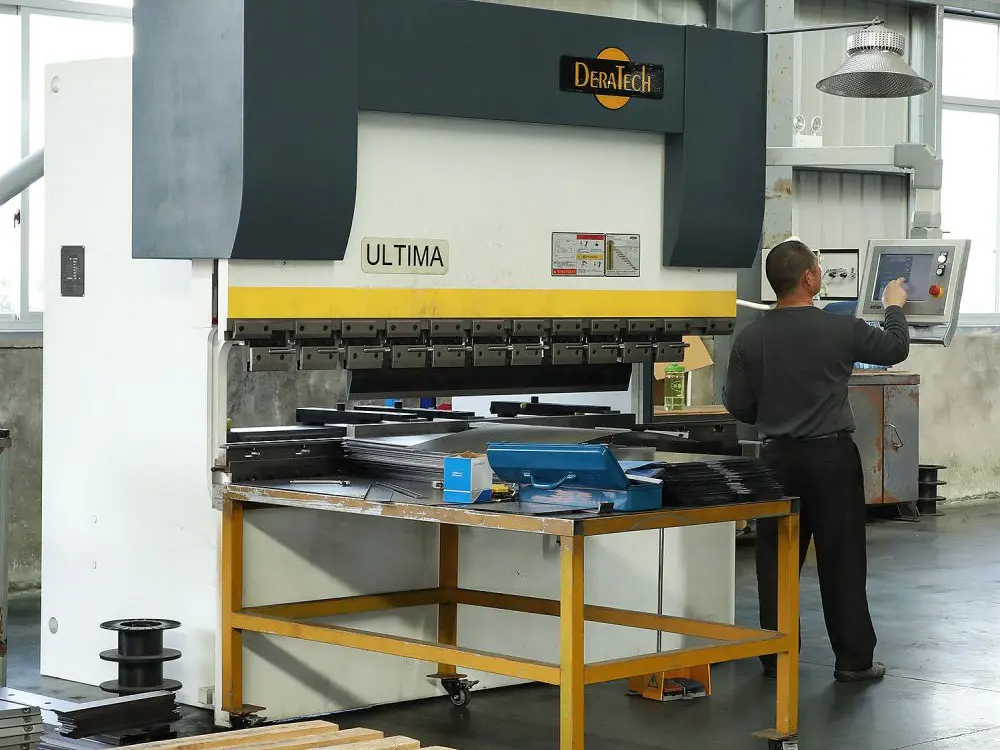
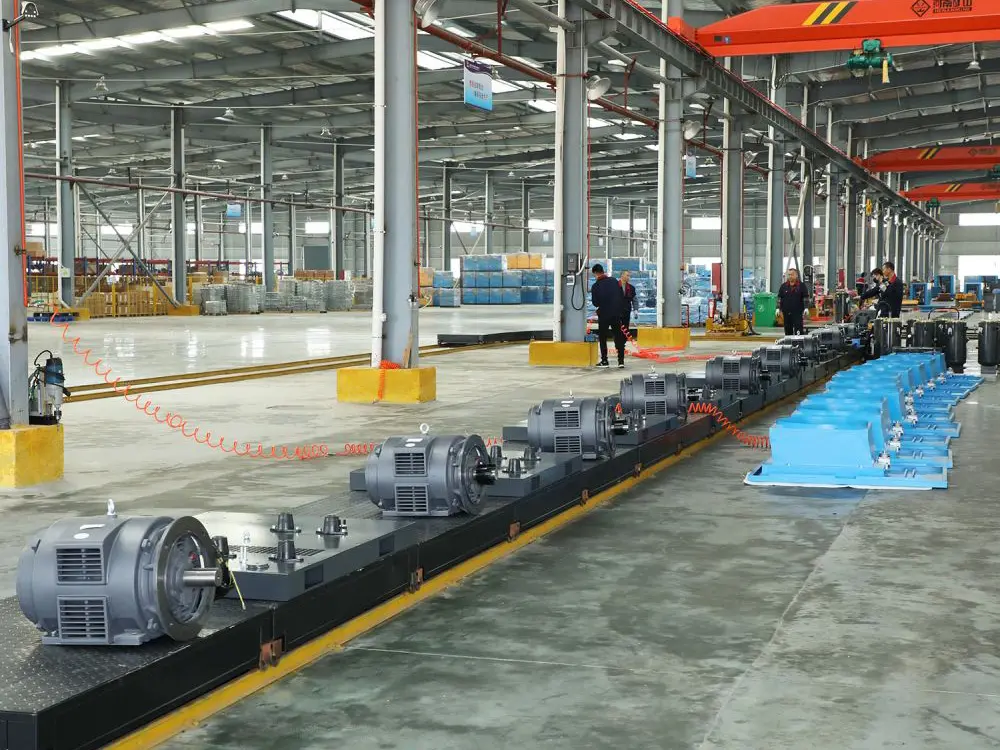
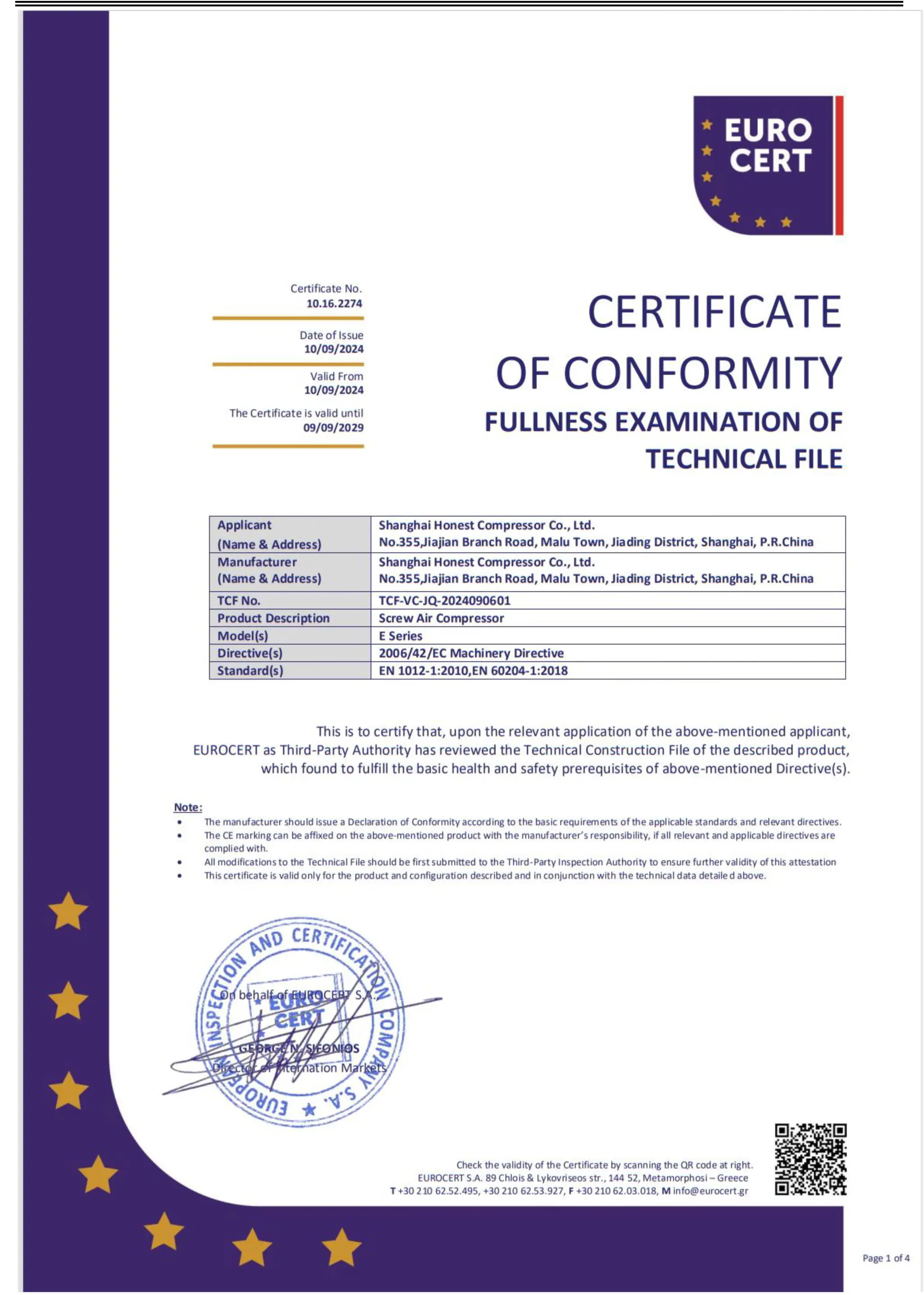
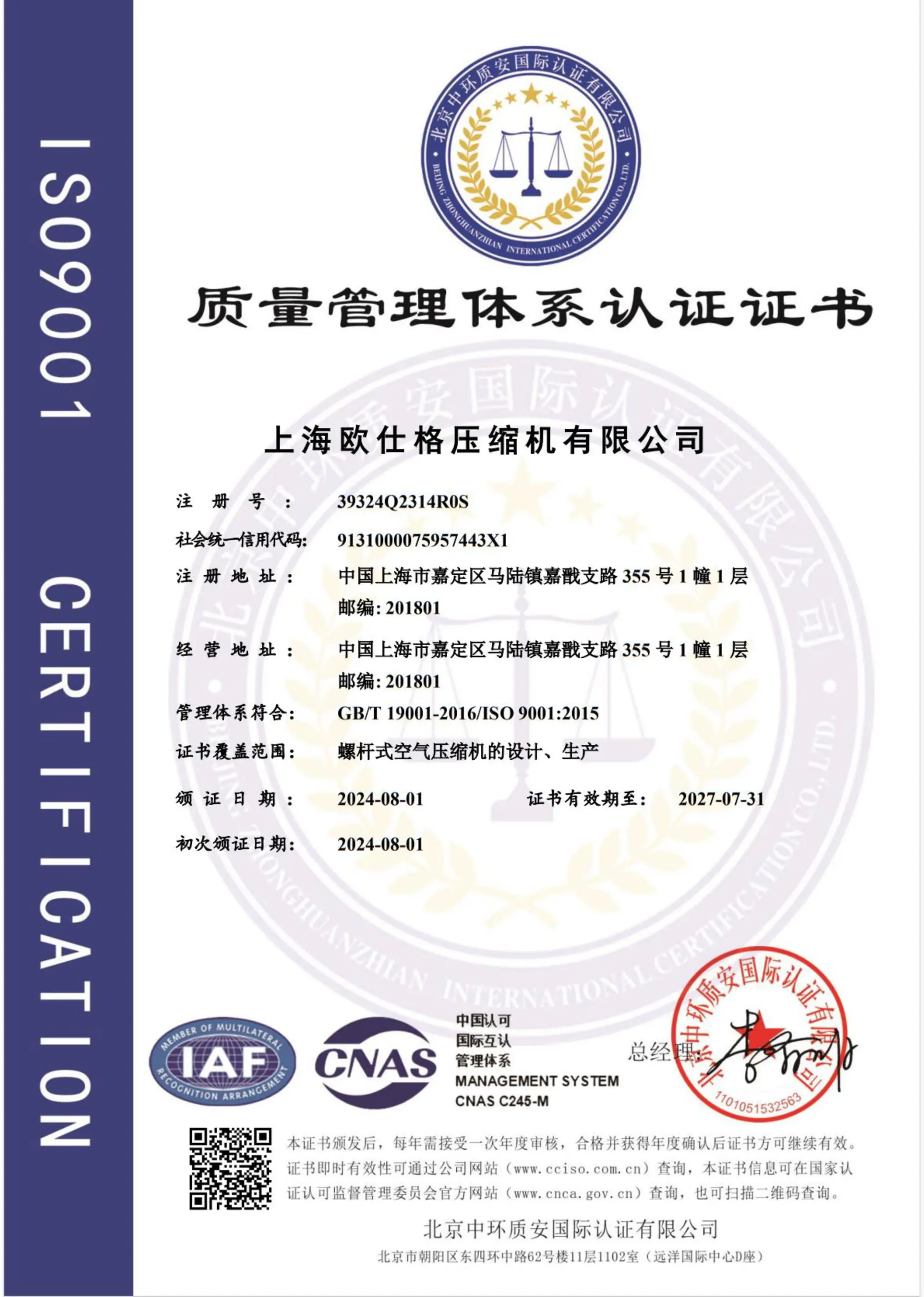
Shanghai Honest Compressor Co., Ltd. is a British-owned enterprise. It was founded in early 2004. The production address is located at NO. 355 Jiajian Branch Road, Malu Town, Jiading District, Shanghai, China. It is a large-scale manufacturing enterprise specializing in the production of twin-screw air compressors in China. At the same time It is also an important supplier of air system solutions. Provide various types of piston air compressors (low pressure, medium pressure, high pressure, oil-free air compressors), screw air compressor systems (3KW-480KW various screw air compressors, gas separation equipment, refrigerant Compressors, cold dryers, filters, ceramic membrane filtration systems) and various equipment accessories and consumables.
For an ODM buyer, the practical meaning is that the supplier’s stated experience, production base, and product breadth can be checked against the proposed scope. Engineering questions should be answered with drawings, data, and test criteria — not only with sales language.
read moreTrade events and market reports help buyers understand where compressed-air and vacuum technology are moving. This section preserves the original event image and market-context link while adding a procurement interpretation.
According to MRFR analysis, the dry vacuum pump market size is valued at US$ 5.97 billion in 2024. The dry vacuum pump market is expected to grow from US$ 6.17 billion in 2025 to US$ 8.28 billion in 2034, registering a...
For industrial buyers, the broader signal is that vacuum, compressed air, drying, filtration, and controls are increasingly evaluated as connected systems. A supplier that can discuss the whole air and vacuum ecosystem is better positioned to reduce interface risk across a plant.
These answers help procurement and engineering teams prepare a more precise request for quotation. Final technical scope should always be confirmed with drawings, agreed standards, and a written order specification.
The company position is best described as an engineering-led ODM/OEM supply partner. For ODM projects, the starting point is a standard compressor platform that can be configured for a buyer’s market, voltage, control language, documentation package, and product branding requirements. For OEM programs, the final scope, brand treatment, drawing package, and change-control rules should be agreed in writing so that repeat orders remain consistent.
The original product information references ISO, CE, and related certification support. Because certification scope depends on the exact model, pressure rating, electrical configuration, and destination market, buyers should confirm the required documents before order release. A practical documentation package can include drawings, electrical schematics, test reports, operation and maintenance manuals, spare-parts lists, nameplate data, and packing documents. Where third-party conformity assessment is required, the responsibility and evidence should be stated clearly in the contract.
Yes, localization is a core part of ODM supply. Buyers should specify voltage, frequency, phase, protection class, control voltage, controller language, ambient temperature, altitude, humidity, dust exposure, and any plant-integration requirement. Special pressure packages such as 15.5 bar and 20 bar for laser cutting are included in the product range. The final approval should be based on a technical datasheet and approved drawing, not only on a model name.
Start with the load profile. If demand is stable and the compressor runs near full load for long periods, a well-specified fixed-speed unit may be appropriate. If demand varies significantly, PM VSD can improve partial-load behavior and pressure stability, but the control strategy and system volume still matter. Two-stage compression can be relevant for higher-power applications where efficiency and stable operation justify a more advanced package. The correct choice is the one that fits the measured duty cycle and maintenance plan.
Air quality is a system result. The buyer should define the required ISO 8573-1 class for particles, water, and oil, then match the compressor, dryer, filters, condensate treatment, and piping practices to that requirement. Oil-free compressor technology removes oil from the compression path, but proper drying and filtration are still needed to protect the process. The maintenance schedule must also reflect the criticality of the application.
Lead time depends on the platform, pressure rating, controller selection, dryer/filter scope, packaging, and order quantity. A reliable quotation should state the engineering approval step, production schedule, inspection point, and shipment window. For spare parts, buyers should request a recommended first-year list covering filters, separators, lubricants where applicable, belts or couplings where applicable, sensors, and critical controller components. For oil-free models, the wear-part plan should follow the specific dry-type design.
The product range includes special-pressure screw compressors for laser cutting at 15.5 bar and 20 bar. A complete laser-cutting air package should consider required flow, pressure stability, receiver capacity, dryer performance, filtration, ambient conditions, and the laser manufacturer’s air-quality requirement. The compressor should not be selected in isolation from the air-treatment and storage design.
Local service can be structured through documentation, remote troubleshooting, distributor training, commissioning checklists, and recommended spare-parts stocking. The buyer should identify the local maintenance capability and the response expectations. The exact service-level arrangement, spare-parts responsibility, and warranty process should be written into the commercial agreement. This approach gives the buyer a clearer basis for evaluating support than a generic claim of “global service.”
Share the required flow, pressure, voltage, air-quality class, ambient conditions, application, and destination market. The quotation can then be structured around a traceable ODM configuration instead of a generic machine list.
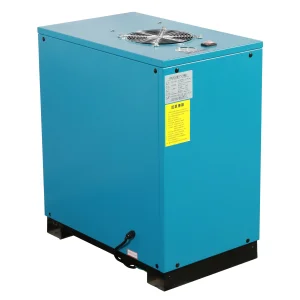
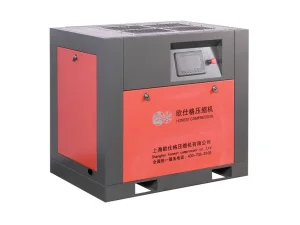
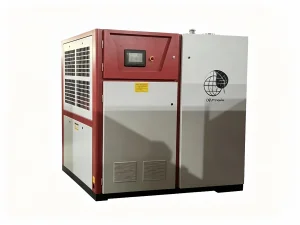
Eight additional product links preserve the original product URLs and images. Use these pages to review air dryers, 11 kW rotary screw units, low-noise oil-free packages, 55 kW oil-cooled models, 280 kW dry-type oil-free compressors, vacuum-pump configurations, and 20 bar laser-cutting packages.