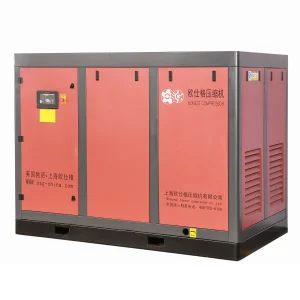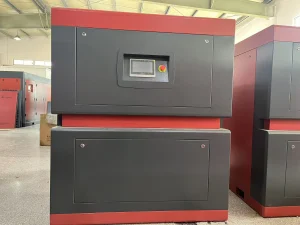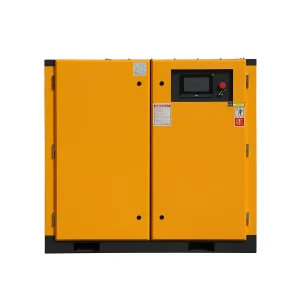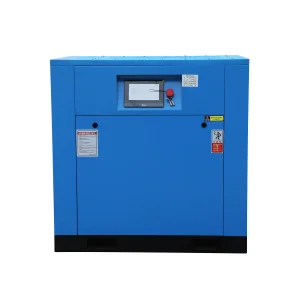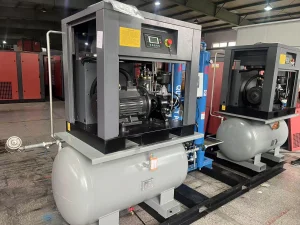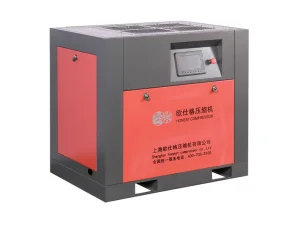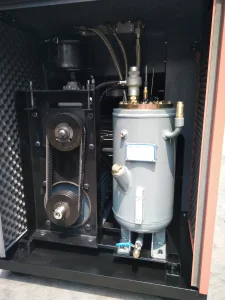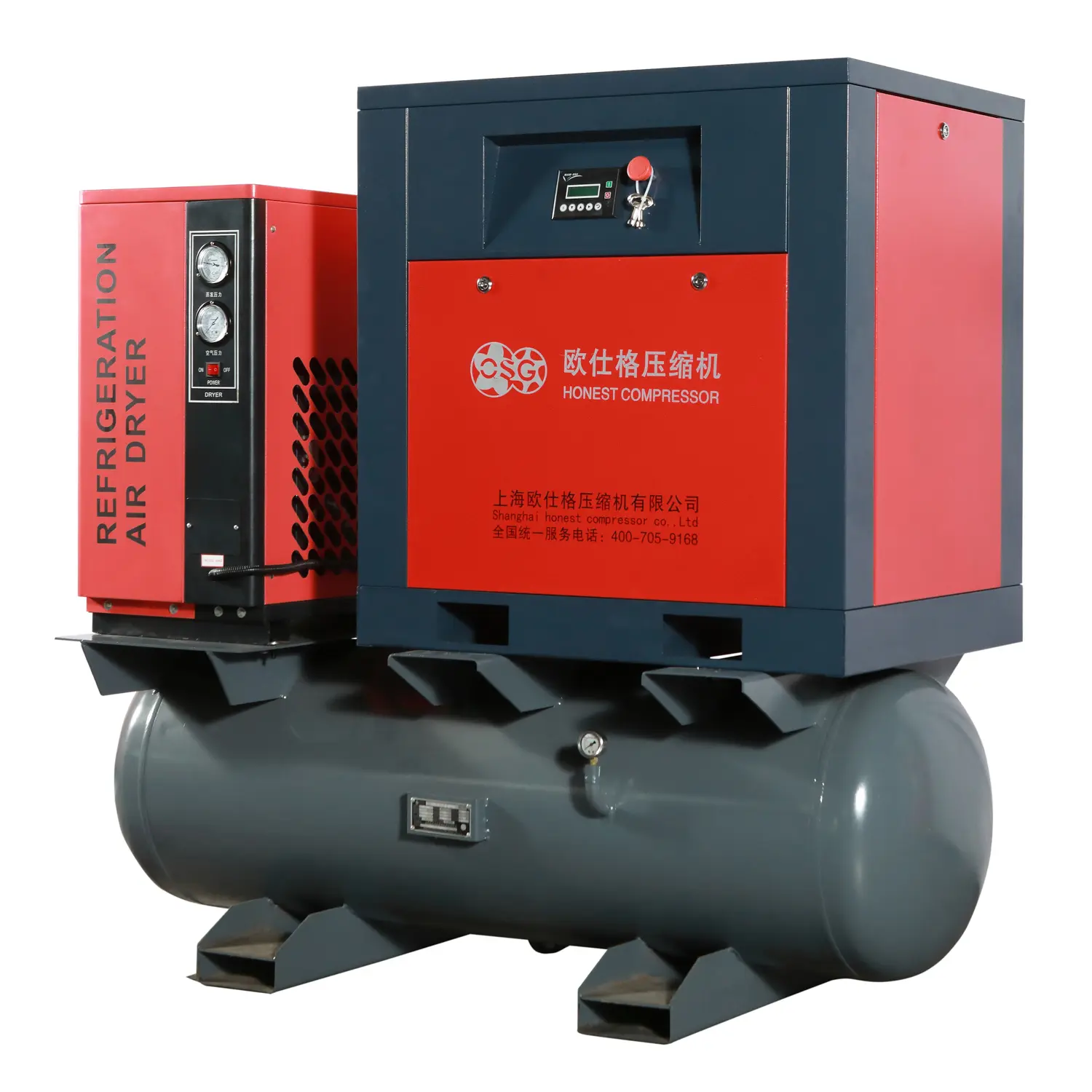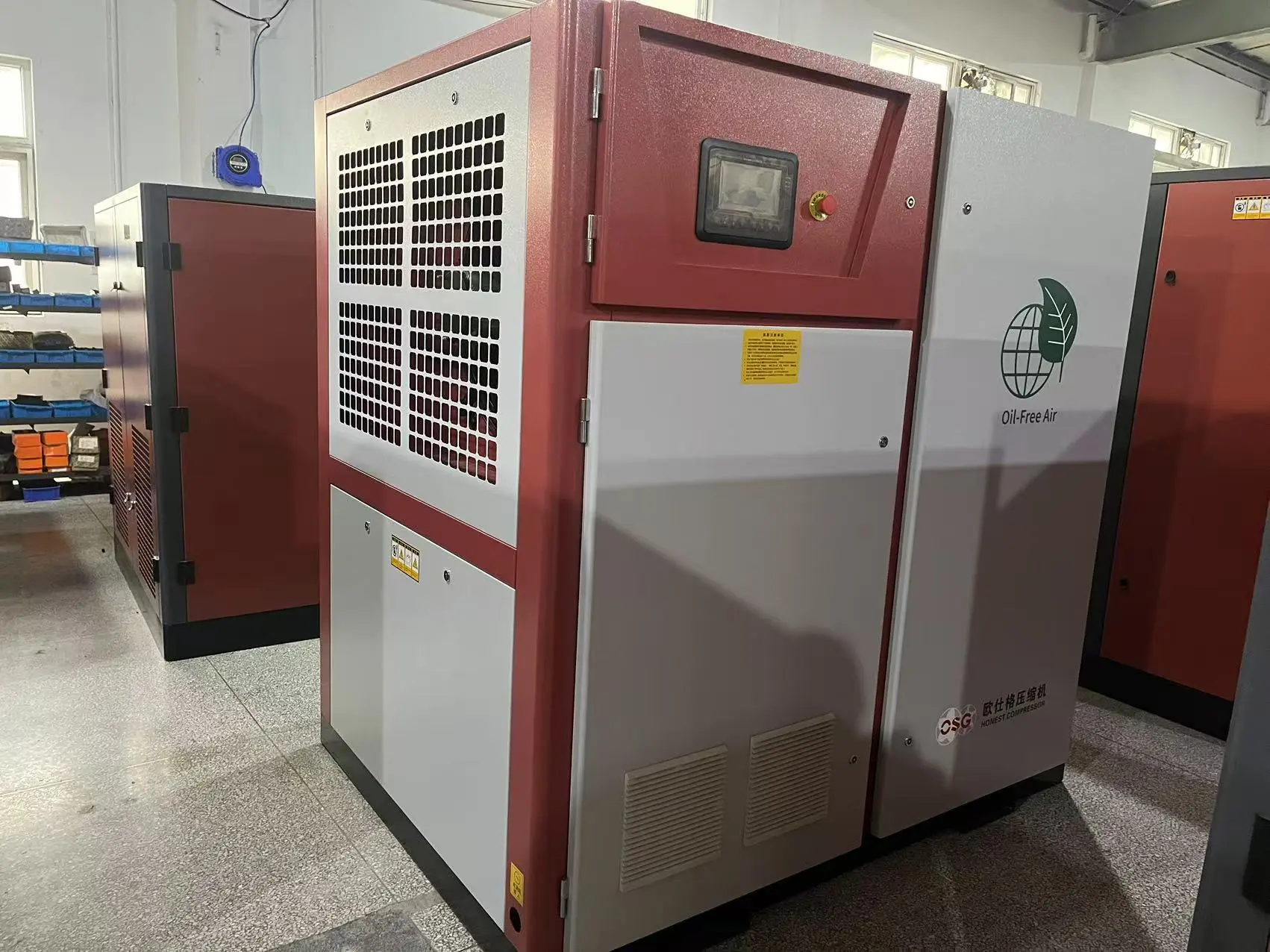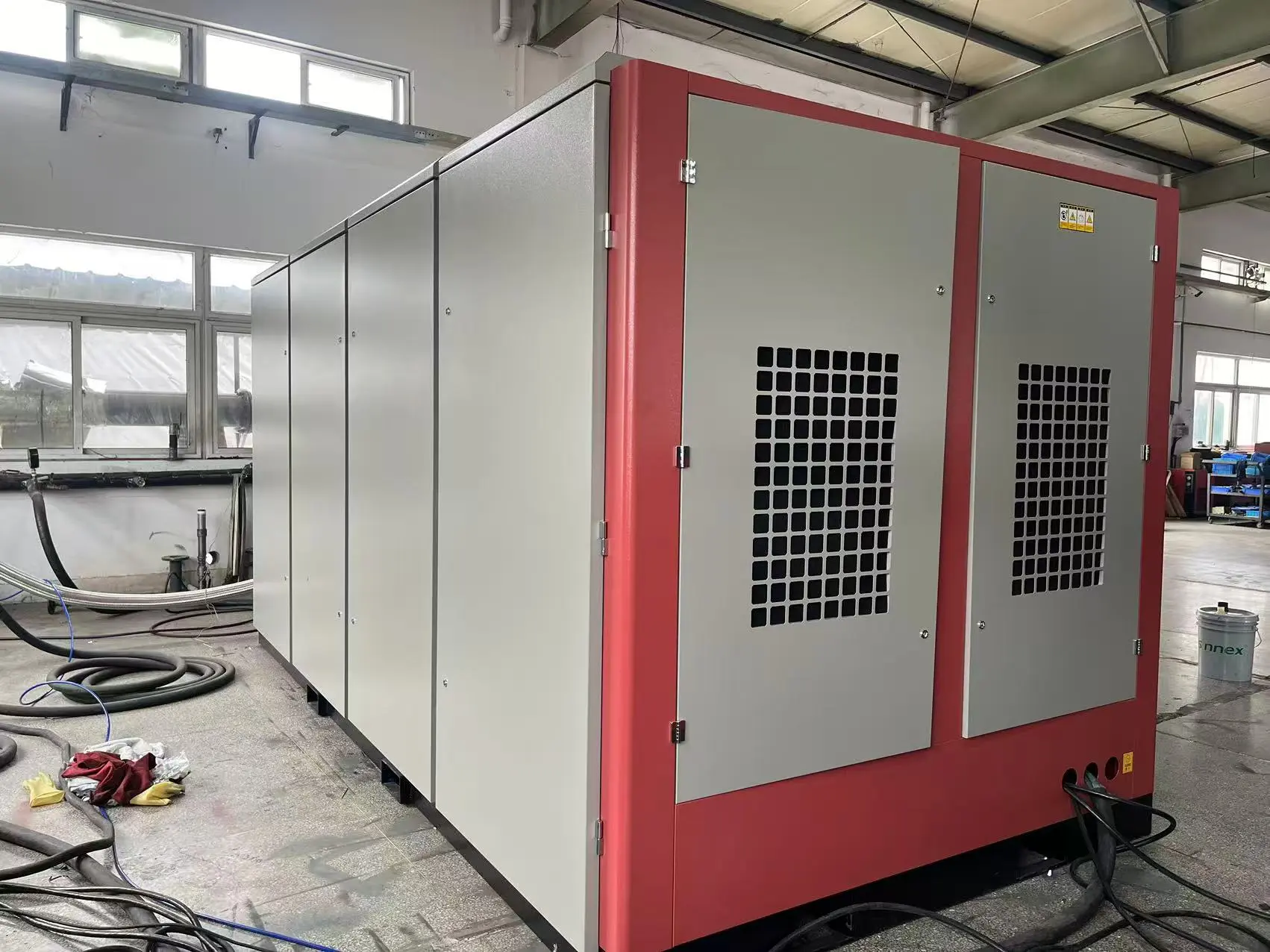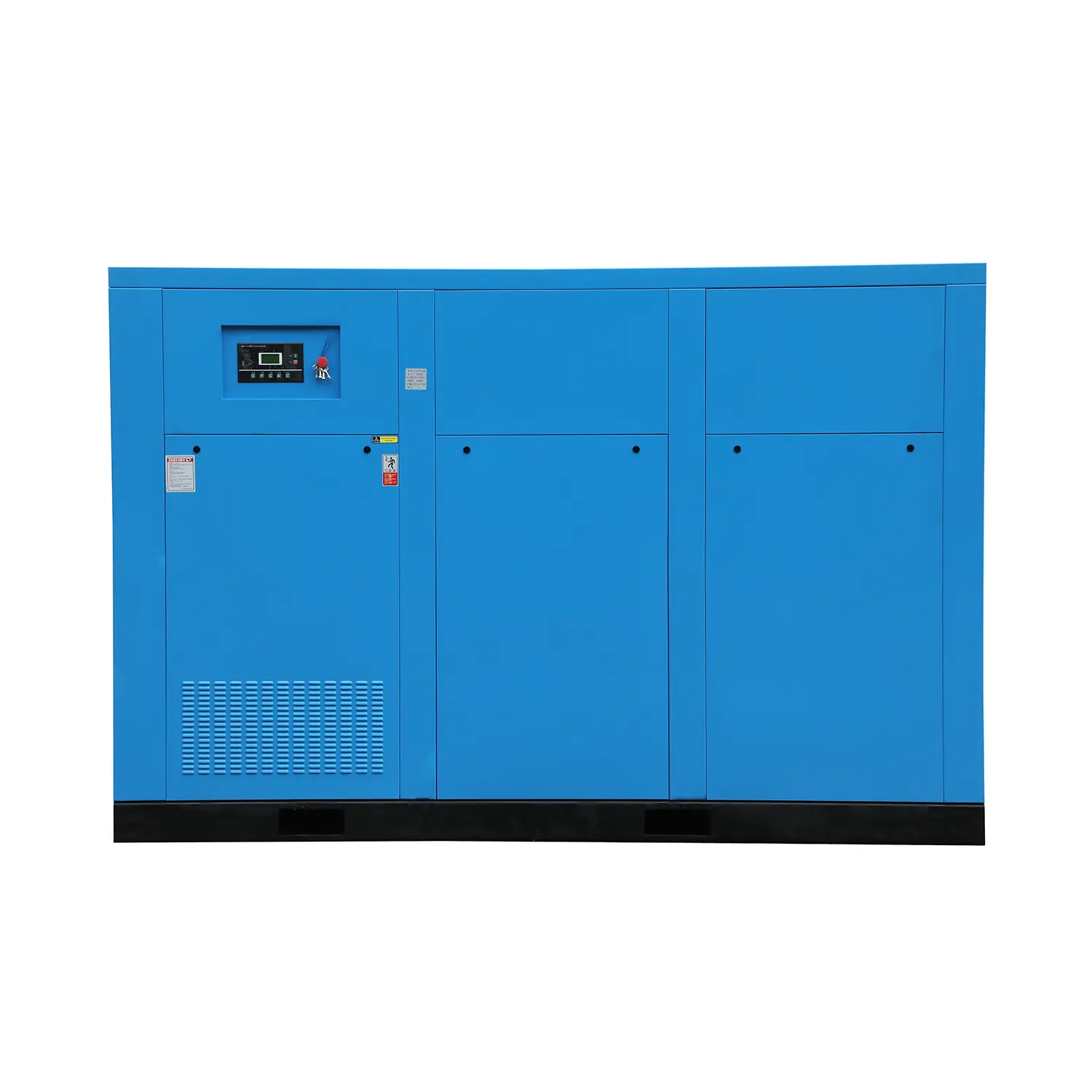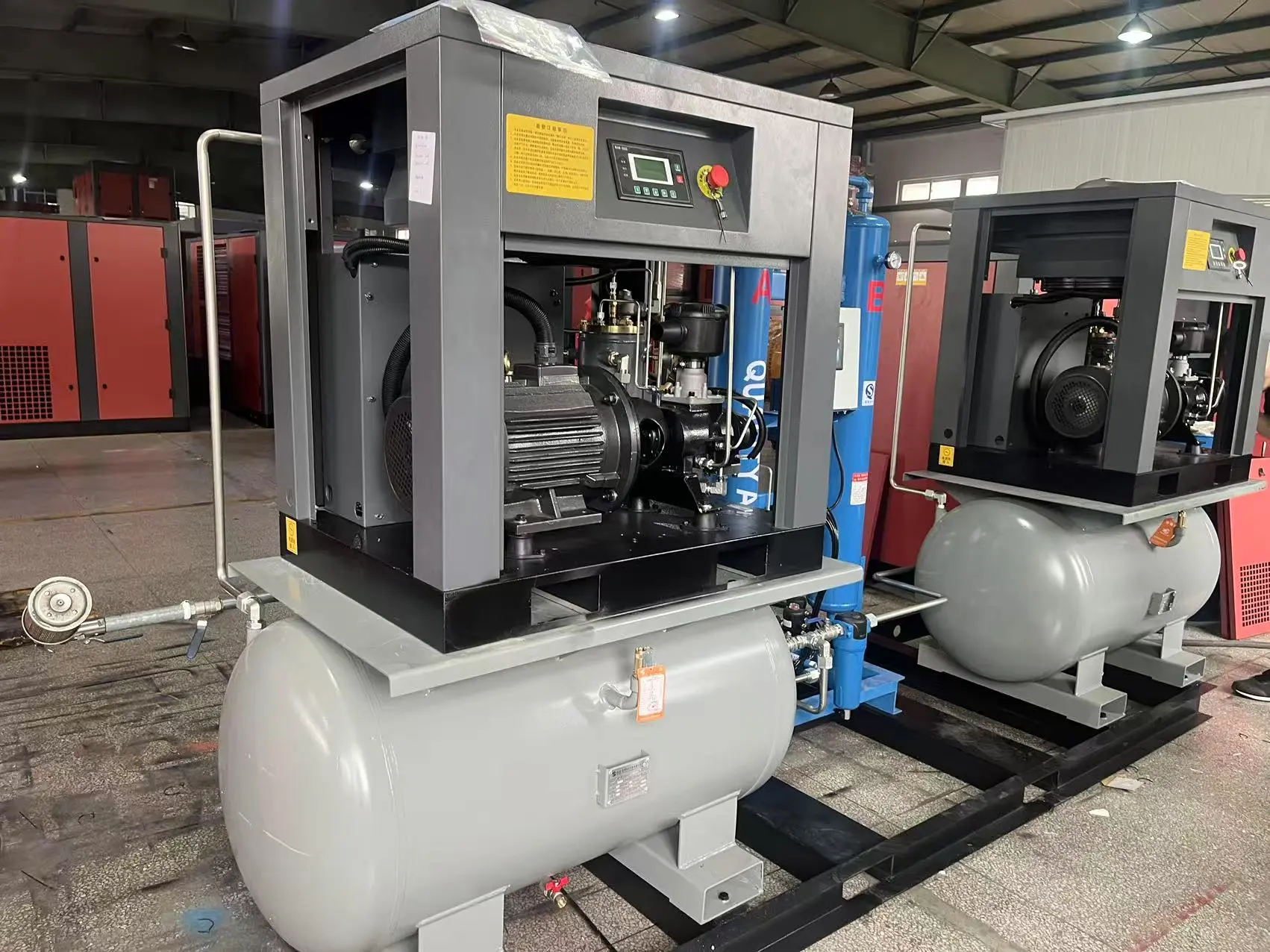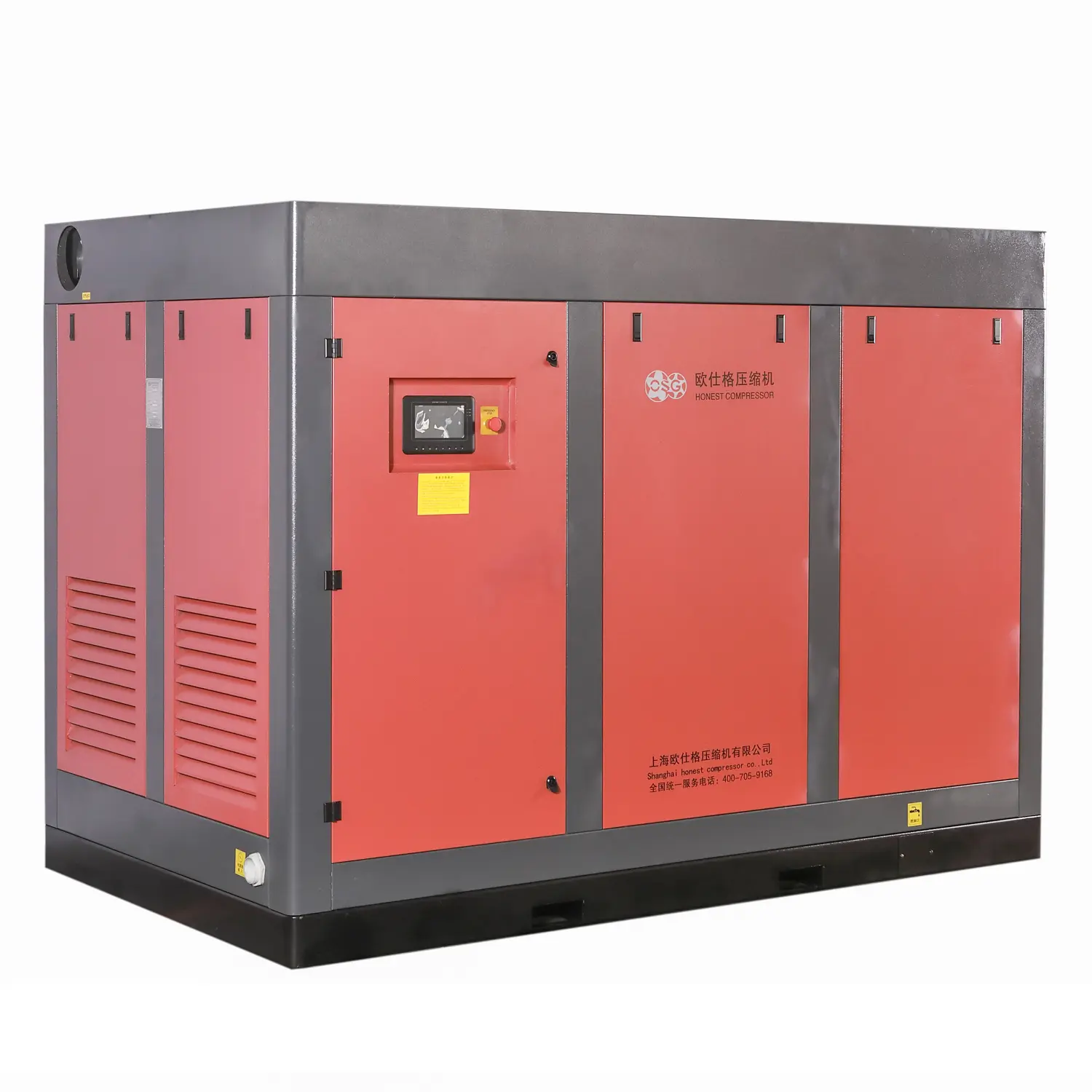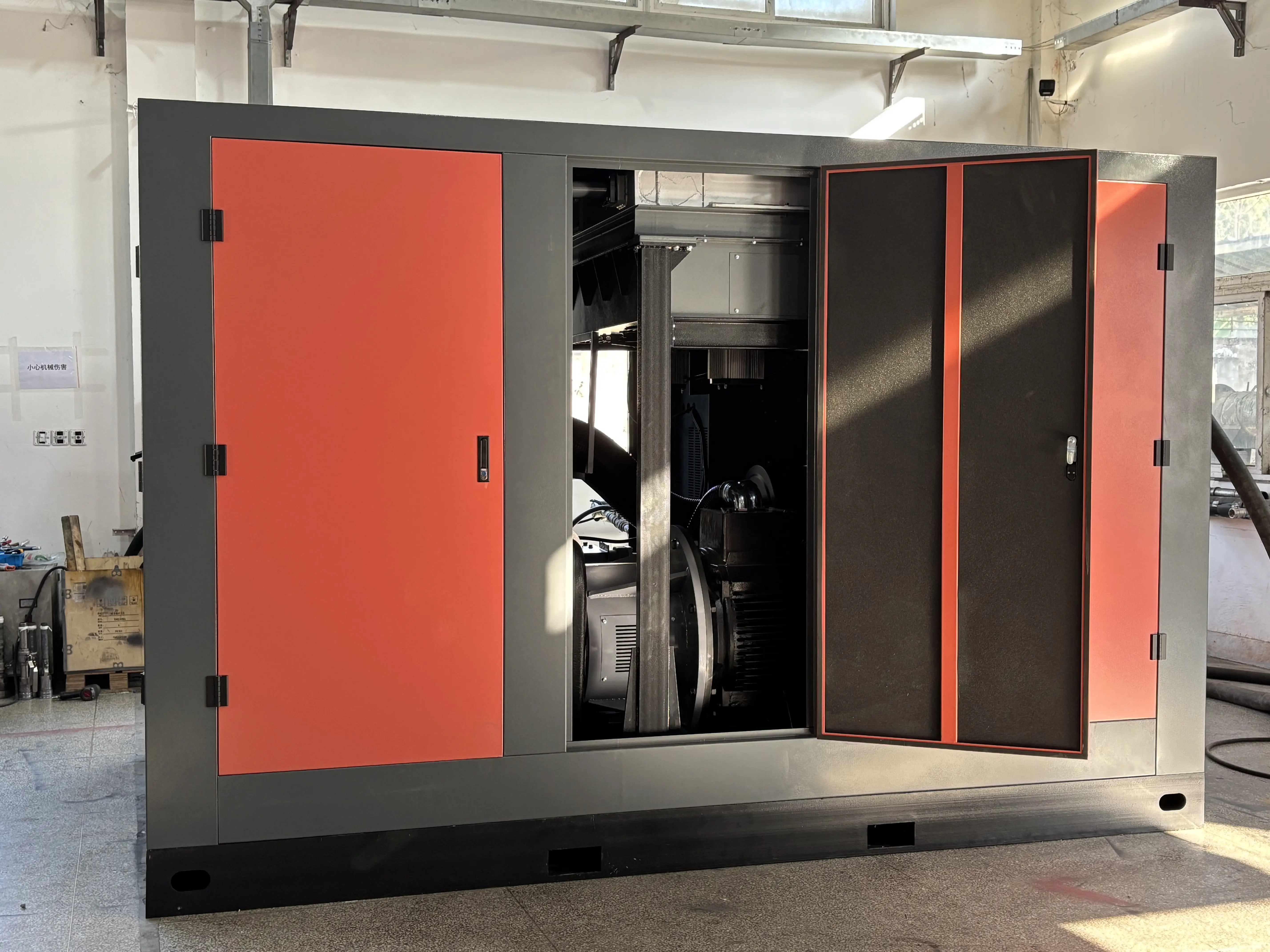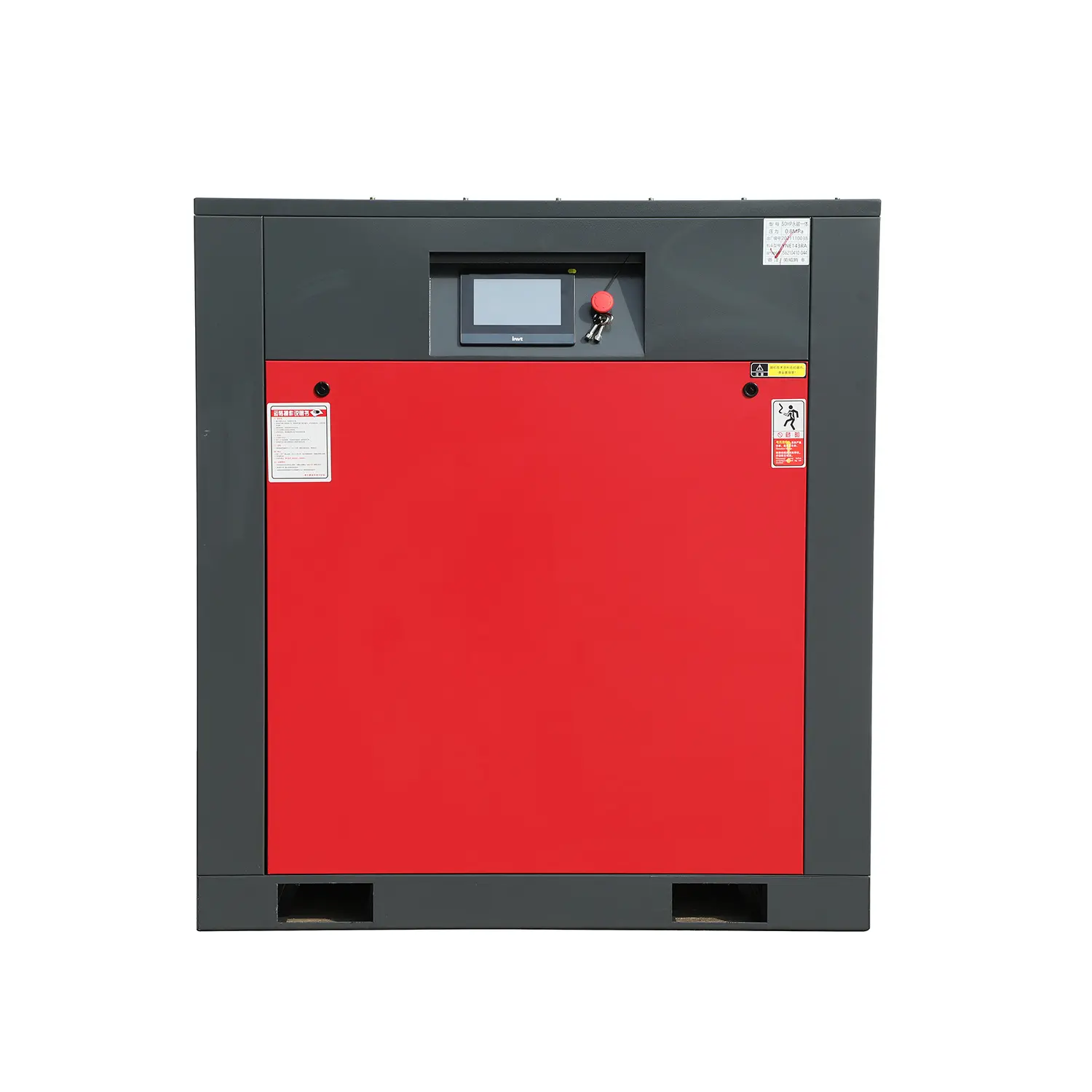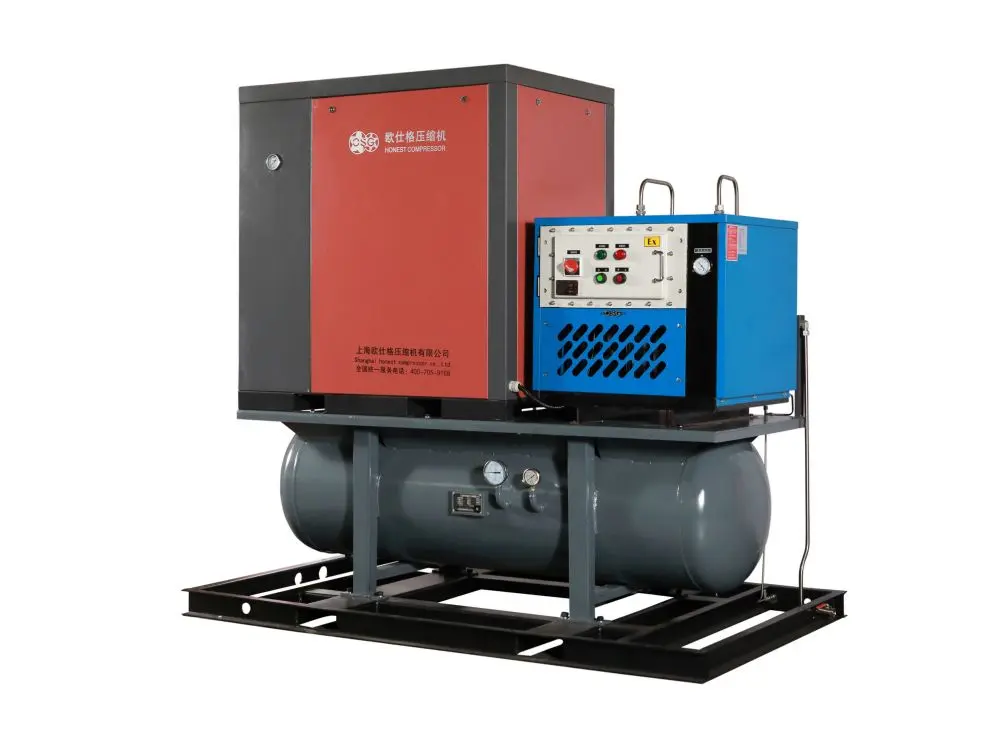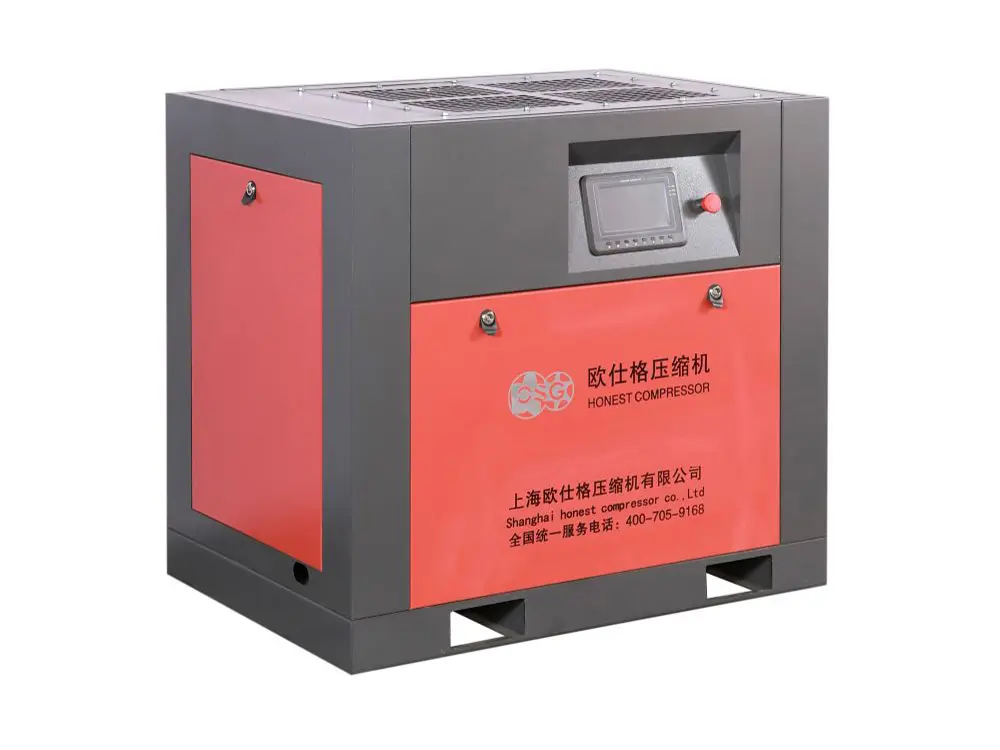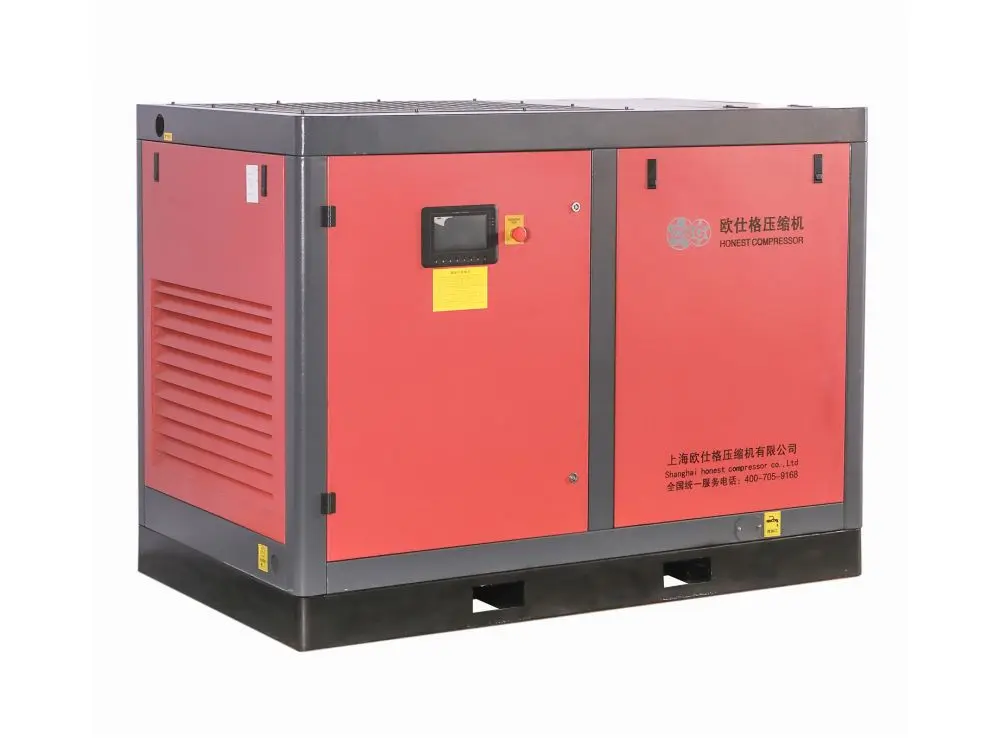
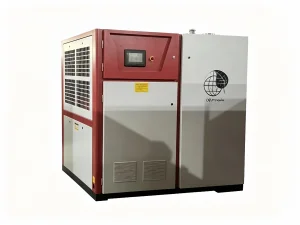
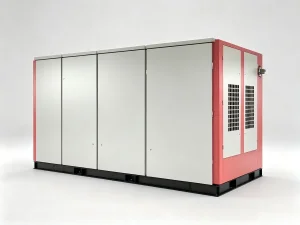
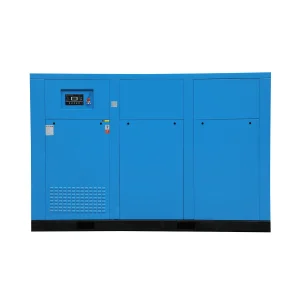
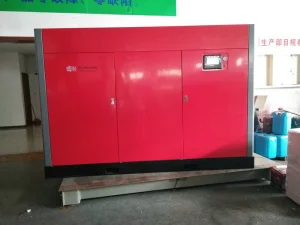
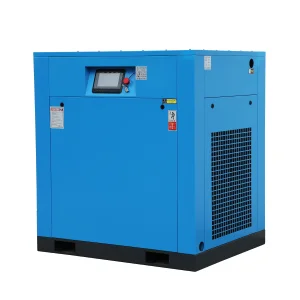
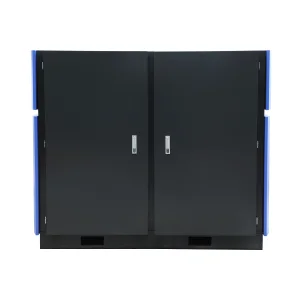
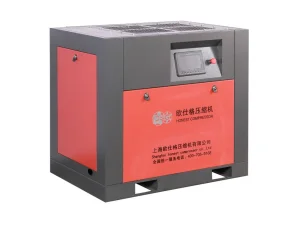
In the modern industrial paradigm, compressed air is frequently referred to as the "fourth utility"—powering everything from heavy metallurgical manufacturing plants to precision pharmaceutical assembly lines. Among the primary compression topologies, the rotary screw air compressor has emerged as the definitive global standard for continuous-duty industrial operations. Unlike reciprocating systems that are bound by thermal limitations and intermittent duty cycles, the rotary compressor works via a continuous volumetric displacement mechanism, ensuring constant thermodynamic output and optimized flow rates.
Today's macroeconomic factors—primarily escalating energy costs, global decarbonization goals, and the strict demands of Industry 4.0 automation—have forced a rapid shift in what industries look for in compressor factories. It is no longer just about obtaining "compressed air"; it is about maximizing Free Air Delivery (FAD) while dramatically reducing the *Specific Power Consumption* (expressed in kW/(m³/min)). Research indicates that over a 10-year lifecycle of a standard industrial compressor, the cost of electricity constitutes approximately 75-80% of the Total Cost of Ownership (TCO). Consequently, premium OEM manufacturing has migrated towards advanced thermodynamic architectures, such as variable speed drives (VSD), permanent magnet (PM) synchronous motors, and multi-stage compression systems.
"According to global manufacturing benchmarks, upgrading from standard fixed-speed systems to optimized PM VSD two-stage rotary screw compressors yields an average energy savings of 30% to 50%, depending on the fluctuation of the factory load profile. This shift directly supports corporate Scope 2 carbon reduction goals."
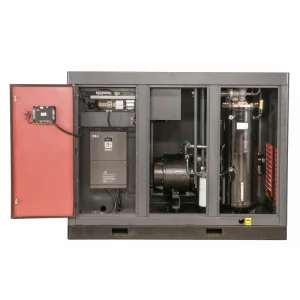
The thermodynamic efficiency of a rotary screw compressor is dictated by the design of its helical male and female rotors. As air travels along the screw flutes, the volume decreases, which raises both pressure and temperature. By introducing Two-Stage Compression, the compression ratio is divided across two distinct sets of rotors, allowing for intermediate cooling between stages. This step reduces the overall work required for compression, closely approaching the ideal isothermal compression process.
| Design Element | Standard Single-Stage Compressor | Two-Stage PM VSD Screw Compressor | Key Advantage |
|---|---|---|---|
| Compression Ratio | High per stage (typically up to 1:8 or 1:10) | Low per stage (typically 1:3 or 1:4) | Reduces internal air leakage, increasing volumetric efficiency. |
| Drive Technology | Asynchronous Motor / Belt / Direct Coupling | IE4/IE5 PM Synchronous Motor | Sustains high efficiency even at low operating speeds. |
| Temperature Control | High discharge temperature (up to 95°C) | Inter-stage cooling (approx. 75-80°C discharge) | Extends lubricant life and minimizes component thermal stress. |
| Part-Load Performance | Poor efficiency during idle/unload cycles | Dynamic regulation matching real-time air demand | Eliminates energy wasted during unloading cycles. |
By combining two-stage compression with Permanent Magnet Variable Speed Drive (PM VSD) technology, manufacturers can ensure that the rotary screw compressor operates precisely at its optimal efficiency curve. The system continuously tracks air demand via pressure sensors and adjusts the rotational speed of the PM motor in real time, eliminating the high start-up currents associated with star-delta starters.
For industries requiring sterile processes, standard oil-injected compressors present risk. Even with high-grade carbon filtration, the danger of oil vapor carryover exists. Hence, premium OEM factories have engineered two distinct alternative routes to deliver certified ISO 8573-1 Class 0 oil-free air:
In dry-type systems, the rotors are designed with extreme precision to run without any liquid lubricant inside the compression chamber. Special wear-resistant coatings (such as Teflon or advanced polyimide matrices) protect the rotors from heat and friction. Because the compression process generates significant thermal energy without oil to absorb it, these systems typically feature dual-jacket cooling channels and two separate stages of compression with integrated intercoolers. This design prevents the rotors from expanding and touching, which would cause mechanical failure.
Water-lubricated systems use distilled or reverse-osmosis water instead of oil as the sealing and cooling medium. Since water has a higher specific heat capacity than oil, the compression chamber runs cooler, helping the system achieve near-isothermal compression. Additionally, the water seals the clearance gaps between the rotors, which increases volumetric efficiency even at low rotational speeds. This makes water-lubricated models a highly cost-effective and clean choice for continuous food and beverage packaging, pharmaceutical production, and medical labs.
Meets rigorous Class 0 quality standards, protecting processes from oil contamination and reducing maintenance costs.
Uses synchronous permanent magnet motors to adjust energy output dynamically, lowering power bills by up to 50% under variable loads.
Features IP55/IP54 motors, heavy-duty bearings, and precision-machined airends built for reliable performance in harsh conditions.
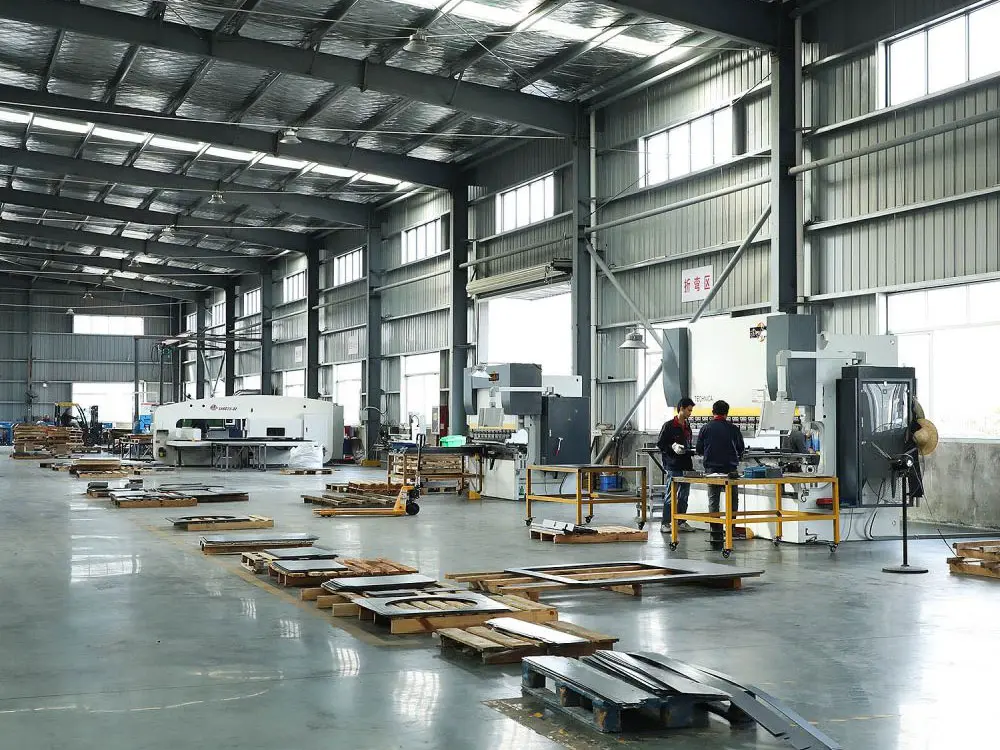
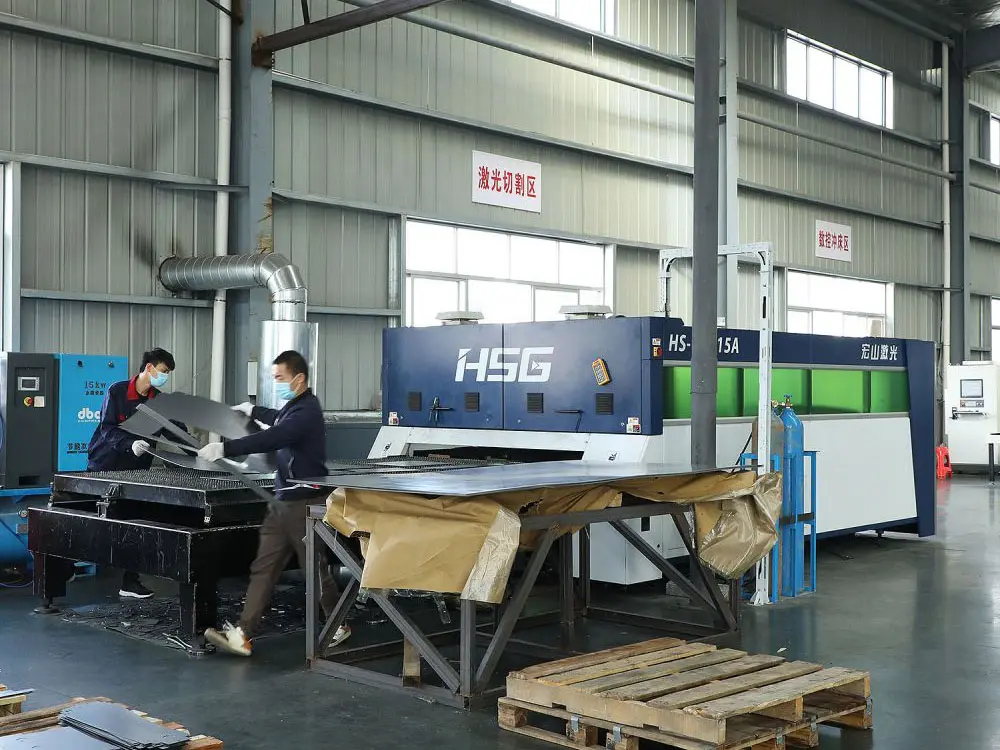
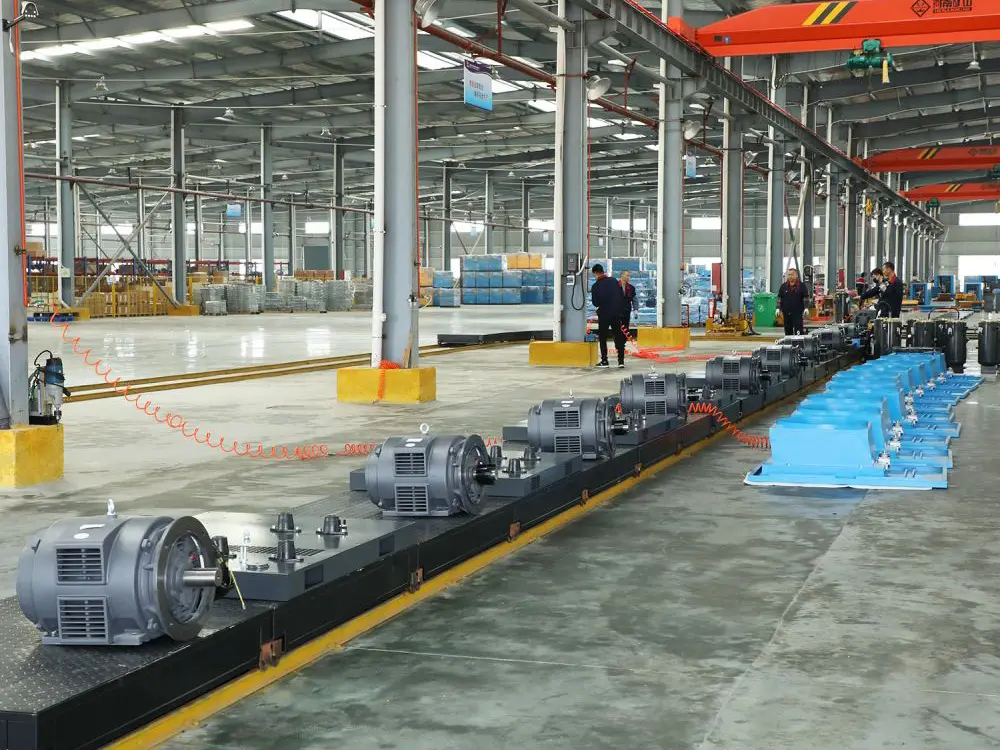
Founded in early 2004, Shanghai Honest Compressor Co., Ltd. operates as a British-owned enterprise, bringing European design principles and quality standards to China’s industrial manufacturing sector. Located at NO. 355 Jiajian Branch Road, Malu Town, Jiading District, Shanghai, China, our large-scale production facility covers all aspects of twin-screw air compressor engineering and manufacturing.
Over the past two decades, we have established ourselves as a reliable partner for companies seeking custom OEM/ODM solutions. Our product range includes twin-screw compressor units from 3kW to 480kW, high-pressure reciprocating models, ceramic membrane filtration systems, refrigerant dryers, and industrial gas separation equipment.
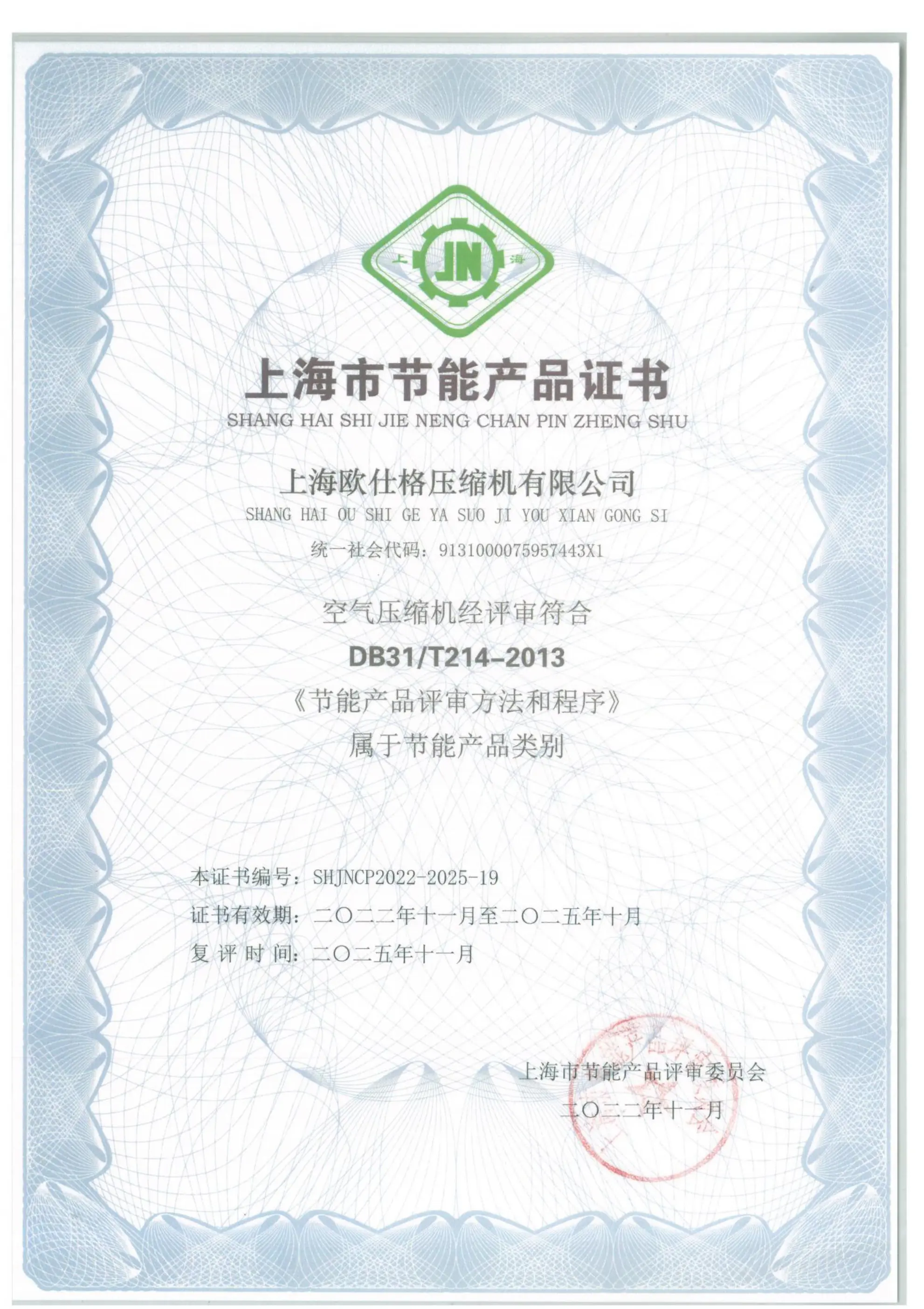
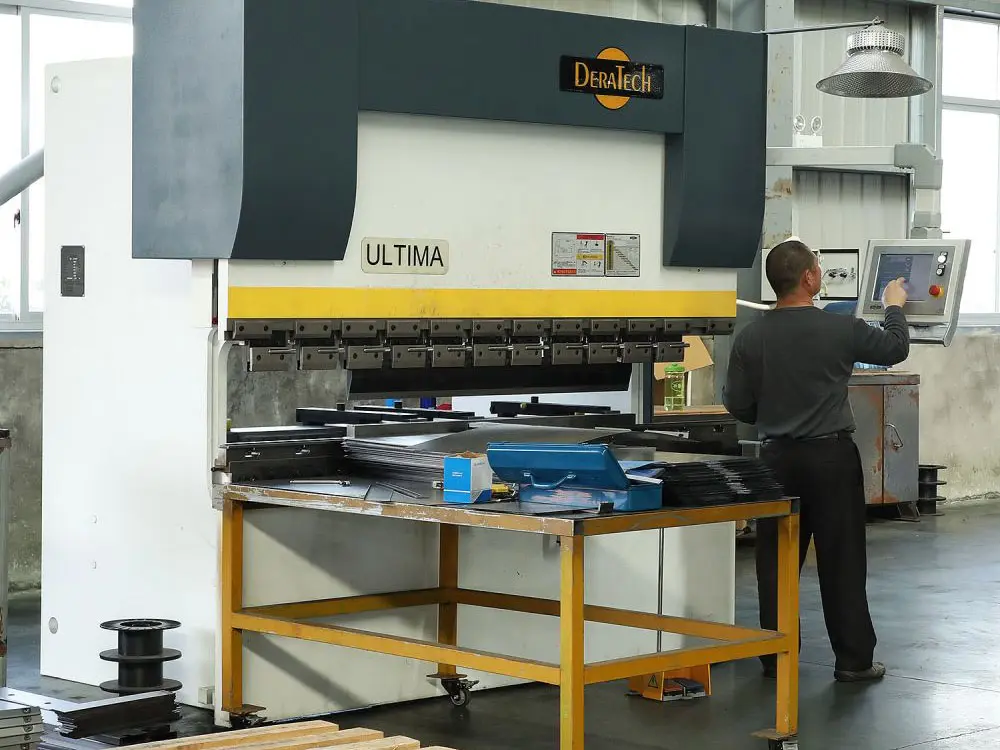
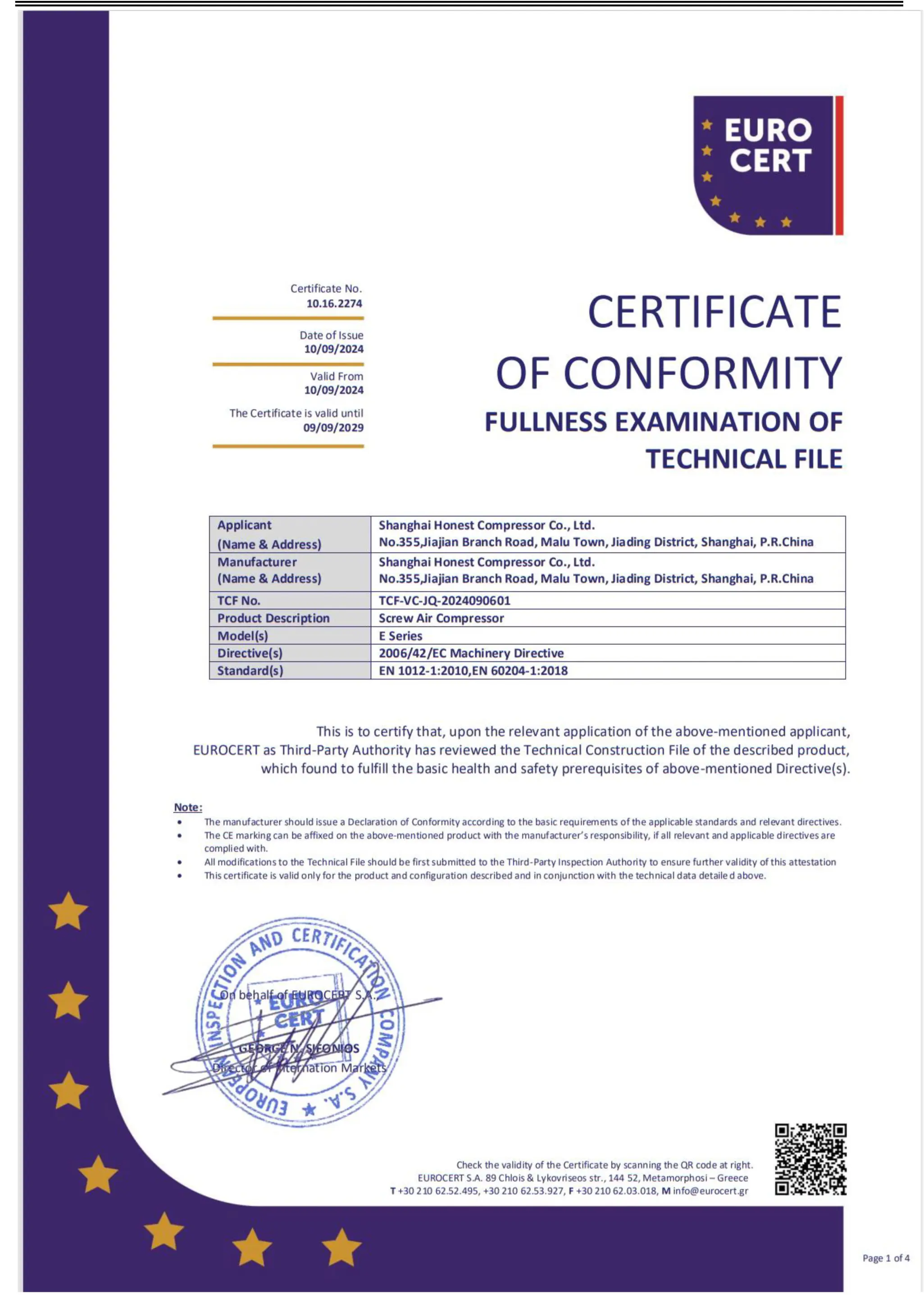
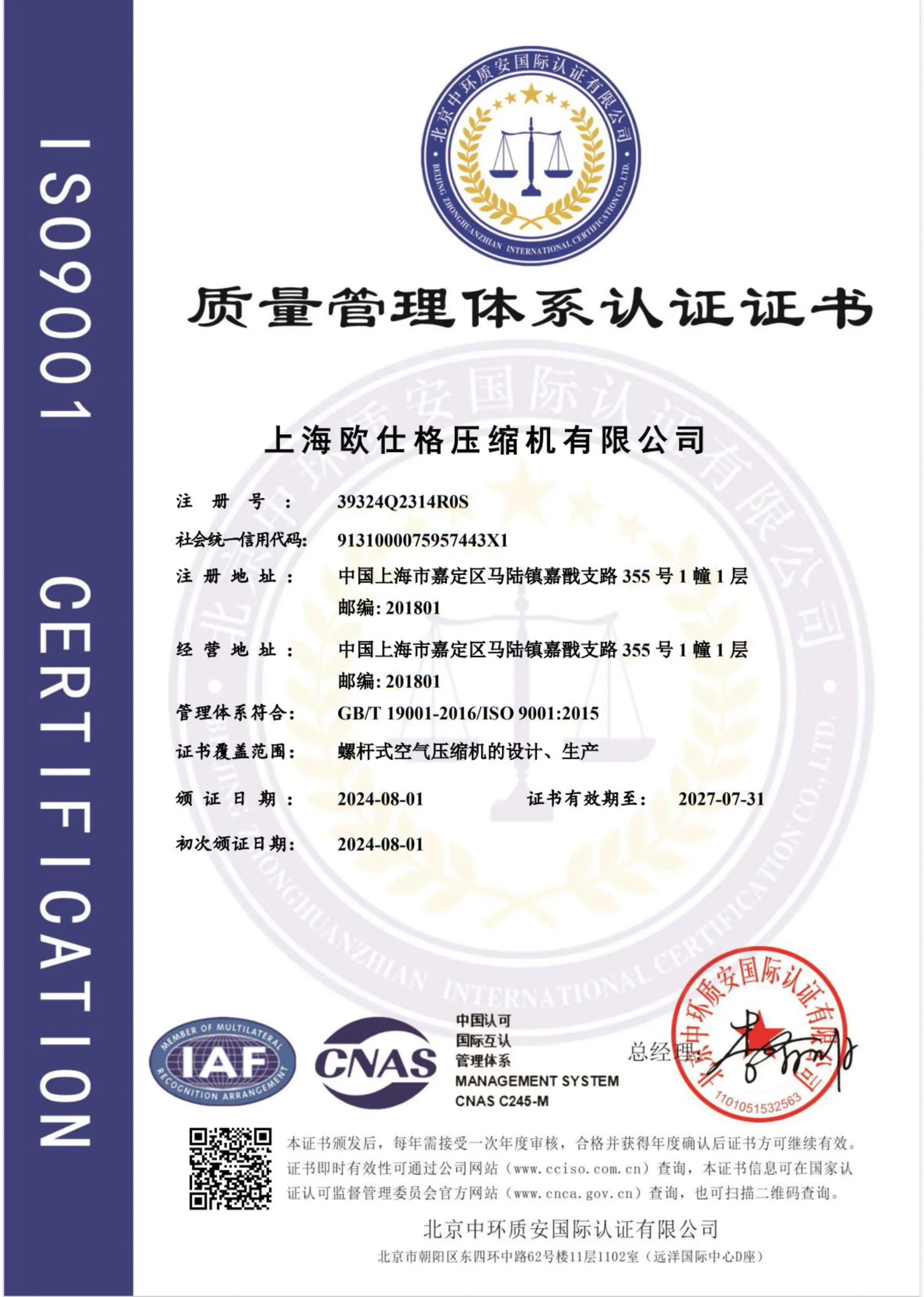
We use modern precision testing stands, CNC machining centers, and strict quality control processes to ensure every machine meets international standards, including CE and ISO certifications. This focus on quality has made us a trusted supplier of industrial air systems worldwide.
As industrial automation advances, the need for dry vacuum pumps is growing alongside high-efficiency rotary compressors. According to MRFR analysis, the dry vacuum pump market size is valued at US$ 5.97 billion in 2024. The market is projected to expand from US$ 6.17 billion in 2025 to US$ 8.28 billion by 2034, registering steady growth.
This growth highlights a wider trend in manufacturing: companies are shifting away from traditional oil-sealed designs toward dry, oil-free systems to meet environmental regulations and quality standards. Our product catalog is designed to meet these demands by providing screw compressors and vacuum pumps that offer clean, reliable, and energy-efficient performance.
Industrial operations face unique challenges depending on their location. For example, high-humidity coastal areas present different operating conditions than high-altitude, cold-temperature mining regions. To ensure reliability, air compressor systems must be selected and configured with the local operating environment in mind.
Automotive plants require large volumes of clean, dry air for pneumatic tools, welding systems, and spray painting. The presence of oil or moisture in paint systems can cause defects, leading to expensive rework. We configure these systems with large PM VSD rotary compressors paired with downstream desiccant dryers and precise particulate filters to supply continuous, high-purity air.
Semiconductor manufacturing requires cleanroom-grade environments where trace oil contaminants are not permitted. For these applications, we supply dry oil-free screw compressors that prevent contamination from the source. In addition, our integrated ceramic membrane filtration units remove sub-micron dust particles down to class-leading standards.
In pharmaceutical manufacturing, clean, dry air is essential for transporting raw materials, mixing ingredients, and packaging final products. For these processes, we provide water-lubricated screw air compressors. The water barrier cools the air and washes out ambient dust, delivering clean, reliable air that meets strict medical and biological processing requirements.