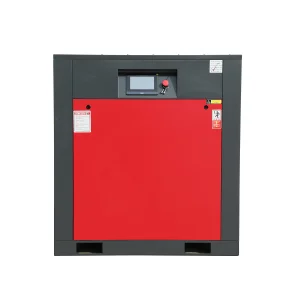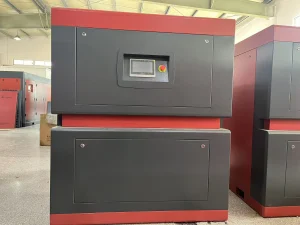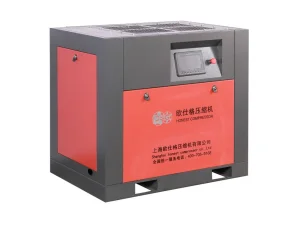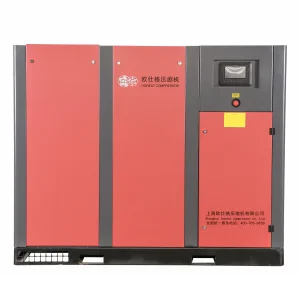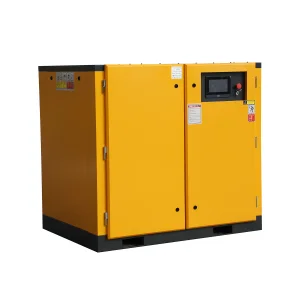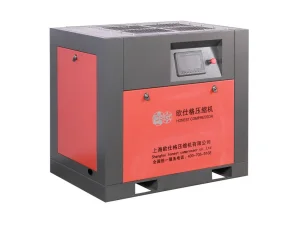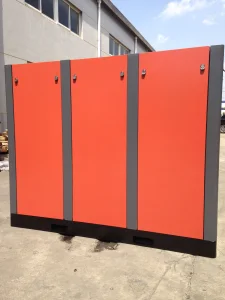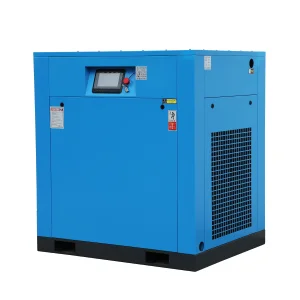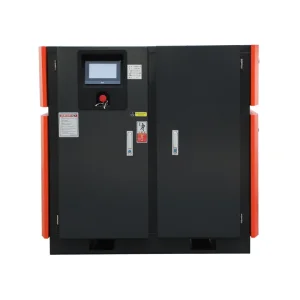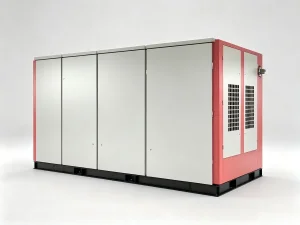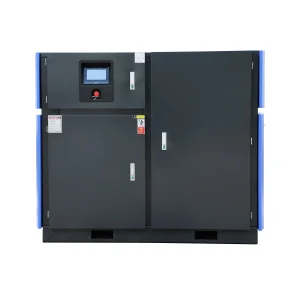
Explore our high-performance single-stage and customized rotary screw compressed air products engineered for peak operational reliability.
Strategic analytical insights into global operational benchmarks, efficiency standards, and localized deployment models.
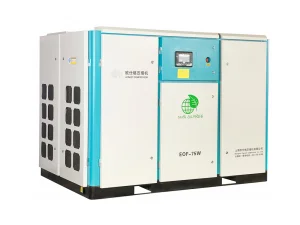
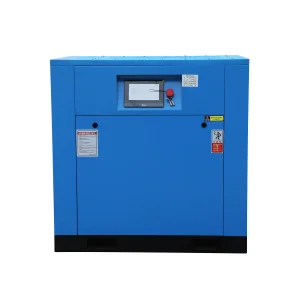
In modern industrial manufacturing, compressed air serves as the fourth pillar of utility infrastructure beside electricity, water, and gas. The global industrial single-stage rotary screw compressor market has experienced substantial transformation driven by energy efficiency standards, automation, and the expansion of smart manufacturing frameworks. Single-stage screw air compressors, operating within a pressure envelope of 0.3 MPa to 1.3 MPa, are widely utilized because of their simplicity in mechanical design, exceptional thermal regulation, and high durability.
From an international logistics and sourcing standpoint, international buyers—especially those in North America, Western Europe, and Southeast Asia—increasingly seek OEM/ODM manufacturing partners capable of delivering machinery certified to rigorous international energy efficiency standards, including the European Union's Ecodesign ErP directive, the United States' Department of Energy (DOE) regulations, and ISO 1217 Annex C/E validation protocols. This regulatory demand has placed Chinese precision manufacturing centers at the core of the global supply network, functioning not only as high-volume production facilities but also as strategic engineering hubs for custom industrial air systems.
In mature markets like Europe and North America, the core requirement is integration into larger smart factory ecosystems using protocols like Modbus RTU or Profinet. In developing regions, the focus is on robust operations under variable electrical grid conditions and high ambient temperatures. To satisfy these different needs, top-tier OEM exporters provide specialized design options, such as tropicalized cooling packages, anti-corrosive marine-grade enclosures, and integrated variable frequency drives (VSD) that protect internal electronics from voltage fluctuations.
The engineering trajectory of twin-screw systems, focusing on Variable Speed Drive integration, permanent magnet efficiency, and lubrication oil design.
The development of single-stage rotary screw compressors is guided by the fundamental principles of thermodynamics and tribology. The main focus of engineering is minimizing internal leakage (the blow-hole effect) and maximizing volumetric efficiency. The following roadmap outlines the critical technical developments defining current and next-generation screw air systems:
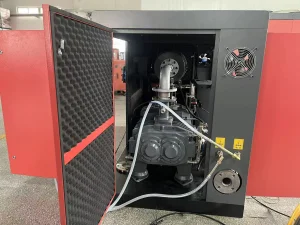
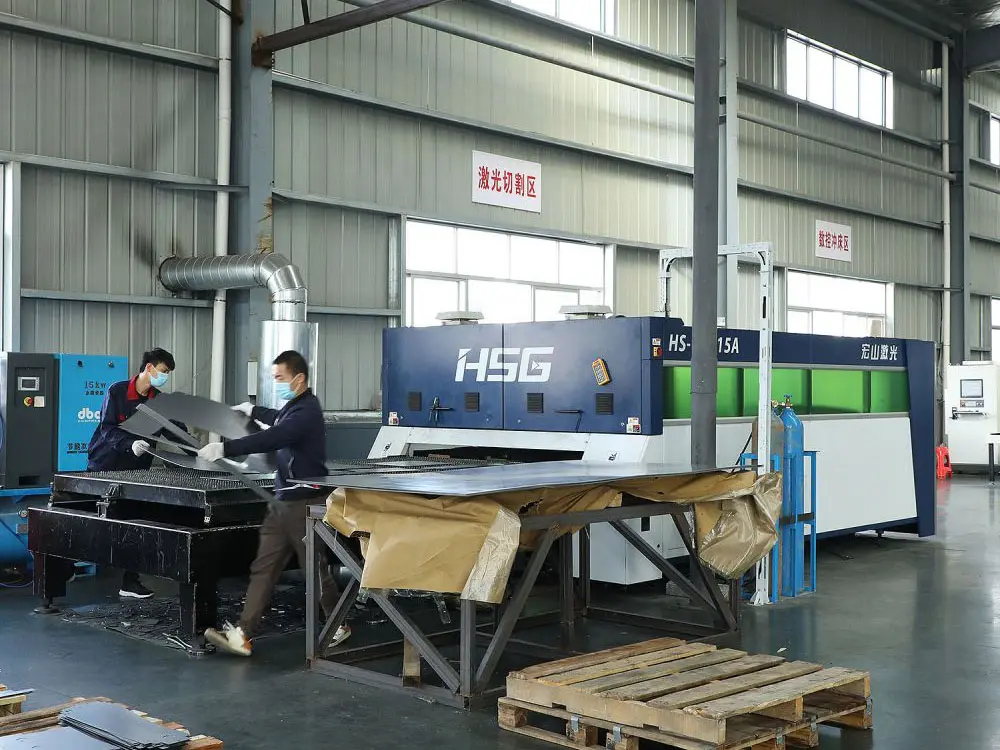
Modern airends utilize computer-optimized asymmetrical rotor profile geometry (typically 5 lobes for the male rotor and 6 for the female). Using high-precision CNC rotor grinding machines ensures tolerances within micrometers, which reduces internal backflow losses and lowers energy consumption per unit volume.
The industry is moving away from traditional induction motors toward integrated Permanent Magnet VSD technology. PM motors maintain high efficiency (exceeding IE4 or IE5 standards) even at partial loads, preventing the drop in efficiency typically seen when conventional motors run at lower speeds.
For applications where clean air is essential, dry-type oil-free screw technologies and advanced micro-oil separation systems are being developed. Incorporating variable-speed cooling fans and thermostatic valves prevents water condensation within the lubrication system, extending bearing service life.
By integrating variable speed drives (VSD) directly with the permanent magnet rotor shaft, mechanical coupling losses are eliminated. The motor operates without bearings and works in a single-shaft configuration with the male rotor, resulting in a compact footprint, lower noise levels, and zero drive-train transmission loss.
Founded in early 2004, Shanghai Honest Compressor Co., Ltd. is a British-owned manufacturing enterprise. Located at NO. 355 Jiajian Branch Road, Malu Town, Jiading District, Shanghai, China, our facility is a large-scale manufacturing enterprise specializing in the production of twin-screw air compressors. Over the past two decades, we have established ourselves as an important global supplier of comprehensive air system solutions.
Our production capabilities cover a broad range of industrial equipment, including piston air compressors (low pressure, medium pressure, high pressure, oil-free air compressors), screw air compressor systems (ranging from 3KW to 480KW with options for fixed speed, VSD, and permanent magnet motors), gas separation equipment, refrigerant compressors, cold dryers, micro-heat regeneration desiccant dryers, ceramic membrane filtration systems, and various replacement parts and consumables.
As an OEM partner for several international brands, we focus on energy-saving, low-noise designs and use high-quality components. Our machines are backed by standard warranties, professional online support, and custom energy-saving system designs to help lower operational costs.
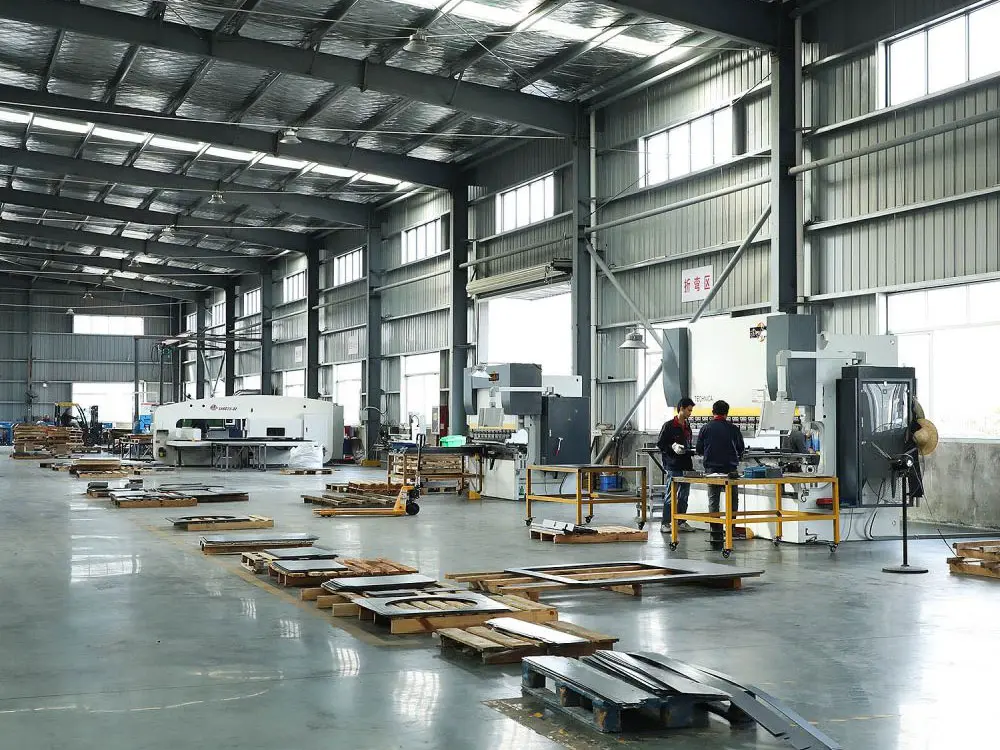
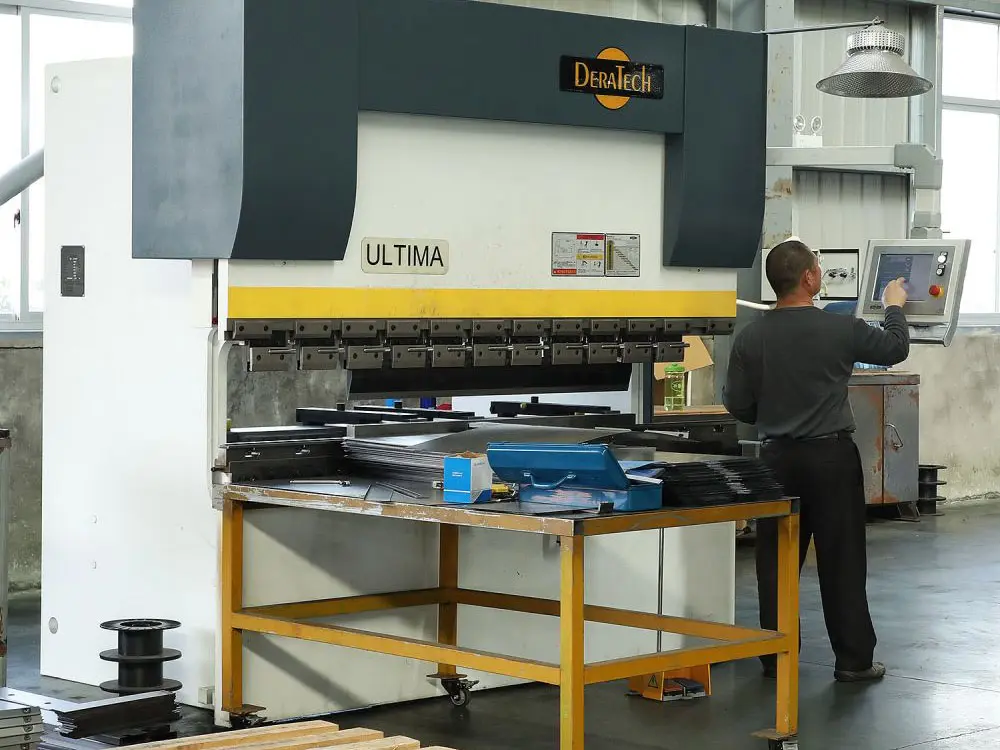
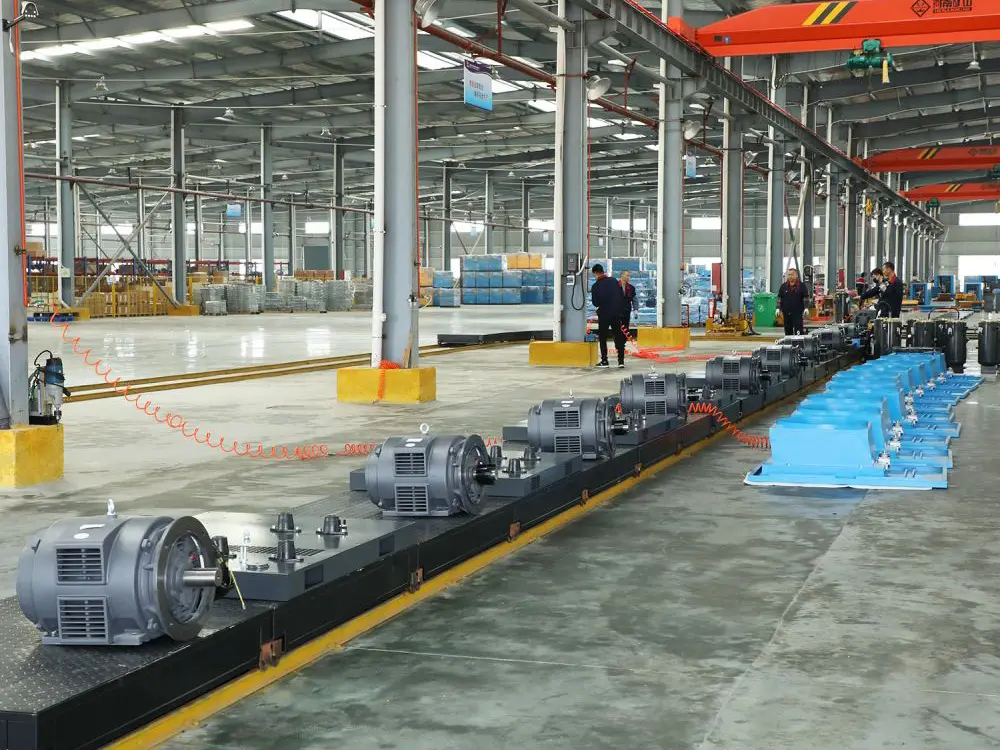
How specialized single-stage screw compression designs meet the unique demands of global industries.
Industrial applications present unique operational challenges. A standard configuration is rarely optimal across different sectors. As experienced OEMs and exporters, we develop customized, application-specific solutions tailored to key global industries:
Many processes do not require standard discharge pressures of 0.7 to 1.0 MPa. Running standard compressors at reduced pressures introduces energy losses due to over-compression. Our low-pressure rotary screw compressors (operating from 0.3 MPa to 0.5 MPa) are built with custom low-pressure airends. By matching rotor designs to these lower pressures, energy consumption is reduced by up to 30% compared to using pressure-reduced standard machines.
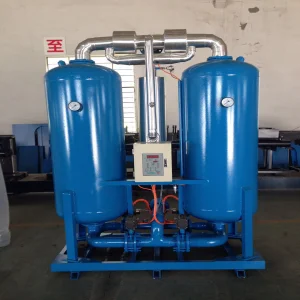
In environments where oil contamination can cause product spoilage or safety issues, dry-type oil-free compressors provide oil-free air (ISO 8573-1 Class 0). These machines feature synthetic resin-coated rotors, carbon seal rings, and separate oil-lubricated gear compartments, preventing oil from entering the compression chamber. By combining these units with micro-heat regeneration desiccant dryers and high-precision filters, the compressed air achieves low dew points and is free of particulates.
For factories with fluctuating air demands, fixed-speed compressors lead to energy waste during unload cycles. Integrating a variable speed drive (VSD) with a permanent magnet motor allows the compressor to adjust its output to match current demand. By eliminating frequent unload cycles and start-up current spikes, overall energy consumption is reduced, and the mechanical wear on bearings and couplings is minimized.
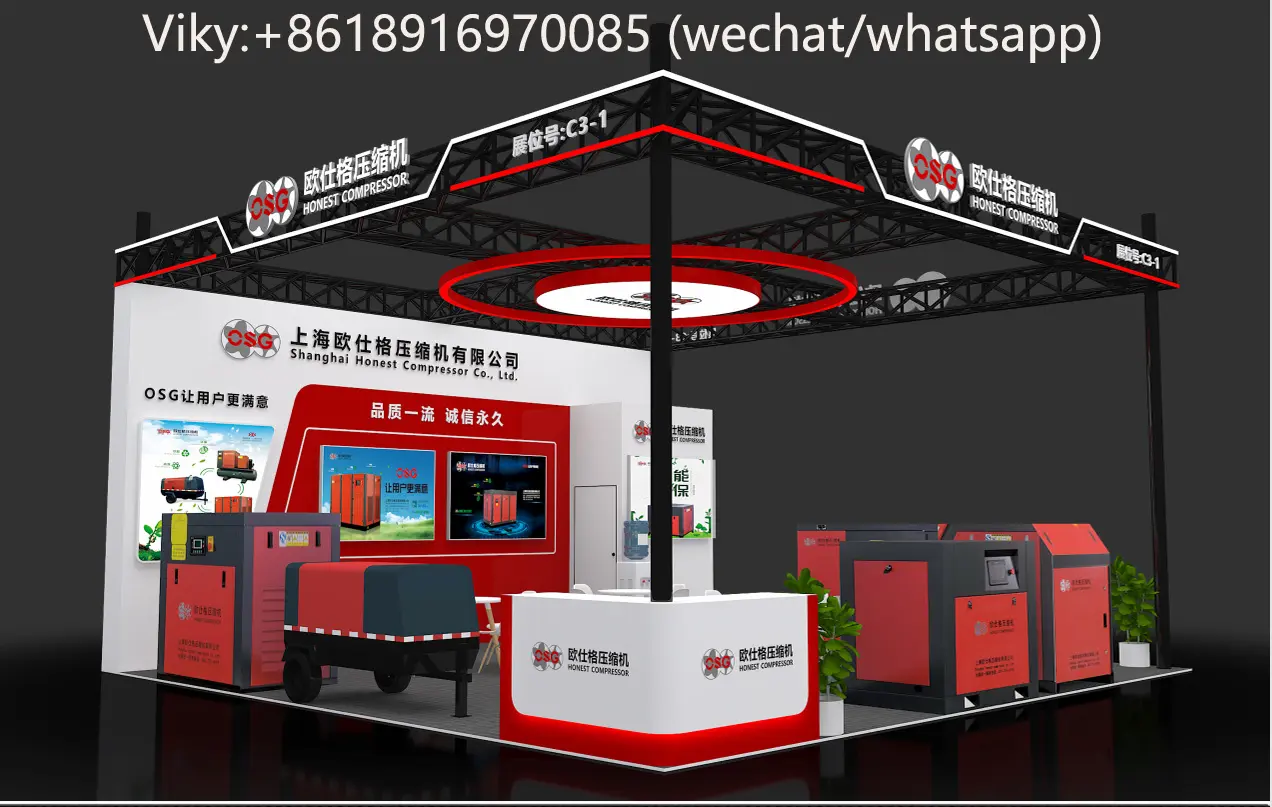
Connecting with industry partners globally and showcasing our latest advancements in compression technology.
Shanghai Honest Compressor Co., Ltd. regularly participates in international trade shows, industrial technology exhibitions, and energy-efficiency seminars to present our new products and gather feedback from global clients.
Detailed engineering explanations answering critical questions about single-stage screw compressors, energy efficiency, and OEM sourcing.
Two-stage compressors compress air in two steps, using intercooling between stages to lower the air temperature and approach isothermal compression. This design can save 8% to 15% in energy compared to older fixed-speed single-stage units. However, modern single-stage compressors equipped with PM motors and VSD drives can offset much of this difference at partial loads. Because single-stage compressors have simpler mechanical designs and fewer moving parts, they offer lower initial purchase costs and simpler maintenance, making them highly cost-effective for installations with variable air demands or smaller budgets.
A Permanent Magnet (PM) VSD compressor reduces operating costs in three main ways:
1. Eliminating Unload Power Losses: Standard compressors keep running even when no air is needed, consuming up to 30% of their full load power. A VSD unit simply stops or runs at a minimal speed.
2. Eliminating Start-up Surges: Soft starting avoids the current spikes common in fixed-speed motors, allowing for smaller electrical supply setups.
3. Precise Pressure Control: Maintaining system pressure within a narrow 0.1 bar band avoids the energy waste associated with over-pressurizing the air network.
Processes like glass container production, yarn texturing, and pneumatic transport only require air pressures between 3 and 5 bar. Utilizing a standard 7-bar or 8-bar compressor and reducing the pressure with valves wastes the energy used for the initial high compression. Dedicated low-pressure screw compressors utilize larger rotors and modified discharge ports designed specifically for these lower pressures, ensuring high volumetric efficiency and reducing energy use.
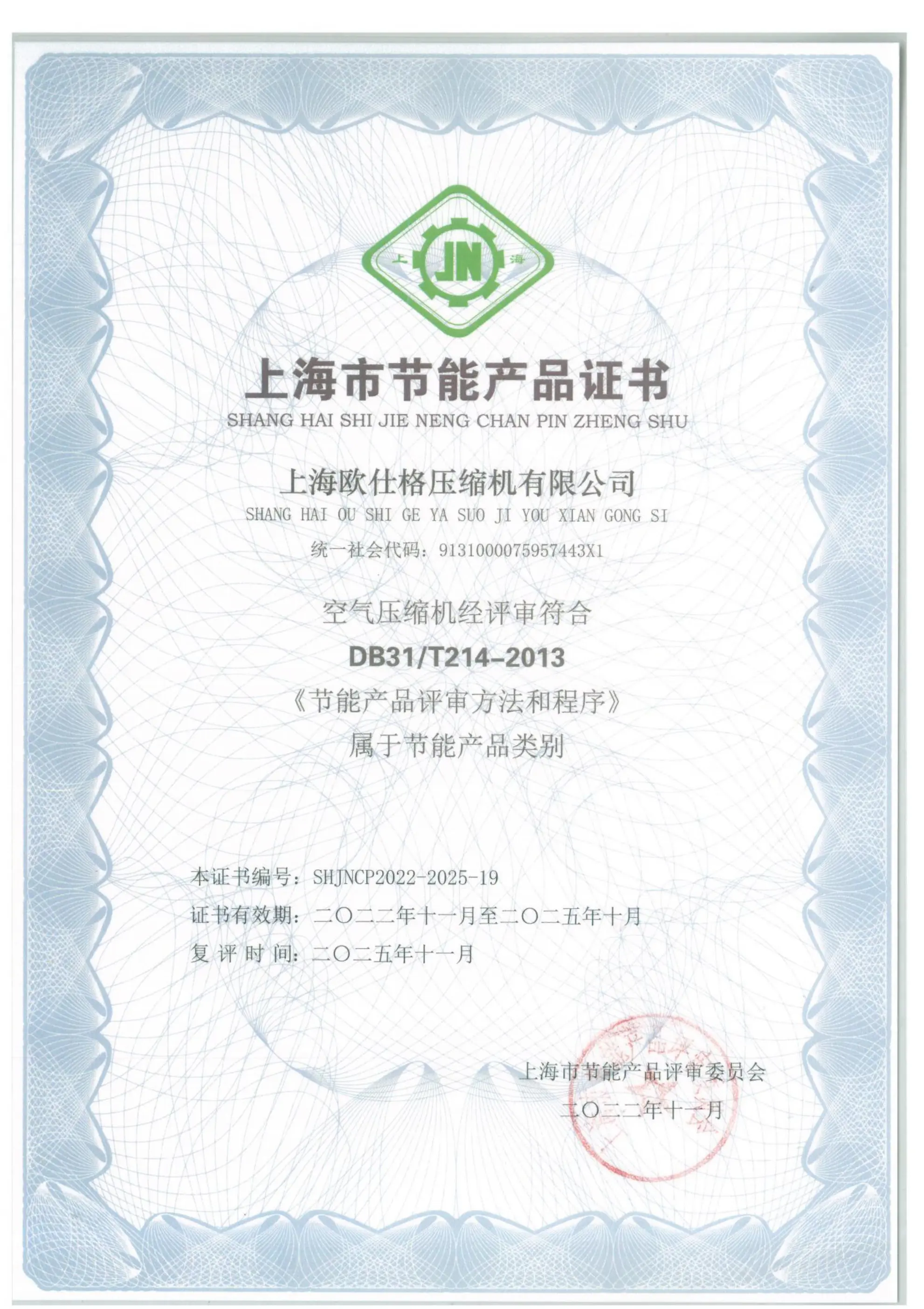
Buyers should confirm that their OEM partners follow standard ISO 9001 quality management guidelines and verify that performance data is tested according to ISO 1217 Annex C or Annex E. Electrical safety certifications like CE for Europe, UL/CSA for North America, and ASME certification for oil separator tanks are essential for regulatory compliance and operational safety.
Regular maintenance includes:
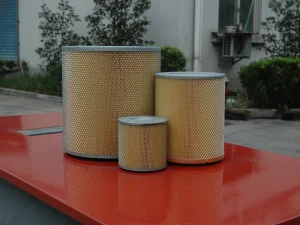
- Air Filter Replacement: Every 2,000 hours, or more frequently in dusty environments.
- Oil Filter and Lubricant Change: Typically every 4,000 hours using high-grade synthetic oil.
- Oil Separator Replacement: Every 4,000 to 8,000 hours to maintain low oil carryover (below 3 ppm).
- Motor Greasing and Bearing Inspection: Subject to runtime hours and motor design.
Explore our industrial range including high-output systems, oil-free designs, vacuum pumps, and drying accessories.