
A semantic, E-E-A-T-led procurement guide for refrigerated air dryers, desiccant systems, compressed-air filters, VSD screw compressors and energy-efficient factory packages built for Siberian winters, industrial uptime and transparent supplier due diligence.
Send Inquiry Now → Review Buyer FAQIn the Novosibirsk market, a buyer searching for an air dryer supplier is usually not looking for a catalogue item in isolation. They are evaluating pressure dew point stability, winter reliability, service access, spare-parts continuity, factory documentation and total compressed-air cost. The four original product links below are retained so procurement teams can move from semantic research to a concrete supplier enquiry.
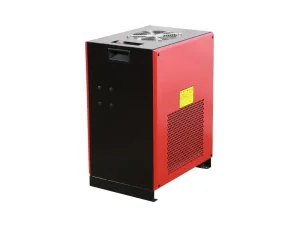
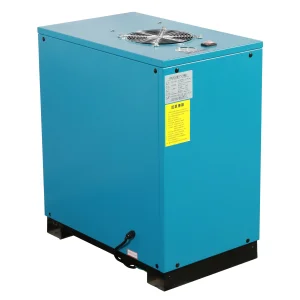
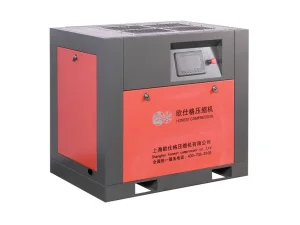
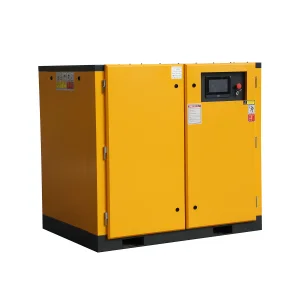
Novosibirsk is not a generic “cold city” checkbox in a compressed-air specification. It is one of Siberia’s most important industrial, logistics, scientific and educational centres, and its continental climate creates extreme seasonal temperature swings. Winter conditions can expose condensate traps, drain valves, control tubing, outdoor actuators and unheated compressor rooms to freezing risk, while summer operation can raise inlet-air temperatures and reduce dryer performance. For Novosibirsk factories, the real purpose of an air dryer is therefore broader than “removing water”: it is to protect pneumatic controls, instrumentation, laser-cutting optics, packaging lines, powder-coating quality, food-processing hygiene, pharmaceutical processes and maintenance workshops from moisture-driven downtime.
The local business landscape includes machine building, metallurgy and metal fabrication, energy and utilities, rail and logistics, food and beverage processing, cold-chain warehouses, pharmaceuticals and biotechnology, construction materials, woodworking, packaging, automation, research instrumentation and precision electronics linked to the Akademgorodok science ecosystem. Tolmachevo Airport and the Trans-Siberian Railway corridor reinforce Novosibirsk’s role as a distribution and service hub for the wider Siberian Federal District. In this environment, procurement teams often compare supplier responsiveness, Russian-language documentation support, remote troubleshooting, spare-parts planning, delivery routes and winterisation details alongside the initial equipment price.
Search intent in the Novosibirsk market is also revealing. High-commercial-intent queries such as “air dryer supplier Novosibirsk”, “refrigerated air dryer factory”, “desiccant air dryer low dew point”, “compressed air dryer for laser cutting”, “ODM air dryer”, “OEM screw compressor supplier” and “air dryer price for compressor” usually map to different decision stages. A distributor may need volume and packaging; a factory may need a custom voltage and integrated skid; a maintenance manager may need a replacement dryer quickly; an EPC contractor may need documentation, test reports and a system-level energy calculation. This guide is structured to support that intent mining process with practical engineering context rather than a wall of generic claims.
This is not a statistical forecast. It is an illustrative buyer-intent model based on common industrial compressed-air requirements in cold continental markets. It helps justify why a supplier should offer multiple dryer technologies rather than one universal box.
The global compressed-air industry is being reshaped by energy cost, carbon reporting, refrigerant transition, digital monitoring and supply-chain resilience. Air compressors and dryers are long-life assets, but they are also energy-intensive. A dryer that appears inexpensive at the quotation stage can become costly if it creates high pressure drop, requires frequent service, loses dew-point control at part load or cannot be maintained with locally available spares. For Novosibirsk buyers, the most reliable supplier conversations therefore combine product data with system data: required flow, pressure, inlet temperature, ambient conditions, duty cycle, air-quality class, voltage, control strategy, installation layout and service plan.
Refrigerant regulation is another global issue. R22 has been phased down in many markets, and buyers increasingly ask about lower-GWP refrigerants, leak detection, service gas availability and documented compliance. R134a, R407C and R410A configurations may remain relevant in specific regions and product lines, but the correct choice must be confirmed against local regulations, service infrastructure and the manufacturer’s technical documentation. At the same time, permanent-magnet motors, variable-speed drive compressors, two-stage compression, heat recovery, zero-purge or low-purge desiccant designs, cycling dryers, intelligent controls and remote monitoring are moving from premium options to mainstream efficiency discussions.
| Dryer / air-quality route | Typical pressure dew point | Energy and operating profile | Best-fit Novosibirsk applications |
|---|---|---|---|
| Air-cooled refrigerated dryer | Approx. +3°C to +10°C, application-specific | Moderate energy use; simple maintenance; performance depends on ambient and inlet conditions | General factory air, workshops, packaging, pneumatic controls, non-critical instrumentation |
| Heatless desiccant dryer | Approx. -40°C to -70°C, model-dependent | High purge-air demand; stable ultra-dry air; higher operating cost | Outdoor piping, low-temperature processes, pharma, electronics, critical instruments |
| Blower-purge / heated desiccant dryer | Low dew point, application-specific | Lower purge loss than some heatless designs but more complex; evaluate at system level | Large industrial flows requiring dry air with energy-conscious operation |
| Cycling refrigerated dryer | Similar range to refrigerated dryers | Can reduce energy at partial load; controls and thermal storage matter | Variable-demand factories, machine shops, food processing, logistics hubs |
| Membrane dryer | Point-of-use dependent | Compact and simple; purge-air consumption and selectivity must be reviewed | Instrument air, analyser houses, remote cabinets, niche point-of-use protection |
A trustworthy factory evaluation should also examine how the supplier controls quality: incoming components, welding and pressure testing, electrical safety, performance testing, documentation, packaging for long-distance transport and after-sales responsiveness. In global sourcing, ODM/OEM capability is valuable only when it is supported by engineering review, traceability and a clear warranty process. That is the practical meaning of E-E-A-T in this industry: real experience with installations, demonstrable expertise in air systems, authoritative product documentation and transparent, reliable communication.
Air dryers are selected by application risk, not by city name alone. The scenarios below show how Novosibirsk industrial buyers can translate climate and process requirements into a more precise supplier enquiry.
Dairy, meat, bakery, beverage and frozen-food operations use compressed air for filling, packaging, conveyors, actuators and cleaning systems. Moisture can affect product contact, packaging quality and freezer-area reliability. Refrigerated dryers with appropriate filtration are common, while high-risk points may require dryer and filter combinations selected against a defined air-quality class.
Novosibirsk’s research and technology ecosystem places high value on stable, clean and dry instrument air. Low-dew-point desiccant dryers, oil-free compressors and high-efficiency filters may be relevant. The supplier should provide clear documentation for dew point, oil carryover, filtration and control logic so technical reviewers can compare systems fairly.
Laser cutting, plasma systems, powder coating and pneumatic tools are sensitive to water, oil and pressure fluctuation. A 20 bar screw compressor for laser cutting may be paired with high-performance dryers and filters. In winter, outdoor condensate lines and drains require freeze protection and a maintenance routine.
Actuators, workshops, control valves and remote equipment need robust compressed-air systems that tolerate dust, vibration and cold. Heavy-duty filtration, cycling or refrigerated dryers, low-pressure compressor options and accessible service points matter. Buyers should ask for spare-parts lists and recommended service intervals.
Pneumatic doors, sorting equipment, maintenance depots and loading systems around the Trans-Siberian and Tolmachevo logistics network require reliable air. Rapid repair and replacement are often as important as energy efficiency. Modular packaged compressors and dryers can reduce installation time in existing buildings.
Robots, sensors, pick-and-place systems and pneumatic automation demand stable pressure and clean air. VSD permanent-magnet compressors, low-noise enclosures, refrigerated or desiccant dryers and smart monitoring can improve uptime. For factory integration, the supplier should be able to discuss control interfaces and remote alarm options.
The next decade of air-dryer and compressed-air development will be judged by outcomes rather than labels. Buyers in Novosibirsk will increasingly ask for measured dew-point stability, pressure-drop data, specific power, serviceability, refrigerant transition plans and remote diagnostics. The roadmap below is a practical way to think about future-proofing without over-specifying equipment that a plant does not need.
VSD permanent-magnet compressors, cycling refrigerated dryers, improved heat exchangers, winterised drain valves, low-GWP refrigerant options and clear documentation become core selection criteria. A factory should be able to explain what changes for -25°C to -35°C ambient conditions.
Dew-point sensors, differential-pressure monitoring, kWh measurement, remote alarms and leak surveys help convert compressed air from an invisible utility into a managed cost. Integrated dryer-filter-compressor skids reduce installation risk and improve accountability.
Heat recovery from screw compressors, two-stage compression, zero-purge or low-purge desiccant designs, and more intelligent part-load control support carbon and energy goals. Retrofitting existing plants can be more attractive than full replacement when the dryer and piping network are properly audited.
AI-enabled sizing, anomaly detection and predictive maintenance will help maintenance teams act before dew-point drift or filter blockage causes downtime. Human engineering review will remain essential, especially for food, pharma, laser cutting and remote Siberian sites where a wrong assumption can be expensive.
For macro planning, success metrics should include pressure dew point stability, pressure drop across filters and dryers, energy per unit of compressed air, oil carryover, condensate handling, filter life, unplanned downtime, spare-part lead time and documentation completeness. These metrics create a more reliable supplier comparison than headline horsepower or a single price figure.
A macro solution should connect demand, air quality, energy, maintenance and procurement. For an industrial plant, the sequence usually starts with an air audit: map all consumers, measure flow and pressure, identify critical points, define the required dew point and filtration class, study ambient conditions, then select compressor, dryer, filters, drains, receivers and piping as one system. This avoids the common mistake of buying a dryer that is technically adequate but operationally mismatched to winter ambient, duty cycle or service capability.
Define flow, pressure, duty cycle, allowable pressure dew point, oil-carryover limit and particulate/water/oil classes. For critical processes, separate high-purity point-of-use treatment from general plant air.
Combine screw or piston compressors, refrigerated or desiccant dryers, coalescing and particulate filters, oil-water separators, receivers and smart controls. Consider redundancy for critical lines.
Protect drains, exposed piping and control cabinets; confirm ambient ratings; plan ventilation and heat recovery; verify electrical voltage, frequency and protection class; define commissioning checks.
Review test procedures, pressure and leak checks, electrical safety, control logic, documentation, packaging and spare-parts recommendations. Request model-specific data rather than generic brochures.
Plan filter changes, separator replacement, refrigerant service, sensor calibration and drain maintenance. A factory-direct supplier should support long-term parts availability and remote troubleshooting.
Measure specific power, pressure drop and dryer purge consumption. Compare total lifecycle cost, not only purchase price. Heat recovery and leak reduction often improve payback faster than oversizing equipment.
Send flow, pressure, dew point, voltage and ambient conditions. Our team will help match the original product families to your application.
These original product links support system-level sourcing for Novosibirsk integrators. They cover refrigerated drying, two-stage compression, low-pressure air and service filtration—four categories that frequently appear in the same industrial enquiry.
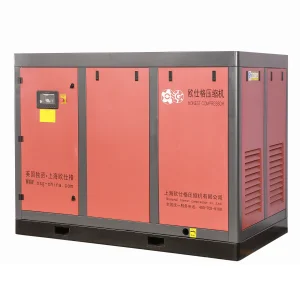
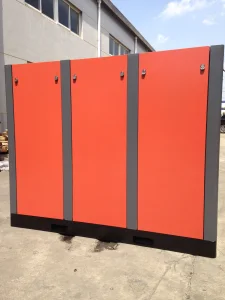
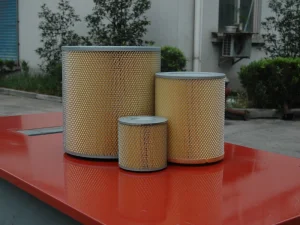
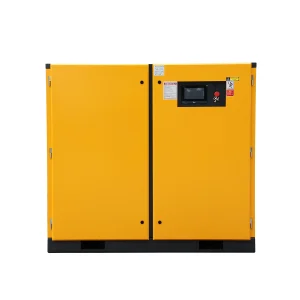
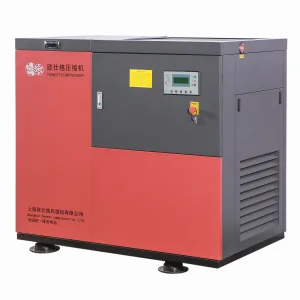
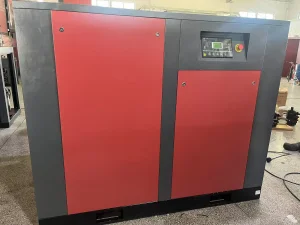
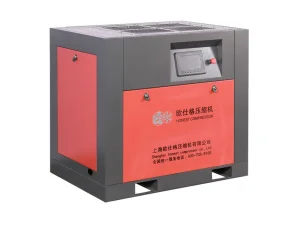
The original factory portfolio below is retained with its product images, titles and “See more products” links. For Novosibirsk buyers, these compression-engine product families are relevant when a project requires more than a single dryer: packaged screw compressors, oil-free options, two-stage high-power units, VSD PM systems and integrated all-in-one designs can be evaluated as part of a complete compressed-air room.
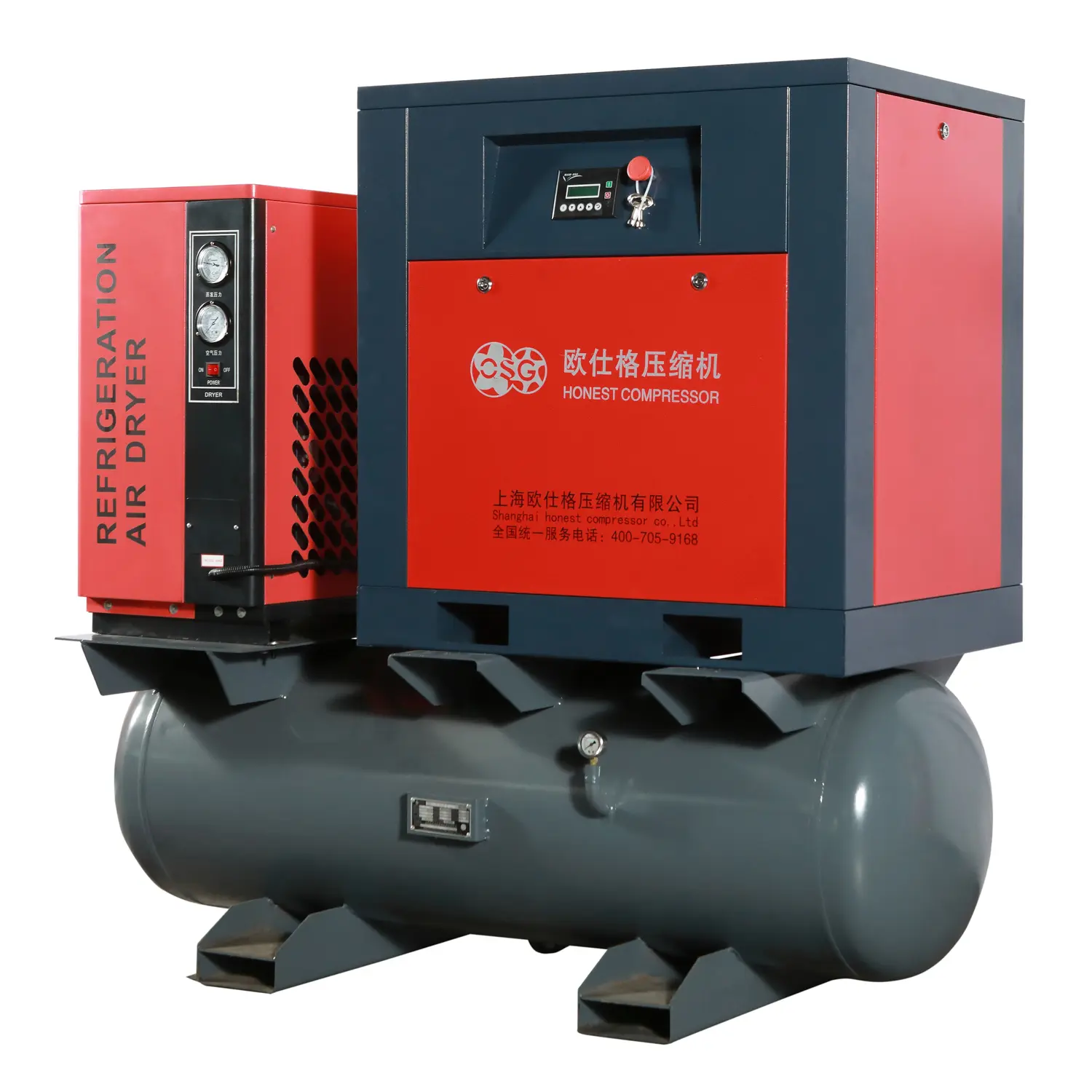
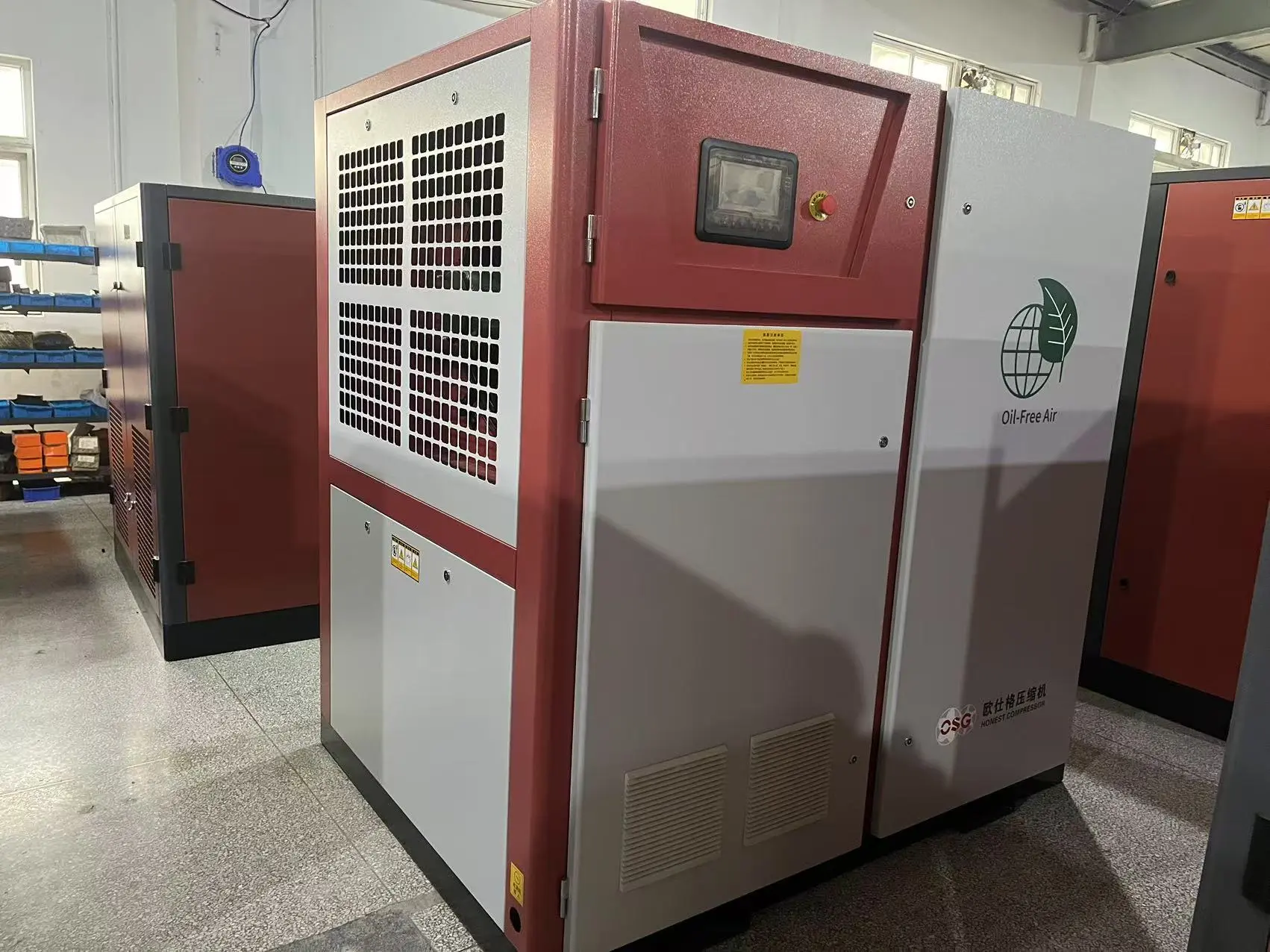
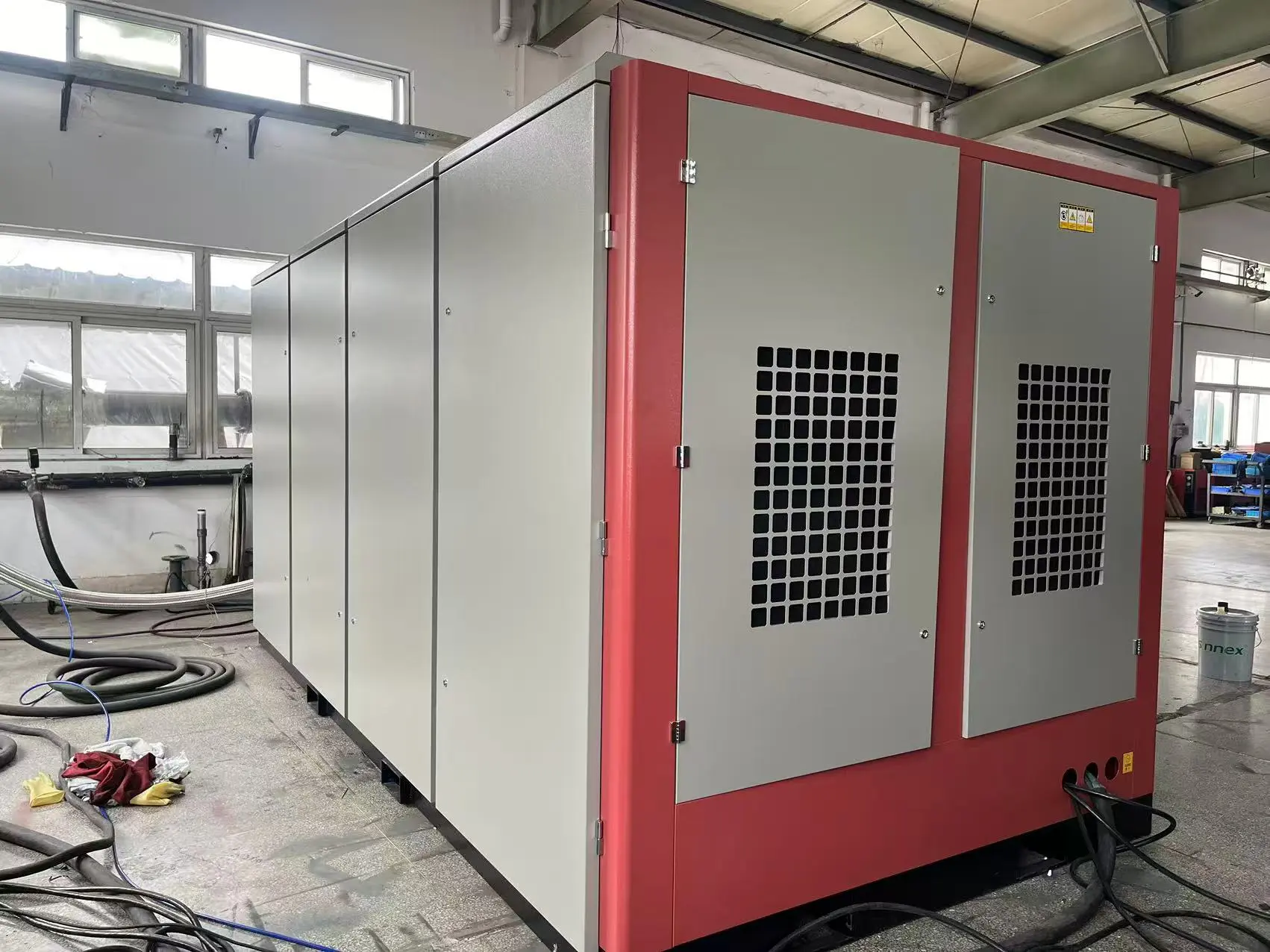
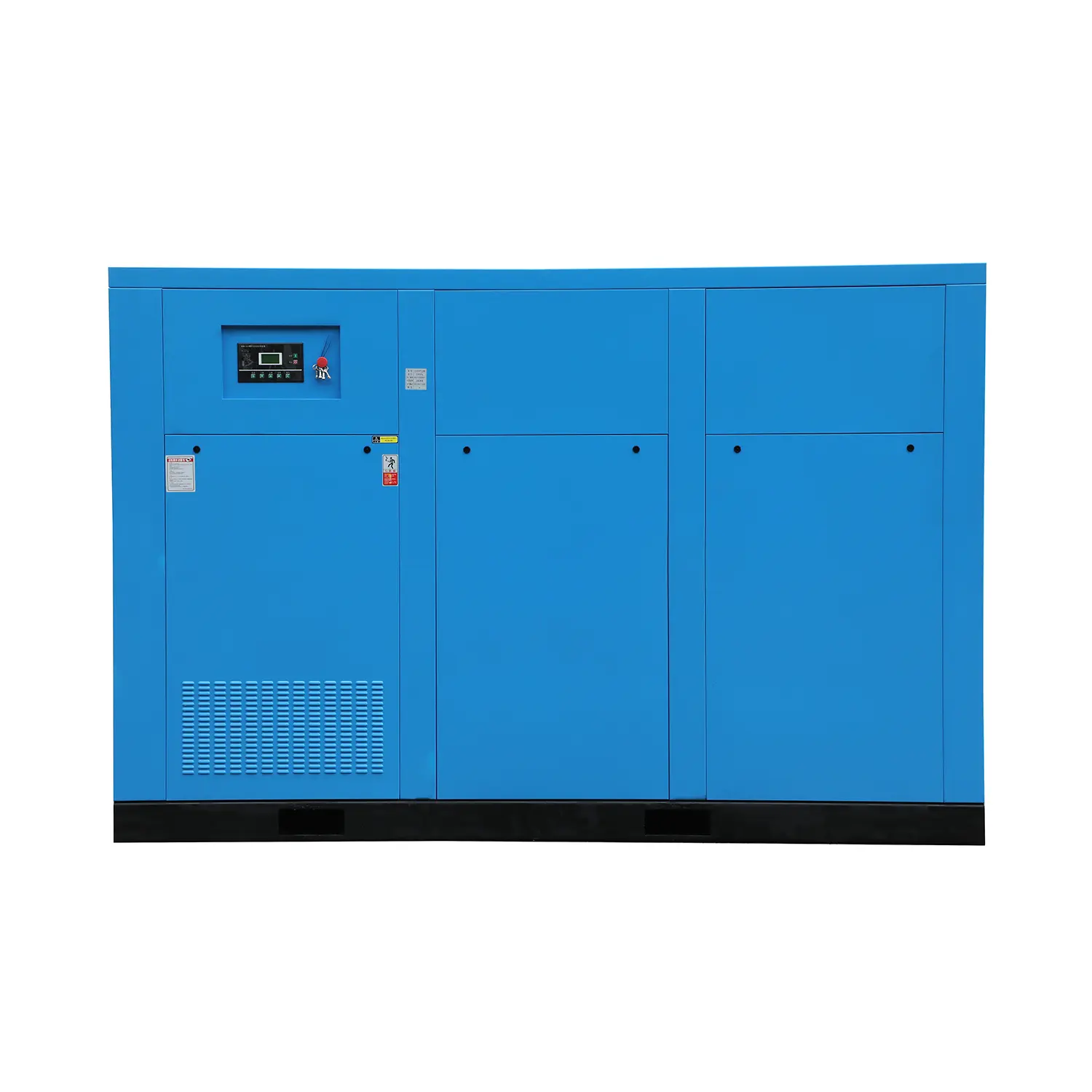
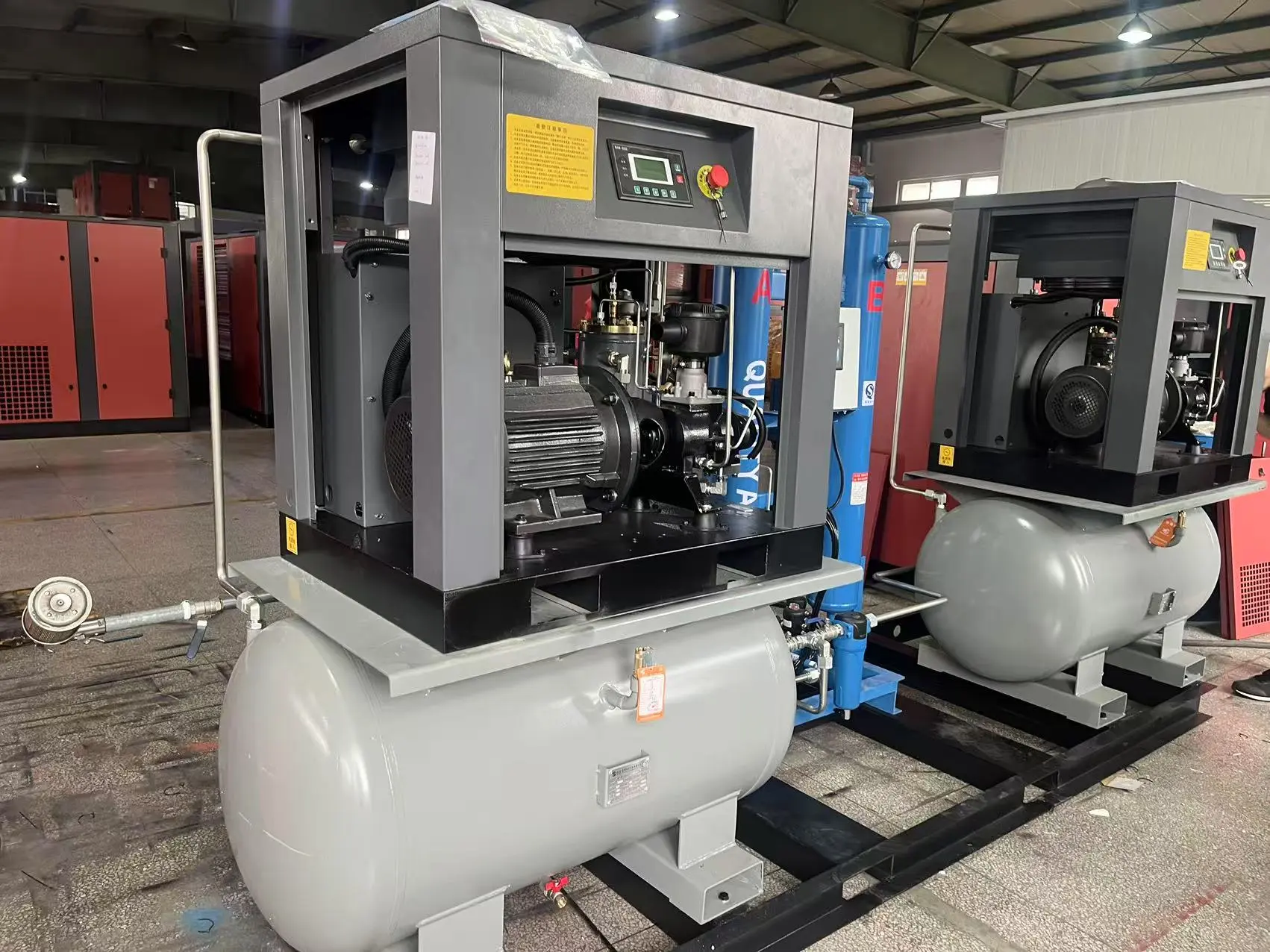
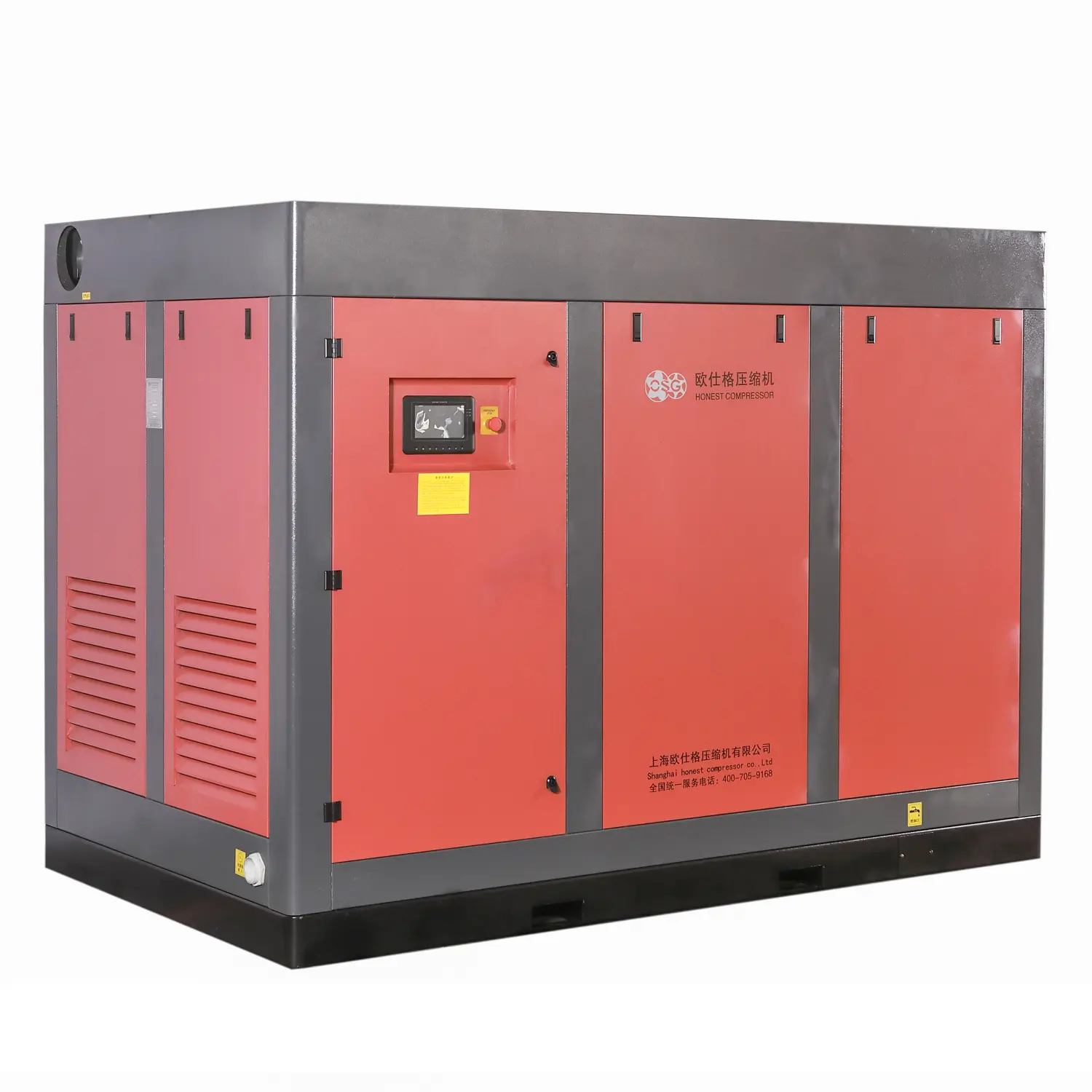
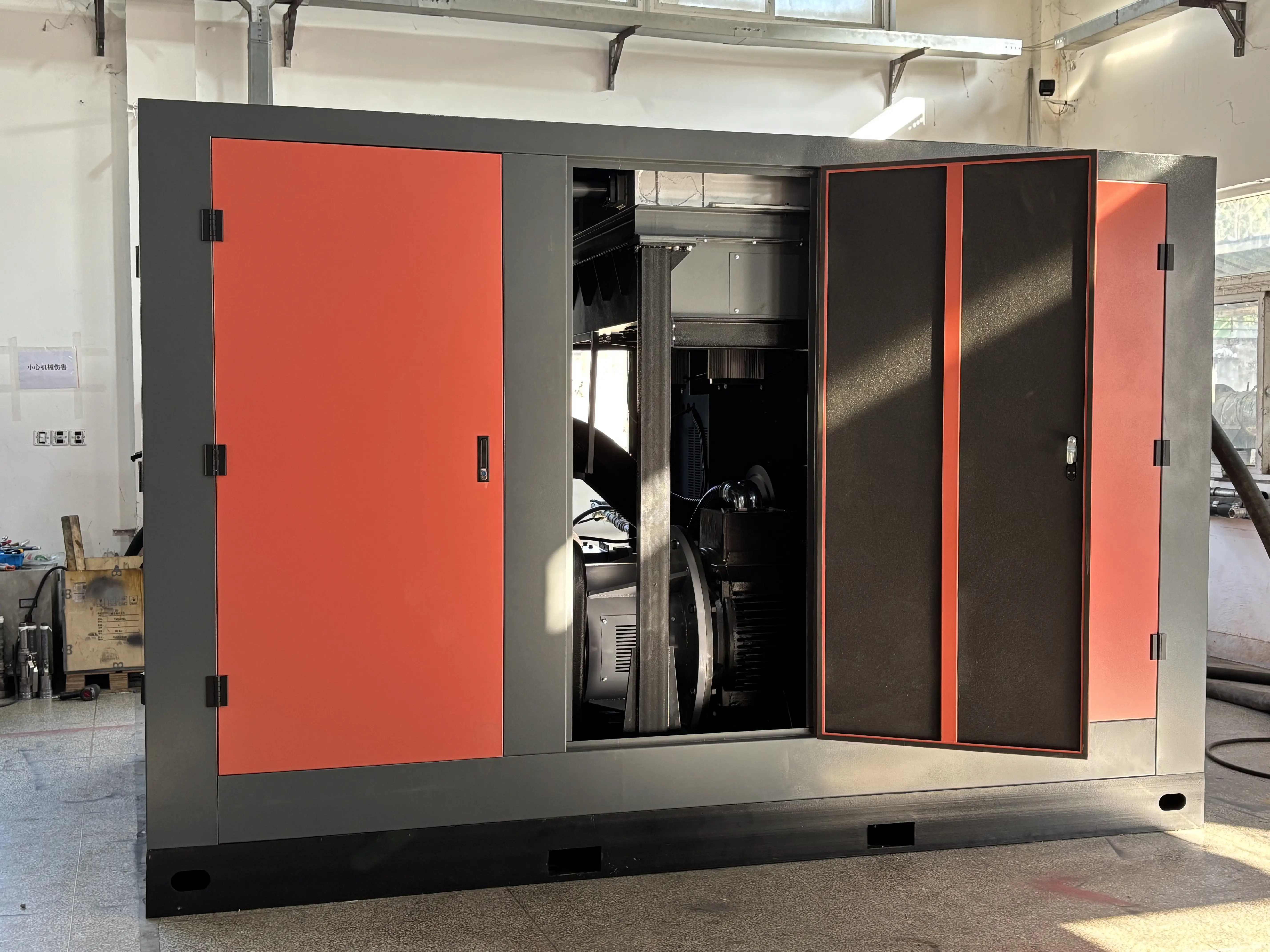
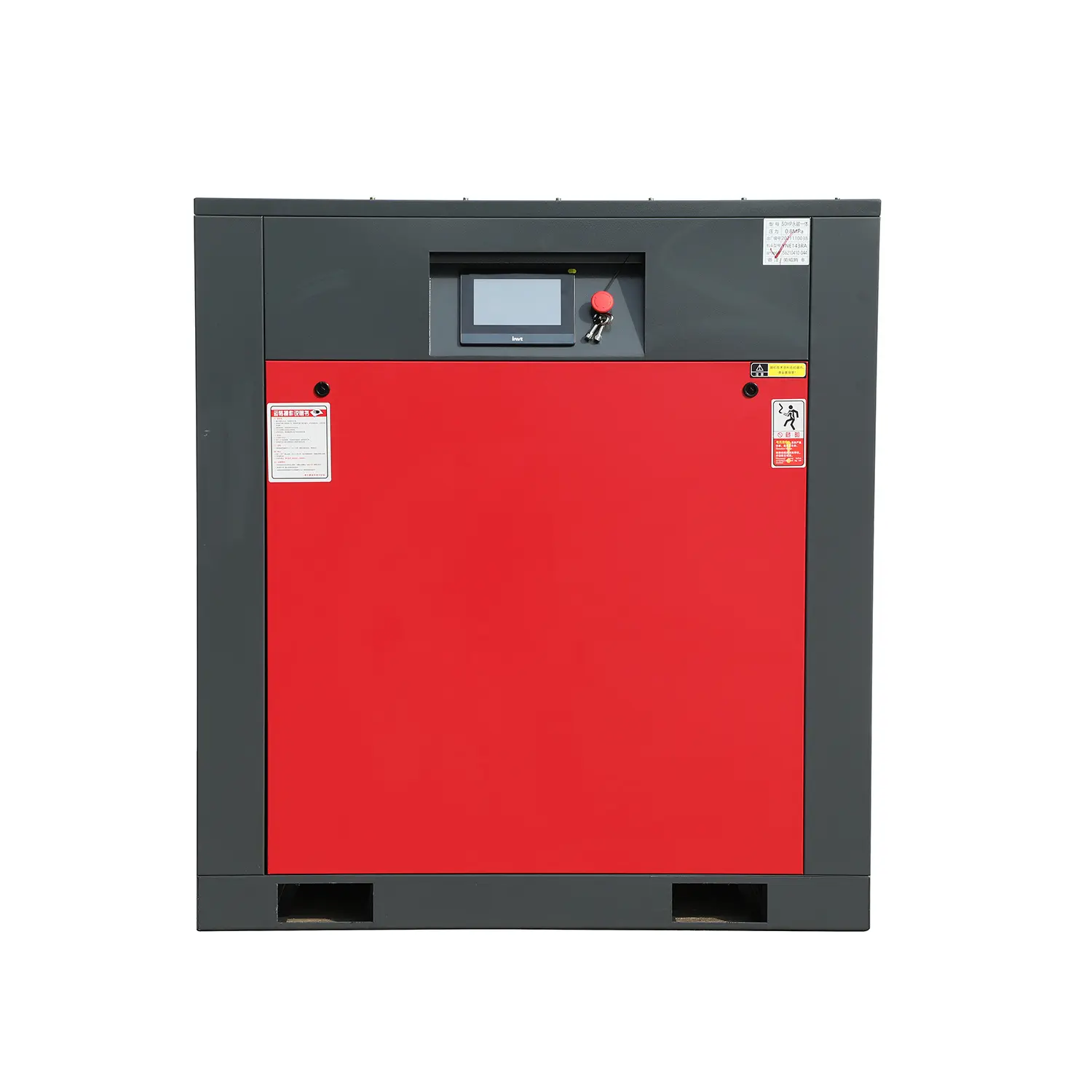
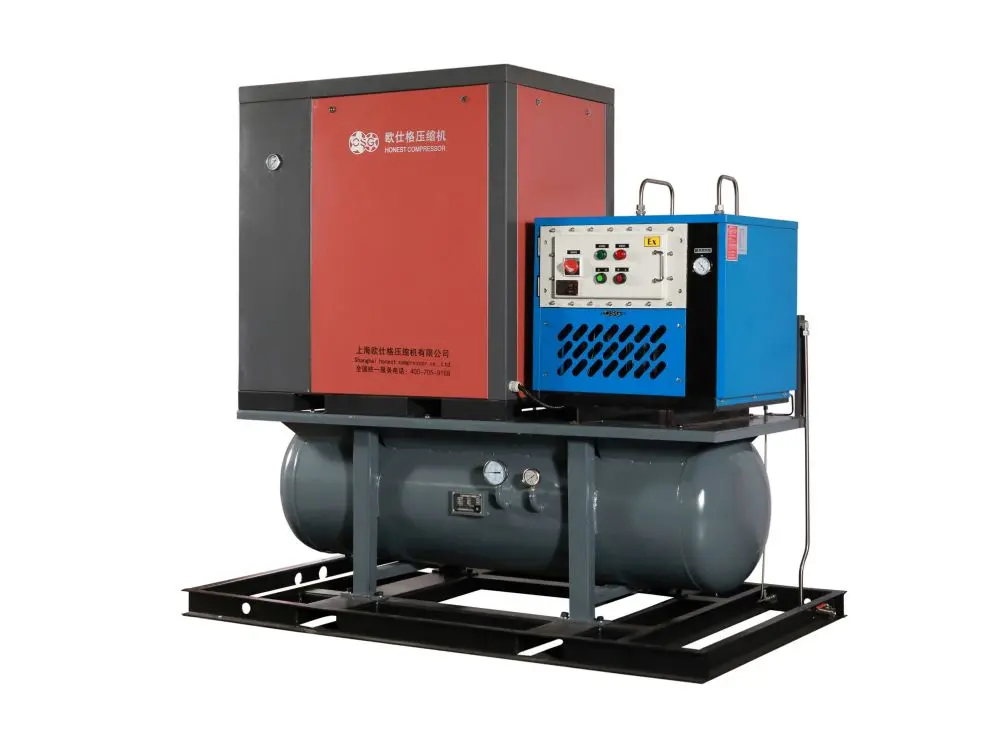
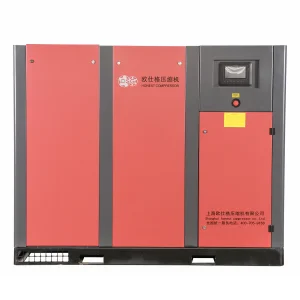
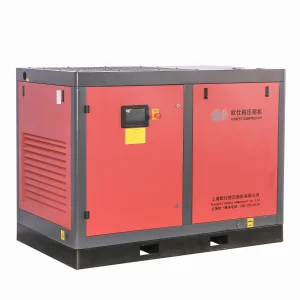
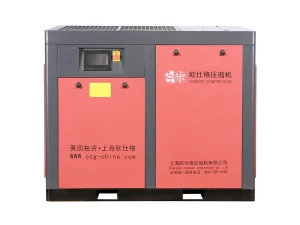
Integrated screw air compressor Integrated explosion-proof screw air compressor Factory wholesale low prices We do many OEM for international famous brand Energy-saving and ultra silent High quality accessories Warranty:1 year for whole machine Certification:ISO,CE,etc. Professional online consultant to solve your question about compressor system. Free site design consultant, and energy saving solution to help you save operation cost. Negotiable technical available to service machinery over...
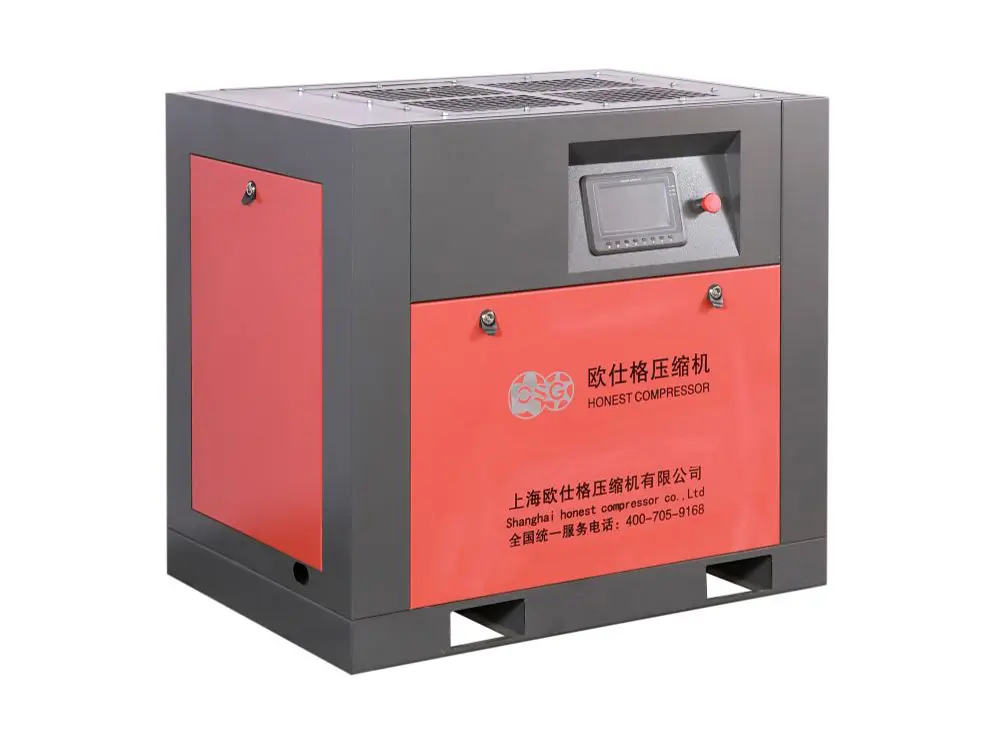
Model XD-8A Free air delivery 0.8-1.2m3/min Working pressure 7~12bar Control automatic PLC controller Driven direct driven, elastic coupling Starting star triangle start Cooling by air Electric motor 380v/50hz/3ph,IP55 Discharge temperature less than ambient +8 ℃ Noise less than 63dB(A) Air outlet size G1/2” Dimension 850*670*870mm Weight 178kg The screw compressor is a volumetric gas compression machine whose working volume makes a rotary motion. The compression...
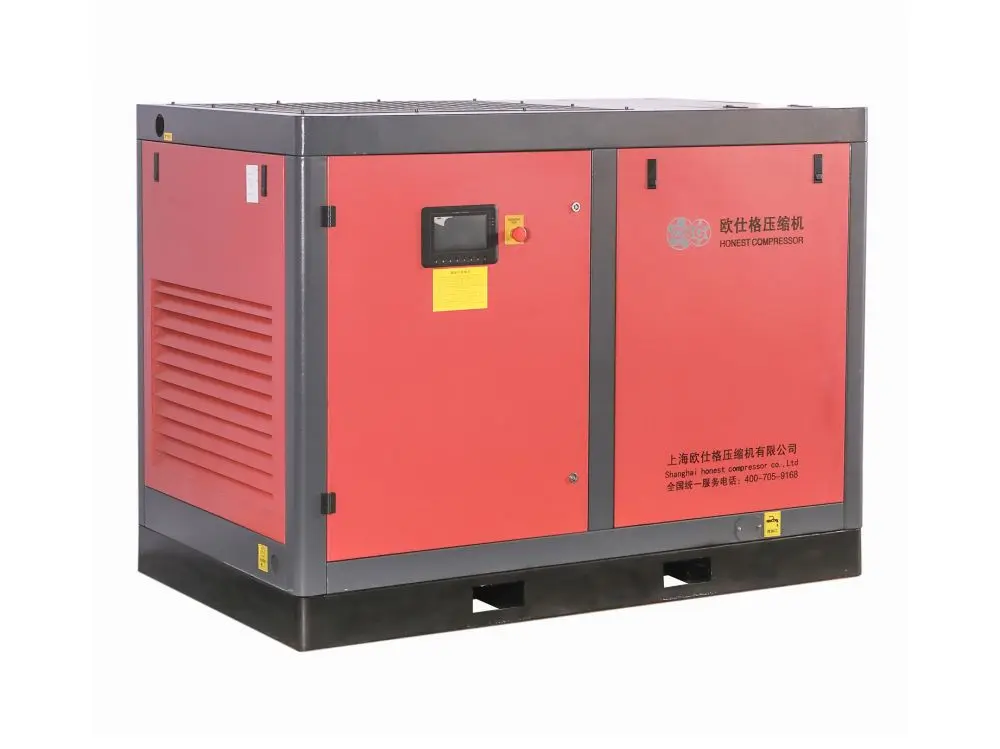
The two-stage compression oil injection screw air compressor has a reasonable equal pressure ratio, ultra-small leakage, and ultra-low noise host design. It combines the first-stage compression rotor and the second-stage compression rotor in one casing, and directly drives them respectively through the front gear, so that each stage of the rotor can obtain the best line speed matching the gas production during operation, and at the same time, the reasonable compression The ratio can effective...

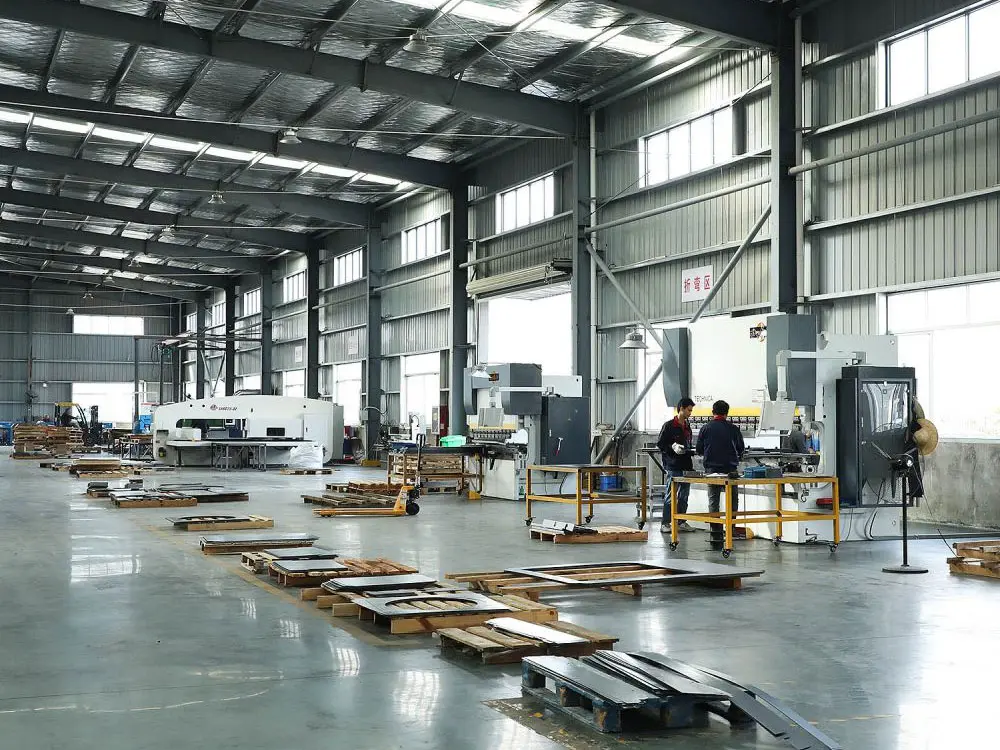
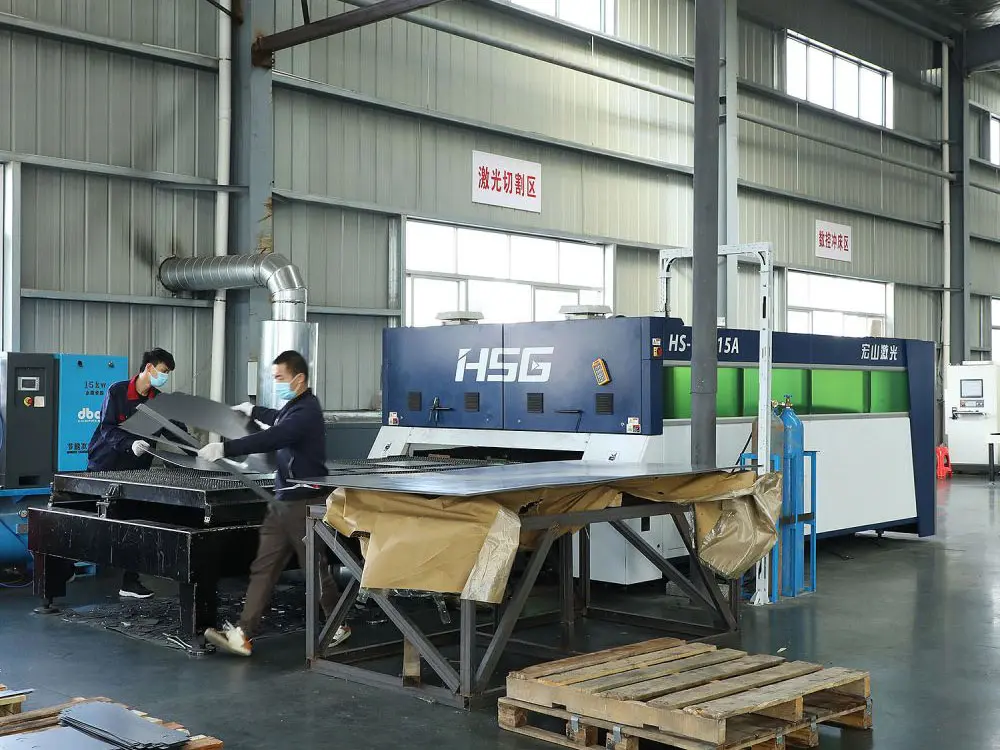
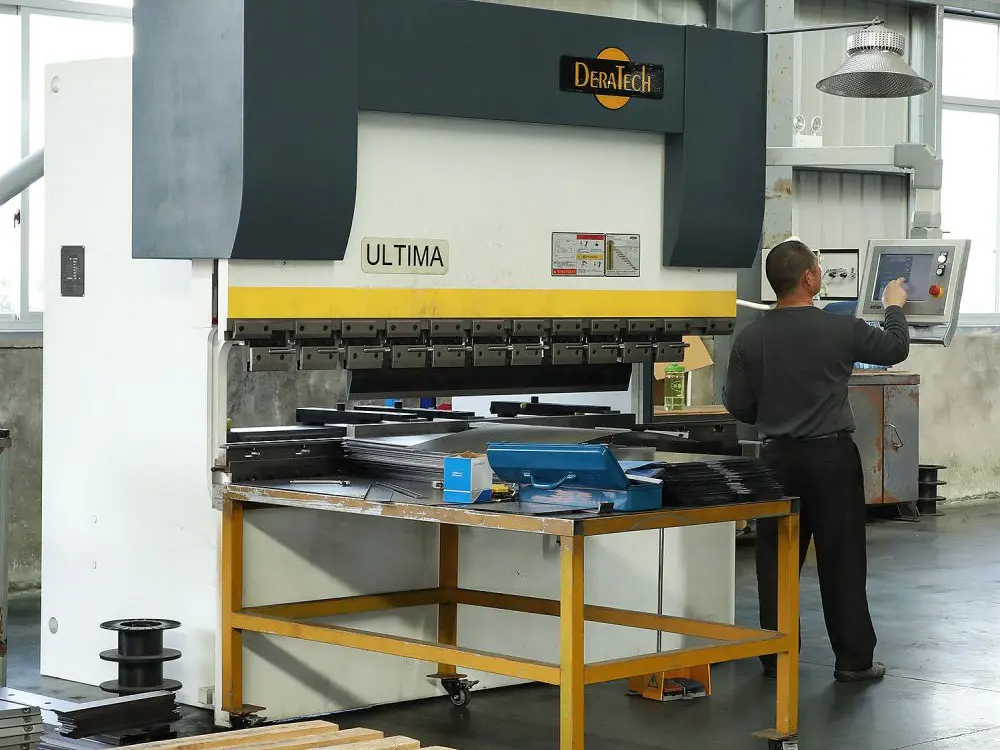
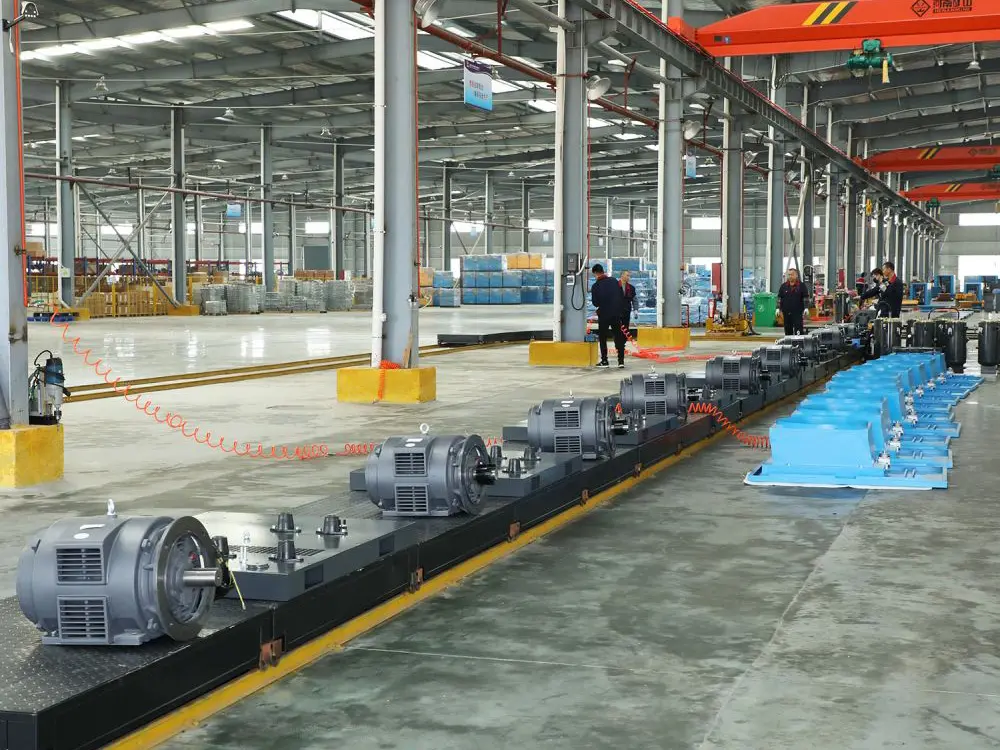
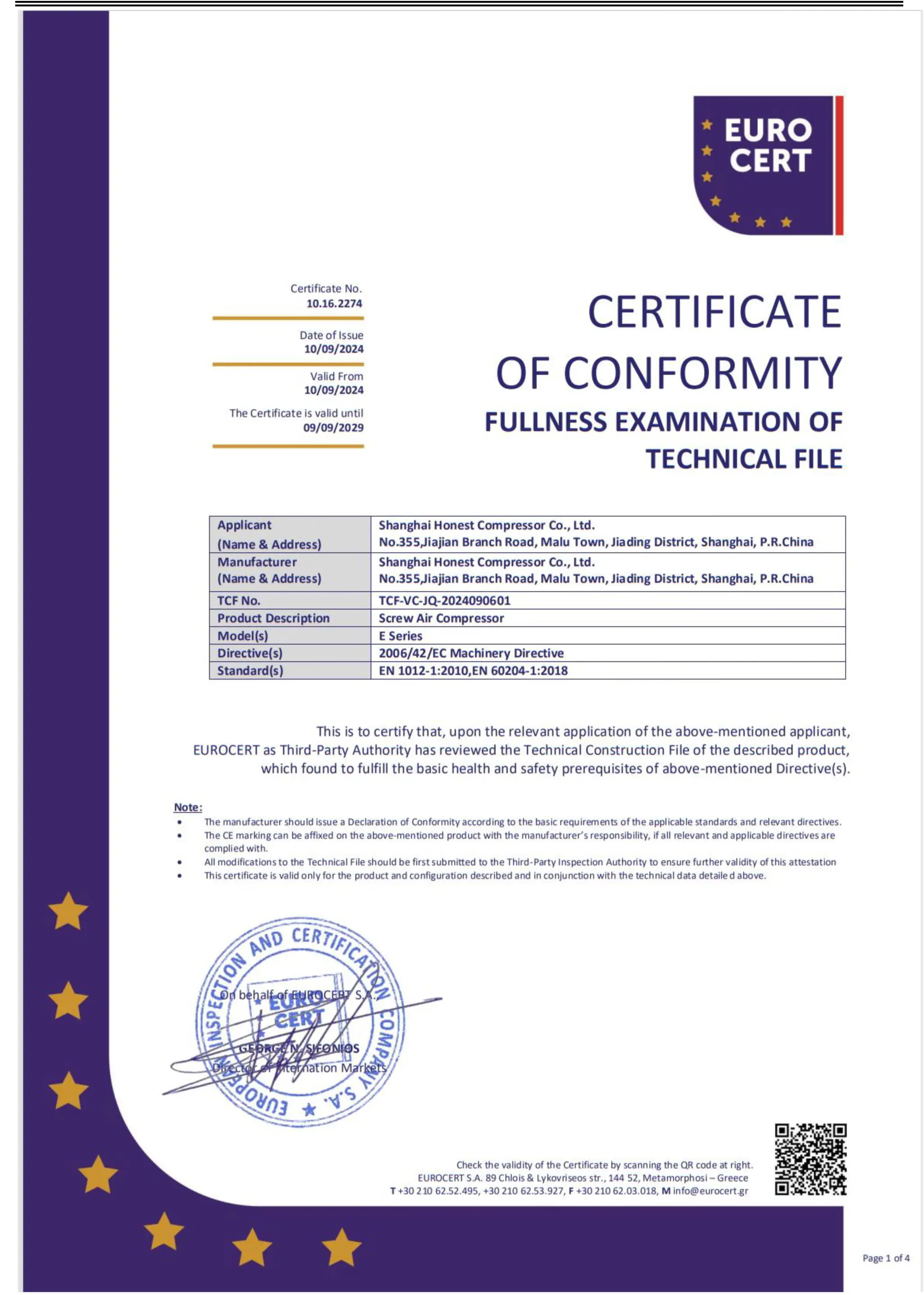

Shanghai Honest Compressor Co., Ltd. is a British-owned enterprise. It was founded in early 2004. The production address is located at NO. 355 Jiajian Branch Road, Malu Town, Jiading District, Shanghai, China.It is a large-scale manufacturing enterprise specializing in the production of twin-screw air compressors in China. At the same time It is also an important supplier of air system solutions. Provide various types of piston air compressors (low pressure, medium pressure, high pressure, oil-free air compressors), screw air compressor systems (3KW-480KW various screw air compressors, gas separation equipment, refrigerant Compressors, cold dryers, filters, ceramic membrane filtration systems) and various equipment accessories and consumables.
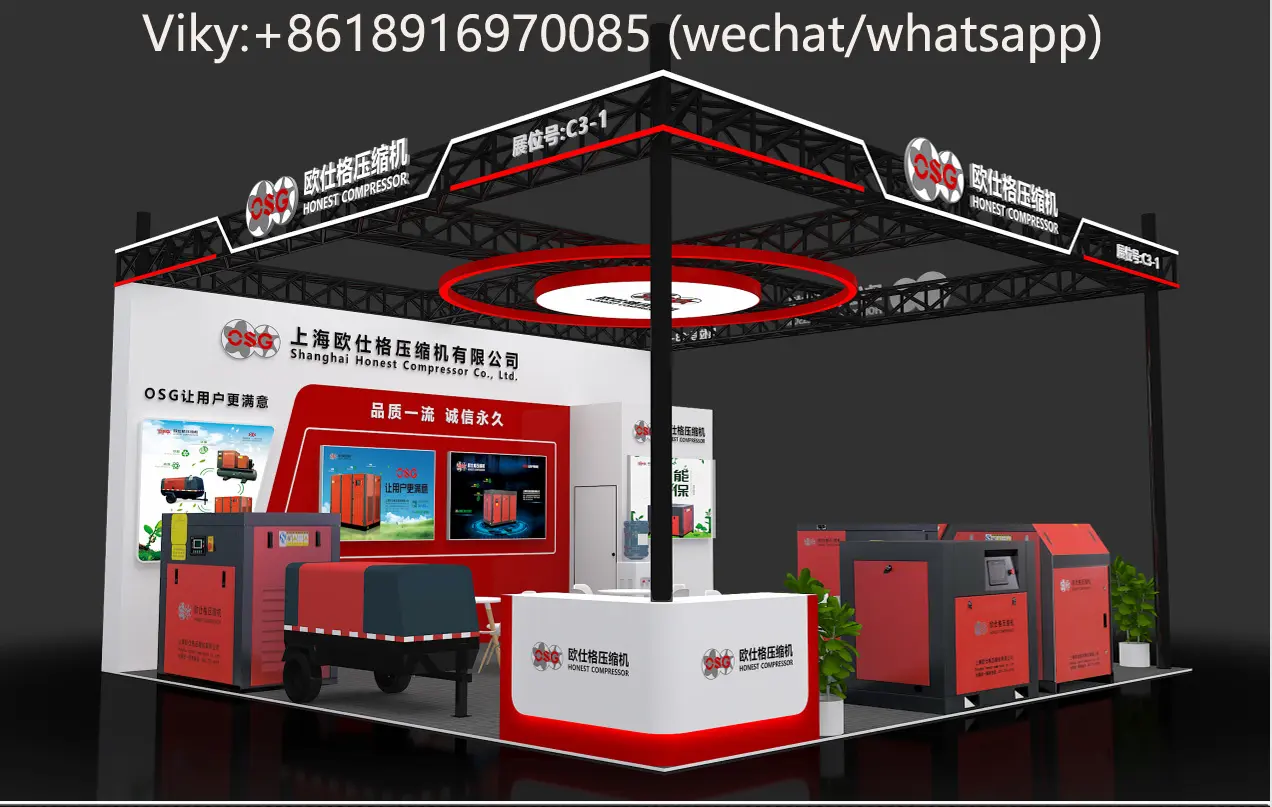
Trade shows remain useful for verifying factory capability, meeting technical teams and comparing components side by side. For Novosibirsk distributors and industrial buyers, exhibition evidence should be treated as one signal among many: ask for current product documentation, model-level test data and a clear after-sales contact path.
According to MRFR analysis, the dry vacuum pump market size is valued at US$ 5.97 billion in 2024. The dry vacuum pump market is expected to grow from US$ 6.17 billion in 2025 to US$ 8.28 billion in 2034, registering a ...
Why it matters for Novosibirsk: vacuum and compressed-air technologies often sit inside the same industrial utility, maintenance and procurement conversations. Growth in dry vacuum systems signals continued demand for contamination control, energy-efficient operation and documented serviceability—criteria that also apply to air dryers and compressed-air filters.
Discuss your air system →There is no single answer. A refrigerated dryer is often appropriate for general plant air because it protects most pneumatic tools and controls at a reasonable operating cost. However, if piping runs outdoors, if instruments require sub-zero pressure dew points, or if the process is sensitive to moisture, a desiccant dryer or a combined dryer/filter architecture may be required. The specification should include winter ambient, inlet-air temperature, duty cycle, drain protection and maintenance access.
Choose refrigerated drying when the required pressure dew point is above freezing and the application is general industrial air. Choose desiccant drying when the process needs a low dew point, such as outdoor piping in severe cold, critical instrumentation, electronics, pharmaceutical or certain food applications. Always compare energy use, purge loss, pressure drop and service complexity, not only purchase price.
The original product portfolio includes ODM/OEM language and multiple compressor and dryer families. For a real project, confirm the exact voltage, frequency, phase, protection class, control interface, refrigerant, documentation language and packaging requirements in the quotation. Customisation should be documented with drawings and model-specific data before production.
Send required flow in m³/min or CFM, working pressure, maximum inlet temperature, ambient temperature range, required pressure dew point, voltage and frequency, duty cycle, air-quality class, installation location, available space, preferred dryer technology and any certification or documentation needs. Photos of the compressor room and piping layout can also improve the recommendation.
Filters protect the dryer and downstream process from oil, water and particles. Oil separators and filter elements are maintenance items that influence air quality and pressure drop. A complete system should include pre-filtration, post-filtration, drain strategy and an oil-water separation plan. Replacing filters on time is often more important than adding extra equipment.
Laser cutting often requires high-pressure, clean and dry air. The original portfolio includes a 20 bar screw compressor for laser cutting. The dryer and filter package must be selected for the actual cutting process, air quality and duty cycle. Confirm pressure stability, dew point, oil carryover and service access before installation.
Ask for the factory address, production photos or video, model-level test reports, quality-control process, certification documents where applicable, warranty terms, spare-parts list and recent export packaging details. Compare technical responses across suppliers. A good factory will answer specific questions about dew point, pressure drop, refrigerant, electrical configuration and maintenance intervals.
Plan a critical spare-parts list based on the installed equipment: filter elements, separator elements, drain valves, sensors, belts or couplings where applicable, control components and refrigerant service considerations. Confirm remote support channels, documentation language, recommended maintenance intervals and shipping lead times to Novosibirsk before commissioning.
The final showcase retains the remaining original product URLs and images. These eight configurations support high-efficiency compression, laser cutting, low-pressure processes, permanent-magnet VSD systems, two-stage compression and replacement service filters. Each product button opens the original product page.

Share your required dew point, flow, pressure, ambient temperature range and compressor details. Use the fixed contact link to send an enquiry now.