Executive Whitepaper: Industrial Evolution of Air-Cooled Compressed Air Architectures
In modern industrial manufacturing environments, compressed air is often categorized as the "fourth utility." Ensuring a reliable, continuous, and highly energy-efficient supply of compressed air is critical to maintaining productivity, ensuring product safety, and controlling operational overheads. Choosing between air-cooled and water-cooled compression technologies represents a fundamental design path that directly influences capital expenditures (CAPEX), operating expenditures (OPEX), and overall systems resilience.
"Air-cooled screw air compressors have emerged as the dominant configuration for modern industrial operations, driven by their lower installation complexity, virtual elimination of water treatment overheads, and superior adaptability to variable climates."
Macro Industry Dynamics: The Shift to Decentralized and High-Efficiency Air Systems
Historically, heavy industrial setups relied on massive, centralized water-cooled reciprocating or centrifugal air stations. However, the modern industrial landscape is shifting towards localized, modular, and highly efficient twin-screw air systems. Driving this shift is the rising cost of cooling-water systems, environmental compliance regulations regarding thermal water discharge, and the risk of production downtime due to scaling and fouling in water jacket heat exchangers.
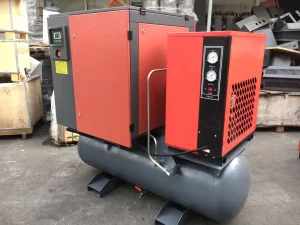
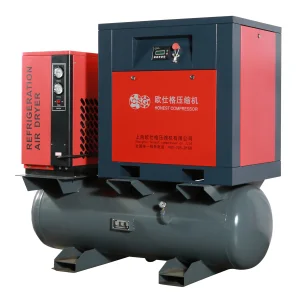
For operations utilizing laser cutting, automotive assembly lines, chemical processing plants, and food packaging machinery, air-cooled systems provide distinct advantages. By eliminating the necessity of external cooling towers, water pumps, piping, and chemical filtration systems, operators can reduce their overall site footprint while decreasing installation costs by up to 40%.
Micro-Architectural Engineering: How Air Cooling Achieves Thermal Balance
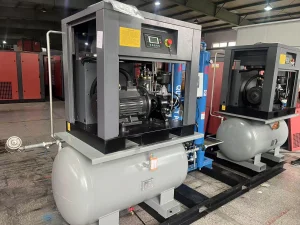
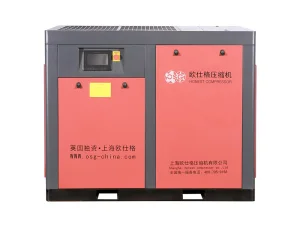
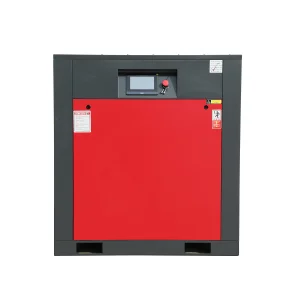
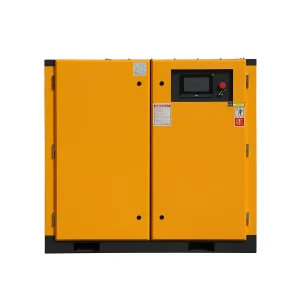
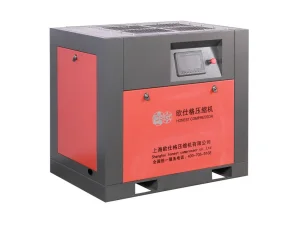
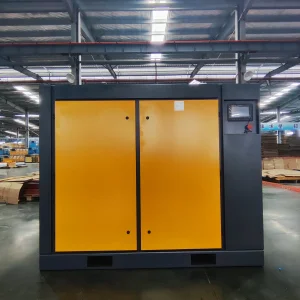
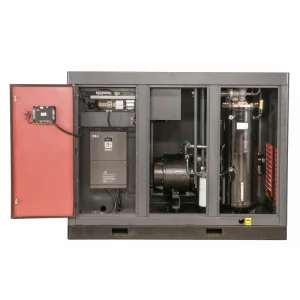
Maintaining optimal operating temperatures inside a rotary twin-screw air compressor is vital to preventing premature lubrication degradation, rotor thermal expansion, and reduced volumetric efficiency. Our air-cooled systems deploy highly advanced fin-and-tube aluminum block heat exchangers coupled with high-efficiency fan motors (often VSD-driven) to handle internal thermal loads.
- Direct Air-Cooling Fluid Circuits: Injecting cooled synthetic oil directly into the compression chamber acts as both a sealant and a coolant. The hot oil is then routed to the air-cooled oil cooler before being filtered and recirculated.
- Optimized Aerodynamic Shrouds: Custom-designed fan blades and motor shrouds optimize static pressure and air-flow distribution across the heat exchanger face, keeping discharge temperatures within 8°C of ambient conditions.
- Two-Stage Intercooling: In our high-capacity models, two-stage compression reduces the compression ratio per stage, which minimizes heat generation during the cycle. Integrated interstage cooling reduces air temperature before entering the second stage, yielding energy savings of up to 15% compared to single-stage units.
Volumetric Performance
Our dual-rotor geometry minimizes internal blow-by, maintaining consistent displacement and flow rates even during continuous peak loads.
Thermodynamic Control
Precise temperature management prevents condensate formation inside the screw block, eliminating oil emulsification issues.
Acoustic Attenuation
Advanced low-vibration internal configurations paired with sound-insulating enclosures keep operating noise levels below 63 dB(A).
Global Commercial and Localized Compliance Frameworks
Operating as an OEM/ODM provider requires adherence to various safety and engineering regulations globally. For regions like North America and the European Union, air compressors must meet strict electrical, safety, and energy efficiency parameters.
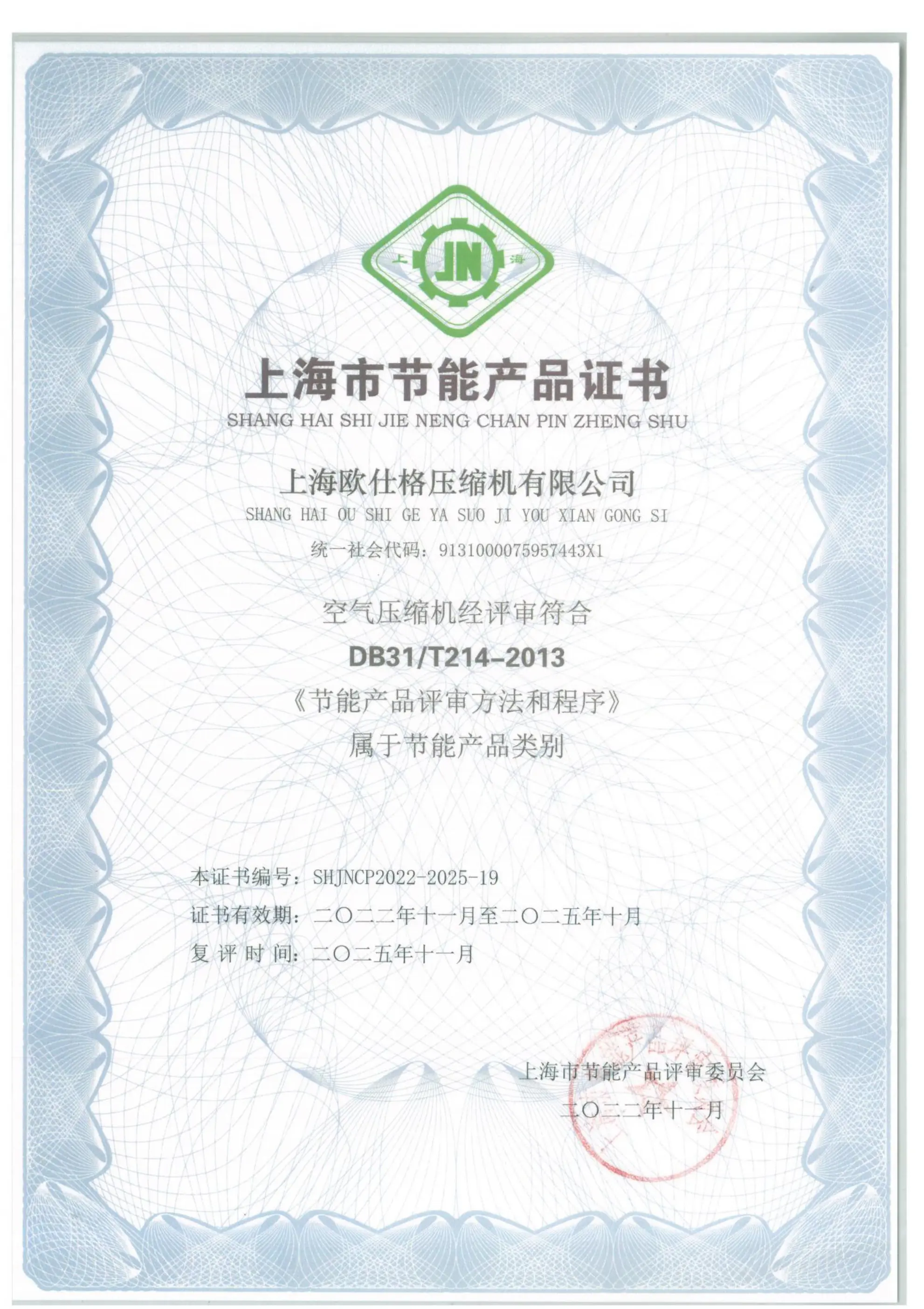
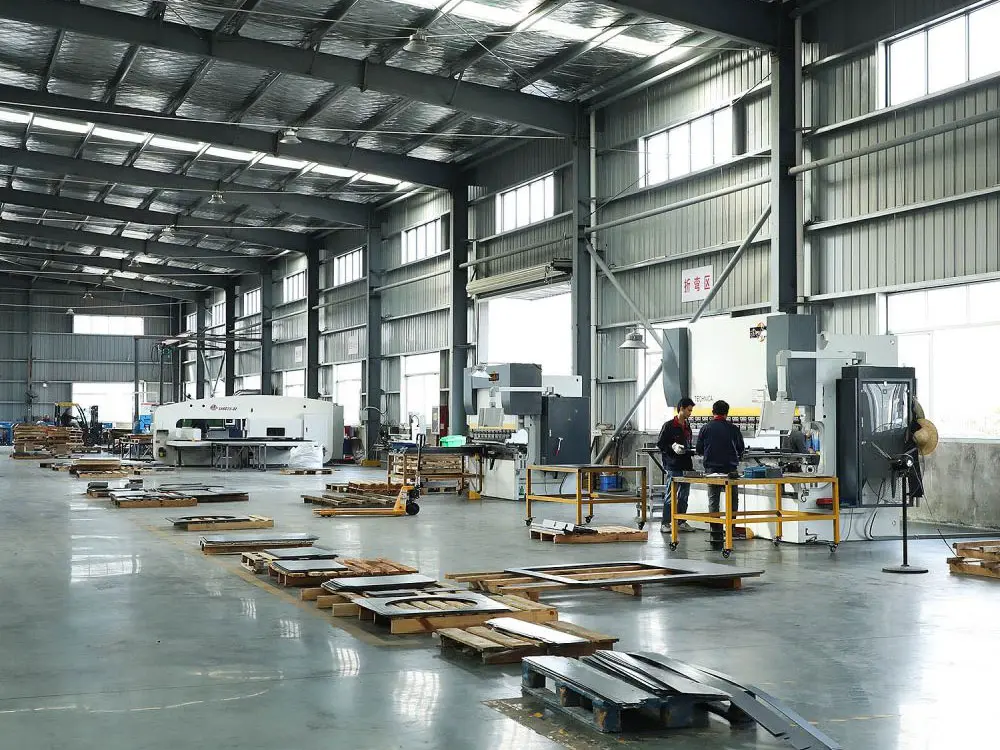
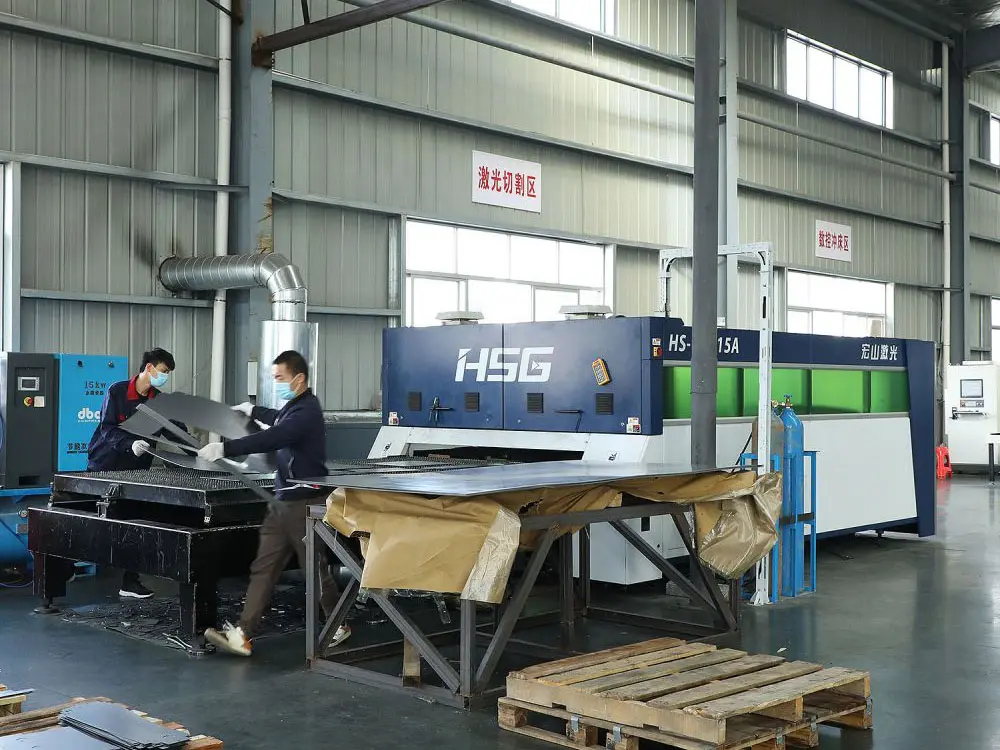
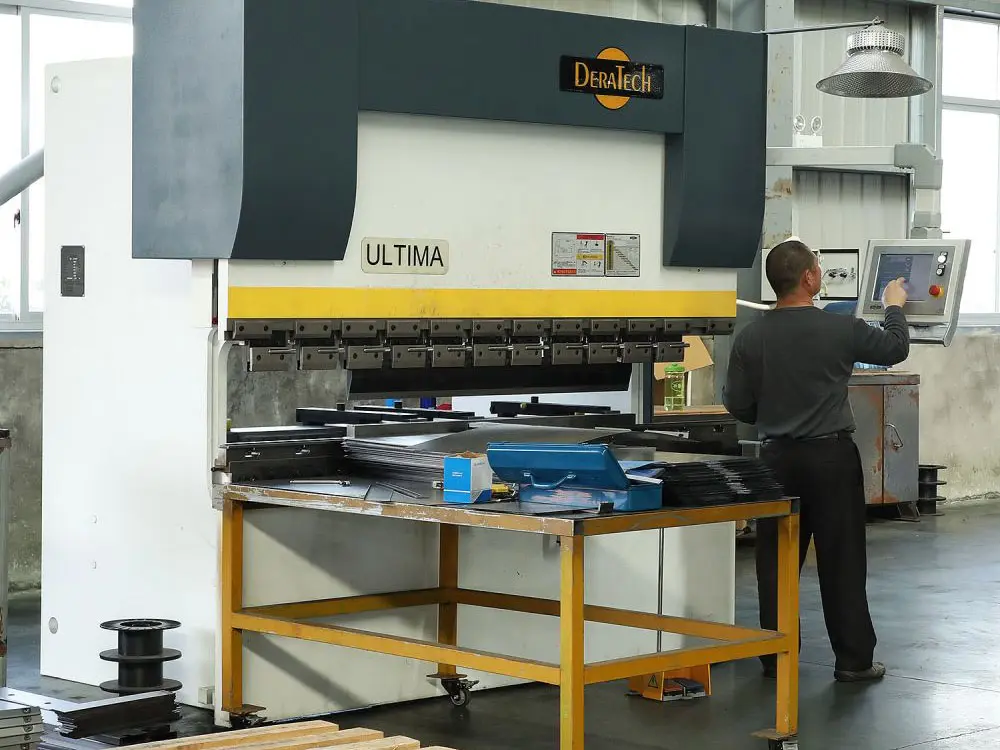
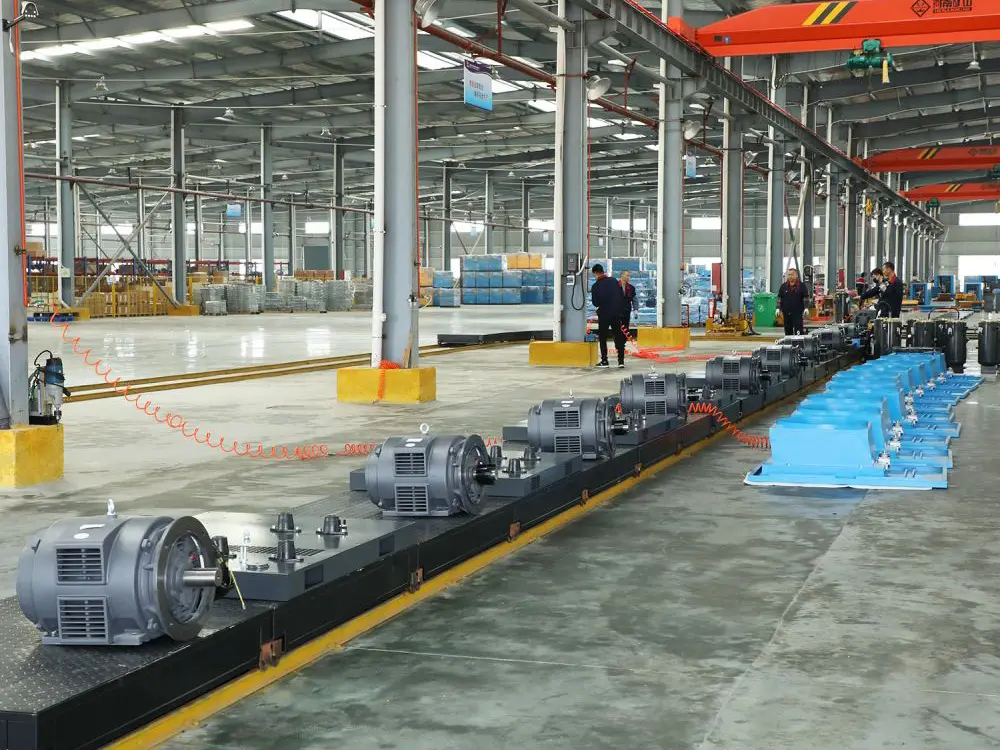
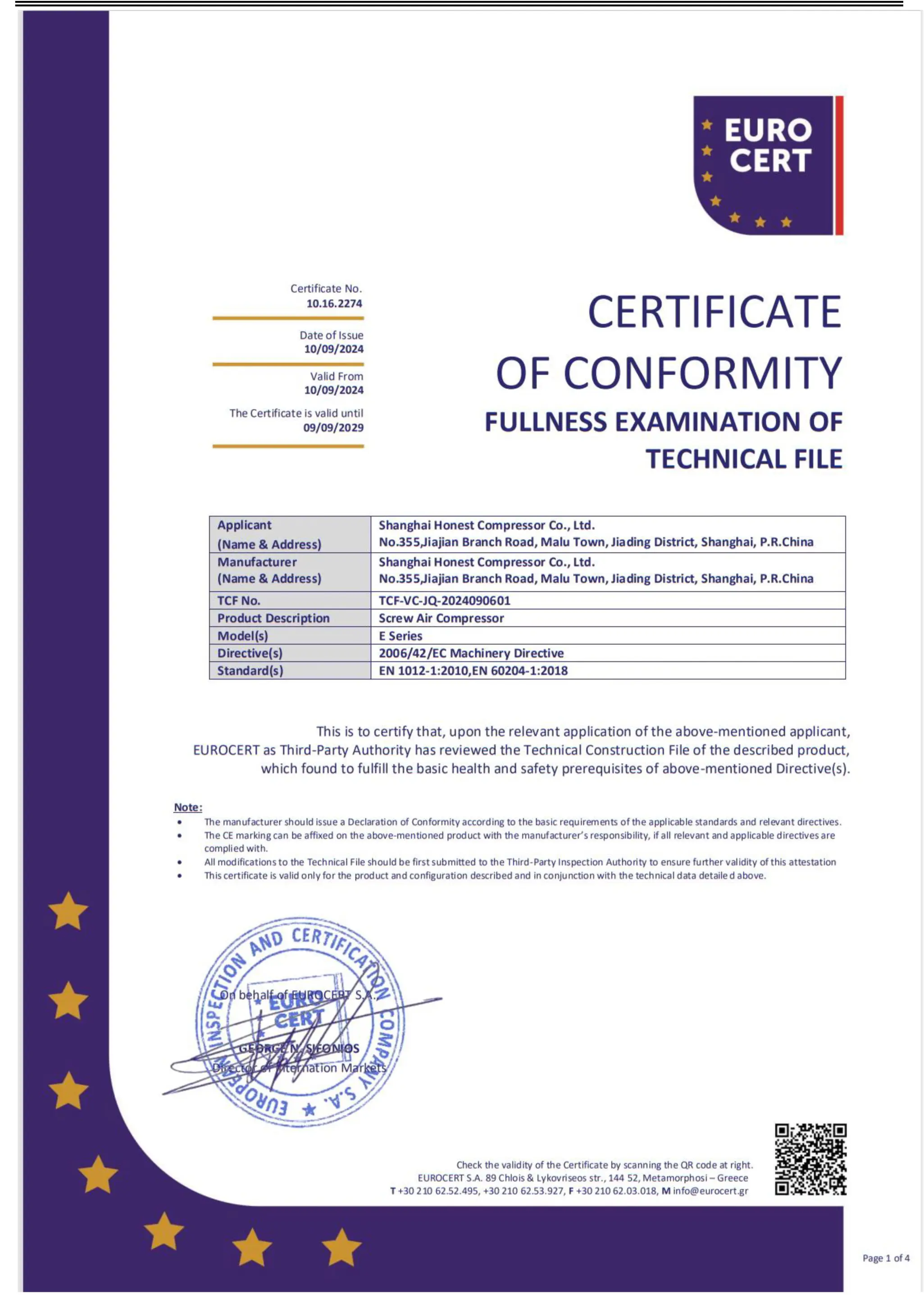
Our manufacturing facility, located in Malu Town, Jiading District, Shanghai, operates under a ISO9001 and CE certified framework. Motor installations are customizable with IP54 or IP55 ingress protection models, suitable for dust-heavy operations. Electrical packages can be configured to comply with European standards (380V/50Hz/3Ph) or North American requirements (230V/460V/60Hz), facilitating international integration without needing auxiliary step-up transformers or power conversion packages.
Operational Integration: VSD PM Technology and Energy Profiles
Constant-speed, start-stop cycles in conventional air compressors create high energy loads and severe mechanical stress during start-up. Variable Speed Drive (VSD) with Permanent Magnet (PM) synchronous motors changes how systems respond to fluctuating air demand.
By constantly adjusting motor RPMs to match live system pressure demands, VSD systems reduce power consumption during off-peak windows. The direct-coupled permanent magnet motor operates without transmission belts or gears, eliminating mechanical coupling losses and ensuring a system power factor near 1.0 across all operational speeds.