In modern industrial process lines, compressed air is as critical as power and water. However, ambient air ingested by compressors contains high concentrations of water vapor, hydrocarbons, particulate matter, and microbiological impurities. During compression, this moisture vaporizes and condenses downstream, leading to severe corrosion in distribution piping, instrument failures, product spoilage, and operational downtime. For facilities requiring high-purity air (such as pharmaceutical packaging, electronic component lithography, and automotive painting lines), simple refrigeration methods fail. This is where the OEM Industrial Desiccant Air Dryer is indispensable, providing low dew points essential for operational stability.
Unlike standard refrigerant air dryers which are thermodynamically limited to a Pressure Dew Point (PDP) of +3°C (+37°F), desiccant dryers utilize advanced physical adsorption principles to reduce the PDP down to -40°C (-40°F) or even -70°C (-100°F). By passing compressed air through a packed column of highly porous desiccant materials, water vapor is selectively retained, leaving the air dry enough for specialized sub-zero process systems and moisture-sensitive operations.
The efficiency of a desiccant air dryer relies heavily on its desiccant bed composition. OEM manufacturers typically configure systems using three primary classes of drying agents, each optimized for specific thermodynamic conditions:
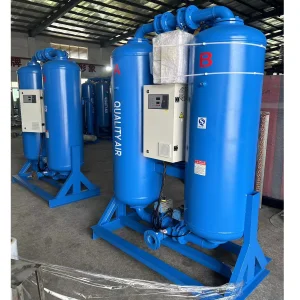
To provide continuous operation, desiccant air dryers utilize dual-tower designs. While Tower A is in the adsorption phase (drying the process air), Tower B is in the regeneration phase (releasing adsorbed water vapor to prepare the desiccant for the next cycle). The methodology used to release the trapped moisture determines the energy signature and equipment footprint of the factory installation:
Heatless regenerative dryers utilize a portion of the dried compressed air (typically 12% to 15%) from the active tower. This purge air is depressurized to atmospheric levels and routed through the regenerating tower, sweeping away the moisture. While highly reliable due to minimal moving parts, the ongoing cost of compressed purge air requires careful consideration in large-scale facilities.
Thermal Swing Adsorption (TSA) integrates electrical heaters or steam coils into the regeneration pathway. By introducing heat, the affinity of the desiccant for water molecules drops significantly, allowing regeneration to occur with a much smaller purge air requirement (typically 5% to 7%), lowering overall compressor demand.
These advanced systems use dedicated ambient air blowers to heat and sweep moisture from the desiccant bed. Zero-Purge models use the heat of compression from oil-free compressors to regenerate the desiccant bed, completely eliminating purge air loss. These setups offer the lowest operational costs for major industrial plants.
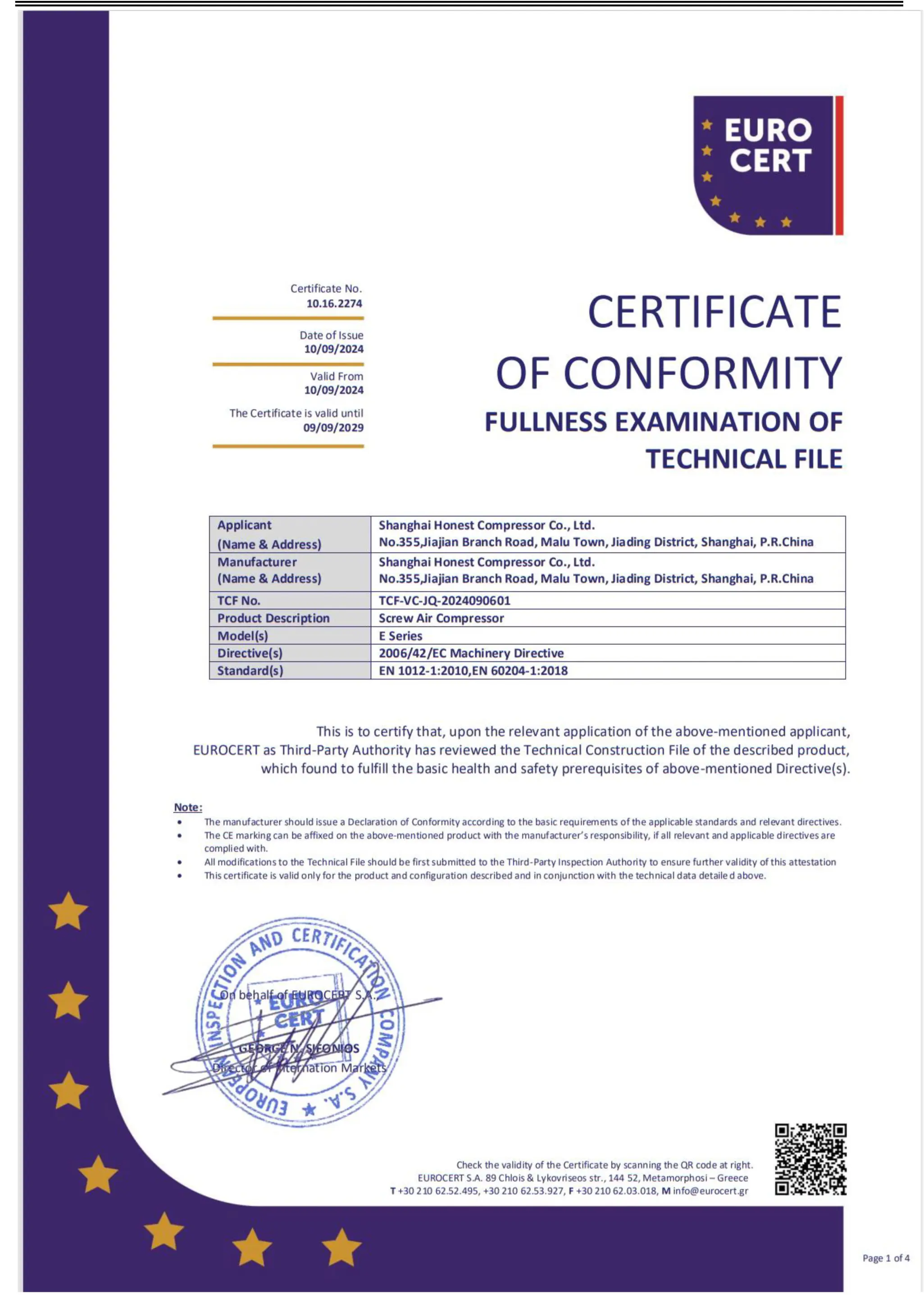
Industrial applications dictate different dew point limits based on international regulations. In the pharmaceutical sector, ISO 8573-1 Class 1 or Class 2 specifications require strict control of moisture and particulate content to prevent biological growth. Our OEM factories construct ASME-certified pressure vessels, compliant with CE/PED directives for European operations, and SQL/SEL standards for Asian infrastructures.
From deep-sea drilling platforms where low ambient temperatures cause line freezing, to desert environments where high intake temperatures stress standard machinery, our custom desiccant packages are engineered to survive. Specialized configurations include corrosion-resistant stainless-steel pipework, explosion-proof electronic controls, and integrated pre- and post-filtration arrays.
We are integrating IoT-enabled smart controllers that measure real-time outlet humidity, dynamically adjusting cycle switching times. This dew point dependent switching (DDS) prevents unnecessary regeneration runs, reducing energy consumption by up to 60% depending on seasonal load changes and ambient relative humidity.
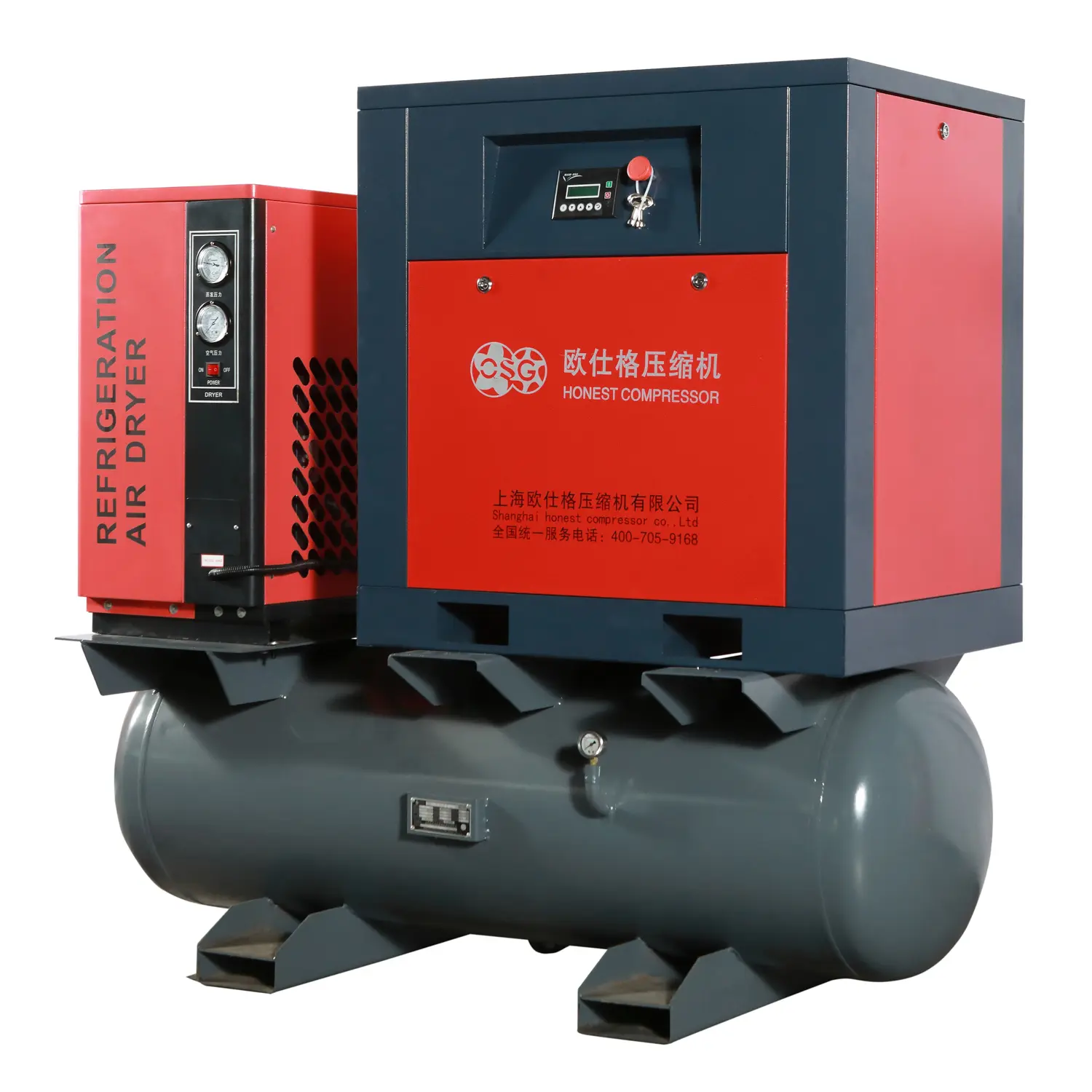
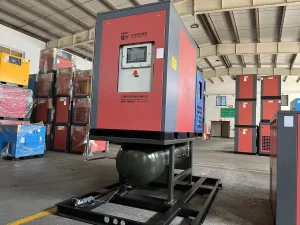
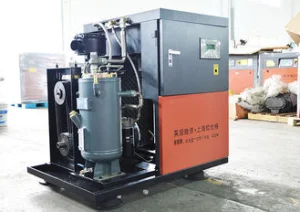
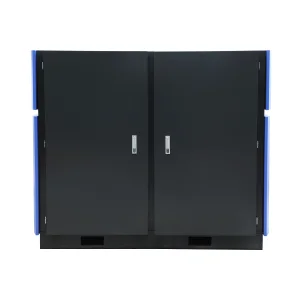
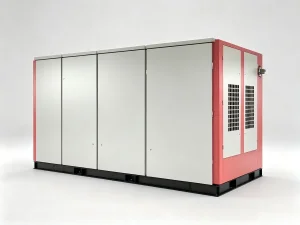
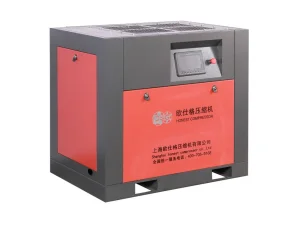
Highly integrated rotary screw design combining compression, filtration, and air treatment in a compact design.
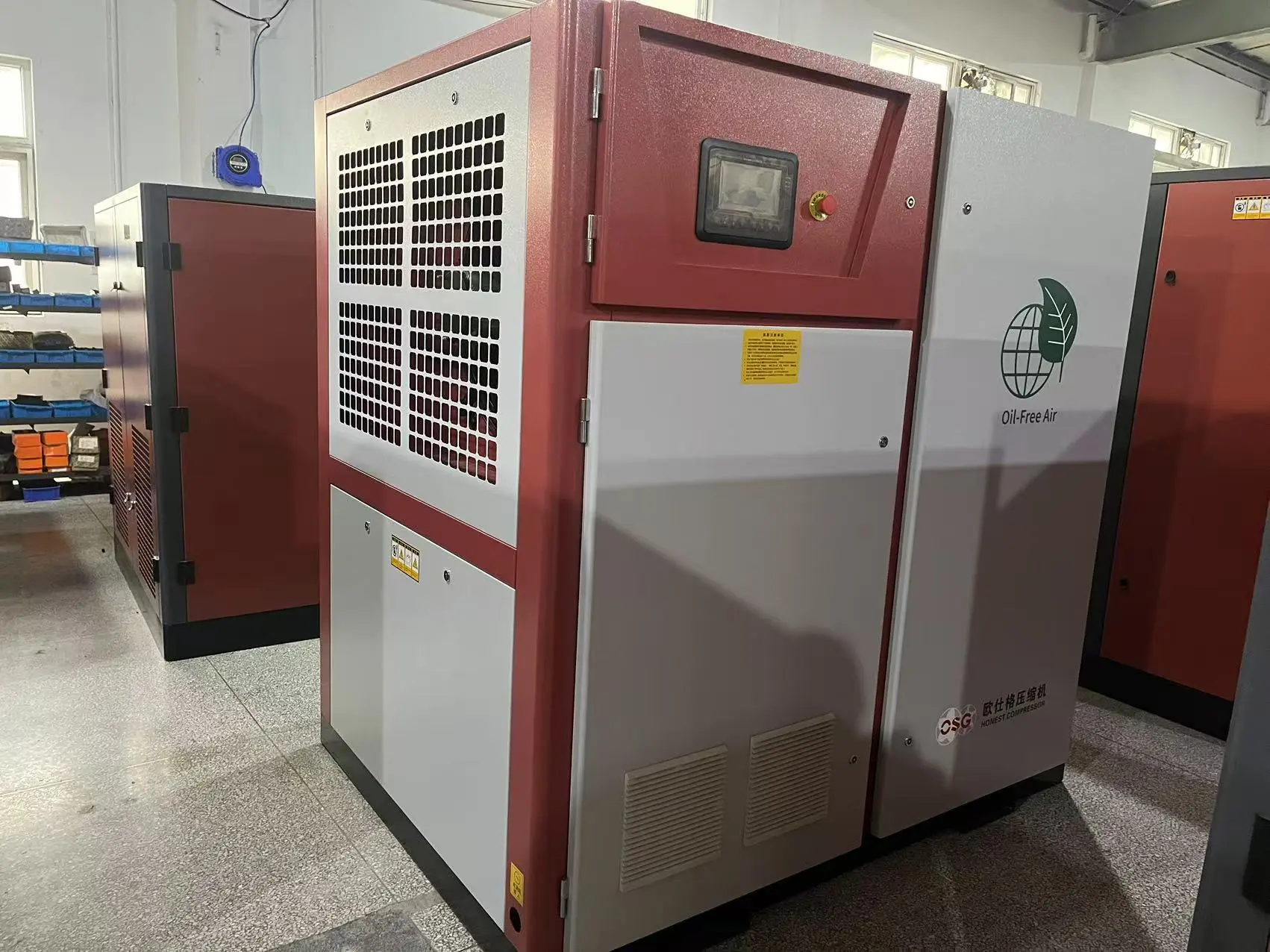
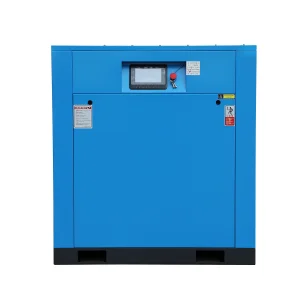
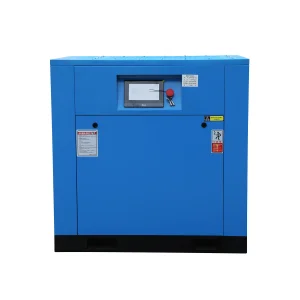
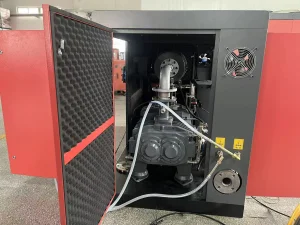
Engineered for industries requiring pure, oil-free compressed air without compromising on noise levels.
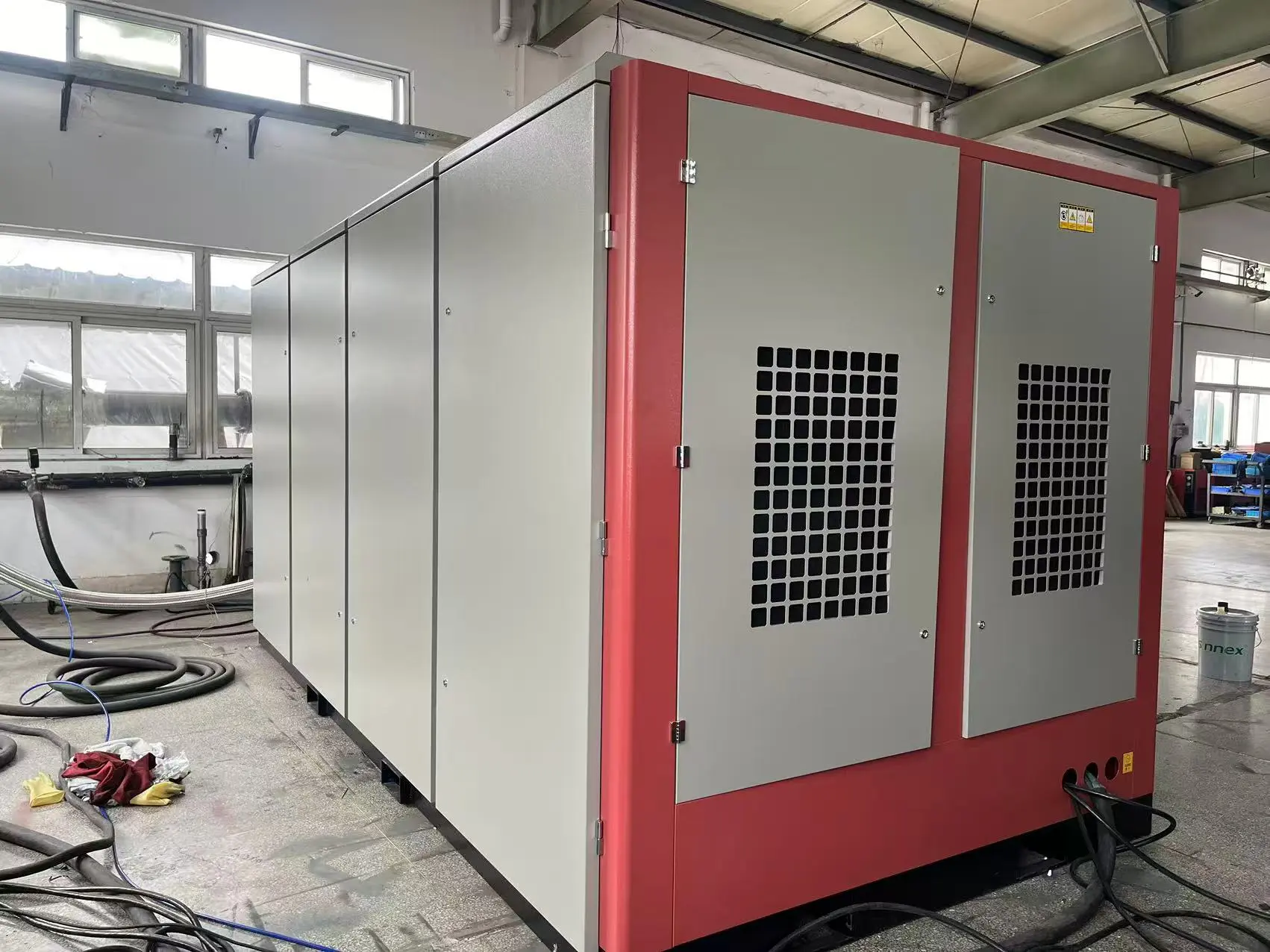
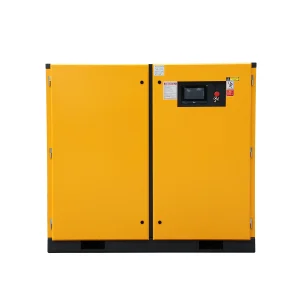
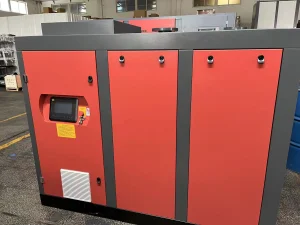
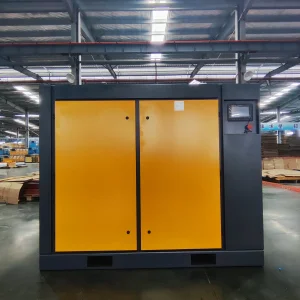
Heavy duty high-power industrial configuration for large scale manufacturing and plant operations.
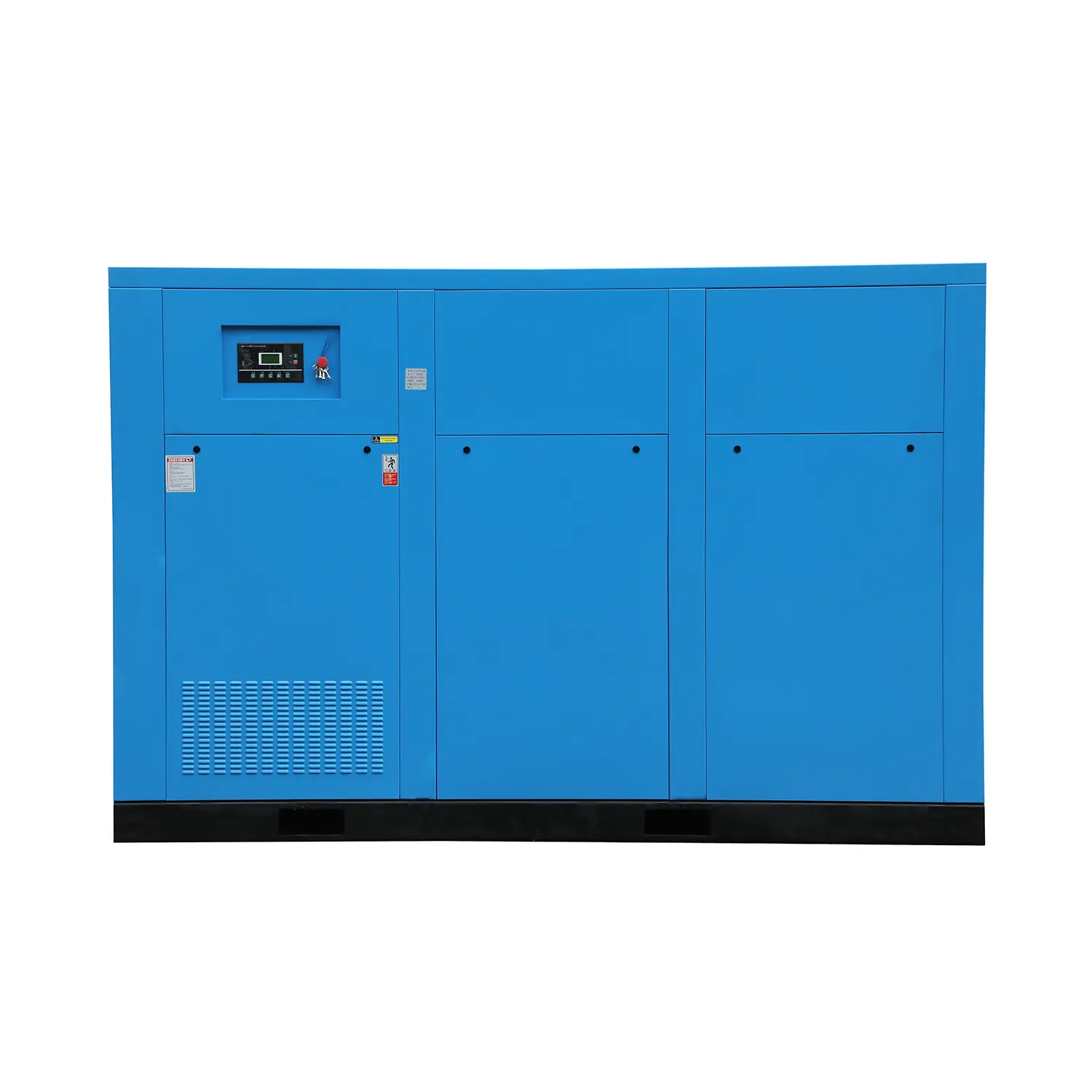
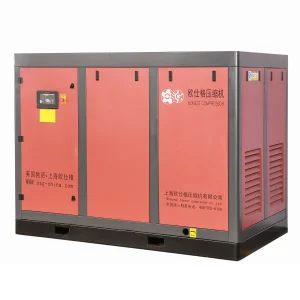
Two-stage rotary screw setup optimizing isothermal efficiency and reducing overall power costs.
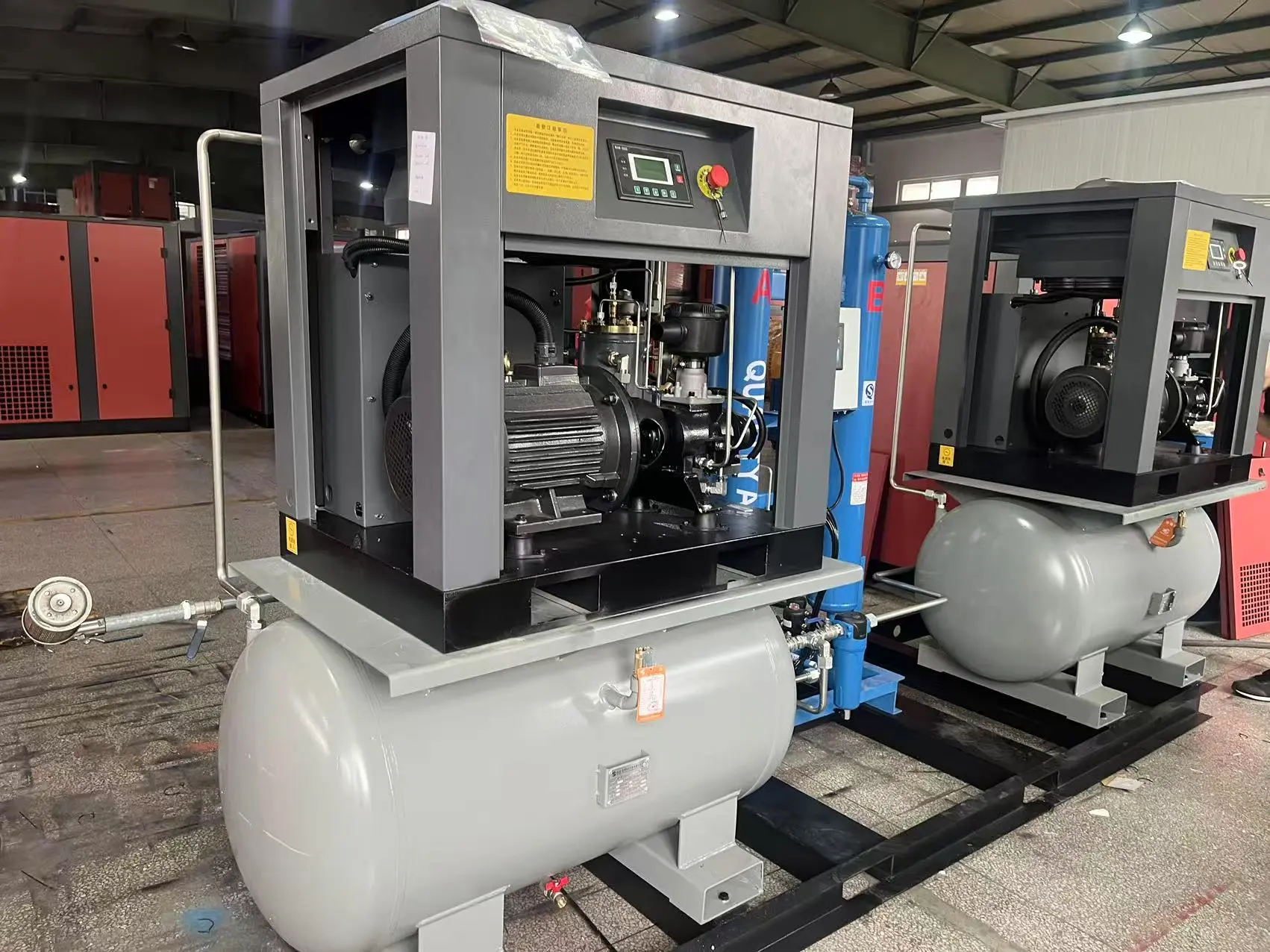
Efficient twin system configured to balance variable loads while maintaining a small footprint.
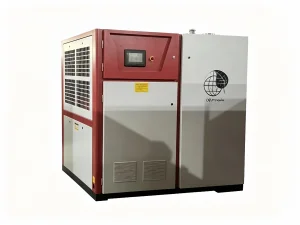
Combines compression, drying, filtration and storage into a single easy-to-install package.
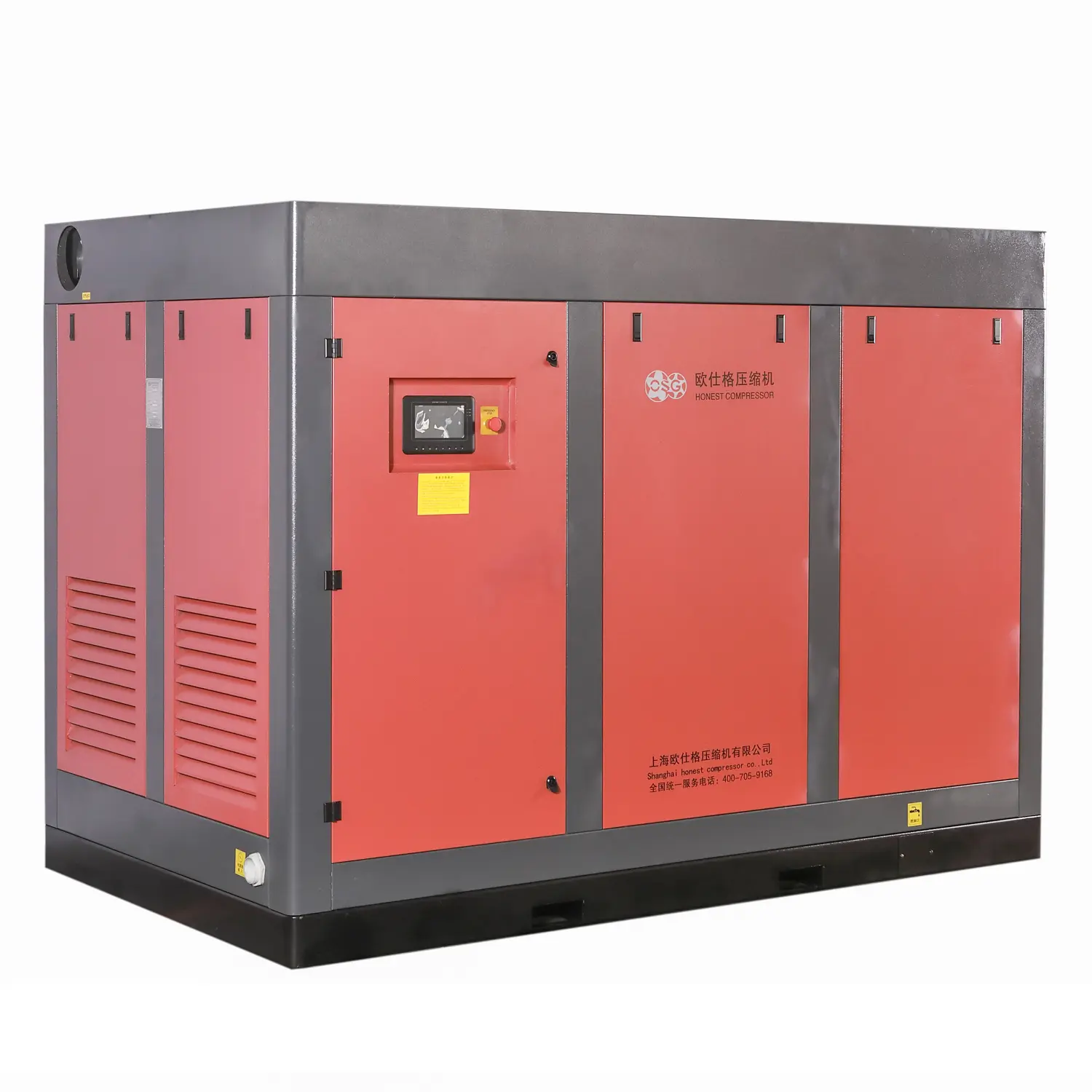
Dual-stage compressor engineered for high energy efficiency under heavy continuous run-time profiles.
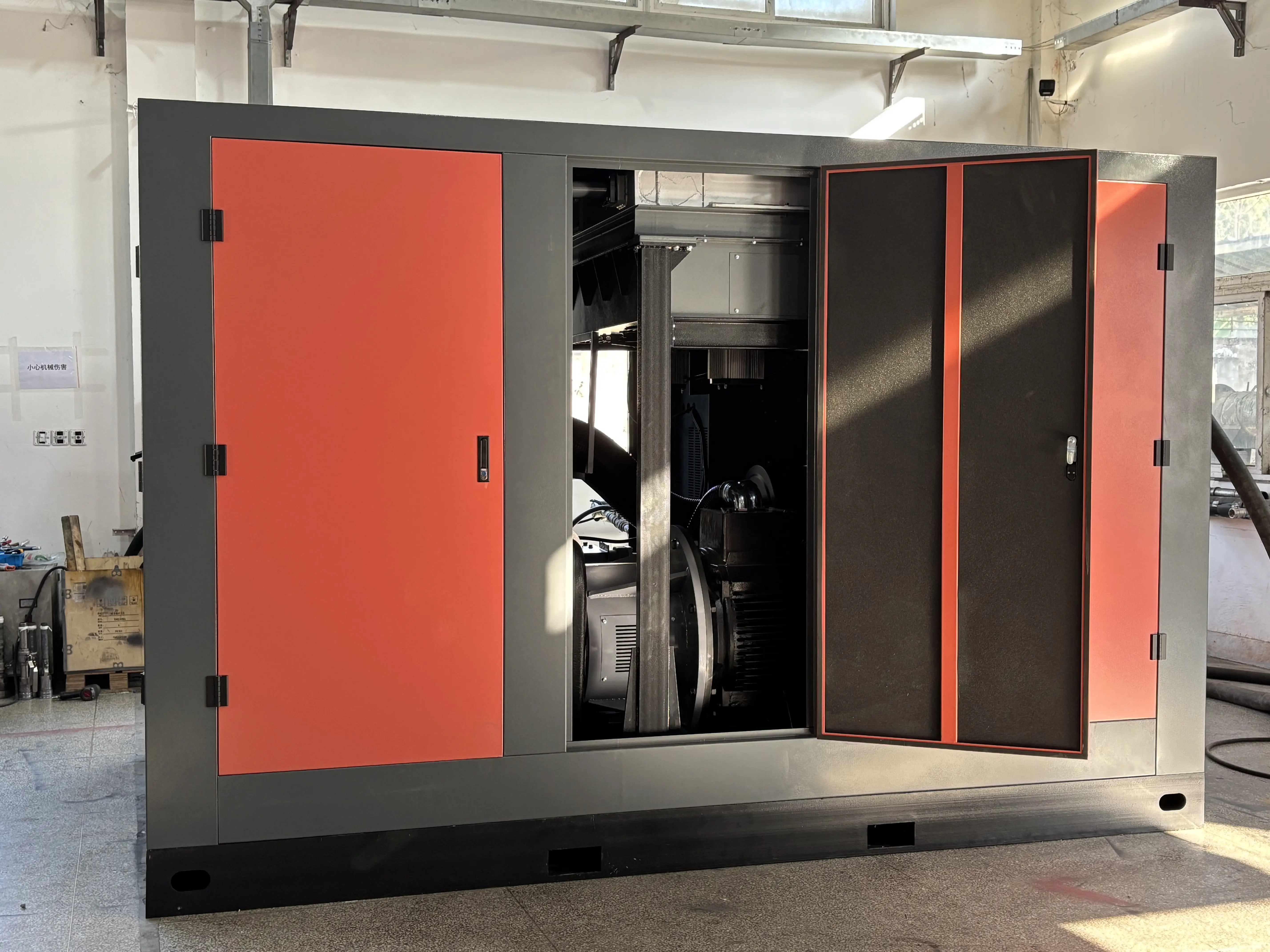
Features permanent magnet variable frequency drives, keeping energy usage aligned with real-time demands.
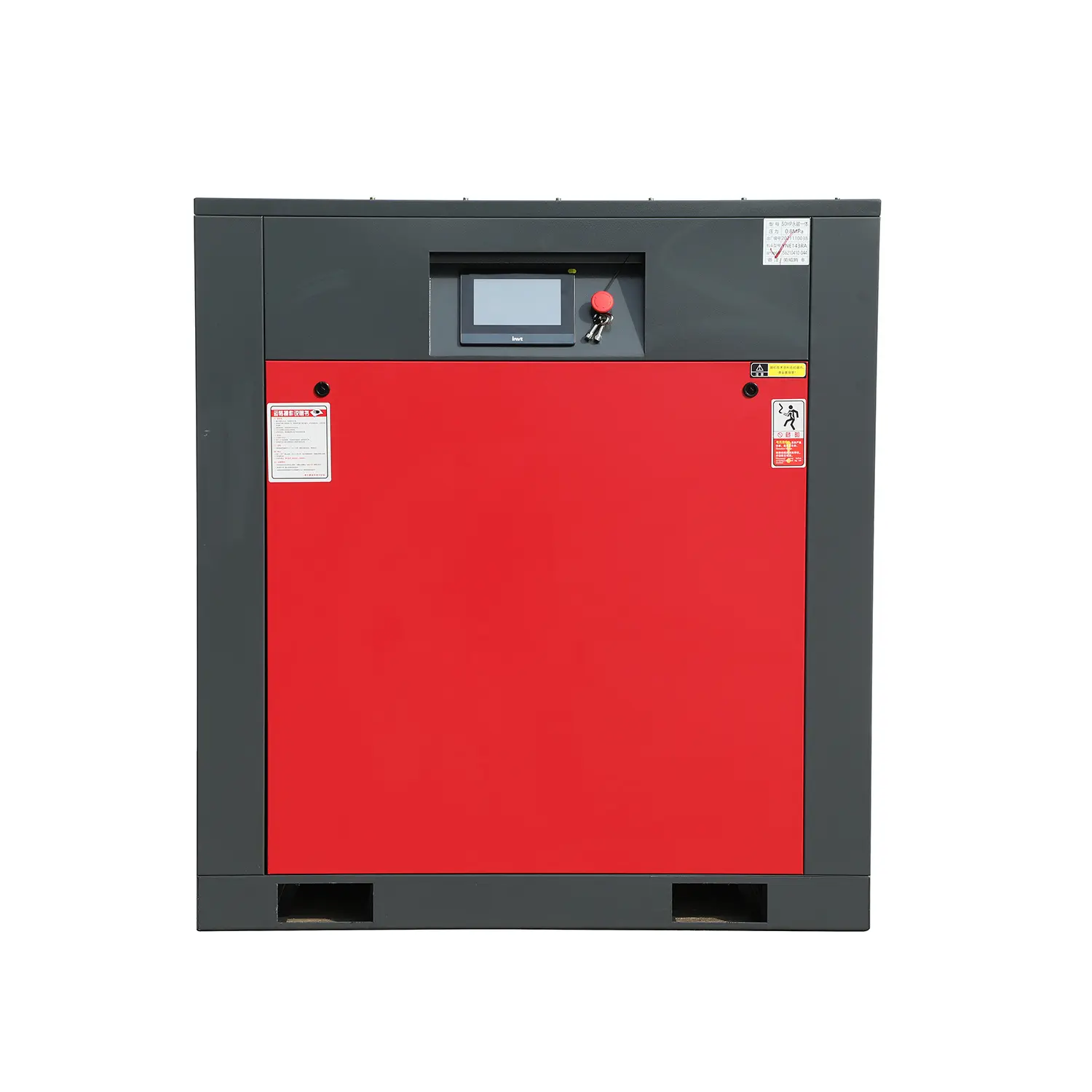
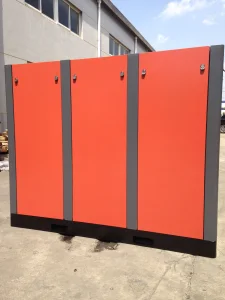
Reliable fixed-speed performance ideal for applications with constant, predictable air demand profiles.
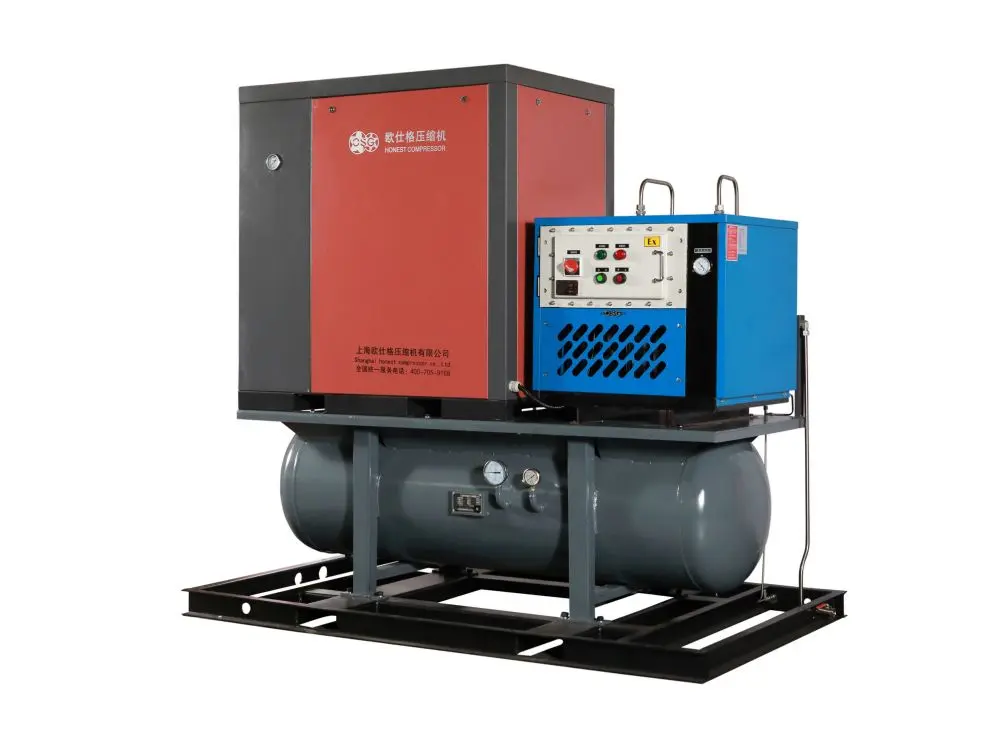
Integrated screw air compressor, explosion-proof design. OEM support, energy-saving and silent components. ISO/CE certified.
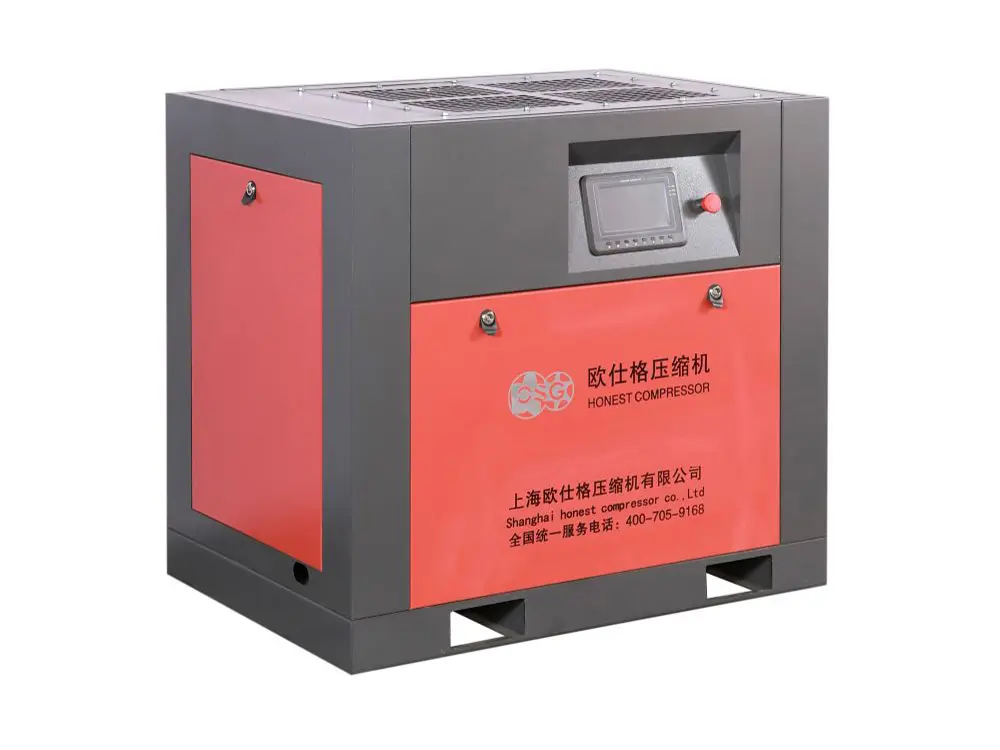
Model XD-8A, delivery 0.8-1.2m3/min, 7-12bar. Star-triangle start, air cooled, IP55, noise levels below 63dB.
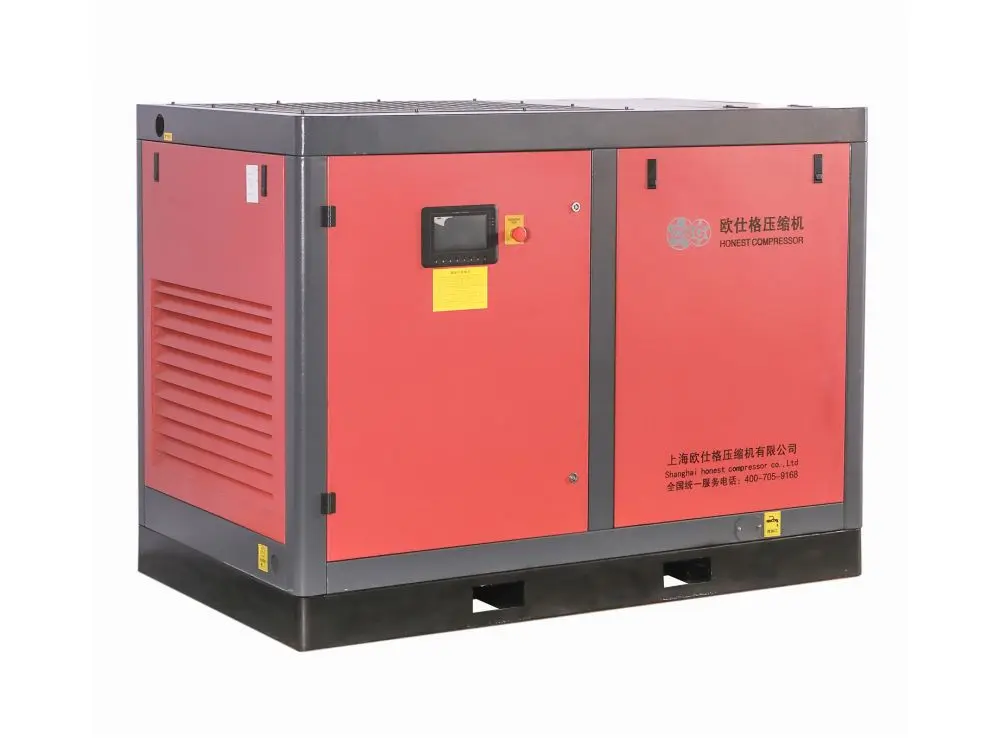
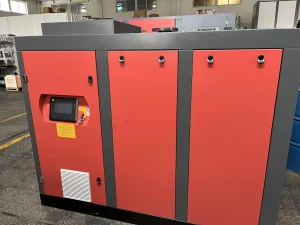
Two-stage oil injection screw air compressor with matched line speed rotor control and ultra-low noise footprint.
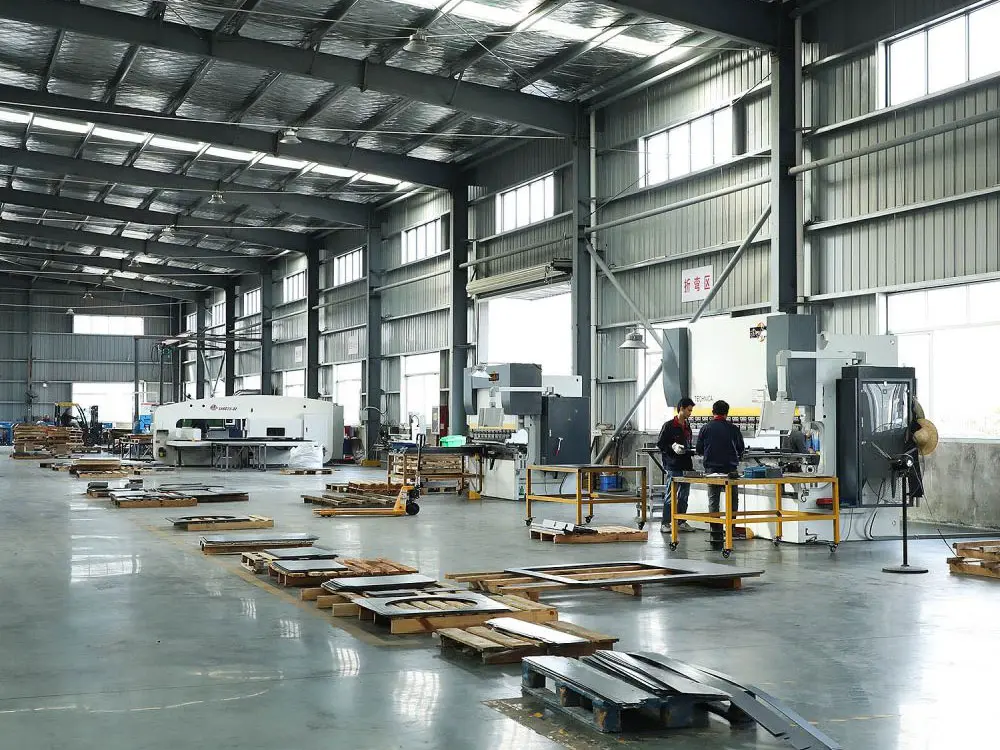
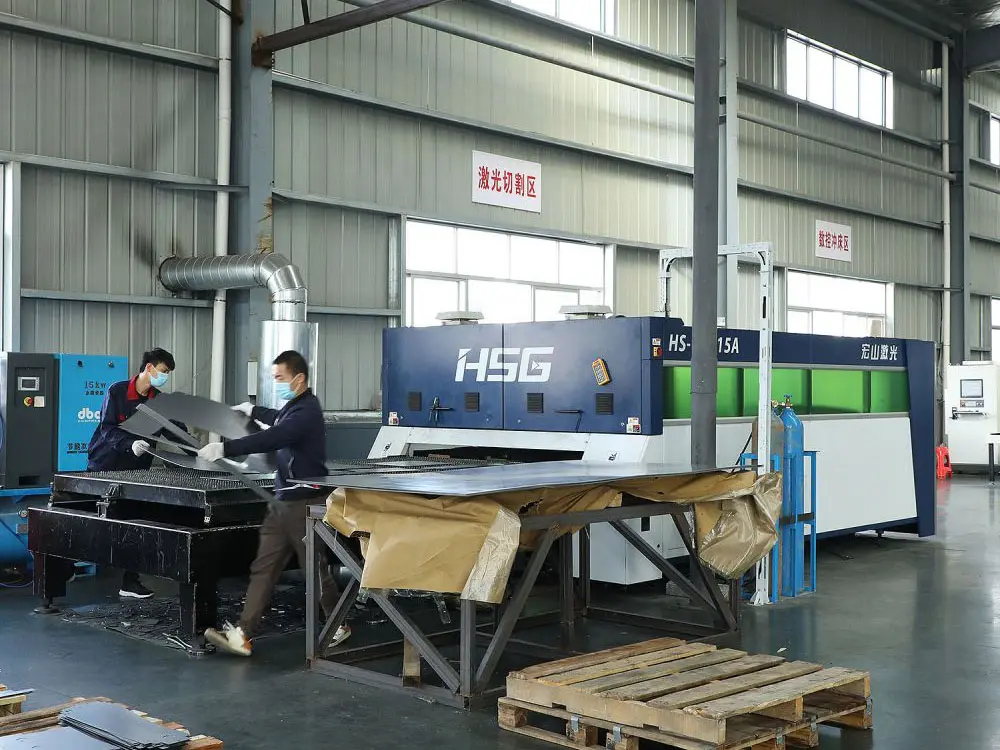
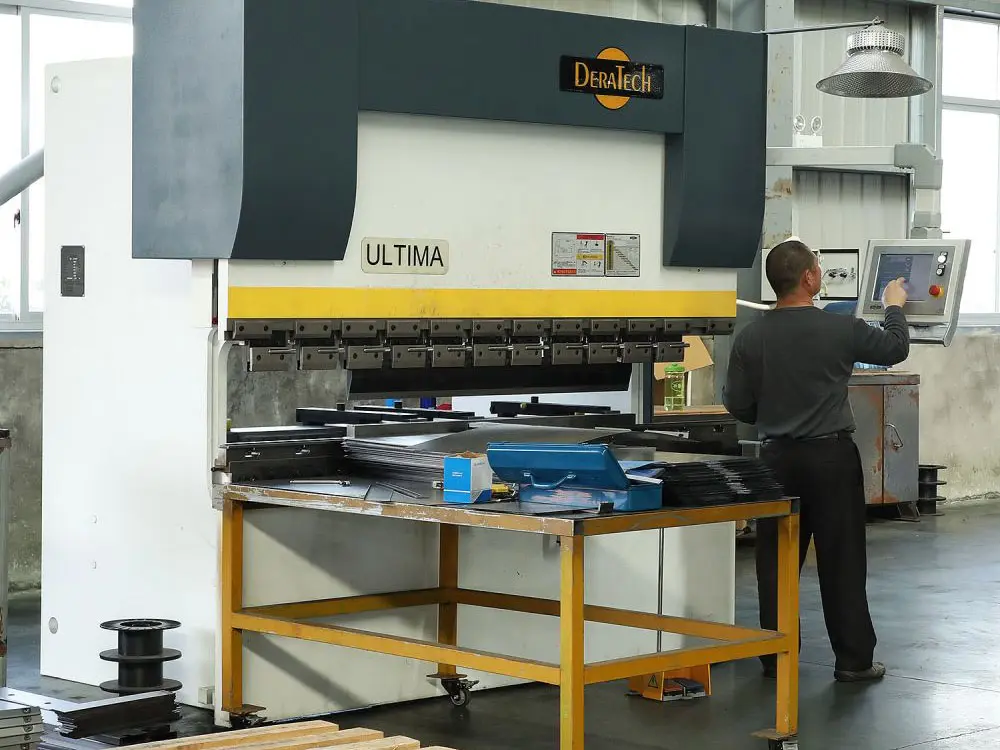
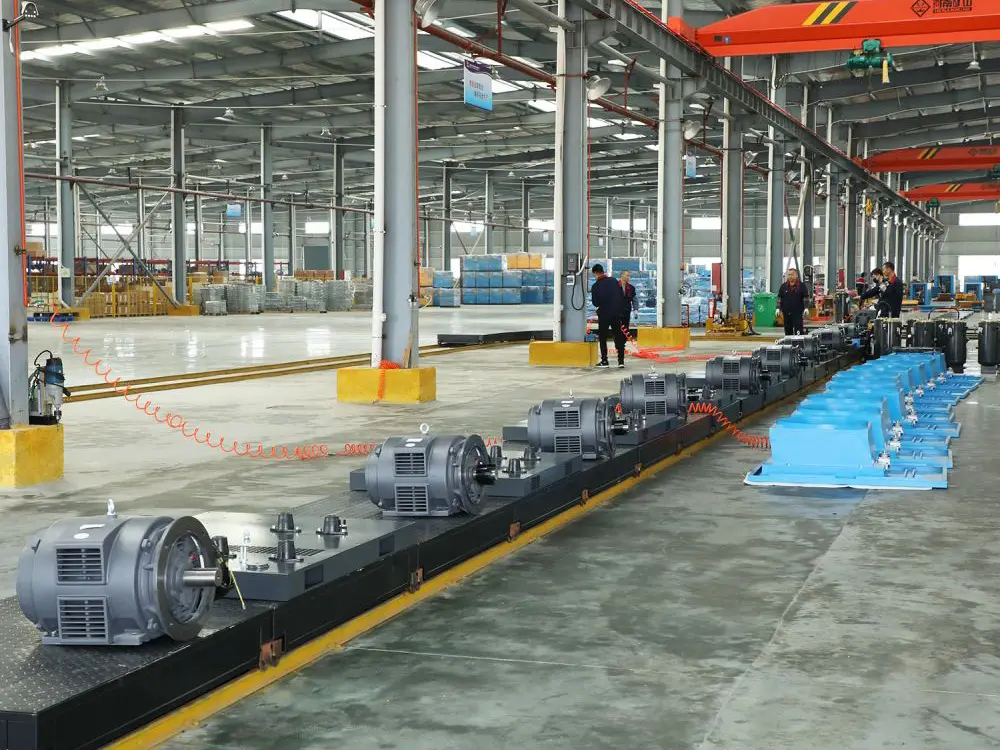
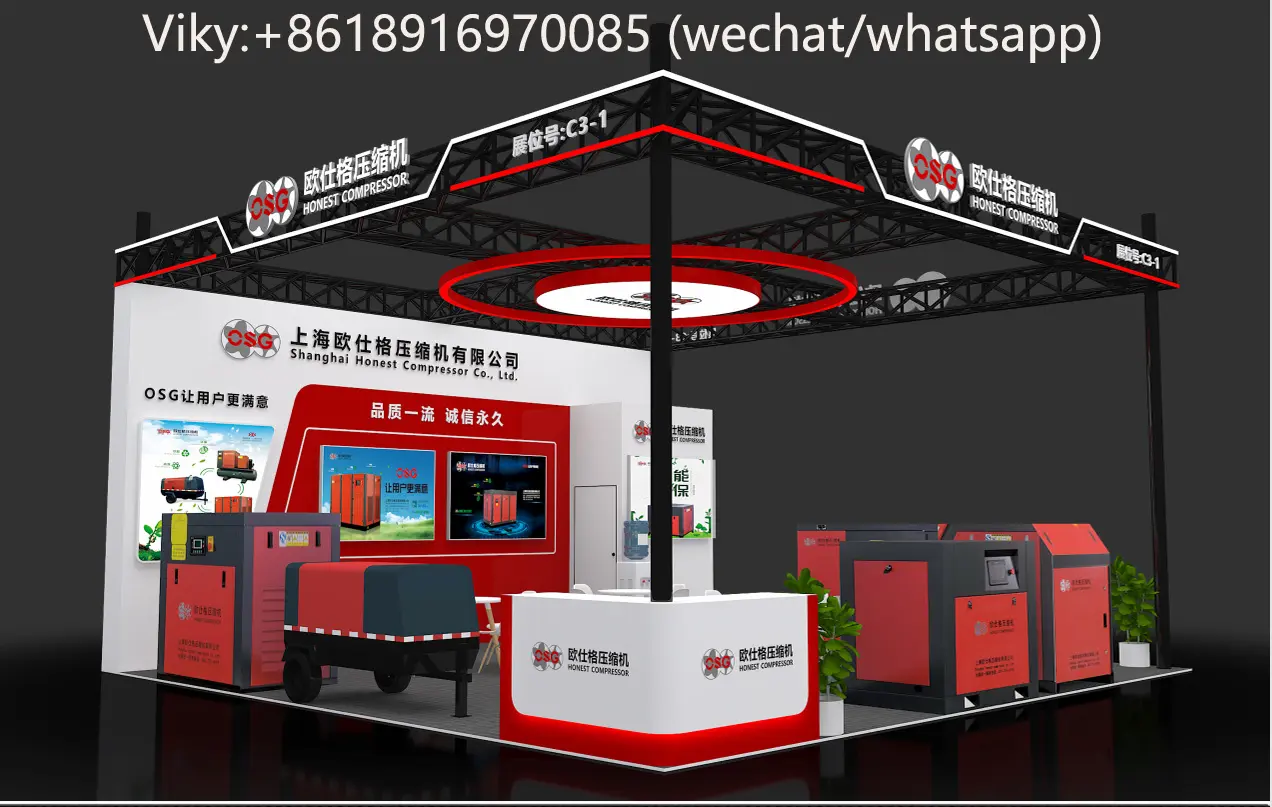
Shanghai Honest Compressor Co., Ltd. is a British-owned enterprise established in early 2004. Our modern manufacturing facility is located at NO. 355 Jiajian Branch Road, Malu Town, Jiading District, Shanghai, China. Over the past two decades, we have grown into a leading manufacturer specializing in industrial twin-screw air compressors, dry vacuum systems, and advanced downstream air treatment solutions in China.
As a global supplier of complete compressed air systems, we offer a comprehensive product portfolio including piston air compressors (low, medium, and high pressure), oil-free air compressor systems, twin-screw air compressors (3KW-480KW), gas separation equipment, refrigerant compressors, desiccant air dryers, cold dryers, precision filters, ceramic membrane filtration systems, and consumable accessories.
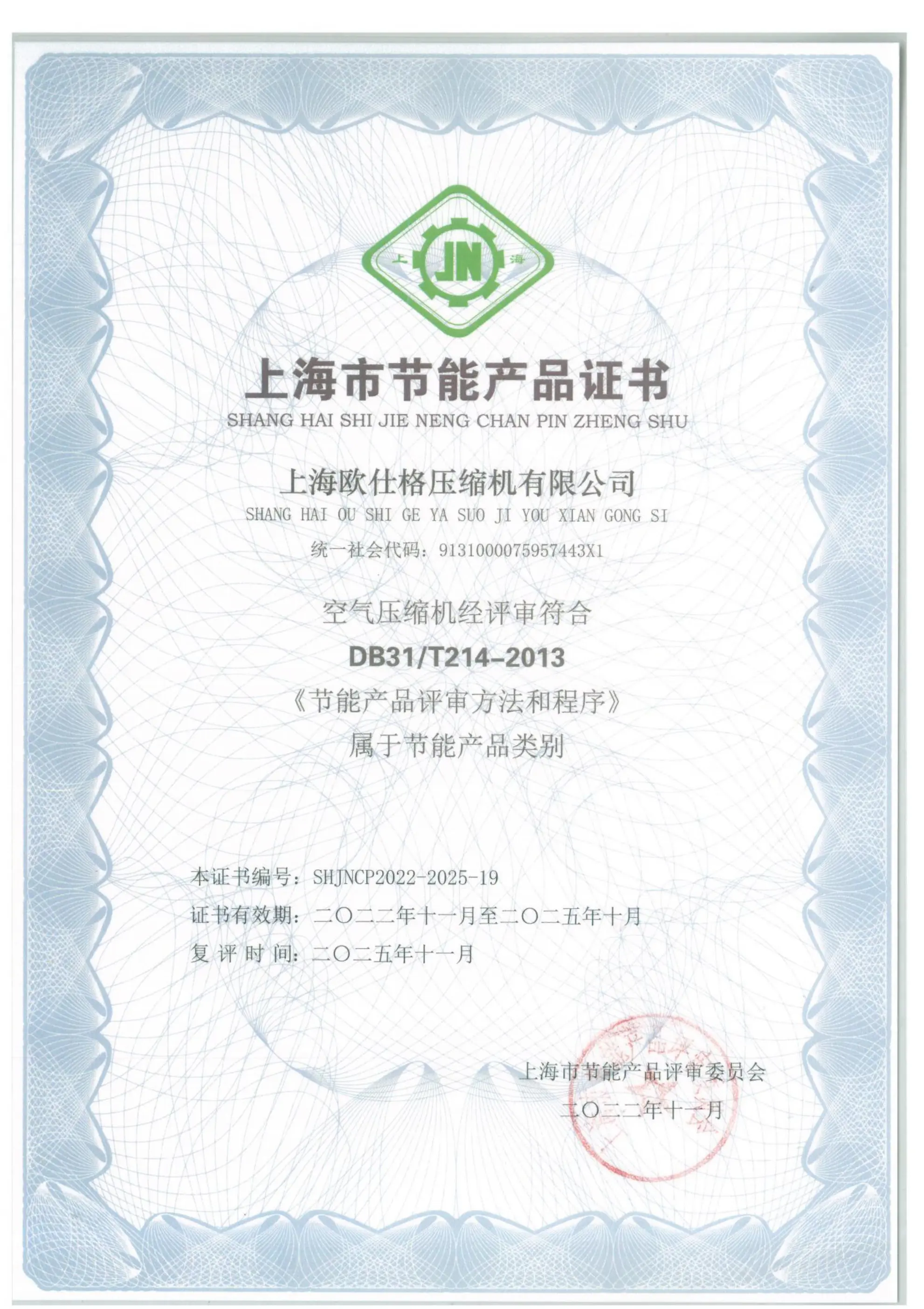
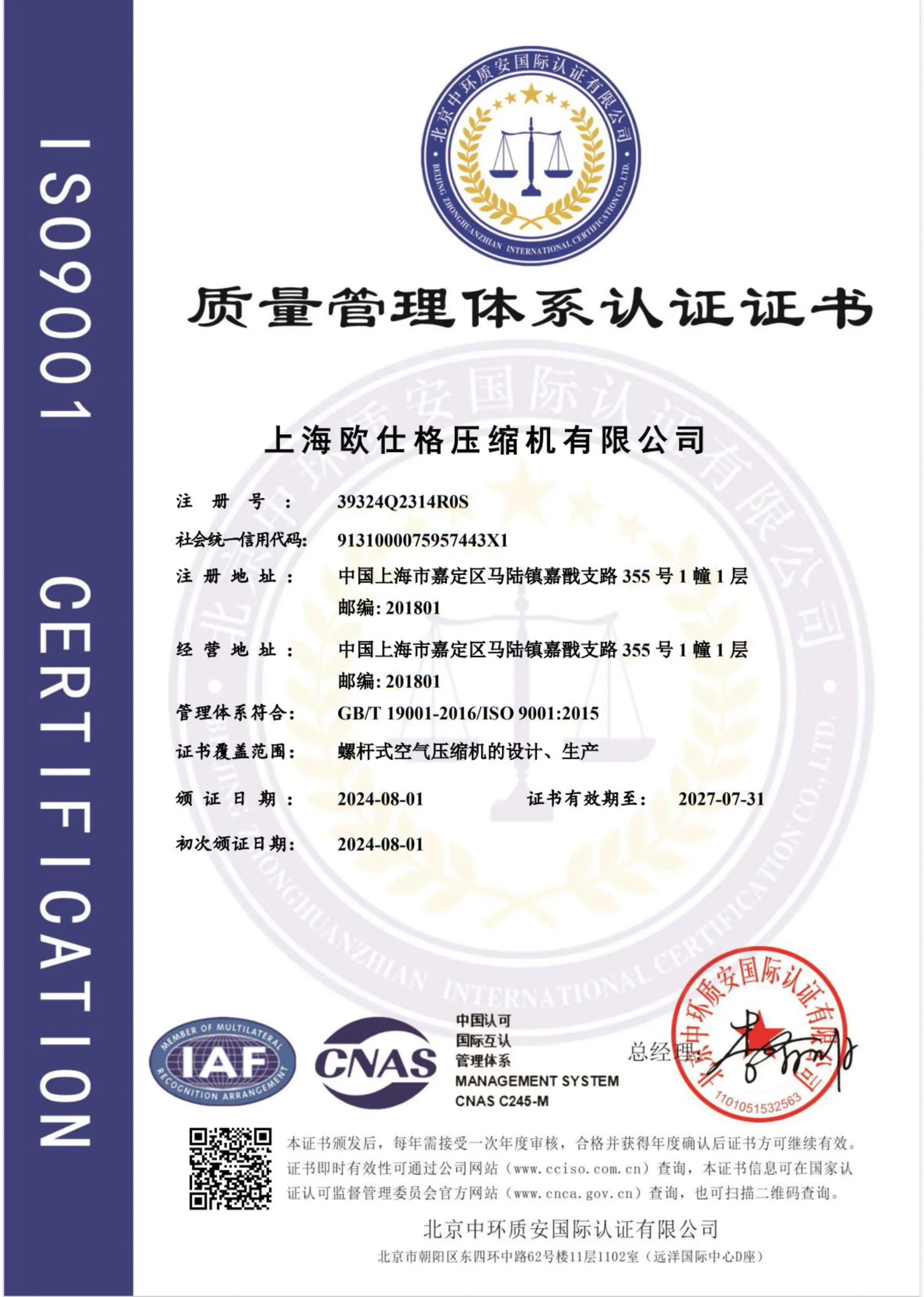
Through rigorous quality control and technical expertise, we support OEM and ODM clients worldwide, ensuring energy efficiency, regulatory compliance, and reliable operation across diverse industrial conditions.
Analyzing key valuation indicators reaching US$ 5.97 billion in 2024, projected to grow to US$ 8.28 billion by 2034 with increasing demands for clean process environments.